


Blogs
Add the best talent on the market, an agile skilled management & seamless involvement.
400 +
Total Post
99 +
Blog Writer

Latest Insight The Branex!
- All
- Android App
- announcement
- AR/VR
- Artificial Intelligence
- Automation
- Big Data
- Branding
- Business Tips
- Cloud Computing
- CMS
- Cyber Security
- Data Security
- DevOps
- Digital Marketing
- Digital Transformation
- eCommerce
- Entrepreneurship
- Guide
- Health Care
- Infographics
- Innovation
- Interviews
- iOS App Development
- Mobile App
- Mobile App Development
- Outsourcing
- Productivity
- Python
- SEO
- Social Media Marketing
- Software Development
- Staff Augmentation
- Tech Trends
- Technology
- UI/UX
- Web Design & Development
- WordPress


How To Create a Brand Identity? A Step-by-Step Guide To Creating a Brand
 Team Branex
Here is a riddle straight from the riddled. I am a trustworthy, comfortable, relaxed & trendy brand identity.
Who am I?
Difficult right? Because the clues are generic. Here is a piece of vital evidence.
I am related to sports, and I have an athletic image.
Still no clue who I am?
I am the epitome of motion and speed. I am sure most of you have guessed it by now. For those who haven’t, don’t be hard on yourself. I am Nike.
The first clues that I gave were too generic to venture a guess. However, when I revealed that the sports brand touted an athletic image, you guessed in a jiffy.
It is because, akin to humans, brands have certain identity traits that make it easier for customers to relate to the brand.
 You don’t have to be a marketing guru to appreciate Apple's prudently and intricately crafted marketing strategy. One-Bite Apple needs no introduction. Whenever you see this logo, you can relate it to Apple. An Apple product is all about trust, innovation, and a standalone class.
When developing a brand strategy, it is essential to use a solid visual language which can be integrated everywhere from your website to the brochure and the mobile app. Although there are tons of brand identifiers out there if we talk about some major ones, here is the list:
The logo, colors, typography, images, video, motion, website design, and data visualization. That being said, just because you are using these elements won’t guarantee your success. A rock-solid brand identity is something that can be related to the internal team, content creators, and everyone who is interacting with the brand.
Here are some fundamental qualities that you can use to imprint your brand upon the minds of customers.
You don’t have to be a marketing guru to appreciate Apple's prudently and intricately crafted marketing strategy. One-Bite Apple needs no introduction. Whenever you see this logo, you can relate it to Apple. An Apple product is all about trust, innovation, and a standalone class.
When developing a brand strategy, it is essential to use a solid visual language which can be integrated everywhere from your website to the brochure and the mobile app. Although there are tons of brand identifiers out there if we talk about some major ones, here is the list:
The logo, colors, typography, images, video, motion, website design, and data visualization. That being said, just because you are using these elements won’t guarantee your success. A rock-solid brand identity is something that can be related to the internal team, content creators, and everyone who is interacting with the brand.
Here are some fundamental qualities that you can use to imprint your brand upon the minds of customers.
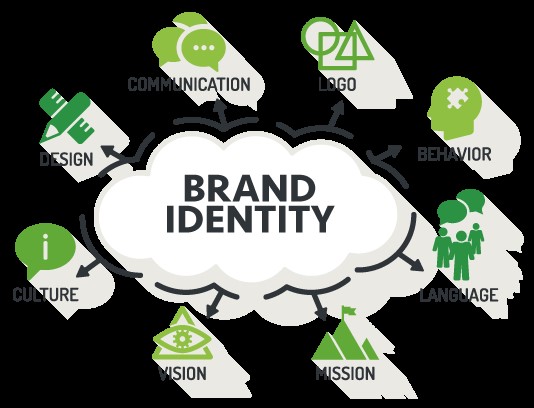 When you are done with the mission and vision of the company, you move towards designing a logo for the brand. For this, you must first understand the company culture. The communication within the company must follow the core values portrayed.
The next step is to create a brand persona. A face that interacts with the entire world. A common misconception is that people consider brand identity as the fact that the brand presents to the world.
In reality, it is about understanding the psychology of customers so that better design choices can be made. To understand their needs and wants, and the values that the brand offers.
Collect the demographic and psychographic information to give you insights into what drives some people to buy from you and others to steer clear of your brand.
When you are done with the mission and vision of the company, you move towards designing a logo for the brand. For this, you must first understand the company culture. The communication within the company must follow the core values portrayed.
The next step is to create a brand persona. A face that interacts with the entire world. A common misconception is that people consider brand identity as the fact that the brand presents to the world.
In reality, it is about understanding the psychology of customers so that better design choices can be made. To understand their needs and wants, and the values that the brand offers.
Collect the demographic and psychographic information to give you insights into what drives some people to buy from you and others to steer clear of your brand.
 Beyond your primary audience, you must also keep an eye on secondary groups, such as employees and other brands. It is not just about how to create a brand identity, it is more about how people perceive your brand as a whole.
Identify Your Competition. Moreover, see how your brand can differentiate from your competitors.
The best way is to understand and analyze how your competitors present themselves in terms of content, visual elements, and marketing.
For instance, when Twitch launched in the year 2011, its competitors were using bold colors like Reds and Greens, and they came up with all-purple branding. The color became an instant hit and in the year 2014, they sold for $1 billion.
If you are looking to create a brand identity, it is essential to face reality and see your brand as it is. Does your brand align with the core values and goals of the company?
Beyond your primary audience, you must also keep an eye on secondary groups, such as employees and other brands. It is not just about how to create a brand identity, it is more about how people perceive your brand as a whole.
Identify Your Competition. Moreover, see how your brand can differentiate from your competitors.
The best way is to understand and analyze how your competitors present themselves in terms of content, visual elements, and marketing.
For instance, when Twitch launched in the year 2011, its competitors were using bold colors like Reds and Greens, and they came up with all-purple branding. The color became an instant hit and in the year 2014, they sold for $1 billion.
If you are looking to create a brand identity, it is essential to face reality and see your brand as it is. Does your brand align with the core values and goals of the company?
 It’s important to remember that each word must drive a specific emotional response. Pick words that will trigger users to build a visual image of your brand with the meaning of that word.
The core of your brand identity is the logo. For this, you are allowed to go old school and use a pencil or a sketch to ignite the creative genius within you.
It’s important to remember that each word must drive a specific emotional response. Pick words that will trigger users to build a visual image of your brand with the meaning of that word.
The core of your brand identity is the logo. For this, you are allowed to go old school and use a pencil or a sketch to ignite the creative genius within you.
 There will be iterations, give it time before you finalize the logo. Once you think you are done, ask yourself if the design is successful at delivering your core message.
 See how each color is associated with a word, and that word is linked to the brands that you already know.
Every phase, even typography, can reveal a lot about a brand.
You can persuade customers with simple fonts.
Limit the number of fonts to 2-3. Nothing more. Each font must represent your brand persona.
Here is a fantastic video that can help you choose the right font for your logo:
https://www.youtube.com/watch?v=j_lsb_CY06Q
The typography must be selected with care. This is your opportunity to showcase a strong brand presence to your potential customers.
See how each color is associated with a word, and that word is linked to the brands that you already know.
Every phase, even typography, can reveal a lot about a brand.
You can persuade customers with simple fonts.
Limit the number of fonts to 2-3. Nothing more. Each font must represent your brand persona.
Here is a fantastic video that can help you choose the right font for your logo:
https://www.youtube.com/watch?v=j_lsb_CY06Q
The typography must be selected with care. This is your opportunity to showcase a strong brand presence to your potential customers.
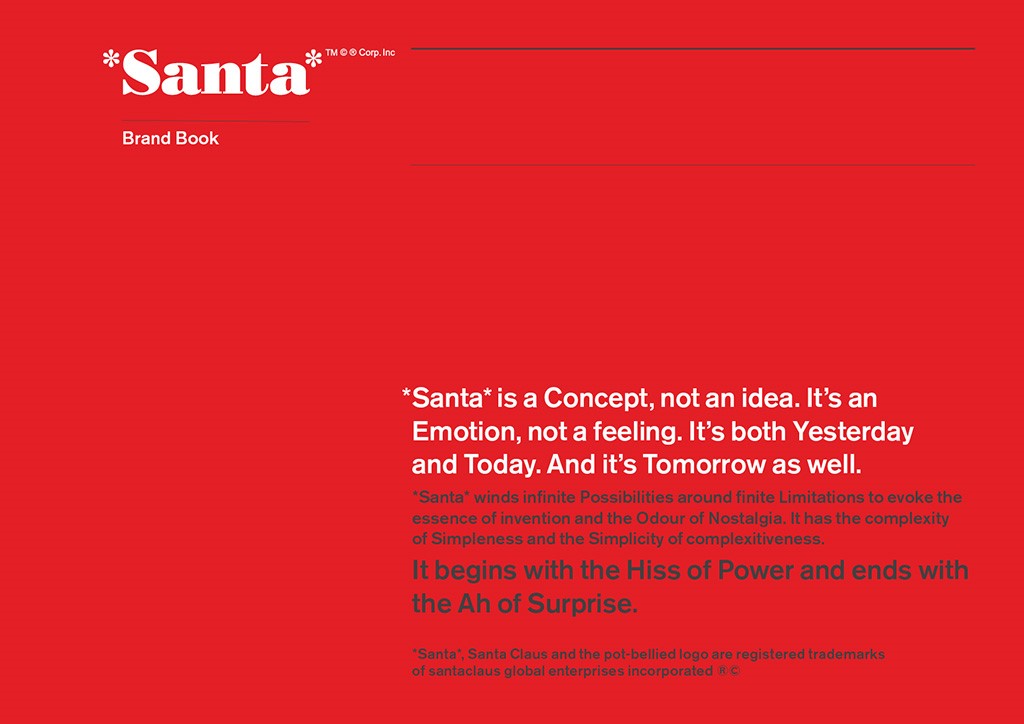 Remember to lay down a brand guideline for each element of the brand. Here, more information will help. Include as much information as you can.
Once you are done with the guideline, distribute it to your team. Make it available for newcomers to check the instructions and learn more about every element of the brand.
Remember to lay down a brand guideline for each element of the brand. Here, more information will help. Include as much information as you can.
Once you are done with the guideline, distribute it to your team. Make it available for newcomers to check the instructions and learn more about every element of the brand.
What is Brand Identity?
A common misconception is that the concept of brand identity is purely for graphic designers. It starts with choosing a brand name and hiring a graphic designer, who will flip a few colors in any old logo, and you have your brand identity. No. Let’s clear that misconception, shall we? Brand identity is actually for marketers and business owners. It is an image that people have of your brand when they read, listen to, or see anything that conjures up images of your brand in their minds. To answer what a brand identity is in layman's terms, a brand identity is how brands communicate with the world in a way that differentiates them from competitors. Create a brand experience that people will never forget, and they will never turn to your competitors. Some brands like Apple, LEGO, Amazon, and Warby Parker have elevated their brand identity to the next level. These brands have leveraged stellar customer service to engage with customers and leave a solid impression. On the other side of the universe, some weak brands fail to impress their image on the minds of their consumers. Some of these brands started okay, but right in the middle, they lost their touch and were unable to communicate with their customers in a way that portrays the true essence of the brand. In this article, we will help you answer the most daunting question. How to create a brand identity that will bring your competition to its knees? Well, not evaporate in thin air, because only Thanos could do that and he’s too dead for it (no spoilers intended). Let’s say that you will learn how to create a brand identity in a way that is easy to understand and simple to implement.Step 1: Begin with a Complete Brand Strategy
When you devise your branding strategy, it is essential to begin with a detailed plan on how to achieve success. Where does your brand stand at the moment and where do you want to take it? When you figure out where you want to go, then what you’re trying to achieve becomes clearer. To set your brand up for success, it is vital to understand your core brand values, create a brand voice, and design everything that aligns with those elements. If you don’t have a brand strategy, fret not; we are Branex can help you develop one. Contact us, and we will help you gear up for grand success.Step 2: The Core Elements of Brand Identity
What is the first thing that pops up in your mind when you see the image below:
You don’t have to be a marketing guru to appreciate Apple's prudently and intricately crafted marketing strategy. One-Bite Apple needs no introduction. Whenever you see this logo, you can relate it to Apple. An Apple product is all about trust, innovation, and a standalone class.
When developing a brand strategy, it is essential to use a solid visual language which can be integrated everywhere from your website to the brochure and the mobile app. Although there are tons of brand identifiers out there if we talk about some major ones, here is the list:
The logo, colors, typography, images, video, motion, website design, and data visualization. That being said, just because you are using these elements won’t guarantee your success. A rock-solid brand identity is something that can be related to the internal team, content creators, and everyone who is interacting with the brand.
Here are some fundamental qualities that you can use to imprint your brand upon the minds of customers.
- Distinct: To gain some advantage, you must create something unique that separates you from your competitors. Something that no one else is providing.
- Memorable: A brand is more than a logo, brochure, or website. You must integrate one single message across all your marketing mediums, to maintain integrity and reach out to all your consumers.
- Unified: Each element in your element should complement the brand identity.
- Clear as a bell: The whole brand identity must be transparent and clear. If the strategies are explained in an easy-to-understand manner, it will be effortless for the designers to apply them across the design.
- If even one of these elements goes missing from your toolkit, it will be cumbersome for the brand team to do their job.
Step 3: Divide Everything into Chunks
You must approach every phase from a philosophical & highly critical standpoint – analyze, poke, and prod until you get to the core of your brand. Once you have that knowledge, it will be easier for you to translate that knowledge into a visual form.
When you are done with the mission and vision of the company, you move towards designing a logo for the brand. For this, you must first understand the company culture. The communication within the company must follow the core values portrayed.
The next step is to create a brand persona. A face that interacts with the entire world. A common misconception is that people consider brand identity as the fact that the brand presents to the world.
In reality, it is about understanding the psychology of customers so that better design choices can be made. To understand their needs and wants, and the values that the brand offers.
Collect the demographic and psychographic information to give you insights into what drives some people to buy from you and others to steer clear of your brand.
Beyond your primary audience, you must also keep an eye on secondary groups, such as employees and other brands. It is not just about how to create a brand identity, it is more about how people perceive your brand as a whole.
Identify Your Competition. Moreover, see how your brand can differentiate from your competitors.
The best way is to understand and analyze how your competitors present themselves in terms of content, visual elements, and marketing.
For instance, when Twitch launched in the year 2011, its competitors were using bold colors like Reds and Greens, and they came up with all-purple branding. The color became an instant hit and in the year 2014, they sold for $1 billion.
If you are looking to create a brand identity, it is essential to face reality and see your brand as it is. Does your brand align with the core values and goals of the company?
Step 4: Build Your Identity
I guess, by now, you have all the necessary information in your arsenal on how to create a brand identity that will stick with people. Now is the time to sit back with your team and brainstorm some words. These words will represent the image of your brand. The goal here is to breathe life into your brand. Here is an example of Nescafe.
It’s important to remember that each word must drive a specific emotional response. Pick words that will trigger users to build a visual image of your brand with the meaning of that word.
The core of your brand identity is the logo. For this, you are allowed to go old school and use a pencil or a sketch to ignite the creative genius within you.
There will be iterations, give it time before you finalize the logo. Once you think you are done, ask yourself if the design is successful at delivering your core message.
Step 5: Influence with Colors
Positive imagery can influence the buying decisions of your potential customers. Every color indicates a specific personality trait.
See how each color is associated with a word, and that word is linked to the brands that you already know.
Every phase, even typography, can reveal a lot about a brand.
You can persuade customers with simple fonts.
Limit the number of fonts to 2-3. Nothing more. Each font must represent your brand persona.
Here is a fantastic video that can help you choose the right font for your logo:
https://www.youtube.com/watch?v=j_lsb_CY06Q
The typography must be selected with care. This is your opportunity to showcase a strong brand presence to your potential customers.
Step 6: Developing a Brand Guideline
The most heartbreaking thing when you are on your way to creating a brand identity is to develop a powerful brand identity but use it incorrectly. This is where the brand guideline comes to your rescue to circumvent confusion. If you don’t know where to begin, here are some tips on brand guidelines which will give you a head-start.
Remember to lay down a brand guideline for each element of the brand. Here, more information will help. Include as much information as you can.
Once you are done with the guideline, distribute it to your team. Make it available for newcomers to check the instructions and learn more about every element of the brand.
Work Hard to Maintain a Strong Brand Identity
It might take a while to create a strong brand identity. However, it is okay. The critical thing to remember here is that after you’ve created a brand identity, everyone in your company must be on the same page. I hope that you’ve got the answer to a profound dilemma! Moreover, if you have no idea what to do with all that you have read above, fret not; we are here to help you out. Let’s chat about creating your brand identity. We are willing to take the strain off your shoulders.
Some Amazon Marketing Strategies To Make You Filthy Rich
Team Branex
Amazon marketing is making people filthy rich. Everyone who started from zero is earning more than $50,000 a month just by working 3-4 months. Hard work with smart marketing pays off.
If you are still toiling away at a 9-5 job, chances are that some friends dreamed of starting a business when you began your job, and now they are enjoying vacations every few months. If they can do it, so can you.
Without any delays, let's talk about some ways in which you can win big with Amazing marketing and sell your products like hotcakes.
“Learn everything you can learn now while you are young. If you think you are old now, well let me remind you that NOTHING IS TOO LATE. If you start it now, you are never too old to do it! Don't wait for another year for you to learn something new. JUST DO IT. (You listen to Nike!)” ~Anonymous
I was quite content with my life until I heard a podcast a few months back. I felt goosebumps. My ears pricked up. Why? I heard someone made a million dollars just by selling on Amazon.
 Don’t just use images for the sake of portraying your product. Avoid inferior-quality images. Instill some emotions in those images. Better yet, use photos of real people using your product.
 Moving on to the secondary images, here are a few pointers to keep on the top of your head:


 The minimum pixels allowed by Amazon are 1,000 by 1,000 pixels. However, it is best to use images that are 2,000x 2,000 pixels, for added granularity.
You can even switch primary and secondary images to see which of the images are stealing the limelight.
The minimum pixels allowed by Amazon are 1,000 by 1,000 pixels. However, it is best to use images that are 2,000x 2,000 pixels, for added granularity.
You can even switch primary and secondary images to see which of the images are stealing the limelight.

Customers Will Judge the Product By its Title
Amazon allows you 150-250 characters in the title for a reason, so you can integrate keywords and attract customers at the same time. The title is one of the two main components of the product description pages.Optimize Your Title with the Following Things
- Brand name
- Product name
- A unique feature like color, size, or use of the product.
- Silicone Baby Pacifier is the best possible keyword.
- Comfort for Baby – Ease for Parents educates the customer about the product.
Follow the Amazon Product Rules
Do you want to rank your product faster on Amazon? You cannot afford to miss these Amazon marketing product rules. Use a white background to display your product. The image should depict the product clearly and constitute nothing but the product. When you display the product against a white background, it will be easier for the customer to catch your product at a glance. The image should only focus on what you are offering. Amazon allows you to upload 5 – 9 images for each product. Use these images wisely.
Don’t just use images for the sake of portraying your product. Avoid inferior-quality images. Instill some emotions in those images. Better yet, use photos of real people using your product.
Moving on to the secondary images, here are a few pointers to keep on the top of your head:
- Capture the product from different angles.
- At least one image should showcase your product in action.
- Use an image that lists the benefits of your products.
- Make sure one of the images highlights the product’s size when holding the product.
The minimum pixels allowed by Amazon are 1,000 by 1,000 pixels. However, it is best to use images that are 2,000x 2,000 pixels, for added granularity.
You can even switch primary and secondary images to see which of the images are stealing the limelight.
Make it Readable or Don’t Upload Your Product
Use bullets to grab the attention of your users. The question-form text will help the users get an answer to their problems. Don’t overuse those bullets. A paragraph with no more than four sentences can help in grabbing the attention of the customer.Keep Updating the Content
As of January 2018, Amazon had more than 564 million products on its website. This means it is getting increasingly tough to make your product stand out from the rest. The only solution left is to gather all the feedback and complaints and include those in your bullets. You can use phrases that can grab the attention of your customers. Phrases such as ‘100% money back guarantee’, ‘luxurious, soft and elegant’, ‘once in a lifetime’, and ‘Save up to 20% right now’, make the most impact. Moreover, ensure that you are bold and capitalize on the main points in the bullets.First Impressions Matter Most
The reviews on the website form the basis upon which your products will rank on Amazon. Here are three things that you need to look out for:1. Average Star Rating
Reviews impact the product listing via the average star rating they get. A product with an average star rating of 4.5 or above will outperform products with a rating of 3 or less than three ratings. In 2015, Amazon changed the weighted system for product star rating. Things that will affect the star rating are as follows:- Is the product bought at a discount?
- The review time between the last review and the new one.
- Was the product helpful for other customers?
- Most Popular Reviews Section
2. Most Recent Customer Reviews
If there is one thing that impacts the product search listing in Amazon's marketing strategy, it is the most recent customer reviews. The review, which is left in this section, impacts both the customer and Algorithm 9 in Amazon. To increase reviews in this section, you need to sell a quality product. You can ask the customer to review your product. If the product is exceptional, they will be sure to put in a good word.
3. Don’t Take Days To Answer Your Users
When selling products on Amazon, it is essential to understand the concerns of your users and answer them as quickly as possible. Customers will ask questions even after they have purchased the product. If the product is unique, customers will raise questions. Ensure that the answers that you provide are complete and straightforward. Because anyone can post questions in this section, it is often advised to keep an eye on the FAQ section.A Final Word
It is essential to remember that a well-performing product is part art and part science. A/B testing will bring more opportunities. Test to discern which of the elements is creating the most impact on the listing. If possible, test one element at a time. There are a lot of critical elements that can make your product a thriving success or a sad failure. If you’re able to list the product, selling it on Amazon will feel like a piece of cake.
How To Scale Your Organization For Massive Sales?
Team Branex
From online shopping to creating ad campaigns for an audience, marketing has evolved more in the past 10 years than it has in the previous 30 years. Despite the level of innovation and disruption, if you cherry-pick a few marketers from the 80s and use a time machine to transport them to this era, they will probably feel more at home. Yes. There might be some changes to the IT department, but the basic structure, job titles, and even performance management will be the same. Even the jargon will be the same.
This is a dangerous thing. The emerging technologies are forcing brands to rethink their approaches and dive into new channels where the change is rapid, and outcomes appear fast. Most of the time, it translates to creating the same marketing campaigns but with a little twist. These small changes incur many changes over time.
As a result, some digital marketing agencies prove themselves as outliers and fully capitalize on innovations. As a brand, you can try out these tips and help your brand grow faster than your competitors.
Your brand launches only once. You want to use the launch as a chance to get as much traffic and attention as you can.
Before you become a seasoned marketer scoring big sales, there are several things that you can do to attract traffic to take advantage of a grand opening.
When numbers dip, company leaders don't need to make sweeping changes to get revenues climbing again. Sometimes, the smallest adjustments provide the biggest boost to your sales and marketing initiatives.
 It is time to start looking outside the walls of inspiration and formulate a strategy for where you are and where you want to be in the future. To achieve growth, you must seek help from wherever you can. If this blog post helps you try different strategies, go for it; if you are confused about where to start, let Branex assist you!
Rewiring the Marketing System
The digital age of today has rendered the old agency model obsolete. The new era has enabled us to try new tactics to deal with the changing economy and the management approaches to how things are working. We are exposed to hundreds, if not thousands, of marketing messages every day. Why would we be receptive to all of them? This would cause mental chaos. So, in response, we tune out all but the most relevant ones. Our brain is actually very good at tuning out stuff that it doesn’t want or need. We do this automatically. This prevents us from going insane. The goal is to build tribes. Instead of focusing on individual users, it is necessary to find or even create a group of people that are passionate about what you are selling, like building a cult following for your brand. Think of a problem that is affecting the lives of people. Create a solution around it and sell it like your life depends on it.Focus on Blitzscaling
Blitzscaling is a new concept in Silicon Valley, which merely translates to ‘lightning-fast growth.’ "When you scale at speed, you can capture the market quickly and also outmaneuver the potentially global competition.” ~ Reid Hoffman Blitzscaling is scaling the organization at five levels. Here is how to do it: https://www.youtube.com/watch?v=ZQiNDUW030YAdjusting to the New World
Claiming that your organization is agile is one thing, but to work for it is another story. Marketers need to focus their efforts on the following:1. Big Data Analytics:
Data is everywhere. However, smart organizations take that data and derive information from it. Data without information is nothing. Tools like Google Analytics are not enough. It is time to find the buyer’s intent by using a Heatmap. After that, tailor the needs of the customer with the offering of the brand. Personalization is something a brand needs to learn and offer to its customers.2. User experience (UX):
Do you know that enhancing a customer experience by just a little can boost your traffic by 10% and revenue by 20%? It is all about creating a user experience that users will love to visit and refer to their friends. Figure out where the customer is in the buyer’s journey and take them forward towards solving their problem. The modern era is all about giving customers a seamless browsing experience that can help your brand outshine your competitors.3. Content Publishing:
For the brands to establish a relationship with the customer, they need to engage customers with creative content. Regular communication is the key to gaining valuable insights from the customer. Delivering high-value content will not only engage your customers; it will also help you establish the authority of your brand in the market.It Might Not Feel Easy At the Start
Just like everything else, this new approach might feel difficult at the start. You might find it a hassle to step out of your comfort zone, but it is important to know that in the long run, this approach will help your organization scale faster.
It is time to start looking outside the walls of inspiration and formulate a strategy for where you are and where you want to be in the future. To achieve growth, you must seek help from wherever you can. If this blog post helps you try different strategies, go for it; if you are confused about where to start, let Branex assist you!
4 Powerful Marketing Lessons for Brands Playing a Game of Thrones
Team Branex
It is a Marketing lesson for everyone. The snowy ground is splattered with blood. The battle is over, or there is more to come. The heroes lay dead outside the castle gates. Everything is quiet.
Just then… There came a thunderous roar from above: a subtle movement, a gust of wind.
Is it a dragon?
Nope.
It might be an ice-dragon.
No. It is worse.
“Bloody-hell. A helicopter just flew past over our heads”, shouted an aghast crew member.
The production team was busy figuring out who the pilot was. David Benioff was informed that it was an inadvertent breach. As usual, everyone on the set was calm. When you are running an intense set of Game of Thrones, you cannot lose your temper every time a catastrophe happens.
“We are always in a state of crisis, there is a chance of an imminent disaster,” says Benioff. You cannot figure out where it is coming from, but you cannot do anything about it. However, as time passes, you learn how to be okay with it.
After about an hour of panic, the crew came to know that it was just a police helicopter. So, for now, GoT’s secrets are safe. During the entire process, production never stopped. The show should go on because the final season of HBO’s hit drama – the biggest show on planet earth took 6 months of filming 6 episodes.
There are towering expectations for the final season. Nothing can go wrong.
Do you know that the target audience for GoT was supposed to be a millennial audience? However, as we all know, everyone is addicted to the TV series.
How were they able to do it?
To attract the audience on all levels. The drama, the gruesomeness, and the level of engagement are quite fascinating.
As a marketer, I’ve gathered some lessons which I took away from the whole GoT drama.
Be Fearless or Die Like a Coward
In the fourth and fifth seasons, mixtapes featured some big musical giants. In the next season, a different approach was used. HBO’s marketing team targeted Game of Thrones for the younger market. This is why young artists were given the freedom to recreate the key scenes with a different medium, which gave birth to the #ArtTheThrone campaign. Real engagement occurs when brands treat customers as family members. GoT did this with Behind-the-scenes videos which forced the fans to get some inspiration from these campaigns and connect on a deeper level.Prepare Well For the Battle
HBO planned their social media strategy, all too well. Instead of relying on just one channel, HBO utilized various channels to grab users and engage them for a long time. Uphill now Twitter and Instagram are the most impactful. Users are vigorously following both the social media accounts and keeping a hawk-eye on every update. When the HBO Twitter account asked users to share their favorite GIFs, fans went berserk. The level of engagement GoT got was astonishing. As an Entrepreneur, it will be your job to test the waters. Only you know your limits, and you alone possess the power to leap and transcend those limits. There is no one blueprint for success. If your competitor is succeeding with one social media platform, try to take control of other social media platforms and outsmart your competitor on those channels. What you cannot do is stop trying.Always Deliver More Than Expected
The entire story of Game of Thrones revolves around someone who makes a promise and tries every means to deliver it. There is no quitting. Khaleesi moves with a purpose to take back what’s hers. The Lannisters, “Always pay their debts.”Arya Stark is vicariously looking forward to taking revenge for her father’s death; for Brienne of Tarth, her life is pledged to protecting Catelyn’s daughters. The core of every business is to offer value. What you deliver to your customers will become your brand personality. People will relate to your business by what you provide to them. This is the age of customers. Every touchpoint that you create will shape the customer's buying journey and deliver a promise. It is up to you to make that journey worth remembering.Being Loyal is Important
Varys ‘The Spider’ explains the two principles that guide most people in Westeros: “Those who are loyal to the realm, and those who are loyal only to themselves.” The world of Westeros is based on one simple fact: every single person is loyal to someone. Every business wants loyal customers, the key to success in the long term. Customer retention is cheaper than acquisition, but way harder to get. You need to become customer-obsessed and give people a reason to keep coming back to you: loyalty programs, gamification dynamics, and a remarkable customer experience. Lessons we can learn from the characters of Game of ThronesTyrion Lannister
Consider Tyrion as your target audience. If you target Tyrion, you will get his attention right away. It would help if you offered something valuable to him. If you want something from Tyrion, you need to offer him booze, books, and more booze. These days, it is not just about the message; it is about the value you are offering. The audience is smart. If you offer anything below value, they will detect it and move to the next brand. Offer genuine value to your customers.Jon Snow
My friend ran a tagline for his marketing campaign; I just loved it. “Winter is about to come. Make sure that you have your snow tires.” This reveals that Jon Snow is someone who is not afraid of danger. When winter is about to come, you should have snow tires ready. This means that you must understand the pain of your audience. Moreover, use that pain to offer them the solution to their problem.Arya Stark
Arya is all about breaking the stereotypes. She cut her hair to show how ambitious she is about trying new things. Arya is your once-in-a-blue-moon ultra-demanding customer. You cannot grab her attention by offering anything ordinary. It would be best if you came from a different angle. Try to seek help from personalized marketing. If you want to close more sales, you must think differently.Daenerys Targaryen
Aaah, everyone’s favorite. The “Khaleesi.” Independent, but she needs a sidekick to run the whole show. She is intelligent and malleable. How will you market to someone smart enough to leave you one day and move to your competitors? (Yeah, I am talking about Jorah here) Retarget your customers. Some customers need a little help to make up their mind. Offer them how-to videos. Articles, ebooks, or anything that can help them gain something new regarding the market. If you’re a hard-core GoT fan, be sure that you apply all of these lessons in your business. Learning never stops. Season 8 is scheduled to premiere on April 14th. I hope I will be able to extract some more lessons from it and write another blog post for you. Till then, remember this: “Never forget what you are. The rest of the world will not. Wear it like armor, and it can never be used
6 Tips To Improve Your Google PageSpeed Insights Score
Team Branex
If your website takes 2 seconds to load, only 9.6% of customers are bouncing off your page. However, if the page is taking 7 seconds or more to load, an alarming 32% of customers are running away from your website. Brian Dean did a study in which he concluded that Google PageSpeed is one of the most relevant factors when it comes to revenue generation.
Marketers are finding ways to beat their competitors, eliminate friction, and make page loading time their competitive advantage to grab the attention of target customers. Plenty has been written to optimize a website for better speed, but nothing proves more useful than the Google PageSpeed Insights tool.
 Unless you are living in a cave, far far away from humans, you must have already heard about the Google PageSpeed Insights tool.
For others, it is an authentic tool by Google, designed to optimize the performance of the website.
The tool will give you an option to improve the performance of some aspects of the page, which will boost the overall page speed. The tool can be used for both mobile and desktop, which gives every website a chance to rise above their competitors.
Unless you are living in a cave, far far away from humans, you must have already heard about the Google PageSpeed Insights tool.
For others, it is an authentic tool by Google, designed to optimize the performance of the website.
The tool will give you an option to improve the performance of some aspects of the page, which will boost the overall page speed. The tool can be used for both mobile and desktop, which gives every website a chance to rise above their competitors.
 Last year, Google launched its mobile-first indexing, which gave mobile page load speed a significant place in their algorithms.
So, now you know that mobile page speed is vital to ranking your website in Google search results.
Last year, Google launched its mobile-first indexing, which gave mobile page load speed a significant place in their algorithms.
So, now you know that mobile page speed is vital to ranking your website in Google search results.
 It is best advised to avoid any intensive WordPress themes or bulky codes.
Instead, it is better to use a clean HTML 5 template.
Google uses several machines to gather data from the website. If the code on the site is not well-structured. It will give Google a hard time. And this is not something you want for your website.
Google PageSpeed Insights enables search engines to look for straightforward codes. And rank the websites based on the simplicity of the code.
It is best advised to avoid any intensive WordPress themes or bulky codes.
Instead, it is better to use a clean HTML 5 template.
Google uses several machines to gather data from the website. If the code on the site is not well-structured. It will give Google a hard time. And this is not something you want for your website.
Google PageSpeed Insights enables search engines to look for straightforward codes. And rank the websites based on the simplicity of the code.
What Exactly is the Google PageSpeed Insights tool?
Unless you are living in a cave, far far away from humans, you must have already heard about the Google PageSpeed Insights tool.
For others, it is an authentic tool by Google, designed to optimize the performance of the website.
The tool will give you an option to improve the performance of some aspects of the page, which will boost the overall page speed. The tool can be used for both mobile and desktop, which gives every website a chance to rise above their competitors.
1. Start By Designing a Responsive Website
Imagine this. You’ve created an excellent website for desktop users. The interface, the colors, and the graphics are making users fall head over heels in love with the website. However, somewhere around the globe, some people hate your website. Why? Because when they try to access your website on a mobile device, the pixels are distorted. The design is displaced. Moreover, the so-called interface doesn’t seem aesthetically pleasing to them. I don’t know about you, but as a marketing professional, I know what it feels like to design a website that is responsive in nature and works well across every device. You can check the responsiveness of your website by visiting the following website. A responsive website will improve the user experience which will help Google rank your website higher in the Google search pages.
Last year, Google launched its mobile-first indexing, which gave mobile page load speed a significant place in their algorithms.
So, now you know that mobile page speed is vital to ranking your website in Google search results.
2. Optimize Your Images
Some people are already doing it while others don’t even pay attention to the pictures on the website. As per the guidelines by Google, you need to incorporate quality images in your website. Embed titles, and alt text in every image. Most importantly, use a sitemap for images which will help Google organize your photos in a better way. Use Squoosh to optimize your images. Of course, using responsive images is a must. Furthermore, use safe search images which will increase your chances of ranking your website higher. It is prudent to read the SEO guidelines before you start working on the SEO of the website.3. Instead of Quantity, Focus on the Quality of the Code
If the code on your website is good, the webpage will load fast. Use Pingdom to know precisely which of the codes on your website need more simplification. Reduce the CSS code in your website. Try to use inline formatting whenever it is possible for you.
It is best advised to avoid any intensive WordPress themes or bulky codes.
Instead, it is better to use a clean HTML 5 template.
Google uses several machines to gather data from the website. If the code on the site is not well-structured. It will give Google a hard time. And this is not something you want for your website.
Google PageSpeed Insights enables search engines to look for straightforward codes. And rank the websites based on the simplicity of the code.
4. Focus on Browser Cache
Whenever you visit a website, the web browser stores data such as HTML, CSS, JavaScript, and images in the local cache. This makes things easier when you visit the website the next time. When the cache is stored, it gives access to the same browser and reduces the delay that occurs when rendering the website. When the browser cache is implemented. And it will help load the website faster. A professional hosting service might already be using a browser cache. However, if you want to implement the browser cache, you can always go for the W3 Total Cache plugin.5. Accelerated Mobile Pages
When building a website, it is good to learn from the best. The best startup websites employ Accelerated Mobile Pages to pull up data and present it in a decluttered manner. Here are the three reasons why you must use Accelerated Mobile Pages (AMP) https://www.youtube.com/watch?v=2_swfNlBPP8 A mere 1-second delay in loading the webpage can drop the conversion rates by 7%. Studies have shown that using AMP pages to fetch data from a website can reduce the number of server requests by 77%. This means that a website will load faster regardless of the device used to browse the website.6. When it Comes to Website Design, Less is More
A clean website is not always attention-grabbing for users but Google PageSpeed Insights necessitates website owners to simplify their website designs. A clutter-free website design will reduce the load time of the website. Using simple triggers can boost the UX of your website. The Speed Insight tool will help you eliminate all the extra space that your website is consuming, and you can ask your website developer to mitigate any further damage.
To Conclude it All
As a skilled marketer, it is essential to learn website optimization and the holistic approach to every piece of the puzzle that constitutes the site. Furthermore, web speed optimization is an ongoing project. There is no limit to it. You can take six months and still feel that it is not enough. However, PageSpeed Tool can help you ton. Use the above rules as a guideline and starting point to familiarize yourself with the tool, and start setting clear goals on how you plan to use it to craft your long-term content marketing strategy.
How To Create an FAQ Page That Will Generate More Leads?
Team Branex
Put the needs of your customers first when creating a FAQ page to help turn visitors into leads. Collect frequently asked questions from your customer service staff and online reviews. Then organize clear, understandable responses that showcase your expertise.
It all began with a home where I grew up, a home that witnessed plenty of laughter and mischievousness. Since I am the youngest child in our family, I was always pampered and looked after.
Like every good parent, my mother played a huge role during my formative years. She was always there whenever I needed guidance. And this advice from my mother left a long-lasting impression on my life.
My mother used to say, ‘If you are planning to visit a place, ask someone who has already been there.’
As a kid, I never understood this because when you are young and inexperienced, your tendency to rebel is on the higher side.
Anyway, as I crossed my teens into a phase where people are looking to make a mark for themselves, I found my mum’s words resonating with me. Because being a social animal, you need people around you to help you succeed in whatever you’re trying to achieve.
Imagine this. You want to buy a leather jacket for your next winter vacation. Whom will you consult? A friend who frequently travels around the world or your neighbor who rarely leaves his home.
Well, unless you have no friends in the world or your neighbor is extremely attractive, you won’t bother asking your neighbor for sure. Do you get that?
It is not that you don’t trust your neighbor or anything; it is just that someone who’s a frequent traveler can guide you a lot better based on his personal experiences while traveling across the globe.
 Whether you have a world-class product, or you are a promising start-up willing to get filthy rich, some customers will ask repetitive questions of you. To make those customers stop, you can provide them with a link to Frequently Asked Questions (FAQ).
A detailed FAQ page will help the company save some significant resources and give the customer a reason to buy. An excellent way to answer all the customers' queries is to use blogs, a Contact Us page, and customer support. However, the most authentic way is to answer all the questions by the customer's FAQ.
Whether you have a world-class product, or you are a promising start-up willing to get filthy rich, some customers will ask repetitive questions of you. To make those customers stop, you can provide them with a link to Frequently Asked Questions (FAQ).
A detailed FAQ page will help the company save some significant resources and give the customer a reason to buy. An excellent way to answer all the customers' queries is to use blogs, a Contact Us page, and customer support. However, the most authentic way is to answer all the questions by the customer's FAQ.
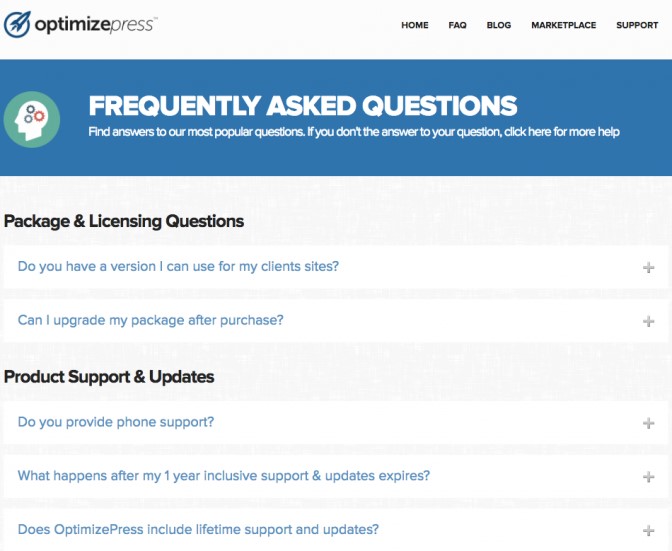 It will be like creating an About Us page but with more details. Being a digital marketer, I checked hundreds of FAQ pages each day. I am curious about what the elements are in an FAQ page that grab the attention of the users and engage the users enough so that they are not left with any other option than buying from the brand.
Here are some tips from the best FAQ pages that you can use to drive traffic and improve the ranking of your website in Google search pages:
It will be like creating an About Us page but with more details. Being a digital marketer, I checked hundreds of FAQ pages each day. I am curious about what the elements are in an FAQ page that grab the attention of the users and engage the users enough so that they are not left with any other option than buying from the brand.
Here are some tips from the best FAQ pages that you can use to drive traffic and improve the ranking of your website in Google search pages:
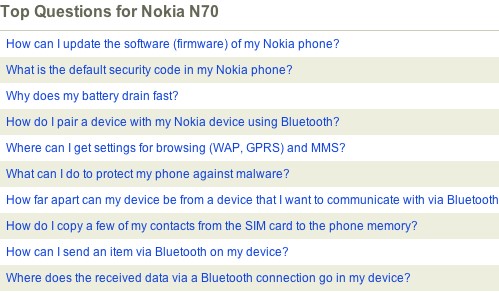
 Each question can be broken down into smaller categories so that it is easy for the customers to find what they are looking for. Similar problems can be stacked together in a group, which can help users understand what they are looking for.
 For example, if the customer is facing a pricing issue, they can directly go to the pricing FAQ section and get their problem resolved. Here the visitors don’t need to move around a lot and find deep where they can find help. The FAQ page can be handy to educate customers on the pricing strategy and anything related to pricing.


Whether you have a world-class product, or you are a promising start-up willing to get filthy rich, some customers will ask repetitive questions of you. To make those customers stop, you can provide them with a link to Frequently Asked Questions (FAQ).
A detailed FAQ page will help the company save some significant resources and give the customer a reason to buy. An excellent way to answer all the customers' queries is to use blogs, a Contact Us page, and customer support. However, the most authentic way is to answer all the questions by the customer's FAQ.
Let’s Begin with the Core Advantages of an FAQ Page
- Save customers time by giving them all the answers in one place.
- Skip the step where a customer needs to contact you for everything.
- Display a professional attitude of a company towards its customers.
- Improve your SEO.
- Customers will be able to trust you as a brand.
- When customers ask a specific question from Google, your page can appear.
- Allows you to create internal links from the website.
How to Create an FAQ Page?
An FAQ page will allow you to explain what makes your website unique. Therefore, the right FAQ page is all about teaching the core of your product or even the lesser-known products in a fully understandable format.
It will be like creating an About Us page but with more details. Being a digital marketer, I checked hundreds of FAQ pages each day. I am curious about what the elements are in an FAQ page that grab the attention of the users and engage the users enough so that they are not left with any other option than buying from the brand.
Here are some tips from the best FAQ pages that you can use to drive traffic and improve the ranking of your website in Google search pages:
1. Begin with the Cliché Questions
The best FAQ pages are not random luck. There is a well-thought-out strategy behind it. Professional design agencies take some time to identify the most common issues, and problems, and even read between the lines to know the core concerns of potential customers. A straightforward way to do this is to talk with your current customers and even those who visited your website but left on the checkout page. When you talk to these customers, who’ll know the intent of the customer and the potential customer, this will help you craft a perfect FAQ page for your users. Once you have all the questions that customers are asking, it is your responsibility to answer all of these questions in detail. It is important to know that experts say there is no need to add anything extra while answering the question. If there is a link to the product or a service page, give it and let the customer take care of the rest.
2. Move in a Logical Manner
The best FAQ pages are organized logically. As a result, visitors can skim the page and get all the necessary information in a single glance. If you create a long FAQ page, it will be easy for you to cover multiple topics on a single page.
Each question can be broken down into smaller categories so that it is easy for the customers to find what they are looking for. Similar problems can be stacked together in a group, which can help users understand what they are looking for.
3. Pick the Right Spot
Most of the website owners make the mistake of hiding the FAQ page deep down the page. The key reason is that owners treat the FAQ page as a help page where customers can come and resolve their issues.
For example, if the customer is facing a pricing issue, they can directly go to the pricing FAQ section and get their problem resolved. Here the visitors don’t need to move around a lot and find deep where they can find help. The FAQ page can be handy to educate customers on the pricing strategy and anything related to pricing.
4. A conversational Tone is Appreciated Well
To connect with customers is the real purpose of creating an FAQ page. When the sound of the page is in a conversational format, it will be easy for customers to understand the query and make it more meaningful. Your aim must be to write an FAQ page that can resonate with the potential customer. A conversational tone can also include slang language. This will give the customer a sense of closeness with the brand. Notice that the best FAQ pages are enjoyable to read and the answers feel like you are making a conversation with the customer.
5. Link to Product Pages and Landing Pages
The most engaging FAQ pages are those that use landing page and product page links within their answers. While answering questions on your eCommerce website’s FAQ page, you can provide links to the landing and product pages of your website. If you create individual landing pages for common FAQs, Google will link your site to relevant Google searches.
6. Include a Call-to-action
A CTA is an essential way of stimulating its activities even though it is not entirely necessary for your customers. For instance, a visible button can also be used to encourage them to' Buy Now,'' Get Starter,' or' Contact Us Today,' at the top of the page to act when their questions are answered. In the answers to the questions, you can also create calls for action.7. Don’t Forget the Social Proof
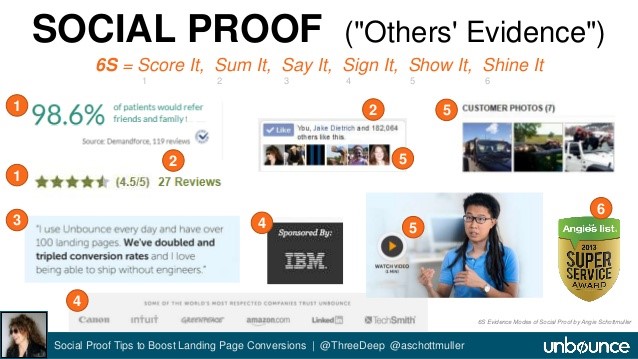
A FAQ page on an eCommerce website provides potential customers with the information they need to make decisions on their products and services. It can be useful to add social proof to the FAQ page to build confidence. Social evidence includes such things as customer satisfaction testimonials, customer logos, and security services information on your payment services. This information can ensure that your company can provide the products and services it needs securely and effectively.
8. Contact Information on the FAQ Page
Add your company contact information to the FAQ page. This not only allows customers to contact and answer their unique questions but also increases their trust in the company. It is even better to give visitors several ways to reach you, such as an email, social media profiles, fax, and telephone number.9. Invest your Efforts in the Customer
It is key to keeping your customers focused on a great website or FAQ site. Just like your products and services, you need to build your website around your customers and solve their challenges. You will always do a successful business if you keep customers in the middle. Think like a customer. How can you serve the customer? How can your business help this customer with its problem? If you can answer this question, it will give your business an edge over your competitors. You cannot hope that the customers will pick and choose your website just because you want them to. It would help if you worked hard on understanding customer intent and resolving their core life issues.Is the FAQ Page that Important?
Did you follow all the above tips? Start to find out whether you need a FAQ page. Then find out about the questions customers often ask. Then, go through the size, the places, and the funnel that will take people elsewhere. The best FAQ pages don’t let the customers leave without taking any action.Boost your Website Traffic with a Great FAQ Page
Many companies place their FAQs at the bottom of their website, which makes it hard for your customers to locate. When you can not find your FAQ page for the audience, you can't find the answers from your website that you want to sell. Because the FAQ page is also a great way to classify your business in search engines, you need to use long-term keywords and questions in real-time to draw qualified guidance. This will not only help Google find your content but will also make you a leader in your industry. This new level of confidence will help your audience to purchase and achieve your sales goals!To Wrap it All Up
For companies in nearly every industry, FAQ pages are helpful. Consider what issues your target audience may have about your products or services, what information they might need, and what decisions they might have to make before making a purchase. When building a FAQ page of your own, include all of this information.
8 Ecommerce Business Secrets That You Must Not Miss
Team Branex
Back in 2000, only 20% of people experimented with online shopping. Now, an astonishing 70% of people find online shopping a convenient way to buy things. In modern times, ecommerce business is a sure-shot way to succeed. If you have a product or a unique service, you can sell it online, and if the people trust you, they will buy from you without getting on your nerves.
However, there is a catch to it. Even if you have your product on the website, there is no guarantee that the customer will buy from you. Trust me, I have been through the tossing and turning nights, anxiously waiting for a lead.
However, how about you get some help from the experts? Won’t that be good?
Confiding in you some of my personal best, tried and tested ecommerce business secrets which when done right can boost your sales and help you generate orders.

8 eCommerce Business Secrets
1. Domain Comes First
Find a domain name which is unique and catchy, and check its availability. Register the title before it gets acquired. Good advice is that when you sit down to search for the domain, keep your credit card handy. As soon as you get an available domain, purchase it. Go for a reliable and robust hosting service provider.2. Focus on the Design Part
Your design will impact the way customers perceive your brand. If the customer is well-engaged in the first few seconds, this is an excellent win for you. There are a lot of modern-day ecommerce solutions that offer addictive ecommerce website design solutions. However, you need to have some basic knowledge of custom designs.3. What is the Structure that You’re Willing to Follow?
There are tons of options from which you can choose, which type of business structure you’re willing to opt for. It can either be a corporation, a sole proprietor, or even a partnership. Based on this structure, you’ll be able to know how much you are willing to expand your business. If you decide this in the early stage, it will be easier for you to scale your business. Many complexities occur while you climb higher in the industry.4. Make Sure to Get the Business License First
You’re running an ecommerce business. This doesn’t exempt you from acquiring permits and licenses. Study the rules of the country and the state that you are operating from. Every country has its own regulations. Getting the weight off your shoulders as soon as possible is best advised.5. Market Early, Scale Fast
They say that an early bird gets all the good worms. Regardless of the budget you have set aside for your startup, you must devise a smart marketing solution strategy to expand your business reach.6. Get Productive with Online Productivity Software
Technology can either make you or break you. To run an ecommerce business, you must provide every possible help to the customer. When the internal processes of the company are streamlined, it will be easier for your business to grow. You should use risk management software, product management software, and customer management software to take some strain off your employees.7. Keep Your Inventory Aside
Amazon started in a garage with two employees. Now operating with over 140 warehouses and 613,300 employees. To scale an ecommerce business, it’s necessary to do some inventory. Figure out your best-selling products and put them on sale. Find new ways to generate leads on those items.8. Make Your Business Scalable
This is one of the most significant mistakes that website owners make. They start from scratch, and at times, they forget the core factors that make them successful. Don’t overlook the tiny elements that turn into something colossal over time. If you’re willing to scale your business, it is essential to look into these elements and see how each aspect is responding to change. Whether you’re running an ecommerce business or anything like selling, it is essential to know what is causing some products or even a single section to draw more orders over others.Over to You
It takes hard work to generate sales and convert it into leads. However, to get it done, it is essential to follow these ecommerce business tips. The fierce competition is fierce, but to succeed, you must develop a strategy that brings traffic on your website and makes your business sustainable.
7 Website Design Ideas You Can Steal Like an Artist Without Being Caught
Team Branex
Since the year 2016, designers have been tinkering around with UX design. There have been changes in the way website designers design apps and websites. Website designers came up with personalized designs to save their users some time.
Here, we give you seven website ideas that can fuel you with inspiration and help you create better websites to impress your clients and customers and get the best buck for your money:

Robby Leonardi Studio
In an era of digital disruption, Robby Leonardi found a way to get hired as a graphic designer. His website is his portfolio. You can flaunt your brand achievements in this way. A trendy retro style inspired by the ’80s and ’90s photography. At first glance, it looks like a Mario game. Moreover, when you move forward, you realize that this man is a genius. Just check out the typography, the fonts, and how the images blend together seamlessly with the character. Everything comes together so well.CatScarf
The cat is the epitome of fanciness, faithfulness, and cuteness. Moreover, when you land on this homepage, you feel yourself brimming over with the same sentiments. The visual appeal of this page is impeccable. Thanks to sharp graphics, CatScarf took minimalism to a whole other level. The hero image dominating the top of the page basks in the limelight and instantly catches the eye. Scroll down, and you’ll see that each of the products is aligned beautifully in a transparent grid. This gives our eyes a pleasing effect and if you hover over an item, you can delve deeper into its product details page. I think every ecommerce owner should take inspiration from this website.New Acton
Are you hackneyed with the old static design? Why not take a dose of inspiration from graphic designers and illustrators who are doing great work already? You can take some inspiration from New Acton. It is simplicity at its best. Not much content, just amazing animation that will keep you engaged. The sidebar incorporates many categories. Click on any type, and you’ll see relevant animation playing at the entrance. Just a cool way to grab the attention of a new user.GC watches
Time is an essential commodity. If you don’t want your customers to leave without buying anything, the best way is to show the products straightforwardly. GC Watches is one of those website ideas which will force you to simplify your ecommerce store. The oversized typography makes for better readability. The crystal-clear photos and the high-definition zoom for every watch will entice every watch aficionado. The simplicity of this website makes it a perfect website design idea that will generate sales.Big Commerce
For anyone who has no idea how to show their services seamlessly, Big Commerce is the perfect example. A simple tagline that communicates what the business is all about. The packages are in front. Regardless of the size of your business, you will be presented with several categories that will let you choose from your favorite list of industries. Case studies, testimonials, and the use of images to steal the attention of customers and show them what the brand is offering makes this website steal the limelight.Howard Yount
A potent trio – An exuberant background, a colossal title, and a clear message right in the front. If your user is not a competitor of Howard Yount, there is no reason for them not to be impressed with such a direct approach. Customers love companies that give them offerings without letting customers dig deep into the sub-pages. The overall design of the website is simple yet impactful.Take What You Can Carry
A not-to-miss website with cool website design ideas. The entire website seems to be floating in the air, allowing so much room for free space. Just check the alignment of words. The design by Matt Porterfield makes it necessary to take some inspiration from this design which blends vertical and horizontal text with perfect alignment.Closing Thoughts
We've been trying to curate the best of seven cool website designs for you. As you would know, a website that is unattractive or poorly constructed harms your business more than helps it. Stay abreast of industry trends and follow all the CRO principles to create the best website design for your business. Assess the efficiency of your website design based on the number of visitors, bounce rate, and conversions.
Sayonara Old Rusted Marketing: Brands are Focusing on Customer-Centric Marketing
Team Branex
What started from scratch has a net worth of around 2 billion dollars today. Of course, multiple variables come into motion which helped Amazon succeed, but regardless of everything else, one thing that generated the most revenue was its customer-centric approach to marketing.
Everything that Jeff Bezos did was to create convenience for its customers to marketing. You can follow the same approach to get more traffic and convert them into leads.
Simply. a few years down the road, Google started updating its algorithm. At that time, yearly updates were the norm. However, finally, Google came across a metric that narrated the whole story of why some websites can generate more sales than others.
The one and only, customer-centric approach. This is why the latest algorithm of Google requires marketers to do everything which can cut down on the search time for the customer so that they find everything in a matter of few clicks.
"We see our customers as guests to a party, and we are the hosts. It's our job every day to make every important aspect of the customer experience a little bit better." ~Jeff Bezos
 It is prioritizing customers over every other thing. By using some data, intuition, and an ounce of common sense, you must gather all the information that your customer is looking for and offer it to them, so that they can come to you and share it with their friends.
Here are four ways in which you can infuse customer-centric marketing into your brand.
It is prioritizing customers over every other thing. By using some data, intuition, and an ounce of common sense, you must gather all the information that your customer is looking for and offer it to them, so that they can come to you and share it with their friends.
Here are four ways in which you can infuse customer-centric marketing into your brand.
What is Customer-Centric Marketing?
It is prioritizing customers over every other thing. By using some data, intuition, and an ounce of common sense, you must gather all the information that your customer is looking for and offer it to them, so that they can come to you and share it with their friends.
Here are four ways in which you can infuse customer-centric marketing into your brand.
See the World From Your Customer’s Lens
You can take a day off without informing your manager. You might be excused. If your idea fails. You might be forgiven. However, if you displease a customer, you’ll be fired. Yes. This is life at Amazon. You don’t just have to serve the customer; you must understand the world from the eyes of the customers. A marketing person might know everything about your brand, but if the customer doesn’t have a clue about your product, you can’t sell them on its merits. Your customer needs to know what your company does at a single glance. Otherwise, it is just a shiny object on the website. It is said that the angriest customers teach you the most. When customers get angry at you, you have the opportunity to either fire them or learn from their anger. The modern-day approach is to solve the problem of the customer. If the customer has a problem and you can provide a solution, they will become your loyal customer. And not just any customer; they will become your raving fans. Entrepreneurs can use psychological triggers to understand what the customers need and serve them. Some brands use urgency to attract customers, while others use simple fonts to persuade their customers.Don’t Make Them Angry
How many times have you visited a website and left without ordering anything just because it took too much time to pass the shopping cart? Well. I had tons of experiences like these. Moreover, it was quite frustrating for me. Your customers are on your website to solve a problem or use a service. Please don’t make them second-guess what to do next on your website. Make your website so intuitive that even a simpleton can use it without facing any problem. The core of any business is to make a sale. If the customer cannot pass your front page, what is the point of developing a website in the first place?Use Relevant Metrics To Understand Your Customers
Without the right data, it is impossible to understand your audience. Here are some ways in which you can measure the right metrics of your customers.1. Aided Recall
How do customers recall your brand with just a little help? Can they remember it in the first few seconds of the ad or recognize the brand? Is the logo recognizable, or are there other colors which are getting more attention? The aided recall is the measure of how many people have knowledge of your brand and promote the product.2. Unaided Recall
Does your brand come to mind without reminding customers? For instance, when people ask about buying books online, Amazon comes to mind. Is your brand the Amazon of your niche?3. Sentiment
How does your brand make customers feel? Do they feel safe, neutral, or negative while purchasing products from your brand? You can survey your customers and ask them specific questions that relate to the feelings of your brand. This will help you recreate a brand reputation which will be loved by your audience.Give Customers the Experience of a Lifetime
A lot has been said about generating sales for the business, but do our customers love us? If given an alternate option, will your customers leave you? What is the experience you are providing to your customers? From awareness to the final purchase, ensure that the experience you’re providing is a seamless and consistent one.Learn more about modern development technologies at Google Developers .
