Blogs

Add the best talent on the market, an agile skilled management & seamless involvement.

Blog Main Image
Roadblocks for Ecommerce Store Owners
eCommerce Guide

8 Roadblocks For E-commerce Store Owners And How To Solve Them

branex-logo Team Branex
There is a special feeling you get when you experience something for the first time, when you become an owner of an E-commerce Store. I’m sure you don’t remember the first step you took as a toddler. The softness of the carpet, the rush of blood to your head, the raptures of glee, the peals of giggles erupting from your lips. Although you were not able to explain the feeling at that time, that memory must linger with you in some form. People don’t usually forget their first of anything. The first job. The first business. the first love. And the first sales. I remember when I received the first order for my e-commerce website, I jumped for one straight hour in excitement. However, it’s only when the initial joy and thrill run their course, does the reality of what lies ahead creep in. For instance, e-commerce store owners face a good deal of trouble when starting their e-commerce store or generating sales. The toughest part for an Entrepreneur is to take the plunge and outdistance themselves from their competitors. Here are 8 challenges that e-commerce owners face while starting their e-commerce store and how to solve them:

1. Your Loved Ones Already Know, Now What?

Don’t you have anything productive to do? Why are you wasting time & money on a useless idea? What is the point of leaving a viable job and walking on eggshells? These are not just random solicitations. These are a few questions I was bombarded with when I told my family and friends that I was launching my e-commerce website. I tried to explain from eight different angles, but everyone thought I was wasting time and my hard-earned savings on a useless idea. I took to my library, switched off my phone, and even tried to avoid all the conflicts as much as possible. If only I could peek into the future at that time and flaunt my future sales report to show them that I was not wrong. I realized that at the end of the day, it was all about what matters the most. And thanks to some good old self-help books, I learned how not to sweat over the small stuff and look at the bigger picture. Will these questions matter after 5 years? I guess not. And this is what kept me going day in and day out.

2. Piles of Products

You imported thousands of products just because you were too excited about your idea. Now, these products are lying forlornly in the recesses of your garage. The core of the issue is that when you create a website using some e-commerce platform, right in the front it shows that you just have 20 products in the store. This makes you crazy. What? I’m just selling 20 products. And you take out your credit card and order tons more products because your competitors have 500+ products in their stores. Good Entrepreneurs invest time in doing market research. Instead of ordering 200 products. Order just 25 products and make an ad on Facebook, pen down an attention-grabbing ad copy, and you’re all ready to make some sales. There is an unlimited amount of potential to market your products. Devise a marketing plan. Study the life of uber-successful Entrepreneurs and follow what is working for them.

3. Fear of Failure

Most Entrepreneurs start to develop a fear of failure after the initial tremors of criticism. The internal dialogue goes like this:
  • I’ve failed at so many things. What if I fail at this too?
  • What if people don’t buy my products?
  • What if people don’t trust my products?
The thing with failure is that, if you don’t experience it, how will you move out of your comfort zone? fear of failure for e-commerce store If you don’t succeed the first time, there are so many other ways in which you have room to succeed. It’s all about the mindset. Instead of treating every failure as a setback, change your internal dialogue and treat it as a character-building day. Of course, you’re allowed to be sad for a night. But not more than that. Take the failure and fuel yourself for success. Instead of treating it as a failure, call it a preparation for your success. https://www.youtube.com/watch?v=bujIb_sQZvQ

4. Choosing the Wrong Products

You have this amazing product. You started promoting it. No sales yet. You wait for 2 days and still no sales. One week and still no sales. If there are no sales, how will you pay the bills? Maybe there is nothing wrong with the website design, the usability of the website, and the marketing that you’re doing. Maybe it’s just that you’re selling the wrong product or the right product to the wrong target audience. There are tools on the internet which will help you search for the top-grossing products. Never make the mistake of selling the right product to the wrong market and vice versa. Let’s be honest. Facebook won’t get you to skyrocket your sales if you are selling it to the wrong audience. You must experience the products with different people. Diversify your target audience until you hit the target.

5. You Freeze Up

You spend the night dreaming about your online store. And you did well at the start. Suddenly you get the impression that something is not right. You face a calamity and think that perhaps you missed out on something. In short, you’re freaking out. Brainstorming and turning your idea into reality are two different things. Mostly, Entrepreneurs freeze up because they have bitten off more than they can chew. In a limited amount of time, they must keep watch on the competitors, generate new ideas, close some big guns, and synchronize the team on a single goal. Whenever you feel like quitting, the best thing to do is to start breaking things into smaller chunks and analyze those blocks. Be it a grand project or a seasonal event that you need to handle, there is always a solution for it. You cannot do all the things yourself which is why you need to hire people who are smarter than you. Assign tasks and trust your gut feelings.

6. Where to Start?

This thought plagues most e-commerce store owners right before launching the store. So many products, so many payment gateways, and so many variables to deal with. Who to trust? And who to fire right at the start? One common trait of highly successful people is that they read a lot. Buy every book you can and attend every seminar on how to start a business? Listen, read, and apply the strategies that seem to be working for other people. Simply reading the books won’t be enough. You’ve to execute stuff fast. As Seth Godin quotes in his blog, ‘Even if the product is not ready, ship it fast and make it better later!’ If you think that some idea is not good enough. Execute it on a small scale and see the response. Overnight success is a myth. You must work hard on every aspect of your startup.

7. Don’t Get Lost in the Blackhole of Negativity

It’s easy to lose your way in the vast chasm of negativity and question everything before the launch. The sleepless nights might force you to delay your business launch. One small problem can escalate and throw you into a cycle of negativity. When you find yourself spiraling downwards, you can start asking questions to clear away the clutter. Will this matter 5 years from now? What is the best that you can do in this situation? Who is responsible and what is your responsibility in the matter?

8. Create Engaging Content

You might be the greatest marketer, but if you lack useful content writing skills, you’ll be doomed. In the start, Entrepreneurs might be apprehensive about writing stuff for the brand. If you read well, you can write better. Pick and choose writers who are doing great. Subscribe to Copy Blogger, Seth Godin, Forbes, and Fast Company blogs. Check how they are creating the content Use persuasion to create attention-grabbing content. Be it a company page or a product description, ask yourself. What will force the users to pick your product over others? Inform, Educate, and tell your customers why your product or service can solve their problem. And write that for them to read.

Conclusion

As humans, we all experience obstacles in our lives. The mental barriers that we create usually create a roadblock for us. Sometimes the easiest way to move out from negativity is to ask yourself different questions. Other times you’ll need a little practice to throw the negativity away and get back on track. Failure is not a bad thing. But making the same mistakes again and again will cost you a fortune.
Famous Business Schools
Business Tips Entrepreneurship

What Lessons Famous Business Schools Won’t Teach You?

branex-logo Team Branex
I’ve always dreamed of becoming a billionaire to run my own business. Having enough money to buy a Lamborghini without having any second thoughts. But then it occurred to me that there is a lot of demanding work involved before I realize my aspirations. The answers aren’t all peaches & cream, but this doesn’t mean there is no hope left. The interesting part is that in this era, there is no need to experience everything ourselves. There are lessons gleaned from successful people around us. From a distance, it seems like there are a lot of lessons we can all take away from business schools, such as those that emphasize planning and making informed decision-making. Regardless of how well the professors teach, they cannot instill in us everything. At the end of the day, there will still be some things they don’t teach you in business school. Sure, you can ask a few questions before joining a medical school or even an engineering degree, but this doesn't mean that you'll earn a lot of success early in life. I am extremely sorry to murder your sweet dreams, but getting an MBA degree alone won’t be a ticket to your success. But the prudent choice you made by reading this blog will indubitably make your wallet a tad bit heavier. But in terms of lessons learned, you’ll get to know what things you need to consider if you’re willing to start a business or work for a budding startup.

Lessons Learned Outside the Business School

1. How to Act Like a Leader?

Some say that leaders are born, while others say that leaders are borne of the circumstances they face while pursuing their grand dreams. According to a survey conducted by Harvard Business Review, out of the top 100 best-performing CEOs, only 24% hold an MBA degree. For a leader to be successful, there are leadership skills which cannot be learned in a classroom. You must move out of the classroom to know your strengths and weaknesses.

2. Not Everything Can be Solved on Paper

There is no single way to success. In a business school, you’re taught theories and principles from highly successful brands. While it is okay to know what worked for them, it is also important to know that it might work for you. To succeed in business, you need to move away from paper and do some practical work. On the long arc of life, you’re either falling backward or falling forward. You must figure out everything that comes to you.

3. How to Develop & Forge Good Relationships?

“If you want to go fast, go alone. If you want to go far, go together.” ~African Proverb In life and business relationships lead to more sales. If you take some time to build your soft skills, your business will grow. In a business school, you’ll learn a lot about principles, theories, and even how to grow your numbers to maximize your sales. But hardly anyone will teach you about forging relationships and closing more sales. Until you meet great people you won’t learn tricks of the trade. Meeting people will help you to learn how to interact with people and attract them towards you without freaking them out. https://www.youtube.com/watch?v=7-UfI2BZ0cU

4. How to Start a New Business?

A business school will teach you how to do research, how to make a budget, choose a great business idea, and so on. Despite lessons learned, starting a business is more about generating an idea. Do you have to learn how to build a billion-dollar business without spending time? And they don’t teach you this in high school. To build a successful brand, you can start in your parents’ basement, but to grow your startup from zero to a billion dollar you need to learn from people and successful businesses around you. Know people so they can invest in your business and make you a millionaire. And for that, you need to learn everything outside the business school.

5. Get Great at Instant Problem Solving

Business models are important. But sometimes it takes more than a set of rules to grow your business. When the conventional wisdom ends, there lies an opportunity for an Entrepreneur to surpass their limits and make something worthwhile. Problem Solving To Grow Your Business Business schools teach you about following rules and solving each problem with the help of a business model. While in real life there is no one way to solve a problem. Good businesses solve problems faster than their competitors. At times the usual solution doesn’t work and then what businesses do is think outside the box, and successful businesses even reward their employees for solving creative problems. Nothing of this sort is taught in business schools.

6. Taking Risks is Prohibited

MBA programs are designed in a way which limits the ability to take risks. If you take risks, you’ll fail, and failing is not an option in a business school. But without failing you cannot succeed. When it comes to weighing opportunity over potential failure, you are bound to follow certain rules and formulas in a business school. While if you don’t take risks how will you explore the depth of your pond? Unless you’re comfortable living in a shared apartment you must choose from your comfort zone & start taking risks.

7. How to Whip the Office Politics?

Regardless of how good you are as a human being, there will always be some black sheep around you. Mostly, business schools will teach you a lot about SOPs and the internal workings of an office, but what they don’t teach is how to deal with mongrels? Starting from the top-level management right to the low-level employee, this is one thing that you can only learn on the go. It is up to you. You can either create an environment of fun or you can create a never-ending cycle of problems and challenges.

How to Outdistance Your Competitors Without Killing Them?

While you’re in a business school competition keeps you alive. You’re motivated to stay ahead of the curve and get good grades. But it doesn’t teach you how to utilize your strengths & overcome your weaknesses. Despite crying real-life competition will teach you how to survive and do head-to-head competition.

1. Stop Being Logical & Start Trusting Your Instincts

“Never discredit your gut instinct. You’re not being paranoid. Your body can pick up vibrations, some better than others, and if something deep inside you says something’s not right about a person or situation, trust it and keep pushing.” Anonymous Ultra-successful entrepreneurs would prioritize their instincts over anything else. Your intuition will realize the vibrations and make course corrections along the way. While pursuing an MBA program, there are lessons learned in the books. But apart from the books, sometimes you need to trust your guts and take guidance from a higher power.

2. Goal Setting

While in an MBA program the only goal you need to worry about getting higher grades than your friends, in business you must sit down and make some long-term goals. Goal setting makes you accountable and ensures that everyone in the team is going in the same direction. With a single business goal, there is more chance of succeeding than just getting good grades in your MBA course. https://www.youtube.com/watch?v=GOfl2sbgPhk

The End

“Imagine if you will be being on your deathbed – And standing around your bed – the ghosts of the ideas, the dreams, the abilities, the talents given to you by life." – Les Brown I am sure you’re not planning to die with your song buried in your heart. If you’re serious about leaving a legacy behind, start learning and get ready to embrace every setback you get in life.
Wonderful Communication Tools
Innovation Productivity

5 Surprisingly Wonderful Communication Tools You Need To Start Using Right Now

branex-logo Team Branex
Effective communication is like a clever design. If the design is not simple, how will the user relate to it? Every word that you say should have a reason behind it, and every idea that you deliver should whisper a message to the listener. If the design is complex, how will people understand and relate to it? Communication plays an important role in all business models. It can make or break a company based on how it is handled. This is why it is indispensable to learn how to communicate effectively with a client, a business partner, or even your family members. It falls on Entrepreneurs and business managers to determine the right communication tools for their companies. This applies to both internal and external business communication tools. Let’s look at the 5 communication tools which served me right and helped me take my business to the next level.

1. Video Conferencing with BlueJeans

Everyone has their own way of attending and conducting video meetings. For me, BlueJeans fits the bill. It is a cloud-based video conferencing tool which can make your meetings more productive. The good thing is that the service is not just limited to a web browser, you can even use a mobile to attend the conference. Just choose a meeting venue and get started even from your home. BueJeans for Communication Tools Schedule your meetings on Outlook or integrate with popular business apps. Even if you don’t have an audio/video compatible phone, you can use any phone to join in the meetings.

2. Give a Boost to Productivity with TaskQue

If I can pinpoint one tool that saved me tons of time, I can proudly name TaskQue. I started using TaskQue two years ago, but now I thank my friend who discovered this wonderful tool. You can prioritize your tasks and even assign them to your idle resources. A project can be assigned to multiple resources and you can manage all of them under a single workflow. [embed]https://www.youtube.com/watch?v=0D3TKNnH5Cc[/embed] Eliminate the hassle of back-and-forth communication by collaborating under a single window. An amazing communication tool that helped me finish off projects ahead of time.

3. Zoom

If you’re looking for something on the lower end of the price spectrum, Zoom is for you. Video conferencing combined with cross-platform messaging and file-sharing features, makes this tool utterly fabulous. Zoom lets users conduct all types of online meetings, such as video conferences, one-on-one, training, and webinars, on the go. The service can be used on mobile devices as well as on desktops. It also incorporates a developer feature which can help you integrate video, voice, and screen sharing, and even apps which are already used in your company. The free version of Zoom can do one-to-one meetings and for groups, you can use 100 participants to take part in the meeting. A paid version offers admin tools, additional integration, and slight customization.

4. Zoho Meeting

Hold meetings and share live product demos with your team and customers. Zoho meeting is a comprehensive meeting solution that can help teams support remote working, and help businesses lead live meetings with prospects. You can sign in with Google, Facebook, or Yahoo accounts. Just enter the meeting ID and you’re all set to join the meeting room. You can hold product demos for your nearly launched products as well.
5. ClickMeeting

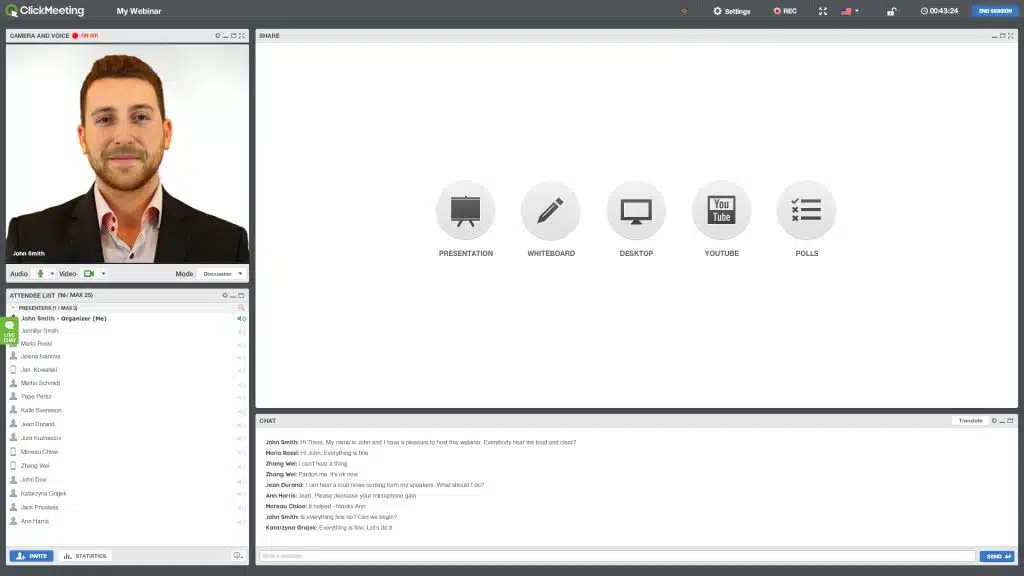
For businesses that give a lot of presentations, ClickMeeting is the right choice. You can even prepare your brand before the meeting. Brand your presentation with logos, theme, and even slideshows. dashboard During the presentation, you can add Q&A, polls, and CTAs. The webinar can also be saved for later viewing. One splendid feature is that you can add 25 attendees at any time. The enterprise edition lets you add up to 5,000 attendees with an option of multiple presenters.
To Wrap it All Up

If you’re not making mistakes, you’re not growing. Even the best communication tools can sometimes fall short. There are embarrassing mishaps that can have serious repercussions. On second thought, we believe that every employee deserves a second chance for poor judgment. Productivity benefits when employees aren’t spending time trying to figure out how to explain or make up for a communication misstep.
How to Use Minimalist Advertising to Generate Leads
Business Tips Guide

How To Use Minimalist Advertising To Generate More Leads?

branex-logo Team Branex
Minimalist advertising focuses on simplicity and clarity, cutting through the clutter to deliver a clear, impactful message. Leonardo da Vinci once stated that Simplicity is the ultimate sophistication. Steve Jobs said, “Simple can be harder than complex: You have to work hard to get your thinking clean to make it simple.” The architect Ludwig Mies van der Rohe also agrees with the notion that Less is more. They say people die but their work stays with us. To ponder, to reflect, and to make good use of it. Even after half a millennium, the words of Leonardo da Vinci ring true. In the modern-day, minimalist advertising is something brands are leveraging to generate leads. It’s hard to believe Steve Jobs himself said that it takes more brain power to design something simple. And when minimalist advertising is done right, it can leave an impact which can drive action from users. Seth Godin in his latest book “This is Marketing”, highlights the power of using emotions to drive action. ‘It is not necessary to make complex ads; if you want to engage customers, work on their emotions.’

What is Minimalist Advertising?

The marketers are suffering not because they are not creative enough, it’s because they fail to offer something different. Minimalist advertising is all about clearing out the mist to gain instant attention. Being out there and not generating sales is an exasperating experience. Do you know that overwhelming users with mountainous choices can leave them confused? And instead of taking any action, they end up not buying at all. Chip Heath and Dan Heath in their best-selling book “Made to Stick”, talk about the Jam experiment. In a study conducted by Sheena Iyengar and Mark Lepper from Columbia and Stanford University, shoppers at an upscale market were presented with 24 gourmet jam flavors and were promised a discount voucher upon sampling the spreads. On some other day, only 6 varieties of jam were on display. The psychologists concluded that while the larger display attracted more crowds, people bought way more jams from the smaller display. This, in a nutshell, is minimalist advertising. Using the power of simplicity to drive users to make one solid decision. If you go through the minimalist M of any professional digital agency, you’ll conclude that they are breaking the pattern with simple marketing. For instance, take the example below: Minimalist Advertising An ad created by Richter7 is a perfect example of how to turn heads with minimalist advertising. No complex design patterns, no hidden messages. Just a simple to-do action that will compel users in the throes of marital troubles, to contact StongerMarriage company. As marketers, it falls on us to capture the attention of our consumers straightforwardly. Sometimes, minimalist advertising might seem less productive but when done right, it can help you land sales and establish a long-term bond with your customers. Let’s take a hawk-eye approach to analyze some of the most outrageously simple minimalist advertising campaigns:

A Powerhouse of Imagination: LEGO Genius

When it comes to imagination, nothing beats the fancy of a child. Time and again, LEGO came up with creative, thought-provoking ads that captured the attention of kids. In this ad, three pieces of LEGOS are put together, with their silhouette forming a tank. The consumers can easily recognize the imaginative and playful promotion of the LEGO brand. lego simple ad in minimalist advertising Brands can learn a lot from minimalist advertising. Regardless of your budget, you can always come up with something simple and creative to send a powerful message to your audience.

Brand Recognition Combined with New Product Launch

Brand recognition is at the heart of every brand. Organizations spend a hefty amount of money on their branding, but what if that branding can be combined with advertising and product promotion? Coca-Cola did an amazing job of promoting its new lemon flavor drink by peeling off a lemon in a C shape to resemble Coca-Cola's iconic logo. This ad sets a brilliant example of combining brand recognition by promoting a new product. coca cola lemon minimalist advertising

Make a Statement with Samsung’s New Speakers

The amazing thing about minimalist advertising is that there is no need for any special tools to compose an ad. You can use everyday items to create something fascinating. Look at this ad by Samsung that aims to promote knock-out power speakers. Not just promoting the product, Samsung applied the product colors to the theme to introduce familiarity with the product. Brand familiarity brings higher ROI while an unknown brand or even a product can lead to lower ROI. To make a statement, try to pick objects that are already in the minds of your consumers and figure out a way to relate them to your product.

Nothing Wrong with Orbit Remote Cars

At a glance, you might think that something is wrong with the Orbit ad. But a closer look will reveal that the ad is a brilliant attempt to convey a crystal-clear message. The remote car starters can work even from a distance. Now what makes these simple ads so promising: They stay true to the brand: All these ads have product and brand colors that give the feel of the brand itself. This is the easiest way to promote your product and remain relevant at the same time. Few words with more impact: All the ads have limited text with well-thought-out images. The ad is simply attention-grabbing and connects with the users on an emotional level. The Company Logo: All ads incorporate the company logo to remind customers of the brand. The logo itself is a reason to trust the brand and make a purchase. Each ad is crafted with care: While it seems that it only took minutes to design these ads, there is so much energy and deep thinking involved. From branding to product promotion, every aspect of the brand is meticulously crafted. Not an exact science: Creativity is not an exact science. But it takes a whole lot of energy to create minimalist advertising campaigns that resonate with customers and make them loyal to your brand. As per the words of Don Draper: “Make it simple, but significant”.

Single Page Website Design vs Multi Page Website Design
Web Design & Development

Single Page Website Design vs. Multi Page Website Design

branex-logo Team Branex
Making the right choice can become tough at times. Choosing between a single-page website design and a multi-page website design can turn into a cumbersome task. We live in a day and age where mobile devices and social media mark the norm of society. People want speedy, responsive, and simple-to-use solutions, and in such a case, nothing works better than a single-page website. Single websites are now among the most popular web trends to date. As much as single-page websites are getting their respective fame and recognition, multi-page websites are more trusted and are commonly known among users. Hence, you can’t make a call! It’s not that easy. So, what is the best way to decide whether your business needs a single-page website design or a multiple-page website variant? If you still feel doubt nagging at you, let me help you choose.

What is a Single Page Website Design?

Single Page Website Design A single-page website design is considered a pageless design. In this type of website design, the entire website content is summed up in a single page mapped on a powerful marketing strategy. Such websites often capitalize on a mix of codes in tandem with high-dynamic elements and involve languages such as JavaScript, jQuery, CSS3, and Ajax to complete the functionalities of the page. When a user interacts with a single-page website, the navigation links automatically take the user directly to the relevant part of the content or features discussed on the website page.

How Single-Page Websites Can Be a Good Option?

One of the many reasons that single-page websites are gaining significant popularity among most entrepreneurs is that it is a clean and comprehensible design. With single-page websites, you end up with minimum UI clutter, and the content is broken down into smaller chunks which are easily digestible by the audience. They also create an interactive journey for the audience visiting your website. Since there are no pages, users can easily navigate their way linearly down the page by simply clicking on an option. The storyboarding of the website is conducted in such an incredible way that you can clearly absorb the message from the beginning through to the very end. A plus side to the easy linear navigation system installed on the website is that it readily converts users. According to research, a single-page website design can lead to an increased conversion rate of up to 37.5% on average, as compared to multi-page websites. Since the process is smaller and people have the attention span of a goldfish, single-page website designs work marvellously for various kinds of audiences. Moreover, single-page website designs are also responsive and hence, they work best with mobile. Also, the content published on the website is present in smaller chunks. And can easily map on smaller screen mobile views perfectly. Not to mention, scrolling on the touchscreen becomes incredibly smooth.

What is a Multiple-Page Website Design?

Multiple Page Website Design On the other hand, a multi-page website design is quite the opposite of what a single-page website design is. In a multi-page website design, the content is widespread across a number of pages. Such designs are best for big businesses and large organizations that offer a variety of services and are content-intensive. It is actually impossible to cram all the products and services on one page for such an organization unless you want to expose your audience to a lifetime of scrolling! Here, having a multiple-page website design is an understandable option. Such website designs are proliferating across the Internet. Since these websites have been around for a while, they are more trusted by those who consider archetypal websites.

How Multi-Page Websites Can Be a Good Option?

When we talk about multi-page websites, there are three main advantages. One of the best benefits of a multi-page website is unlimited scalability. You can keep adding as many pages as you want and expand the navigation in accordance with your preference. For example, you can remove the top navigation bar and replace it with a menu list that can easily redirect the audience to the desired services. Moreover, the navigation flow of the multi-page website provides higher ease of accessibility. Since the website design and architecture date back to the 90s, users are incredibly familiar with the design. As long as your website navigation flow is understandable, you are good to go with such a design. Besides, multi-page websites are designed in such a way that they have powerful SEO capabilities. Although digital marketing plays a vital role in performing effective SEO, more pages translate into greater results.

Single-Page Website Design vs. Multi-Page Website Design

Single Page vs Multi-page Website Design I hope this post helped you grasp the differences between single and multi-page design websites. To give you more clarity on which website pages are effective for what purpose, here is a small, valuable debrief. If your aim of launching a website is to narrow down the focus on incoming visitors and encourage them to perform a specified task, such as donating, subscribing, or purchasing, a single-page website is your savior. It is also a mobile-first design, which makes this type of website a source of better exposure. However, if your website aims to represent an entire company that offers multiple services or a wide range of products to sell, a multi-page website design is a great option for your business. Multi-page website has an enormous potential to represent a brand, and it sticks to a traditional navigation system which is something truly great for your SEO strategy. However, there is no particular rule of thumb that dictates which website solution will work best when the purpose is to put your content in front of the audience. Are you still not sure which is the most probable solution for you? Talk to us! Let us help you decide which design works best for your organization or business.
How To Rock the Social Media Space Without Posting
Digital Marketing Guide

How To Rock the Social Media Space Without Posting Anything?

branex-logo Team Branex
Relationships can either help you cope with stress or get you into more stress. Social media is a medium to connect with people and establish relationships. If you’re a brand that aspires to increase your social media presence, you have two options. Either to contact a sophisticated social media agency to do it for you, or to follow the tips mentioned in this blog and beat your competitors in the first knock. You might be thinking there is no rocket science in using social media to promote your brand, but what if I tell you that you can even outsmart your competitors on social media without posting on social media? Before you think I am a downright lunatic, hear me out. When I first heard about the concept, I was just as flabbergasted. After all, with 1,500 items per day vying for the top position on a Facebook user’s News Feed, won’t posting 6 times a day instead of 1 really help you break through the noise of the social networks? But once I applied these tips, things started working out too well for my brand.

Be Consistent with Your Branding

If you want to be taken seriously, be consistent. Why do you think famous brands like Coca-Cola and Nike keep re-branding their products? When their products are already undisputed leaders, what is the point of branding at all? The best way to stay in touch with your customers is with the help of social media. Brands leverage social media to connect with their customers and put their stories out there. If the story doesn’t have a solid foundation, how will it grow? A solid foundation translates into being consistent with your branding efforts. The problem with brands these days is inconsistency in their branding on social media. They use various messages across social media platforms without thinking about the consequences. It is good to change the message with respect to the demographics of the audience. But if your colors, alignment of text, and logos are not consistent, it will drive your customers crazy. Inspect all your business profiles and scrutinize whether the message is clear from the customer’s point of view. Here are a few things that you need to look for:
  • The company description.
  • Website URL.
  • Typography and colors should align with the overall branding.
  • Consistent imagery
If you want people to connect with you, you must be there for them. Some people prefer contact by email, some by social media. It is indispensable to stay consistent so that people can contact you with whatever medium they deem convenient.

Network with People from Your Profiles

When Tony Hsieh launched Zappos.com, he wanted to connect with people directly. So, instead of hiring a social media agency, he started managing the company’s Twitter handle himself. He tweeted behind-the-scenes happenings, heeded the rants of frustrated customers, and turned those customers into raving fans with his communication and persuasion skills. Unless you’re Gary V, who doesn’t need communication lessons to lead people, you need to use all your social media profiles to entice your audience. Connect with them. Hear them out. Sometimes, even the biggest problems can be resolved simply by lending an ear.
93% presence on social media
Add people to your Facebook friend list, follow them on Twitter, and connect with clients on LinkedIn. With a personal profile, people will feel relaxed and share all their concerns. If you listen to people well, they will market your brand themselves. When you start interacting with people, work on your relationship. Listen to their problems, and if possible, hang out with them. And when they’re ready, pitch them your product. People feel safe communicating with a personal account rather than an anonymous account.  Start small and cultivate a network of people. And when the time comes, turn those people into clients.

One-to-One Conversation is a Blessing

Gary V realized the potential of direct messaging in the year 2012. If you want to get more leads, you need to hustle more. Don’t just spend time reading posts. Take time and send out messages to people. Start from Twitter, use Instagram, and even LinkedIn to connect with your potential clients. Here is how you can do it: Not just clients; you can use private messages (PM) to pitch your business to potential investors. Just avoid these mistakes while pitching your product. Join LinkedIn groups for Entrepreneurs and build relationships with them. Before you even pitch your product or message your contact with your business proposal, use these tips to add value first:
  • Share an interesting article with them.
  • Send a personal greeting on their special occasions.
  • Thank them randomly for something they shared.
  • When you first connect with someone, thank them for accepting the request and hold out the olive branch by offering to answer any queries pertaining to your niche.
  • If you’re working on something, solicit their help. It makes them feel special and important, and automatically creates a rapport with them.

Be Proactive

Generally, the way brands connect with their customers on social media is primarily reactive. They wait for customers to break the ice. Either complain or praise the brand so they respond to it. If you want to conquer the social media realm, you need to help your clients with their problems. How about referring your friend, who is a website developer, to a client who is looking for someone to develop their website? Or helping the client find a freelancer for their business. These small gestures might sound aimless, but once you start helping your clients without any specific reason, your clients will remember to do business with you when they need your product.
Conclusion

You can either use it or abuse it, but what you cannot do is ignore social media. Everyone is on social media. Your clients. Your competitors. And even your friends. If you’re still not active on social media, it is time to make a wise decision and start using social media to generate some solid leads. It is not a short-term investment, it will develop trust, loyalty, and transparency with your customers. What methods do you use to develop a strong relationship with your clients? Do you use one medium or all of them? Can you share some tips which helped you grow your brand?
Facebook Ads vs Google Ads
Business Tips Digital Marketing

Facebook Ads vs. Google Ads: Which is the Right Fit For Your Brand?

branex-logo Team Branex
If you want to overthrow the Goliath, you need to step into the battleground. Your choice of weapon will dictate the defeat you want to inflict on the giant of the industry. The rock-solid competition requires a mega-marketing strategy that can push your brand off the ground, and Google Ads and Facebook ads dominate the online advertising space. If you want to reach out to customers, Google’s search network or Facebook’s news feeds are the places to be right now. Facebook currently boasts over two billion monthly active users, making it a hotbed for user activity. Similarly, Google Ads encroach upon the lives of billions of people each day. The “Holier than Thou” battle between Facebook Ads and Google Ads has been raging on forever it seems. it is nearly impossible to know clearly which will fit your business. Since both mediums are producing results for brands, you cannot afford the liberty of neglecting one over the other. Before diving into any one of them, start by asking two questions:
  • What is the end goal that you want to achieve?
  • How will it benefit your business?
If your answer is lead generation or sales, it means that both platforms are perfect for you. If brand awareness is your end game, Facebook is the medium for you. And, if you want to sell products, both Google can Facebook can fight to be your best friends. If you’re serious about generating leads and knowing how Facebook Ads or Google Ads can help you turn visitors into leads, keep reading;  there is a lot in store for you.

How to Use Google Ads to Get More Leads?

Use Google Ads to Get More Leads Start by searching the network. Did you know that Google Display ad campaigns reach 80% of users across the globe? Consumers who see a brand on Google Display Ads are more likely to search for the brand to know more about it. It is not just about display ads; video-based content ads work equally well. Which means there are more chances of being noticed by the consumer. The average click-through rate on display ads is just 0.08% across the USA. So, the search network is surely the best place to start. To get started, you can locate the keywords which are relevant to your business. Learn more about the Google keyword tool and get started with the keyword planner. Just start with a keyword that rubs the right way with your niche. This will give you more ideas on the target keywords which are relevant to your business. Just hit the ‘Start Now’ button and you’ll get a lot of suggestions. By using Google Ads, you’ll be able to achieve the following:
  • You’ll know how many competitors are competing on a keyword. The greater the difficulty level of the keyword, the higher the number of businesses bidding on the keyword.
  • And the bid ranges will help you discover the highest and the lowest paying bids.
  • This will give you an idea of what the competitors are bidding on and how much you need to invest in campaigns, which will be right for your business.

The Right Way to Advertise on Facebook

Right Way to Advertise on Facebook As you might have heard, Facebook advertising affords some serious targeting options. Not just that, there are tons of options for all the various campaigns. Here are a few steps which can get you started:
  • Start by creating an audience based on your previous clients and sales records.
  • You can do this with the help of a Facebook lookalike audience. This Facebook feature can help you replicate your current audience. The algorithm operates by checking the emails of the customers and matching them with their Facebook profiles.
  • You can even integrate it with MailChimp.

Images Do Create a Strong Impact

Create a Strong Impact Images are responsible for 75 – 90% success of an AD campaign on Facebook. When done correctly, images can say more than words and incite people into action. Even if you don’t want to grapple with graphic design or want to hire an expensive designer, you can make amazing designs on Canva. The ‘Facebook Ad template’ on Canvas consists of different templates which can help you create images in mere seconds.

3 Ways in Which You Can Use Google Ads with Facebook Ads

It’s not always about Facebook Ads vs Google Ads; as they say, if you cannot beat them, join them. How about using both Facebook and Google together?

1. Start with Facebook and End with Google

As mentioned earlier, Facebook is a wonderful place to build brand awareness. Get your product out there for the people to see. Create a campaign targeted towards your cold audience. In this way, you will get to people who are looking for the product but don’t know where to find it. This is when you can move on to Google Ads. In Google Ads, use your brand name as a keyword. When people recognize your brand from Facebook, they will buy your product on Google, as they are already familiar with the product. This is how you can leverage the power of both Google and Facebook concurrently to acquire more leads.

2. Use Google Ad Data to Target People on Facebook

Get to know your target audience better by looking into your Google Ad campaign. This real-time data lets you see people who are really searching for your product. Use this data to target the audience on Facebook. There are myriad options in the Facebook ad campaign, where you can sort your audience based on gender, location, household, and various demographics, to retarget your audience and glean relevant traffic on your website. Retargeting can help you cut down on ad spending.

3. The Same Audience on Both can Help

And if you’re more curious about Facebook Ads vs Google Ads, you can even try reversing the idea and seeking people on Facebook and using that data to create better campaigns on Google. One of the best features of Facebook is a lookalike audience. Dig deep into lookalike ads and see how they can help your brand grow. In a nutshell, the algorithm in Facebook lookalike works similarly to Google, which means it can work in tandem with Facebook. This will double the impact on your audience as the power of both Google and Facebook will combine to create an overall impact.

Conclusion

To wrap it all up. When it comes to Facebook Ads vs Google Ads, it is not wise to prefer one over another. There is no competition at all. You can use both and create a larger impact. Both Facebook and Google provide unique benefits for any business whatsoever. Each of the platforms can bring a diverse number of people to your website. If your goal is to create brand awareness, start with Facebook. If you want people to buy from you, use the Facebook lookalike feature to gather the audience and use that data on Google ad campaigns. Build awareness, create leads, and close them with Google Ads. The good news is that we, at Branex, are providing digital marketing services that can help you with the traffic and convert that traffic into leads.
How to Find Potential Investors
Business Tips Entrepreneurship

How To Find Investors? Places Where You Can Meet Your Potential Investors

branex-logo Team Branex
Regardless of how innovative or awe-inspiring, your product idea is, if there is no money to back it up, you will only be able to sustain your business for a fleeting time, or worse still, keep daydreaming. Well, unless you receive a random call from the producers of Shark Tank by a fluke of luck, you need to forage for finances. One of the major problems that today’s Entrepreneurs face is finding investors for their business. Amazingly, unlike old times when there were no social media and crowdfunding websites, founders used to spend their days in the garden of a potential investor, or in a networking event talking to real people. If you don’t have any idea how to pitch your product, check out pitch-deck templates that can help you persuasively pitch your business ideas. Whether you’re looking for small-term or large-scale investments, here are some ways in which you can meet your ideal potential investors & force them to invest in your business without giving any second thoughts.

Start with Friends & Family

I don’t know about you, but when I was little, I used to borrow money from friends & family to try out various ideas that kept popping up in my mind. Sometimes, it was something as simple as setting up a lemonade stand on a scorching summer day, at others, I was launching my own printing business from my room. When it comes to asking for money, friends and family are the obvious first choice. Firstly, you don’t bite your nails in apprehension at the thought of it. You know you can count on them. Second, they don’t expect a strict ROI from you. They simply invest because they believe in you and no matter how many times you mess up, it is your friends and family who will have your back time and again, without doubting your idea or efforts. connect with investors But the only thing that has changed since I bade farewell to the good old innocent days, is that back then, failure didn’t mean that big of a deal to me. If something didn’t work, I simply moved on with the next idea. Now, I have bigger responsibilities to shoulder, so I must give back even if they are not asking.

We help convert experience-driven audiences to build & transform brands digitally.

A general rule of thumb is that if you’re starting a business that requires an investment below $50,000, it is good to ask your loved ones to invest in the business. Otherwise, for investments above $50,000, you need to go for angel investors or venture capitalists.

Angel Investors

Angel Investors As mentioned earlier, an Angel Investor is someone who will invest more than $50,000 in your business. However, before you start looking for an angel investor, it is good to know some things first. Normally, an angel investor will ask for 8 – 10% of the profit for 5 years. The good thing about angel investors is that they won’t get involved in the business, as long as they are getting their fair share. As for venture capitalists, they seek serious involvement in the business and decision-making process. There is a difference between an angel investor and a VC. If you don’t know where to find angel investors, go for this list.

Venture Capitalists

If you are asking for an investment greater than $1.5 M, you need to hook in a venture capitalist. In return, they generally ask for a 30% share in the company. Take a good look at the list of venture capitalists and seek help from them. good connection with investors Venture Capitalists are more inclined toward your long-term plans. What do the figures say? When will they start getting ROI? If they are getting their money back, they won’t bug you. But, if you’re not giving them back, they will withdraw their investment, leaving you lurching by a thread.

Social Websites

Social Websites for Investors Besides startup funding sites, where you can find investors, there are social websites that can help you solicit investment for your business. I am not at all talking about Facebook or Twitter, I am talking about Quora & LinkedIn. Don’t be perplexed. Yes, actual investors are hanging out on Quora. Regardless of its core purpose, which is to help people solve their problems, it is a social hub for angel investors and venture capitalists to seek new ideas and invest in them. If you’re not using these social sites, you’re missing a good chunk of investment for your startup. Another website is “Idea of Entrepreneur”. You can pitch your start-up idea and wait for the investors to invest in it.

Crowdfunding Websites

What is crowdfunding? It is basically about gathering people to support your startup. Nearly everyone is aware of Kickstarter.com. Indiegogo is another crowdfunding website that can help you get funded for your grand idea. Talk to investors, sell them your idea, and establish long-term relationships with your investors directly. achieve goals with investors Finding the investor is the easy part, but making them realize that your business is a growing business is hard.

3 Strategies to Win the Hearts & Cash of Investors

1. Knowledge & Confidence that Your Startup is the Right Place to Invest in

While talking to the investor, you need to ensure that you have a solid plan in place. Not just a PowerPoint presentation, but a persuasive pitch as well.

2. Add Value to People

Next comes adding value to people’s lives with your product. If your product is improving the lives of people, figure out an angle that can showcase it in that way. Pass on your excitement to investors and make them believe in your product.

3. Have a Deal Ready

Do you have all the numbers in place? If not, get it done before you pitch them to the investor. Future predictions, how much return will the investor get in the next 5 years? Or when can they expect ROI?

Conclusion

If you can acquire real customers, you will be under less pressure to seek outside money. When you do, you can achieve better terms from better investors. But as a startup, you should know how to find investors who can help you kick-start your business.
5 Life-long Lessons Learn from Highly Successful Entrepreneurs
Business Tips Entrepreneurship

5 Life-long Lessons We Can Learn From Failures of Highly Successful Entrepreneurs

branex-logo Team Branex
Failures are integral to the journey of highly successful entrepreneurs, offering valuable life-long lessons. Key takeaways include the importance of resilience, where setbacks are seen as stepping stones to success, and the necessity of taking risks for innovation, even if some ventures fail. Persistence is crucial, as overcoming obstacles often leads to long-term success. It is a never-ending debate. Some say that Entrepreneurs are born while others believe that they’re the outcome of their circumstances. One way or another, each Entrepreneur came with their own set of struggles, which they dealt with and found their way out of. JK Rowling has offered hope to aspiring authors everywhere, after revealing that she was turned down by 12 Publishers before finding success with the Harry Potter books. She was a single mother at that time and barely making ends meet. Tim Ferriss faced 25 rejections for the 4-hour week before the book was published. Every Entrepreneur, whether big or small, has faced brutal failures throughout their careers. You cannot change the past, but you can learn from others and not make the same mistakes again. Whether you have witnessed the ugly face of rejection, faced a massive failure, or got demotivated at some point in life. This list will remind you to focus on the ray of sunshine peeking out from behind the ominous clouds.

1. Bill Gates – Weak Business Model

Before all the fame and money, Bill Gates was just an ordinary guy working on projects and figuring them out. In the early 1970s, Gates came up with a company known as Traf-O-Data, which aimed to analyze the data from roadway counters and create reports for traffic engineers. Weak Business Model for Entrepreneurs Paul Allen, in an interview, revealed that the business model for Traf-O-Data was flawed. Traf-O-Data totaled the net losses of $3,494. The shop was closed shortly after that. Lesson: Always start with a solid business model. Plan the pros and cons on a strategic level.

2. Evan Williams - Wrong Launch Date

The founder of Twitter faced a massive failure with his product Odeo. Although Evan worked hard on the product, the only mistake he made was launching it on the same day as the podcast section of iTunes came out. However, the side project Twitter went on to become an instant hit. Lesson: In every business, patience is the key to success. If Evan Williams had stopped creating and testing his ideas, we wouldn’t have Twitter today. Find some side projects you can count on to earn a little extra on the side. If you play your cards right, you can turn an idea into a full-scale business.

3. Jeff Bezos – Obsession Over Competitors

When Jeff Bezos started Amazon, he was laser-focused on its competitors. The project failed massively but Bezos took important lessons out of it. Speaking in an interview, Bezos shared, ‘I was so busy focusing on our competitors that I forgot our customers.’ Lesson: With Amazon, Bezos never bothered about the competitors. Right from the word go, Bezos kept his eyes on pleasing the customers. The key here is to follow the 80/20 rule. This means that focus your energy on that 20 % of the customers who are giving you 80% of the business.

4. Fred Smith – Embrace & Learn From Failure

When a video of FedEx throwing a computer went viral, it bashed the core values that FedEx held dear for its company. Right after the video went viral, instead of playing the blame game, Fred Smith took responsibility and asked his employee to upload an apology video. Lesson: Businesses fail and succeed mostly because of their values. Once the value is injected into the customer, a customer creates the pertinent perception of the company. If that perception is wrecked, it is difficult to get it back. Therefore, it is important to hold your company values close to your heart.

5. Peter Thiel – Surviving the $7 Billion Loss

Sometimes, we learn things the hard way. Peter Thiel learned the hard lesson when one fine morning, he heard that he had lost $7 billion in the stock market; a massive 90% of his total assets. Instead of blaming anyone, Peter worked hard and created two billion-dollar businesses and sold them with pride. Lesson: In business, failure is imminent. But not learning from that failure is the real failure. If you have failed, make sure that you get back up and continue on without making the same mistakes again. It is not just about failing, it is about trying things which did not work for you. Try something else.
To Wrap it Up

As we have seen, none of the people above were an overnight success. Success comes at a heavy price. And if you’re not prepared to pay the price. It will crush you and come again for you. The key is to take lessons from every failure and move on as if nothing happened. If you harbor grudges, it won’t do anyone good. The highly successful Entrepreneurs learn from their mistakes and move on with a fresh set of eyes.
Ecommerce Website Lessons from Entrepreneurs
eCommerce Guide

6 eCommerce Website Lessons From Entrepreneurs

branex-logo Team Branex
Some of the best tactics that top online retailers have up their sleeves are the easiest to execute. We’ve compiled the ultimate ecommerce lessons that online retailers have taught us. And how you can copy their exact strategies without breaking a sweat. If you’re trying to automate more of your business, you need to keep reading. In 2017, an estimated 1.6 billion people purchased goods online, which resulted in a revenue of 2.3 trillion US dollars for the ecommerce industry. And the revenue growth potential for the year 2021 is estimated to be 4.48 trillion dollars. Running an ecommerce business is not at all complicated. If you have the right guidance, you can stop being run-of-the-mill and enjoy your next holiday in peace.

1. Freebies Like Sephora

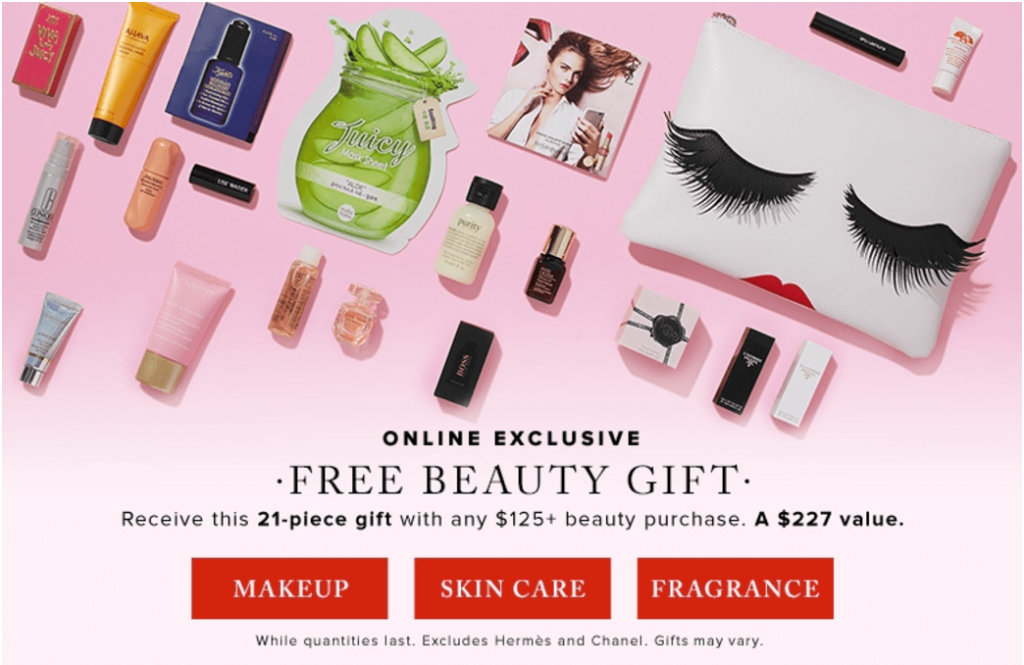
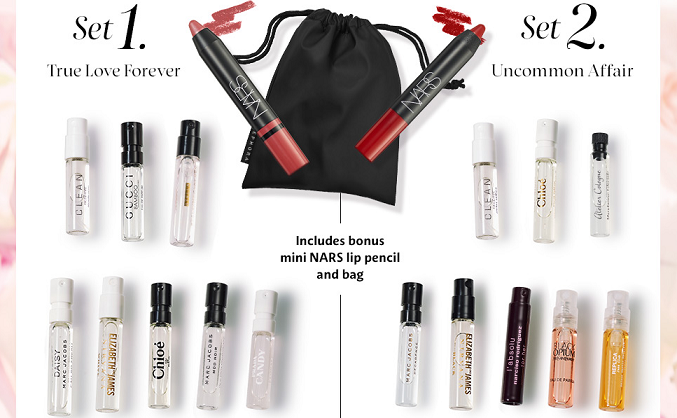
What is more appealing than adding a product to your cart and getting some freebies for it? If you’ve ever shopped with Sephora, you might be astonished at the way Sephora treats its customers at the checkout. You will get birthday gifts, loyalty bonus packs, and even free samples to make you feel special. It is not just about having so much stuff. It is also about the unboxing experience of these free items. Customers don’t just adore these trial-sized items; they fall in love with the brand, and end up buying the actual product. Sephora for Ecommerce

2. Trending Outfits by Dynamite

A research conducted by Nielsen revealed that a whopping 92% of people will trust a recommendation from a peer. While 70% are prone to trusting an endorsement from someone they don’t even know. If you struggle to match the best tie to a shirt like me, coming up with the perfect ensemble for your next big party would leave you breaking out a sweat. Thanks to Dynamite which solves this problem by displaying the trending outfits to its users. This gives all confused customers a chance to buy something trendy without feeling sorry for themselves.  And as for Dynamite, their sales per order values increase by banding together products that complement each other. So, instead of customers buying just one product, they are now purchasing a bundle of products just because they complete a chic look together and seem to be looking hip to other people. How can you do it? You can create your own gallery and sort out the products by the number of sales in that specific category. You can even offer discounts on products which are trending, as customers are already buying the product.

3. Retargeting by Hudson’s Bay

Have you ever purchased a product from Amazon but, for some reason, forgot to complete the order? Yes, I did it more than once, and in return, I got an email holding out the olive branch, offering me a discount as an incentive to make me complete my order. Surely, retargeting is something which when done right, can work wonders for you. An excellent example is from Hudson’s Bay, where the company invests a fortune in retargeting customers. Customers will be approached by a couple of ad platforms if they have abandoned their cart on Hudson’s Bay. You’ll see their ads on Facebook and Google, and even on YouTube if you have shown even a little interest in their products. The best part is that the market in a subtle way, which makes it easier for the consumer to take in information without feeling odd. If you are experiencing difficulty in retargeting, go for Shoelace – a retargeting platform for online stores. It is an automation program which gives you the ability to optimize your landing pages and render them more appealing.
4. Loyalty Programs Like 100% Pure

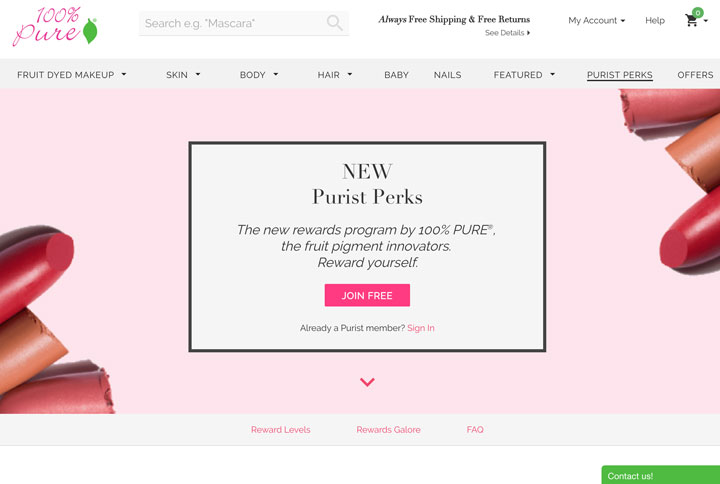
What if you can get reward points for every dollar you spend? 100% Pure tinkered around with this idea, and in an instant, they were able to gather hundreds of loyal customers for their website. Whenever you make a purchase, you’ll be given reward points. Based on those rewards, you’ll get perks such as free shipping, exclusive offers, discount vouchers, and more. Of course, you cannot afford to give reward points for every dollar, but you can surely create some smart rewards which can glue customers to your website.

5. No One Does Affiliate Marketing Like MVMT

Recently acquired for a whopping $100 million, the company MVMT has a very fine affiliate program to skyrocket its viral reach. This program has great perks for influencers. It’s a win-win situation if you ask me. In return for promoting the brand to their social networks, ambassadors get gift vouchers, commission, and even points which can be availed later. This helps the brand cut down on hefty marketing costs, as the influencers do an excellent job with email newsletters, paid ads, and content marketing. By working with top affiliates and influencers, the brand’s popularity skyrocketed online in no time, which likely helped them get acquired.

6. Personal Email Marketing with Drake

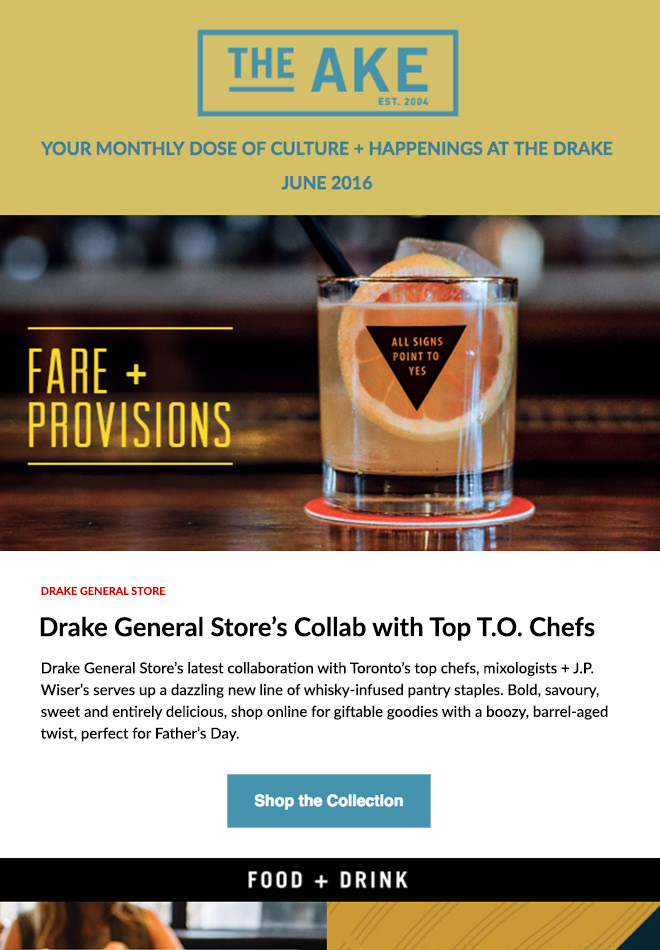
Normally, people hesitate to give away email addresses since they do not want their inboxes flooded with sales emails that brands send out without a clear goal in mind. But not with Drake. As soon as you enter their website, you’ll see an opt-in button at the top. This means that the brand is not forcing you to subscribe to the emails. Only after users punch in their email addresses are they asked for their birthdays and full names so that a more personalized experience can be created for them. Once you’re satisfied with the service, it is then that you subscribe to email updates. And from the moment you do that, the crew at Drake will make it necessary to create a mind-boggling experience for you. Not only does it collect your email address, but it also offers you a discount code just for opting in. So, it can also help you score some sales.

The Conclusion

Whether you take these lessons with you or not, there is one thing that you need to keep in mind while running an ecommerce store. In the end, it all comes down to making customers happy and leaving them with a smile. Being a customer-focused brand doesn’t need to be a huge time investment; it just needs some smart strategies to get your things in order.

Learn more about modern development technologies at Google Developers .

1 4 5 6 7 8 17
whatsapp