


How To Promote Your Shopify Store On Social Media And Sleep Like A Baby?
 Team Branex
Everyone is an entrepreneur, but everyone is not the same. As a serial entrepreneur, I can tell you that it is an act of bravery to leave your 9-5 job and start a business in Shopify.
When I started my first business – an eCommerce store, no one knew how things would go. We were excited to enter this uncharted territory.
Our team was technically sound but had insufficient skills to deal with an actual customer. Long story short, just after five months, I was back on a 9-5 job.
The first few months after letting go of the eCommerce store were a bit tough. But at least I’ve learned how to set up an eCommerce store, which was enough motivation for me.
Back then setting up an eStore wasn’t as easy as it is now. Today, there are tons of eCommerce platforms that you can set up on your laptop and develop an online store even if you don’t have any coding skills.
If you’re exploring platforms for your upcoming venture or already have a store that’s based on Shopify. Some of the store owners who have leveraged Shopify must be enjoying healthy sales and then there would be those who are not.
This article is for those who are not satisfied with their Shopify-based store. On average, every shopper has around ten stores to choose from before they make the final decision. You need to continually remain on your toes to find new ways to convert online shoppers into customers, especially when you have to promote new products.
When you have worked so hard on coming up with a new product, you want it to receive as much love from the customers as you have given it, and for that, you need a strategic approach to product marketing.
To maximize your business’s customer reach, you must use the power of social media, which has unbelievable targeting capabilities for online marketers. With a social media strategy at your disposal, you can go granular when targeting the exact buyer persona who should see your products.
To promote your Shopify store, you must reach people of all ages, genders, hobbies, interests, and all the connected pages. There’s a ton of data that you can find inside the analytics of social media platforms and it offers many untapped opportunities to promote your e-commerce business on Shopify.
Shopify powers more than 800,000 stores online with a humongous sale of $100 billion. The possibilities with Shopify are endless if you know that your product has what it takes to become a hot cake and is marketed to the right audience.
5 Best Strategies to Promote Your Shopify Store on Social Media:
Here are some fantastic strategies to promote your Shopify store on social media:
1) Use Mesmerizing Videos
It doesn’t matter if you make the most delicious cake or sell high-quality clothes online, if you don’t showcase these products online, how will customers know what you are selling?
Strong banners are good but a powerful video of a brand’s offerings is even better. Incorporating trends relevant to your audience in the video will engage your customers on a deeper level.
Take a look at Burger King’s recent campaign in which they have introduced the ‘Hopper Deal’ based on a character from everyone’s beloved Stranger Things TV series. The fonts, imagery, narration, and colors used; the whole package follows a retro theme that the audience can instantly relate to.
Genius-level tip: Facebook, Instagram, and Twitter are great sources to grab people and drive them to your Shopify store. Make enticing videos and ensure that there is a trackable URL that can help you to analyze the source of the traffic and customers.
2) Stay Hyper-active on Social Media
What is that one thing that keeps Huawei fans glued to their computer screens on the launch day?
The feeling that ‘I want to see the product first.’ The brands are using live video when launching a product. You can build that same curiosity months before the launch of a new product or a category. Give them videos, and teasers of the coming product attractions, reeling them in!

A good campaign doesn’t end there. You need to make sure you’re familiarizing and educating your shoppers about the product post-launch. With social media platforms like Facebook, Twitter, and Instagram, it is easy for marketers to work on product launches. Brands must focus on creating hype about product launches on social media, which would keep the audience engaged and talking about the brand.
Genius-level tip: Seek successful influencers. Offer some discounts or compensation to these influencers and in return, request them to develop unique content that both subtly incorporates your brand and entertains the audience as well. Use this content on various social media platforms.
3) Start Selling on Instagram
Instagram is much more than taking and posting gorgeous photos of your travels and selfies, following your favorite celebs, and posting updates on your Instagram story. You can make money on it, too.
According to a recent report, 75% of Instagram users take action, such as visiting a website or making a purchase, after looking at Instagram ads. Check this mind-blowing example from Calvin Klein that shows how to display your product on Instagram.
Genius-level tip: Make every Instagram post or story a shopping experience. Let shoppers browse and buy directly from Instagram. Add product stickers to any of your stories or tag your products in posts.
4) Use the Power of Facebook Messenger Marketing
63% of consumers believe that a business must be on Messenger. Moreover, it’s not surprising that the open rate of messages sent on Facebook Messenger is close to 84%.
Along with web push notifications, one of the levers that brands can get from Facebook is their messenger. Seek prospects who are interested in your product and pitch them an automated message. Start the conversion with a chatbot, and you can take over when the prospect seems interested. Here is a perfect example of a Chatbot interacting with a customer.

Genius-level tip: You can reach out to your users with appealing offers like limited-time free shipping on your new range of products, using Facebook Messenger. You can use creative images or short videos of the product to make your message more interactive and fun.
5) Add the New Products on the Facebook Shop
You can create a Facebook shop section specially to promote your Shopify store on social media. The option makes it easy for users to browse products side by side using social media, and if the product is right, they might even refer you to their friends.
Ensure that you upload clear and appealing graphics and have a purchase button so that users can make a direct purchase from Facebook.

Genius-level tip: Don’t upload too many products at the start. Upload a few and check the response. Analyze which of the products are doing well and focus on uploading similar products. If a specific category is not performing well, replace it with another one.
Conclusion
You could be launching the latest, excellent new products; however, not getting the word around in time could spell massive expenditure with little or no returns. Using practical tips from this post, you can alleviate the challenge of introducing something new to your audience. From firing up their curiosity levels to getting them interested in buying and advocating your brand. These tips mentioned above will help you crack your launch smoothly.

 Unless you’ve got a fortune stashed somewhere, you must look at the available resources in your firm.
Developing an eCommerce website demands serious skills.
Design sense, what type of content needs to go on the website, UI/UX design and development, testing, quality control, deciding on which eCommerce software platform to use, search engine optimization, and so on.
If you or your team have the aforementioned non-exhaustive list of skills, then that would help you get your website launched quickly and also reduce the burden on your company’s wallet.
However, most new and even established eCommerce stores often don’t have the required resources or time to develop their website. And that’s when getting a professional website developer on the board becomes imperative for a successful website launch.
Now, that you’re all set, here are the factors that you must consider before hiring a professional
Unless you’ve got a fortune stashed somewhere, you must look at the available resources in your firm.
Developing an eCommerce website demands serious skills.
Design sense, what type of content needs to go on the website, UI/UX design and development, testing, quality control, deciding on which eCommerce software platform to use, search engine optimization, and so on.
If you or your team have the aforementioned non-exhaustive list of skills, then that would help you get your website launched quickly and also reduce the burden on your company’s wallet.
However, most new and even established eCommerce stores often don’t have the required resources or time to develop their website. And that’s when getting a professional website developer on the board becomes imperative for a successful website launch.
Now, that you’re all set, here are the factors that you must consider before hiring a professional  If there’s no harm in asking for extra ketchup at McDonald's. And no shame in asking for an extra pair of napkins at your favorite restaurant. Then why do people feel shy in asking for a portfolio?
A website is the backbone of your company where your customers will come to purchase your products. The first impression of your customer in terms of UI and UX.
Do you want to leave everything in the hands of a website agency with no confusing portfolio? I don’t think so.
Ask them about their ongoing and finished eCommerce website projects. Also, learn as much as possible regarding their previous customers' work.
Doing a background check along with evaluating the developers’ portfolio will help you ascertain whether they are capable enough to work on your website and make it successful.
If there’s no harm in asking for extra ketchup at McDonald's. And no shame in asking for an extra pair of napkins at your favorite restaurant. Then why do people feel shy in asking for a portfolio?
A website is the backbone of your company where your customers will come to purchase your products. The first impression of your customer in terms of UI and UX.
Do you want to leave everything in the hands of a website agency with no confusing portfolio? I don’t think so.
Ask them about their ongoing and finished eCommerce website projects. Also, learn as much as possible regarding their previous customers' work.
Doing a background check along with evaluating the developers’ portfolio will help you ascertain whether they are capable enough to work on your website and make it successful.
 This indicator can easily be judged in the first few meetings with the client. Check the portfolio and gauge the amount of time that the vendor invests in each project.
Ask about the challenges and the contingency plans that the web development company has in place in case of an emergency. If the company is experienced, they will be able to provide you with a clear-cut plan.
Based on their expertise, the vendor will be able to inform you how much time each phase will take and what will the next course of action if the deadline is not met. You can also mutually discuss how the vendor will be compensating you in case deadlines are missed.
This indicator can easily be judged in the first few meetings with the client. Check the portfolio and gauge the amount of time that the vendor invests in each project.
Ask about the challenges and the contingency plans that the web development company has in place in case of an emergency. If the company is experienced, they will be able to provide you with a clear-cut plan.
Based on their expertise, the vendor will be able to inform you how much time each phase will take and what will the next course of action if the deadline is not met. You can also mutually discuss how the vendor will be compensating you in case deadlines are missed.
 It is impossible to judge how efficient the developer is from the first meeting. However, after a few presales meetings, you can have a very clear picture of what levels of commitment and speed of delivery is the vendor going to demonstrate after you’ve hired them.
If the representatives of the agency are not addressing your request for more information quickly and they present unjustifiable reasons for the delay, then get ready for not only missed deadlines, but also unfulfilled commitments.
Cues such as the ones mentioned above are telltale signs that the person or the company you’re about to hire might not come up with the goods. Therefore, pay close attention to the way the developer deals with you in the first few interactions.
It is impossible to judge how efficient the developer is from the first meeting. However, after a few presales meetings, you can have a very clear picture of what levels of commitment and speed of delivery is the vendor going to demonstrate after you’ve hired them.
If the representatives of the agency are not addressing your request for more information quickly and they present unjustifiable reasons for the delay, then get ready for not only missed deadlines, but also unfulfilled commitments.
Cues such as the ones mentioned above are telltale signs that the person or the company you’re about to hire might not come up with the goods. Therefore, pay close attention to the way the developer deals with you in the first few interactions.


 If you don’t succeed the first time, there are so many other ways in which you have room to succeed.
It’s all about the mindset. Instead of treating every failure as a setback, change your internal dialogue and treat it as a character-building day.
Of course, you’re allowed to be sad for a night. But not more than that. Take the failure and fuel yourself for success. Instead of treating it as a failure, call it a preparation for your success.
https://www.youtube.com/watch?v=bujIb_sQZvQ
If you don’t succeed the first time, there are so many other ways in which you have room to succeed.
It’s all about the mindset. Instead of treating every failure as a setback, change your internal dialogue and treat it as a character-building day.
Of course, you’re allowed to be sad for a night. But not more than that. Take the failure and fuel yourself for success. Instead of treating it as a failure, call it a preparation for your success.
https://www.youtube.com/watch?v=bujIb_sQZvQ

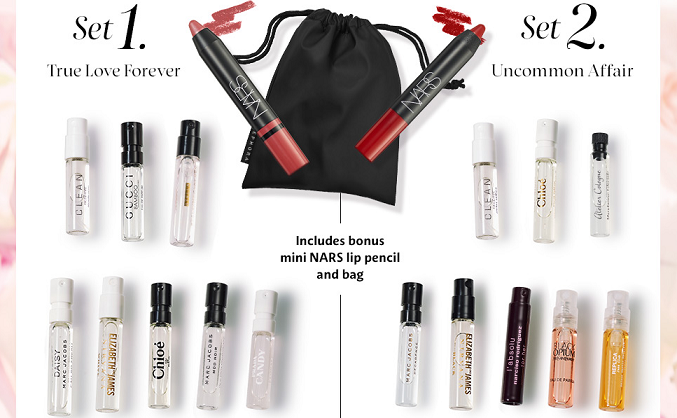
 If you are experiencing difficulty in retargeting, go for Shoelace – a retargeting platform for online stores. It is an automation program which gives you the ability to optimize your landing pages and render them more appealing.
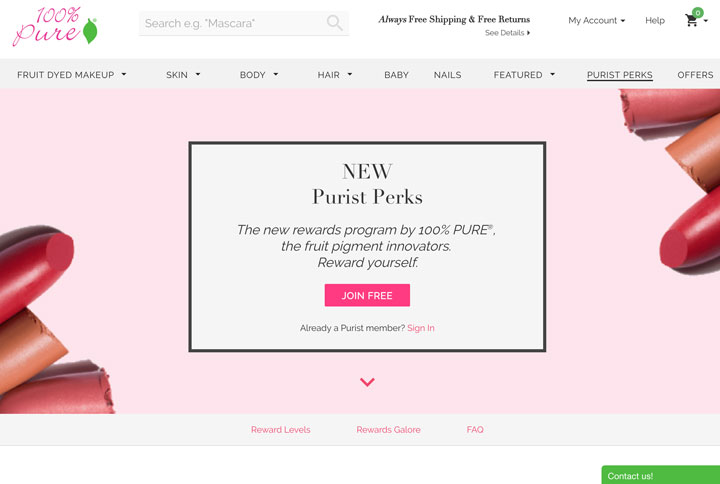
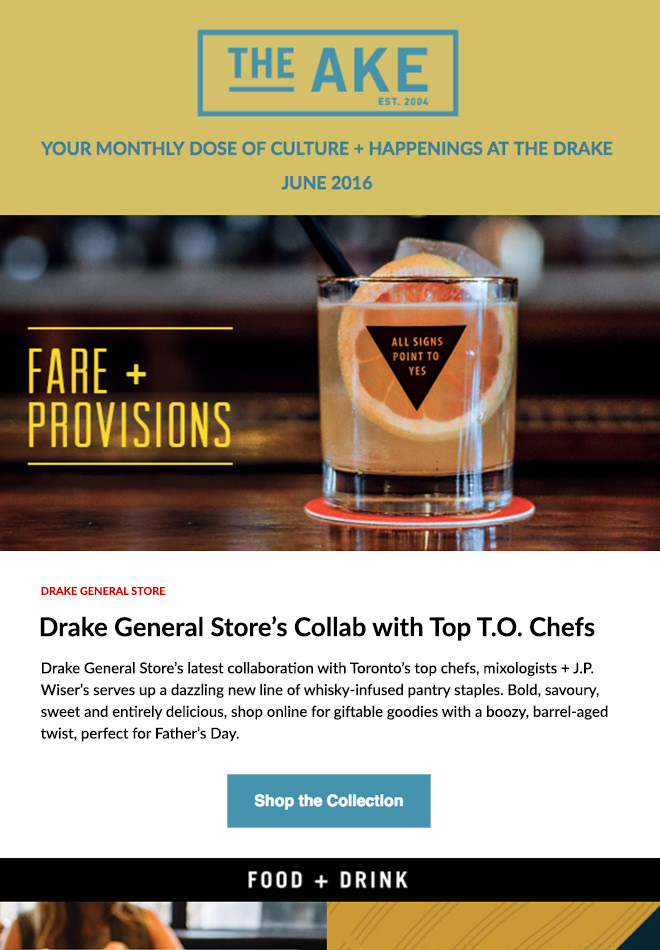 Once you’re satisfied with the service, it is then that you subscribe to email updates. And from the moment you do that, the crew at Drake will make it necessary to create a mind-boggling experience for you. Not only does it collect your email address, but it also offers you a discount code just for opting in. So, it can also help you score some sales.

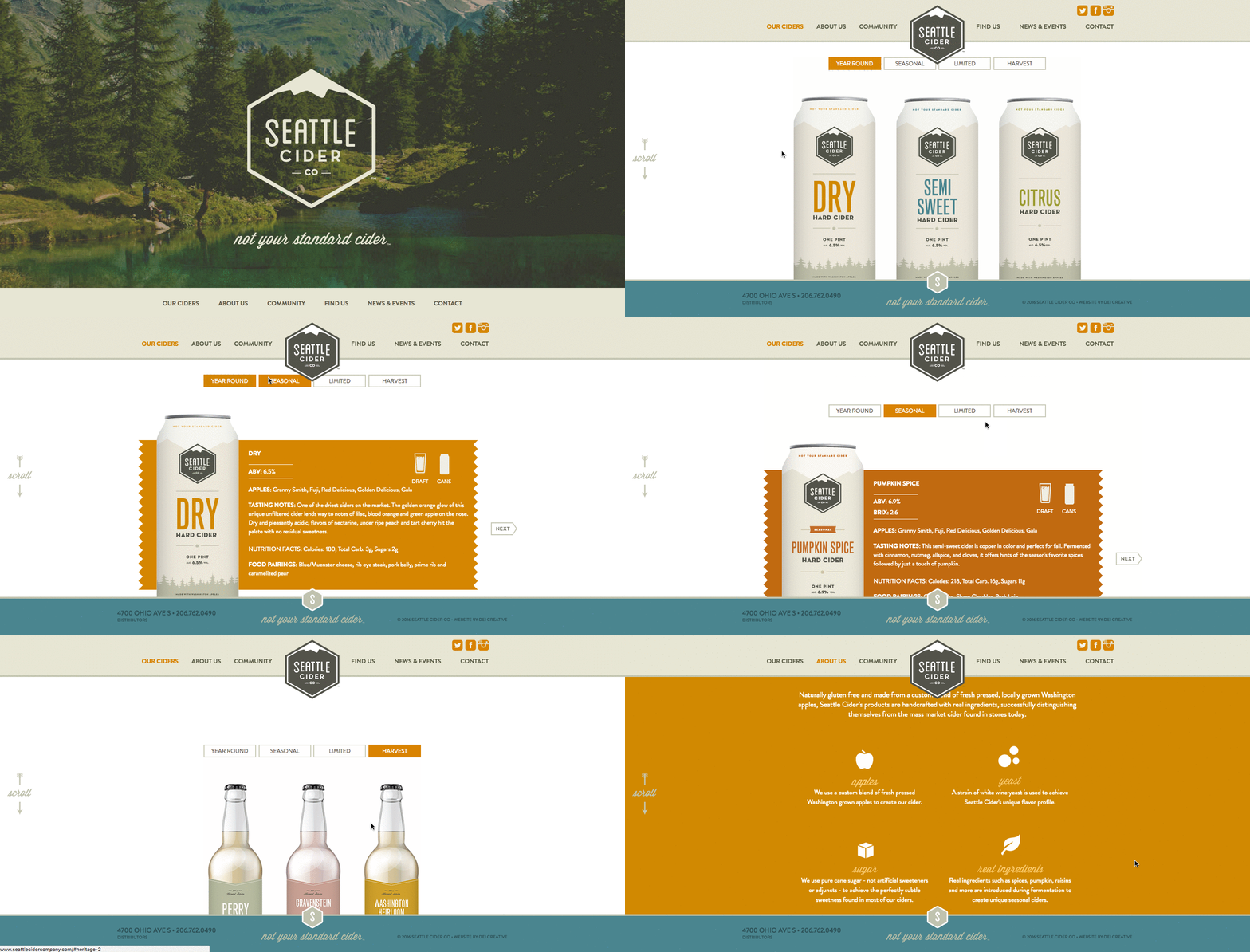 The company claims that their cider is not your standard, run-of-the-mill cider. They have a hooking story to vouch for them. They capitalized on eye-catching and high-definition images of their cider selection complemented with beautiful label designs that clearly explain what makes their Cider products different from others and what makes their products so special. The brand beautifully explains what goes on in its products, where each ingredient is lovingly procured from, and the love and diligence that go into concocting the final products.
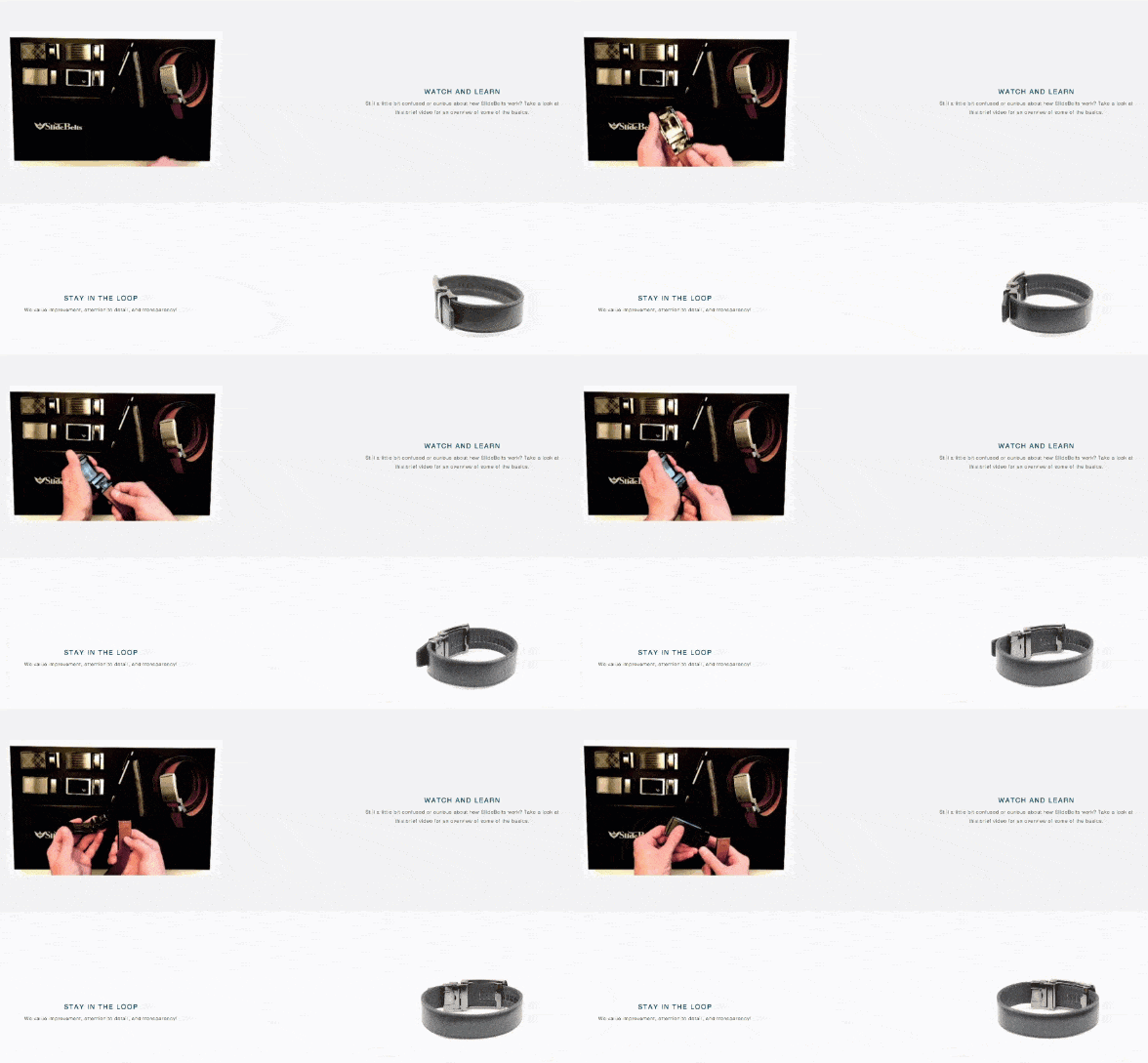
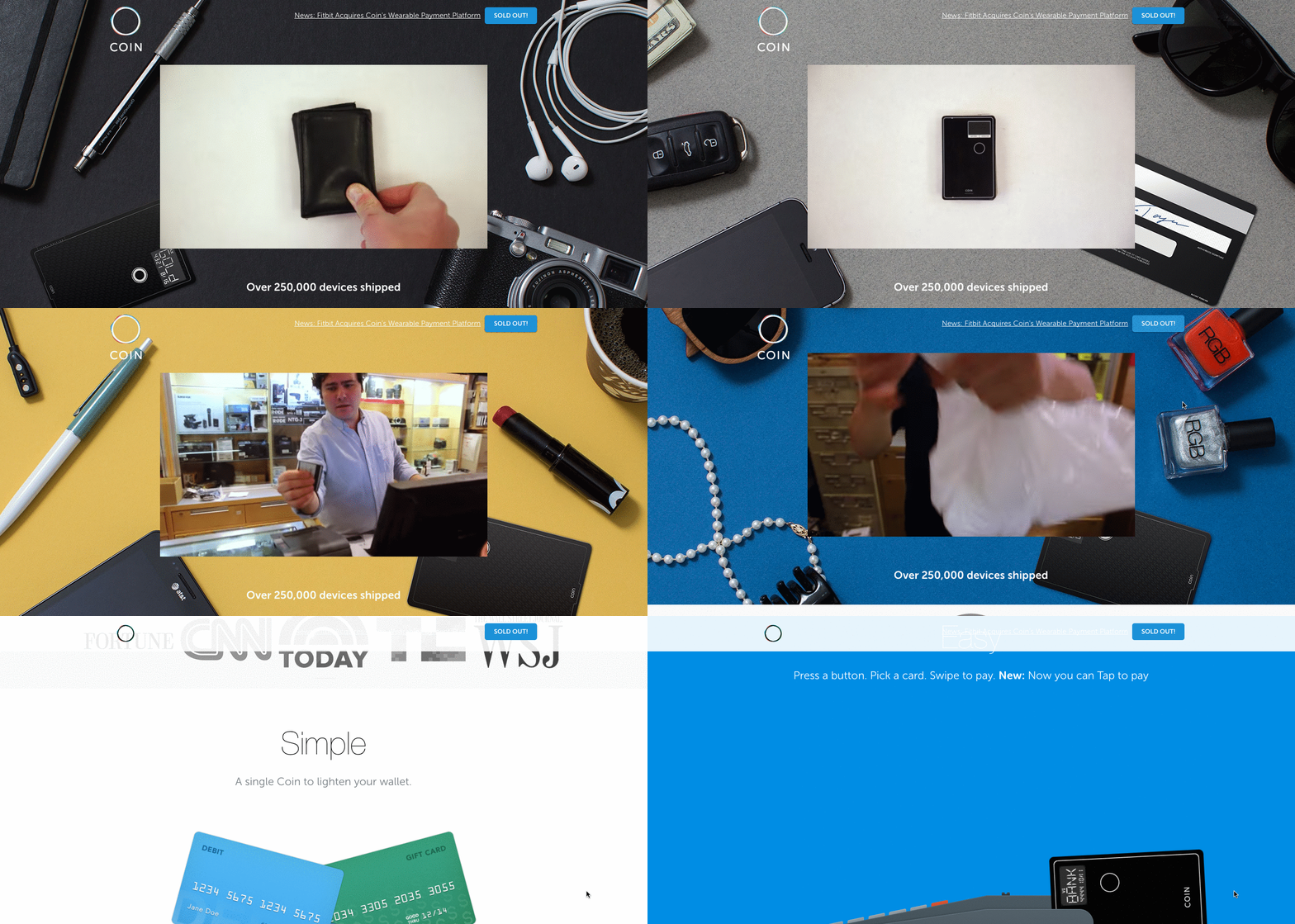 Look at the example of SideBelts, where they are using the power of video to show their products in action.
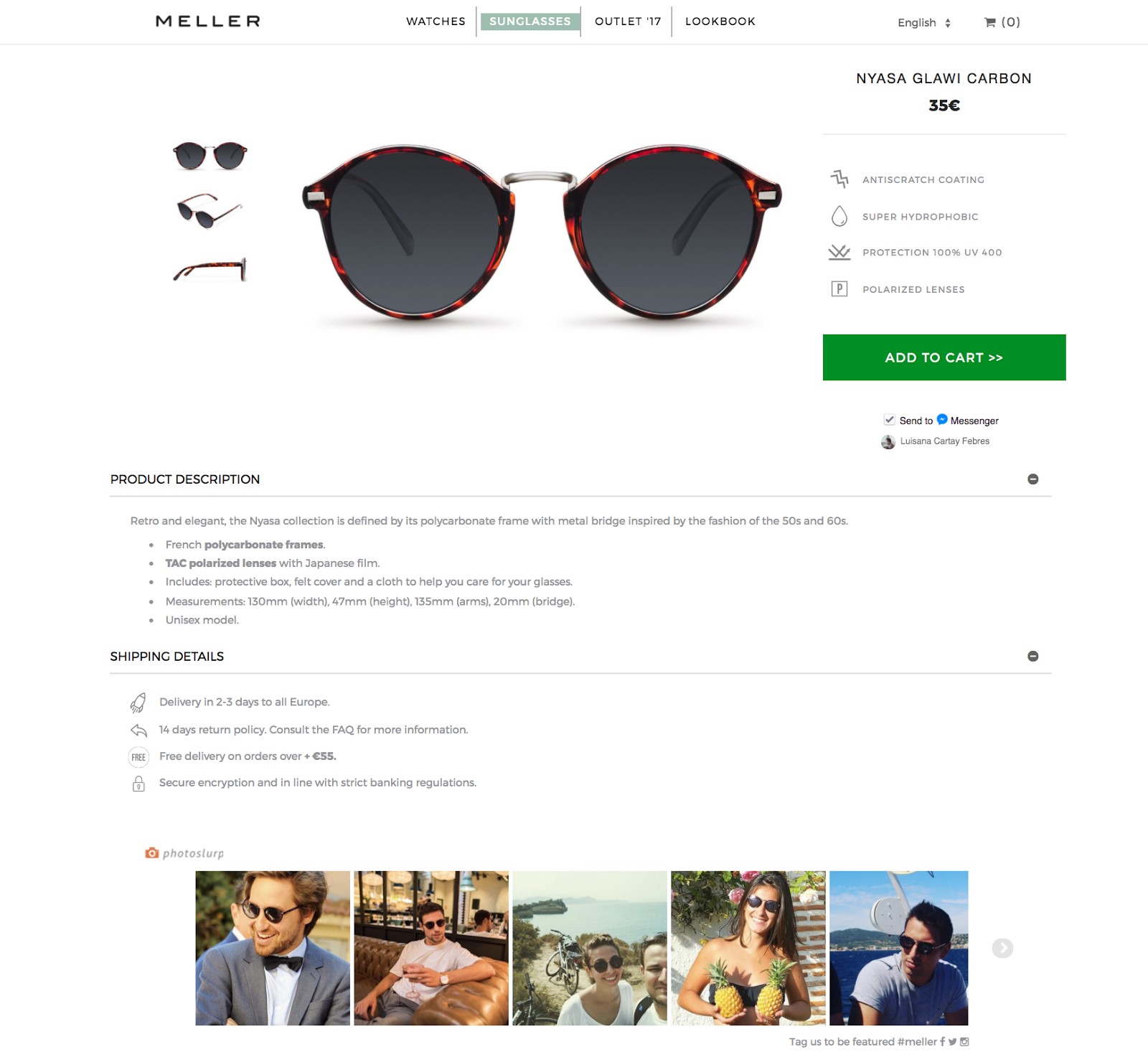
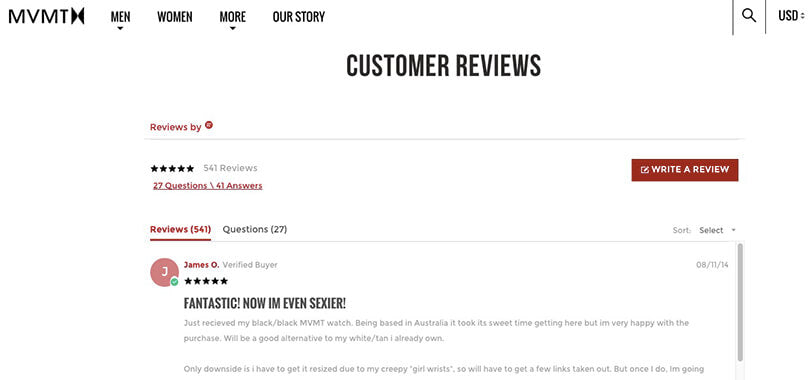 Meller, a sunglasses brand, uses a trick to convince potential customers to hit the buy button by integrating customers’ pictures and videos on their product pages. When customers see authentic customer images and how other people are using these products. It fosters trust, boosts retention, and causes conversions to skyrocket.
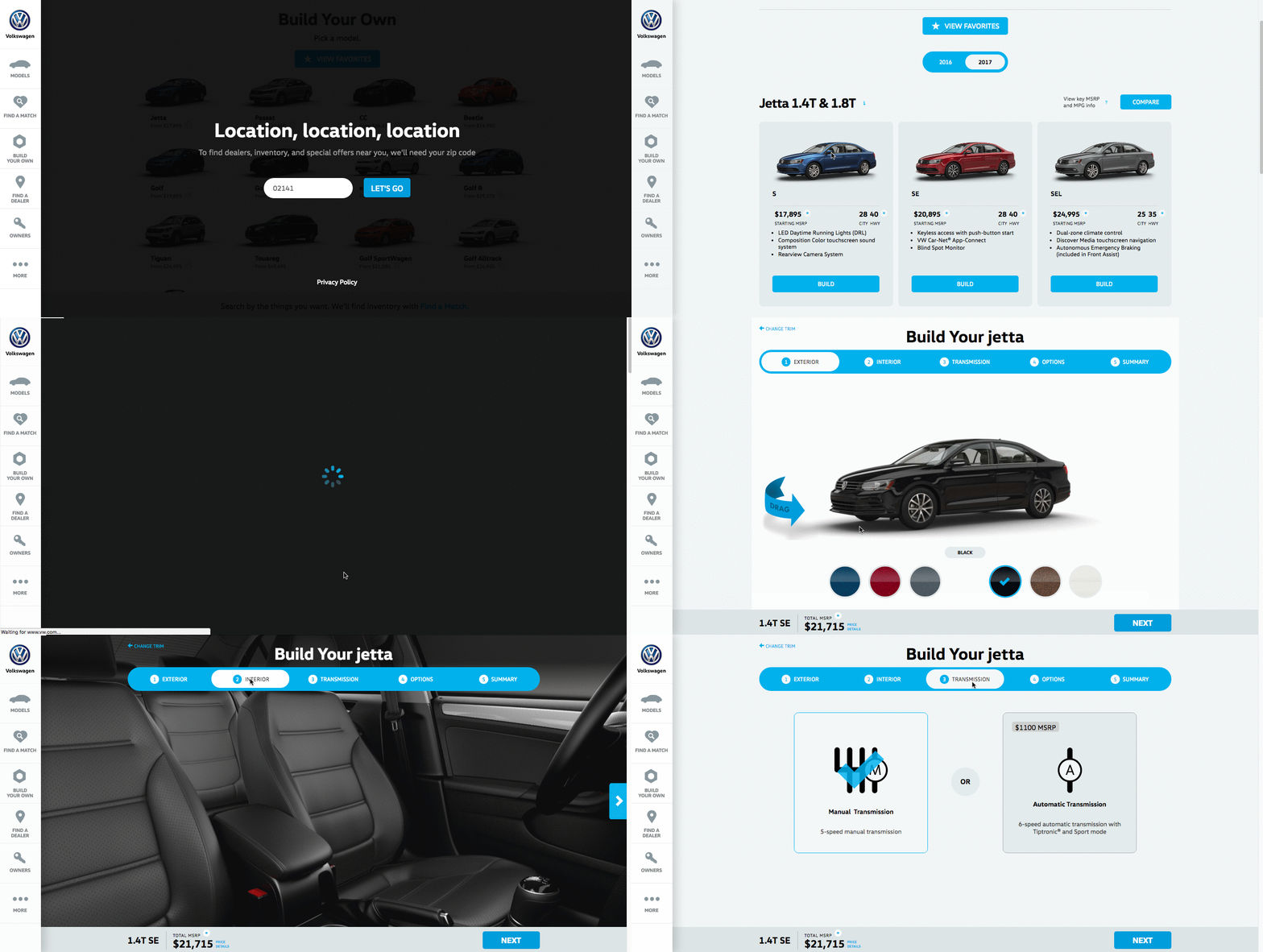 Instead of simply jotting out the merits of their products, they take an interactive approach to building your car. The brand highlights different customization features you can choose from, before giving you a detailed look at the car and how it can affect the price.
Let’s take another example of Fitbit Charge.
Instead of simply jotting out the merits of their products, they take an interactive approach to building your car. The brand highlights different customization features you can choose from, before giving you a detailed look at the car and how it can affect the price.
Let’s take another example of Fitbit Charge.
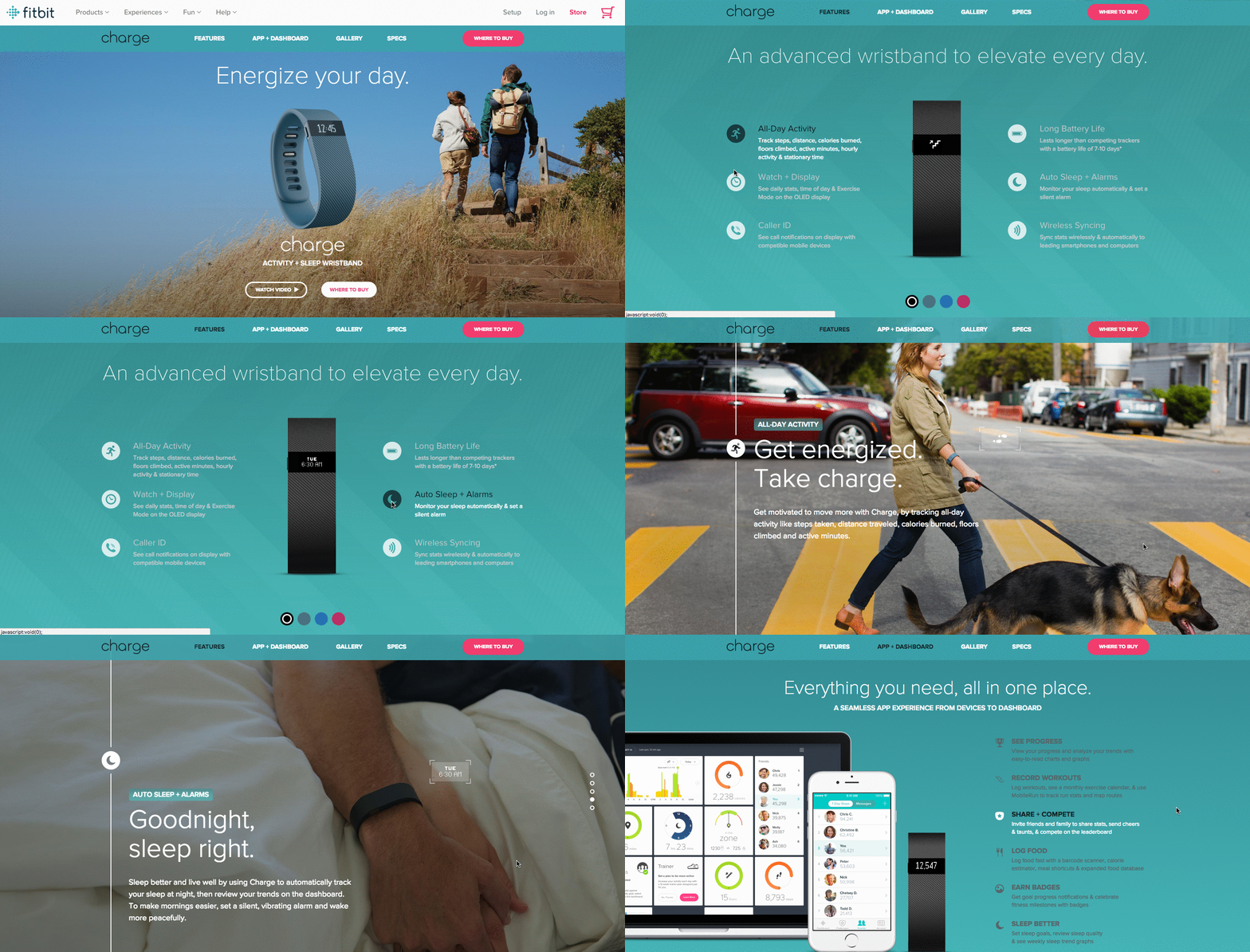 The product page beautifully explains how the product works, allowing users to hover over different features while explaining why these features matter the most and how they can make a difference in the users’ lives.

 Here are some essential tips and tricks that can help you better understand the process of building a lucrative e-commerce website from scratch.
Let’s dive in.
Here are some essential tips and tricks that can help you better understand the process of building a lucrative e-commerce website from scratch.
Let’s dive in.


 Instagram shoppable posts make it easier for brands to sell their products with minimal effort and provide a convenient way for consumers to make a purchase. With Instagram shoppable posts, brands and retailers can tag products in organic posts, allowing consumers to tap on the product to find out the desired information. Adding shopping tags can further promote your brand while allowing you to invest more in sponsored posts that will eventually bring more and more users.
Instagram shopping offers a seamless experience for users who want complete information about products. This feature gives users an easy way to buy the product without having to leave the app. Instagram shopping allows users to delve deeper into products from the brands they love and follow. Making your posts shoppable makes it extremely convenient for consumers to know more about what they are looking at and complete their buying journey.
This is indeed a huge deal for retailers and
Instagram shoppable posts make it easier for brands to sell their products with minimal effort and provide a convenient way for consumers to make a purchase. With Instagram shoppable posts, brands and retailers can tag products in organic posts, allowing consumers to tap on the product to find out the desired information. Adding shopping tags can further promote your brand while allowing you to invest more in sponsored posts that will eventually bring more and more users.
Instagram shopping offers a seamless experience for users who want complete information about products. This feature gives users an easy way to buy the product without having to leave the app. Instagram shopping allows users to delve deeper into products from the brands they love and follow. Making your posts shoppable makes it extremely convenient for consumers to know more about what they are looking at and complete their buying journey.
This is indeed a huge deal for retailers and 

 Instead of simply posting lackadaisical images of your products, inspire your audience with real ideas using items that you sell in your store. For instance, if you sell silk scarfs, why not post creative pictures of ways in which your product can be tied up or turned into a makeshift top perhaps? Tell them an inspirational story about your products which may encourage your followers to make a purchase.


