How AR & VR Are Powering the Future of Business in 2024
 Team Branex
Virtual Reality (VR) and Augmented Reality (AR) are undeniably at the forefront of technological innovation, and their impact on businesses across various sectors cannot be overstated. These transformative technologies are reshaping the way companies operate, connect with their customers, and achieve their objectives. While still in their developmental stages, it's projected that both AR and VR will exceed 100 million users worldwide by 2027, indicating their significant potential.
Although the full extent of their capabilities remains largely uncharted, the statistics are a clear indicator that organizations embracing AR/VR services to create immersive experiences for their users are poised for success in the future.
From healthcare to travel and hospitality, AR and VR are becoming pivotal players in nearly every major industry, introducing groundbreaking applications that redefine the way we interact with technology. Whether you're a business owner, an entrepreneur, a marketer, or simply someone intrigued by the future of AR VR development services, this guide aims to provide insights into how these technologies are currently supporting businesses.
In this blog, we will delve deeper into the world of AR and VR technology to uncover their roles in today's business landscape. So, without further ado, let's embark on this exploration!
What is AR and VR?

Augmented Reality (AR) and Virtual Reality (VR) are two distinct yet interconnected technologies that seek to enhance the way users perceive and interact with the digital world. AR vs. VR technologies differ in terms of the devices used and the nature of the experience they offer.
AR (Augmented Reality):
AR overlays digital information such as images, videos, and 3D models onto the real-world environment. It typically relies on devices like smartphones, tablets, or specialized AR glasses to display digital content in real-time. AR enriches the user's perception of the physical world by adding virtual elements to it, allowing users to interact with digital objects while remaining aware of their surroundings. AR has a wide range of applications across industries such as gaming, education, retail, healthcare, and more.
VR (Virtual Reality):
VR immerses users in a fully simulated digital environment that can be entirely distinct from the physical world. Users wear VR headsets that transport them to a virtual world where they can interact with their surroundings. VR aims to create a sense of presence and immersion, making users feel like they are inside the virtual environment. This technology has diverse applications, including gaming, training simulations, architectural visualization, and therapeutic experiences.
Overview of AR and VR Technology:

Both AR and VR are encompassed within the world of immersive technology, often referred to as XR or Extended Reality. XR includes various degrees of blending the digital and physical worlds, with AR and VR representing two ends of the spectrum.
In addition to AR and VR, there's also Mixed Reality (MR), which combines elements of both AR and VR. MR bridges the gap between the physical and digital realms, enabling physical and digital objects to coexist and interact in real-time. MR experiences are characterized by the seamless integration of virtual and real-world elements.
These immersive technologies, whether AR, VR, or MR, offer unique capabilities that hold immense potential for businesses across industries. They are reshaping the way companies engage with customers, train employees, design products, and deliver services, opening up exciting possibilities for innovation and growth. A software development company adapted by customizing AR and VR applications to meet specific industry needs, developing sophisticated simulations and intuitive interfaces.
How AR and VR Technologies Are Supporting Businesses?

Augmented Reality (AR) and Virtual Reality (VR) technologies are offering substantial support to businesses in various ways. One of the notable ways is by enabling interactive and informative data visualizations. These technologies provide a unique platform for businesses to unlock meaningful insights from complex data by presenting it in an immersive and engaging environment.
By using AR and VR for data visualization, businesses are not only making their data more accessible but also elevating their capacity for data-driven insights and decision-making. As these technologies continue to advance, their role in supporting businesses and beyond is likely to expand even further across diverse industries.
AR and VR tools facilitate the transformation of static charts and spreadsheets into dynamic, 3D representations. Users can interact with data points, explore trends, and gain a deeper understanding of information that might be challenging to grasp through traditional methods. This capability is particularly valuable in industries such as finance, analytics, and research, where data-driven decision-making is paramount.
Here are some ways AR and VR data visualization are currently supporting businesses:

1. Enhanced Data Exploration
AR and VR allow users to immerse themselves in data environments, making it easier to explore datasets from different angles and perspectives. This promotes a more intuitive and insightful understanding of complex data structures.
2. Collaborative Analysis
Teams can collaborate within shared virtual spaces, making data analysis a collaborative and interactive process. Multiple users can simultaneously manipulate data visualizations, fostering teamwork and real-time decision-making.
3. Training and Education
Businesses can leverage AR and VR for data-related training and education. Employees can interact with data simulations, improving their data literacy and analytical skills.
4. Customer Engagement
AR and VR data visualizations can be used in presentations and marketing materials to engage customers and stakeholders more effectively. Interactive visualizations can help compellingly convey complex information.
5. Risk Assessment
In industries like finance and insurance, AR and VR can simulate various scenarios based on data inputs, aiding in risk assessment and decision-making.
6. Product Development
AR and VR enable product designers and engineers to visualize data related to prototypes and designs in a virtual environment, facilitating real-time collaboration and iteration.
7. Healthcare
Medical professionals can use AR and VR to visualize patient data, such as 3D scans, in a more immersive manner, improving diagnostics and treatment planning.
AR and VR Emerging Trends that are Reshaping Businesses

As AR and VR continue to evolve, their impact on businesses across industries becomes increasingly profound. Embracing these trends can lead to enhanced training, marketing, customer service, and innovation, ultimately providing a competitive edge in the rapidly changing business landscape. If you're considering implementing AR and VR technology in your business operations, collaborating with experts in AR/VR development services can help bring your ideas to life.
1. Immersive Experiences:
VR technology allows users to be transported to entirely new virtual worlds, enabling them to interact with virtual objects as if they were physically present. This immersive capability is no longer limited to gaming and is now revolutionizing various business operations.
2. Tailored Training:
AR and VR are ushering in a new era of personalized training experiences. Businesses can provide tailored training to employees, simulating real-world scenarios and offering hands-on experiences in a safe and controlled virtual environment. This is particularly valuable in industries such as machinery, healthcare, and aviation.
3. Remote Teamwork:
Physical proximity is no longer a necessity for effective teamwork. AR and VR technologies enable geographically dispersed teams to collaborate in shared virtual environments. This facilitates virtual project meetings, brainstorming sessions, and training workshops, enhancing collaboration across the globe.
4. Virtual Events:
AR and VR are transforming how businesses host events. Virtual spaces are now used to organize immersive and memorable events, allowing attendees to participate from the comfort of their homes. Virtual events eliminate the need for travel, accommodations, and venue capacity concerns.
5. Product Design:
Traditional methods of product design often rely on 2D renderings and sketches. AR and VR technology provide businesses with a better understanding of their products by allowing for interactive 3D modeling and design in a virtual environment. Designers, engineers, and stakeholders can collaborate in real-time within a shared digital space.
6. Marketing Transformation:
AR and VR are revolutionizing marketing strategies by offering interactive and immersive campaigns. Businesses can engage customers with 3D virtual showrooms and interactive marketing materials, turning passive observers into active participants.
7. Enhanced Customer Service:
AR and VR extend the boundaries of customer service beyond traditional methods. Virtual assistants can guide users through complex processes, demonstrate product features, and troubleshoot issues in real-time, enhancing the customer experience.
8. Data Visualization:
Traditional data visualization methods can be static and less engaging. AR and VR technologies are elevating data visualization by creating interactive and immersive data environments. Users can dive deep into complex datasets, making it easier to understand and analyze information.
9. Accessibility:
AR and VR are breaking down physical barriers, making business experiences more inclusive. These technologies offer solutions for people with disabilities, providing immersive experiences and accessible virtual environments. Gestures and voice commands make content interaction more intuitive.
10. Manufacturing Innovation:
AR and VR have the potential to revolutionize manufacturing processes. Businesses can visualize, simulate, and optimize product designs with precision before physical production begins. Virtual prototyping and testing in various scenarios help identify flaws and refine designs, reducing errors and costs.
Conclusion:
Both Augmented Reality (AR) and Virtual Reality (VR) technologies are transforming the way businesses operate, offering innovative solutions that improve customer experiences, streamline operations, and drive growth. These technologies are creating new opportunities for innovation and competitive advantage in addition to increasing productivity and reducing expenses.

 If you treat your customers badly, offer poor UX, ignore their emails, or don’t meet their needs. They are more apt to bounce off your website and never come back. A study shows that 60% of customers are willing to pay more for a better experience. While another study suggests that 74% of marketers believe that customer experience alone greatly influences the willingness of a customer to be a loyal brand advocate.
Also Read:
If you treat your customers badly, offer poor UX, ignore their emails, or don’t meet their needs. They are more apt to bounce off your website and never come back. A study shows that 60% of customers are willing to pay more for a better experience. While another study suggests that 74% of marketers believe that customer experience alone greatly influences the willingness of a customer to be a loyal brand advocate.
Also Read:  But the challenge here is… how to deliver an excellent customer experience.
The expectations of tech-savvy customers are rising at an exponential rate. They expect every interaction as the best experience they can have with any brand regardless of its size, type, and industry. Therefore, it’s high time for brands to invest their time, energy, efforts, and resources in cultivating a stellar customer experience.
Here are some effective strategies that help brands create an out-of-the-box customer experience strategy that will surely help improve customer satisfaction, reduce churn rate, and improve ROI. Let’s get into them!
But the challenge here is… how to deliver an excellent customer experience.
The expectations of tech-savvy customers are rising at an exponential rate. They expect every interaction as the best experience they can have with any brand regardless of its size, type, and industry. Therefore, it’s high time for brands to invest their time, energy, efforts, and resources in cultivating a stellar customer experience.
Here are some effective strategies that help brands create an out-of-the-box customer experience strategy that will surely help improve customer satisfaction, reduce churn rate, and improve ROI. Let’s get into them!
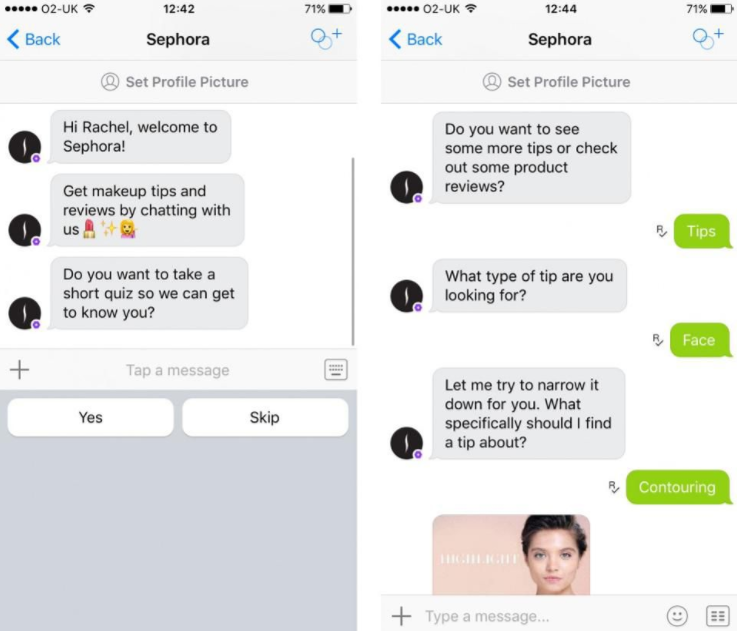
 Sephora – the fashion brand gives its customers an innovative and intuitive experience. You can get makeup tutorials and beauty tips if you converse with a Sephora chatbot on Kik. The virtual assistant also provides product reviews and ratings when you are shopping in a physical store.

 Bitcoin is the most popular payment option that many eCommerce websites, airline company websites, and other online stores are using these days. This trend is not going anywhere anytime soon, and will consistently mature to bring a massive change in the financial sector. Entrepreneurs who are looking for a bright future should welcome it with open arms. Some major retailers are hopping on the cryptocurrency trend bandwagon and are planning to issue their own secure currency in 2018.
 2018 is going to see artificial intelligence become smarter, more improved, and personalized. Machine learning and artificial intelligence will penetrate further into our lives and be incorporated into a more diverse range of applications. AI is expected to make an appearance on almost every new platform, app, or digital device and more likely take on new and diversified roles.
 The mobile game Pokémon Go is one of the most remarkable digital developments in 2016 that has taken the world by storm and made many brands take notice and invest hugely in augmented reality entertainment. With the advent of augmented reality glasses, brands are now able to offer a more personalized shopping experience as well. Brands in the future will create more customized AR experiences that will allow a user to try a product without actually physically touching it.
Also Read:
The mobile game Pokémon Go is one of the most remarkable digital developments in 2016 that has taken the world by storm and made many brands take notice and invest hugely in augmented reality entertainment. With the advent of augmented reality glasses, brands are now able to offer a more personalized shopping experience as well. Brands in the future will create more customized AR experiences that will allow a user to try a product without actually physically touching it.
Also Read: 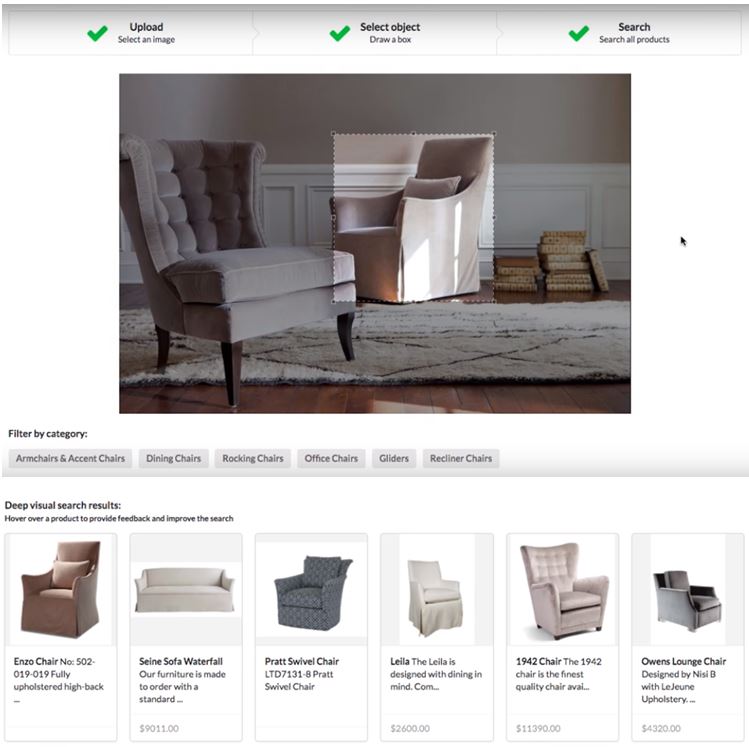
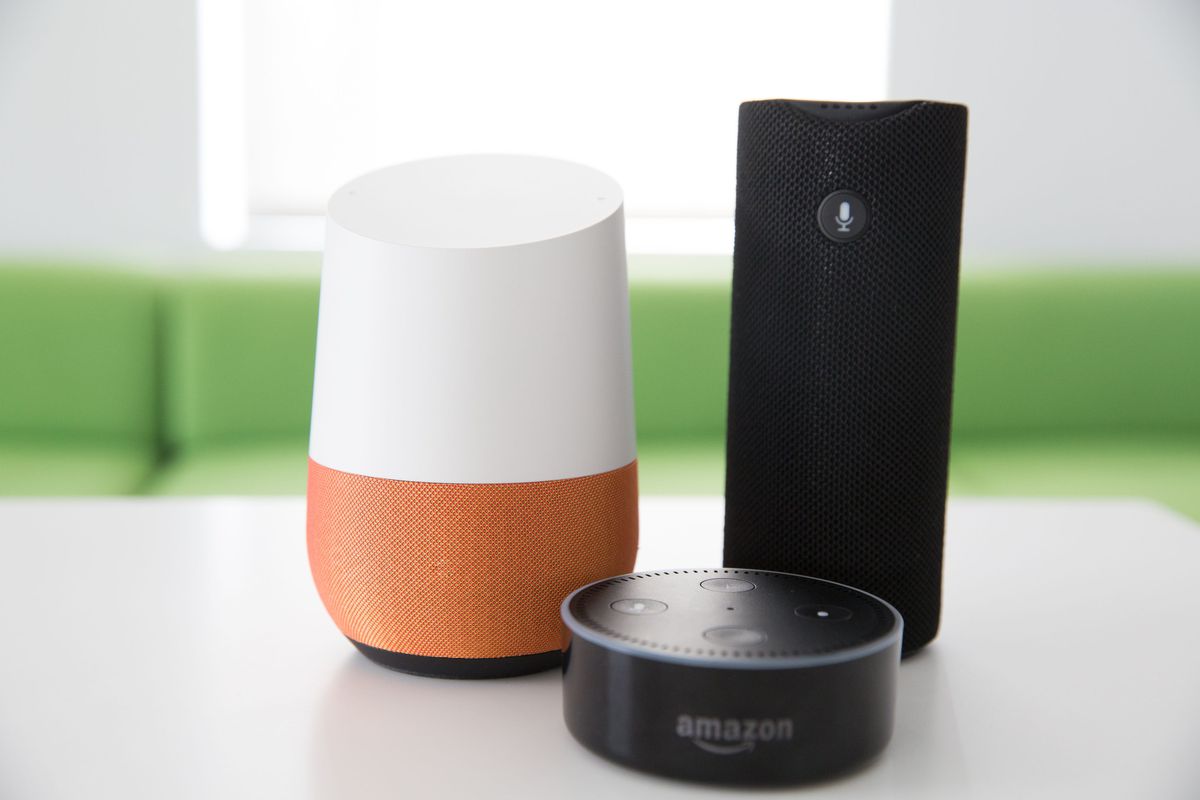 Smart speakers, such as Amazon Echo and Google Home, exploded in popularity in 2017. They are only going to gain more traction in 2018. People have gotten used to talking to smart voice assistants because digital assistants will help users perform their daily tasks in a more hassle-free manner. We can expect to see more brands experiment with this burgeoning development.
 5G internet connection is 10x faster than 4G, making it even better than most available internet services. In 2018,
 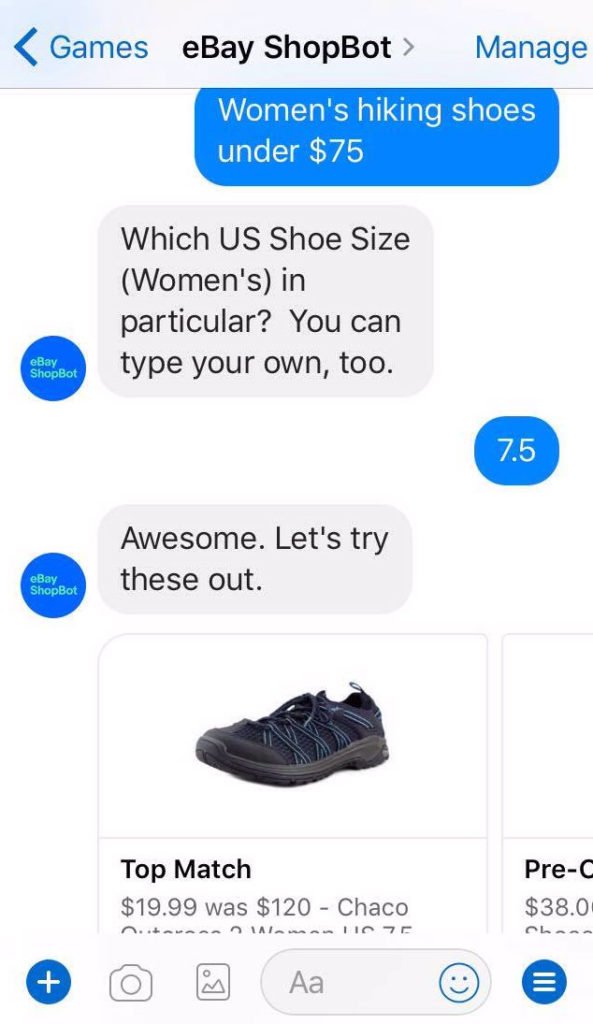 In 2018, more and more companies are expected to invest in developing their own consumer-facing chatbots to communicate with their customers and provide excellent customer service. These advanced bots rely on artificial intelligence to provide interactive and highly personalized user experiences. Brands across every industry such as restaurants, travel, real estate, and eCommerce are planning to develop custom bots in 2018 for better customer support, to improve their sales performance, and to increase their marketing ROI.
The immense integration of technology into our everyday lives has made it necessary for brands of all types and sizes to stay aware of all the latest tech trends in order to address the demands of consumers and stay ahead of the curve in the crowded market.
In 2018, more and more companies are expected to invest in developing their own consumer-facing chatbots to communicate with their customers and provide excellent customer service. These advanced bots rely on artificial intelligence to provide interactive and highly personalized user experiences. Brands across every industry such as restaurants, travel, real estate, and eCommerce are planning to develop custom bots in 2018 for better customer support, to improve their sales performance, and to increase their marketing ROI.
The immense integration of technology into our everyday lives has made it necessary for brands of all types and sizes to stay aware of all the latest tech trends in order to address the demands of consumers and stay ahead of the curve in the crowded market.
 To date, content distribution and creation on the internet are carried out by bigger corporations. Companies like Facebook, Twitter, and YouTube are considered to have taken the first seat in the list of online content distributors. Users of these social networks “like”, “share”, and in some way or the other way boost content for greater attention. The entire process helps content creators and distributors to reap mutual benefits by moving the content into the mainstream.
However, corporations seem to be reaping more fruit than content creators. Apart from advertising, many content creators of today who are willing to move into the entrepreneurial stream have fewer ways to monetize their work and the value that they are inserting in their content seems to have been stripped off by the distributing corporations or maneuvered for their benefit. This is about to change!
Blockchain is the technology that supports Bitcoin and allows a database that is stored on all networks at any given time. It could allow users to access this same data, despite its displaying network, securely.
To date, content distribution and creation on the internet are carried out by bigger corporations. Companies like Facebook, Twitter, and YouTube are considered to have taken the first seat in the list of online content distributors. Users of these social networks “like”, “share”, and in some way or the other way boost content for greater attention. The entire process helps content creators and distributors to reap mutual benefits by moving the content into the mainstream.
However, corporations seem to be reaping more fruit than content creators. Apart from advertising, many content creators of today who are willing to move into the entrepreneurial stream have fewer ways to monetize their work and the value that they are inserting in their content seems to have been stripped off by the distributing corporations or maneuvered for their benefit. This is about to change!
Blockchain is the technology that supports Bitcoin and allows a database that is stored on all networks at any given time. It could allow users to access this same data, despite its displaying network, securely.
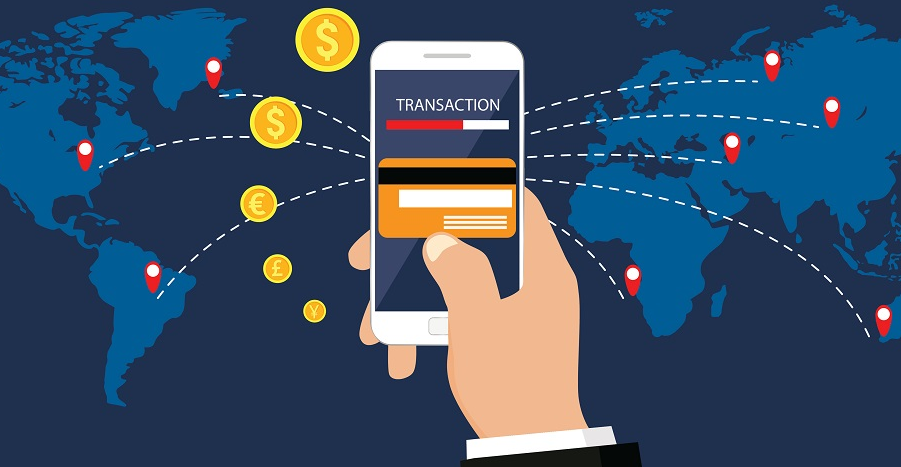
 The entire advertising world is trying to gain the attention of the respective target market, and in the run, everything is getting better, brighter, and faster.
However, this new, decentralized system has yet to prove its efficacy on its content distribution effectiveness and how it captures the attention of the target customers. Through these decentralized systems, users will no longer be bound to use a centralized hub, but are empowered to support and offer content that is worthy of their attention.
This new system will make it easier for both creators and contributors to pay attention and will be rewarded with payments for their efforts.
The entire advertising world is trying to gain the attention of the respective target market, and in the run, everything is getting better, brighter, and faster.
However, this new, decentralized system has yet to prove its efficacy on its content distribution effectiveness and how it captures the attention of the target customers. Through these decentralized systems, users will no longer be bound to use a centralized hub, but are empowered to support and offer content that is worthy of their attention.
This new system will make it easier for both creators and contributors to pay attention and will be rewarded with payments for their efforts.


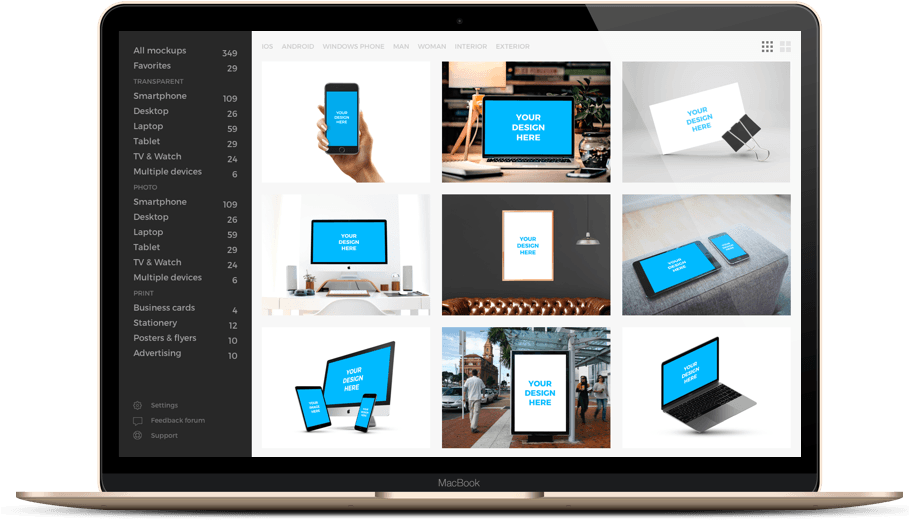 There are a lot of images you can use on your website such as images of products, images of satisfied customers, or anything that represents your company culture. To make your life easier, you can use SmartMockups. All you need to simply upload your app’s screenshot and download a mockup. No need to use Photoshop, no hassle at all.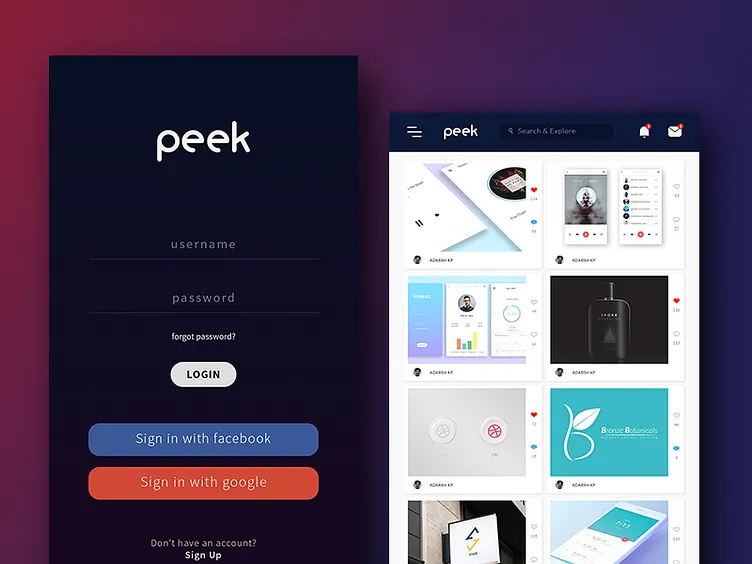

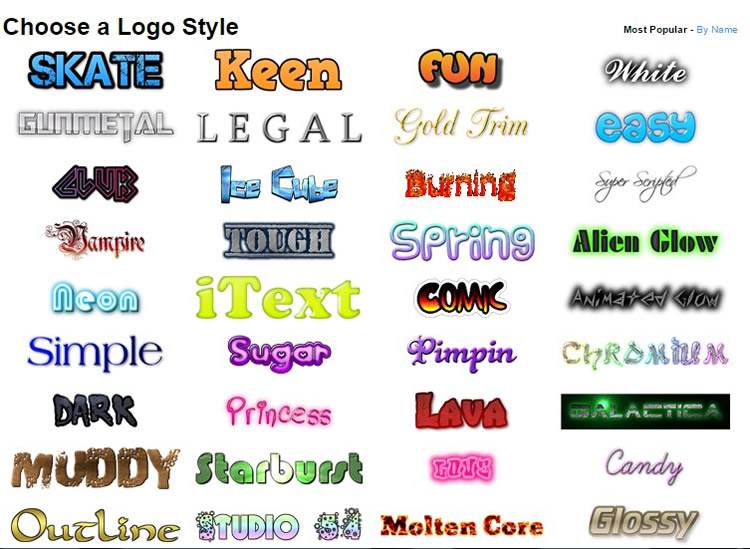








 As an Entrepreneur, you are bound to meet hundreds of people every day. Moreover, if you are not, then surely you need to step up your networking skills. Apparently, you cannot remember all the people you meet, but surely you can install an app that does it for you. Meet Lemon Wallet, a mobile app that allows you to store a digital copy of all of your contact cards in your wallet so you can access them whenever you need.
 As you grow, you need to keep track of your expenses. However, what if you are just starting out and don’t want to hire someone to do so? Not to worry, Concur to the rescue. Concur is a business travel and expense management app that doesn’t require you or your employees to keep physical receipts of your travel. A fantastic app that can keep detailed receipts, import credit card expenses, keep a log of your touring plans, and even approve your employee’s expense claim request – in addition to that, get your work done wherever you are, and without needing to hire anyone for the job.
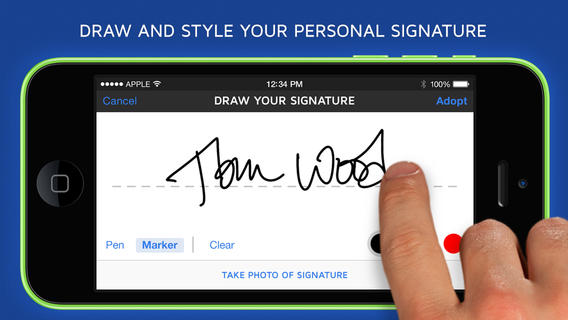 Obviously, as an Entrepreneur, you will do tons of things on the go. Signing invoices and receipts is one of them. Well, with Docusign, you can do that whenever you want, wherever you want. Yeah, without even reaching for your pen & paper, you can now sign digital receipts on the go. Docusign is an electronic signature app referred to as a ‘Digital Transaction Management’ tool, that enables tech-savvy Entrepreneurs to sign official documents without having to go anywhere near their office.
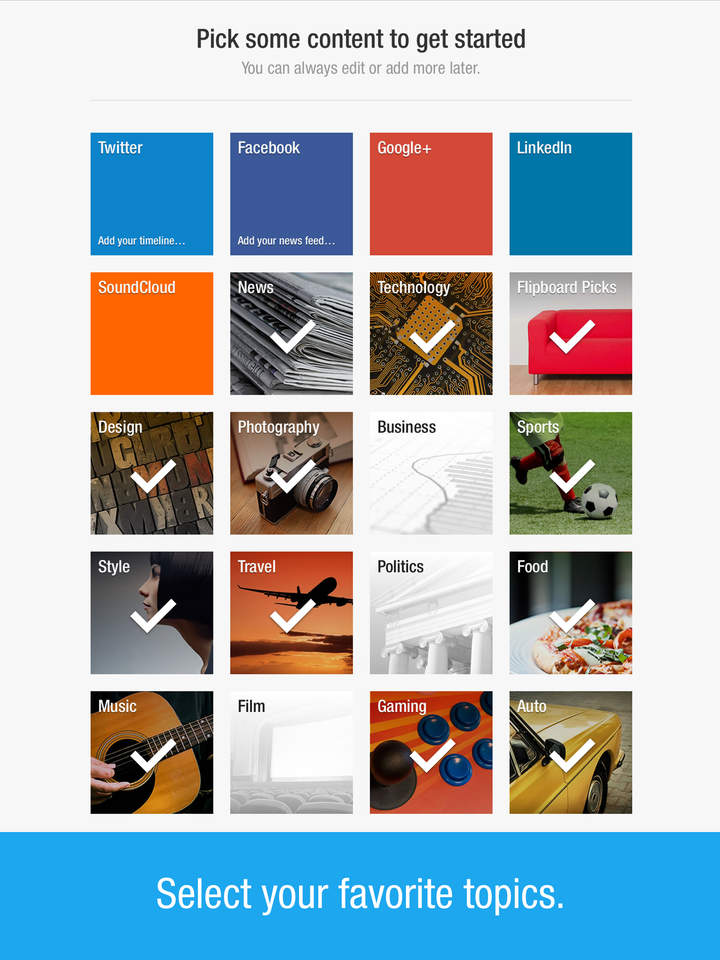 As an Entrepreneur, you will need to stay up-to-date with the latest happenings in your field. Say hello to Flipboard, an app which will blow your mind away. You will be delighted to know what this app can do for you. A clean interface with selected news on top of Flipboard is your daily dose of useful insights into your industry. You can add specific blogs to your main page and keep in touch with what is trending across the globe.
 Yes, every single day Entrepreneurs face various issues which usually affect their ability to think straight. The good news is you do not need to worry about focus anymore. With Focus@Will you will eliminate all the distractions and achieve your goals faster. Get more done in less time – with Focus@Will you can now easily complete projects on time without giving any second thoughts to the project.
 Creativity apps are excellent: the mind is programmed to work through problems in similar ways over time. Sometimes, an insightful question wanders our brains in different directions. Moreover, to help us, we need to ask other people. So, where else can you put a question other than Quora?
Started as a question-and-answer app, this little app turned out to be a grand successor. Even Google helps your SEO if your problem is listed on
Creativity apps are excellent: the mind is programmed to work through problems in similar ways over time. Sometimes, an insightful question wanders our brains in different directions. Moreover, to help us, we need to ask other people. So, where else can you put a question other than Quora?
Started as a question-and-answer app, this little app turned out to be a grand successor. Even Google helps your SEO if your problem is listed on  An entrepreneur's mind varies to different things. At times, he needs to keep track of information for future reference. The thing about the human brain is that if information is not handled properly, it gets lost deep in your subconscious mind. Here comes Evernote to the rescue. Your last report keeping a journal. Be it a quote, web link, or screenshot, you can use Evernote to save any information on the go, and the best part is that you can connect this app to your laptop/Mac to take whatever you need, whenever you need it.
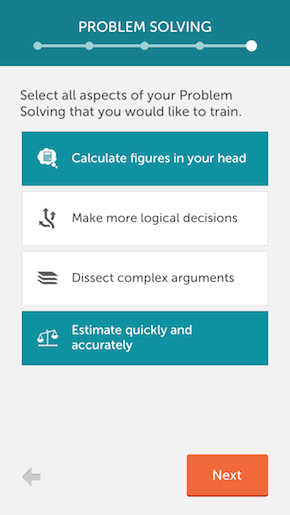 For all the brilliant Entrepreneurs who are constantly looking to exercise their brains and stay ever capable of making sharp decisions, you have the great Lumosity app. Designed to train your memory, increase your attention span, and sharpen your core cognitive abilities. So instead of having Coffee, try this app fo a change. Download the app now and thank me later.
 As an Entrepreneur, you will be dealing with such a man critical things. So, the best is to keep your mind focused on one thing and move to another. Todoist is a simple app that will surely help you to create, manage, and achieve your to-do lists faster than any other app. Share and collaborate with your employees and arrange business tasks, receive notifications and reminders with this essential app for Entrepreneurs.
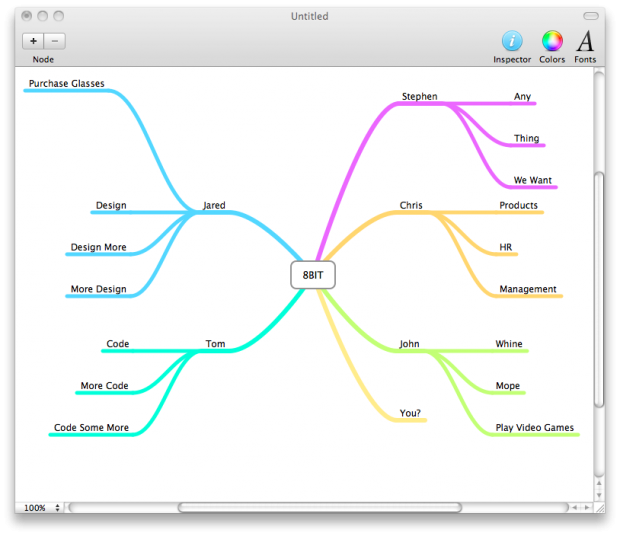 MindNode helps you visualize your ideas. Start with an inner thought and then brainstorm, organize, and share your mind maps. The clutter-free user interface will let you concentrate on generating and connecting your ideas. A beautiful, easy-to-use app to jot down your creative juice on digital paper and use it whenever you need it.

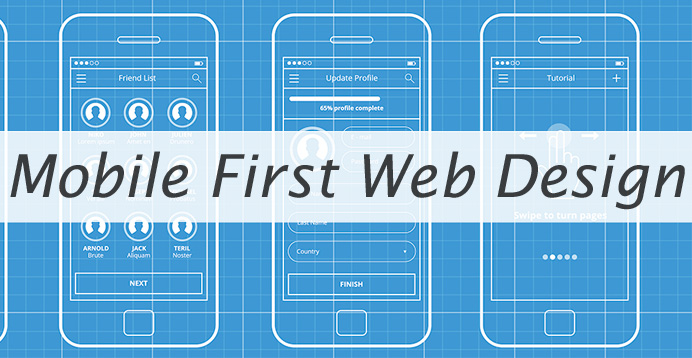
 Skeleton loading screens make sure to give the user an ultimate seamless experience. Without blinking the eyes, your user needs to get a glance at what you are offering. Fast loading just not only creates a better user experience but also develops your
 White space does not have to be empty anymore. Element placement can lead to customer engagement, and once the customer gets engaged, it will be easy for them to place an order on your website.



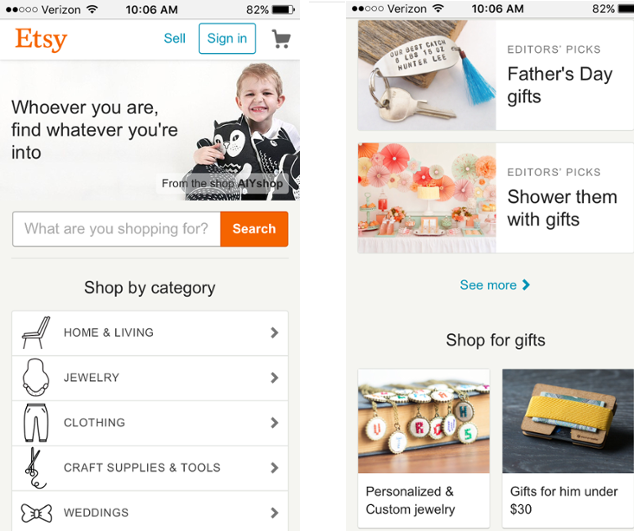
 format. With the attention span of users decreasing day by day, the grid is a marvelous way out. All your data can be manageable and searchable in the grid format. Tech giants such as Facebook, Google, Twitter, and even Pinterest have popularized their content in a grid format. Below is a brilliant example of how data can be efficiently organized in a grid without losing essential elements from the design.