


How To Create a Brand Identity? A Step-by-Step Guide To Creating a Brand
 Team Branex
Here is a riddle straight from the riddled. I am a trustworthy, comfortable, relaxed & trendy brand identity.
Who am I?
Difficult right? Because the clues are generic. Here is a piece of vital evidence.
I am related to sports, and I have an athletic image.
Still no clue who I am?
I am the epitome of motion and speed. I am sure most of you have guessed it by now. For those who haven’t, don’t be hard on yourself. I am Nike.
The first clues that I gave were too generic to venture a guess. However, when I revealed that the sports brand touted an athletic image, you guessed in a jiffy.
It is because, akin to humans, brands have certain identity traits that make it easier for customers to relate to the brand.
 You don’t have to be a marketing guru to appreciate Apple's prudently and intricately crafted marketing strategy. One-Bite Apple needs no introduction. Whenever you see this logo, you can relate it to Apple. An Apple product is all about trust, innovation, and a standalone class.
When developing a brand strategy, it is essential to use a solid visual language which can be integrated everywhere from your website to the brochure and the mobile app. Although there are tons of brand identifiers out there if we talk about some major ones, here is the list:
The logo, colors, typography, images, video, motion, website design, and data visualization. That being said, just because you are using these elements won’t guarantee your success. A rock-solid brand identity is something that can be related to the internal team, content creators, and everyone who is interacting with the brand.
Here are some fundamental qualities that you can use to imprint your brand upon the minds of customers.
You don’t have to be a marketing guru to appreciate Apple's prudently and intricately crafted marketing strategy. One-Bite Apple needs no introduction. Whenever you see this logo, you can relate it to Apple. An Apple product is all about trust, innovation, and a standalone class.
When developing a brand strategy, it is essential to use a solid visual language which can be integrated everywhere from your website to the brochure and the mobile app. Although there are tons of brand identifiers out there if we talk about some major ones, here is the list:
The logo, colors, typography, images, video, motion, website design, and data visualization. That being said, just because you are using these elements won’t guarantee your success. A rock-solid brand identity is something that can be related to the internal team, content creators, and everyone who is interacting with the brand.
Here are some fundamental qualities that you can use to imprint your brand upon the minds of customers.
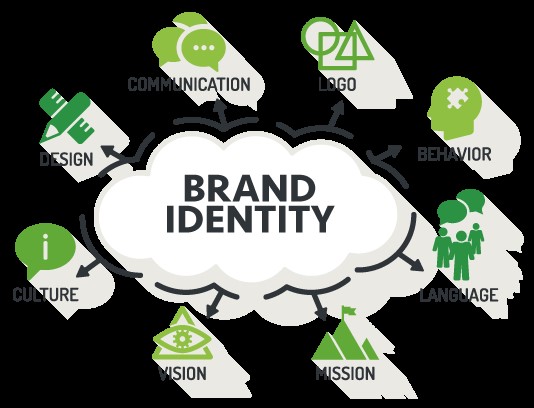 When you are done with the mission and vision of the company, you move towards designing a logo for the brand. For this, you must first understand the company culture. The communication within the company must follow the core values portrayed.
The next step is to create a brand persona. A face that interacts with the entire world. A common misconception is that people consider brand identity as the fact that the brand presents to the world.
In reality, it is about understanding the psychology of customers so that better design choices can be made. To understand their needs and wants, and the values that the brand offers.
Collect the demographic and psychographic information to give you insights into what drives some people to buy from you and others to steer clear of your brand.
When you are done with the mission and vision of the company, you move towards designing a logo for the brand. For this, you must first understand the company culture. The communication within the company must follow the core values portrayed.
The next step is to create a brand persona. A face that interacts with the entire world. A common misconception is that people consider brand identity as the fact that the brand presents to the world.
In reality, it is about understanding the psychology of customers so that better design choices can be made. To understand their needs and wants, and the values that the brand offers.
Collect the demographic and psychographic information to give you insights into what drives some people to buy from you and others to steer clear of your brand.
 Beyond your primary audience, you must also keep an eye on secondary groups, such as employees and other brands. It is not just about how to create a brand identity, it is more about how people perceive your brand as a whole.
Identify Your Competition. Moreover, see how your brand can differentiate from your competitors.
The best way is to understand and analyze how your competitors present themselves in terms of content, visual elements, and marketing.
For instance, when Twitch launched in the year 2011, its competitors were using bold colors like Reds and Greens, and they came up with all-purple branding. The color became an instant hit and in the year 2014, they sold for $1 billion.
If you are looking to create a brand identity, it is essential to face reality and see your brand as it is. Does your brand align with the core values and goals of the company?
Beyond your primary audience, you must also keep an eye on secondary groups, such as employees and other brands. It is not just about how to create a brand identity, it is more about how people perceive your brand as a whole.
Identify Your Competition. Moreover, see how your brand can differentiate from your competitors.
The best way is to understand and analyze how your competitors present themselves in terms of content, visual elements, and marketing.
For instance, when Twitch launched in the year 2011, its competitors were using bold colors like Reds and Greens, and they came up with all-purple branding. The color became an instant hit and in the year 2014, they sold for $1 billion.
If you are looking to create a brand identity, it is essential to face reality and see your brand as it is. Does your brand align with the core values and goals of the company?
 It’s important to remember that each word must drive a specific emotional response. Pick words that will trigger users to build a visual image of your brand with the meaning of that word.
The core of your brand identity is the logo. For this, you are allowed to go old school and use a pencil or a sketch to ignite the creative genius within you.
It’s important to remember that each word must drive a specific emotional response. Pick words that will trigger users to build a visual image of your brand with the meaning of that word.
The core of your brand identity is the logo. For this, you are allowed to go old school and use a pencil or a sketch to ignite the creative genius within you.
 There will be iterations, give it time before you finalize the logo. Once you think you are done, ask yourself if the design is successful at delivering your core message.
 See how each color is associated with a word, and that word is linked to the brands that you already know.
Every phase, even typography, can reveal a lot about a brand.
You can persuade customers with simple fonts.
Limit the number of fonts to 2-3. Nothing more. Each font must represent your brand persona.
Here is a fantastic video that can help you choose the right font for your logo:
https://www.youtube.com/watch?v=j_lsb_CY06Q
The typography must be selected with care. This is your opportunity to showcase a strong brand presence to your potential customers.
See how each color is associated with a word, and that word is linked to the brands that you already know.
Every phase, even typography, can reveal a lot about a brand.
You can persuade customers with simple fonts.
Limit the number of fonts to 2-3. Nothing more. Each font must represent your brand persona.
Here is a fantastic video that can help you choose the right font for your logo:
https://www.youtube.com/watch?v=j_lsb_CY06Q
The typography must be selected with care. This is your opportunity to showcase a strong brand presence to your potential customers.
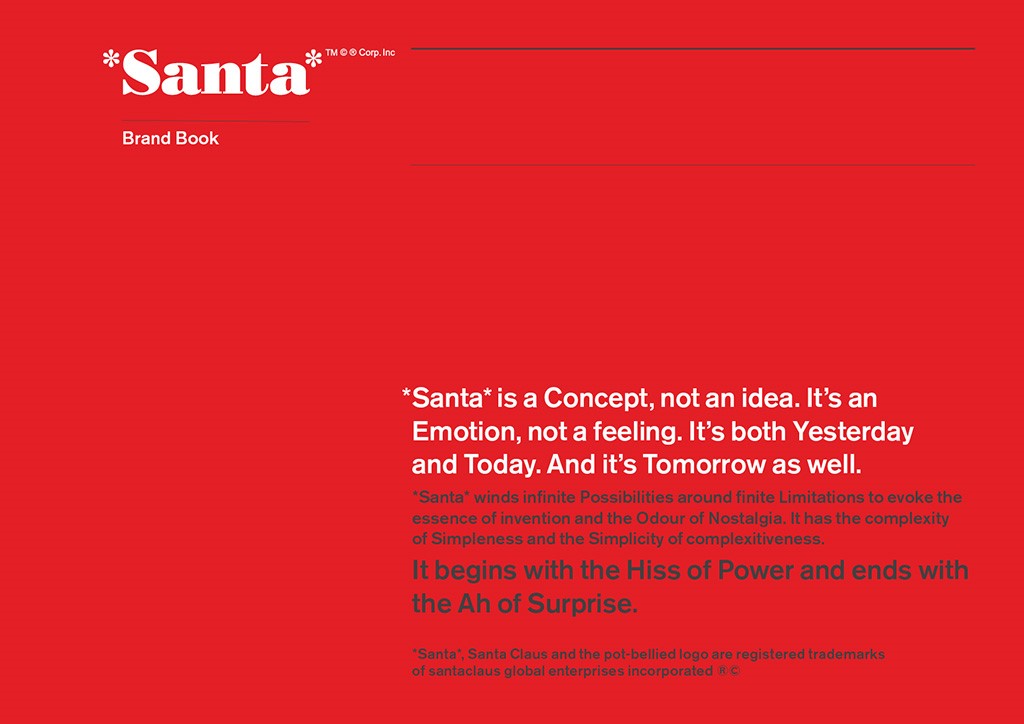 Remember to lay down a brand guideline for each element of the brand. Here, more information will help. Include as much information as you can.
Once you are done with the guideline, distribute it to your team. Make it available for newcomers to check the instructions and learn more about every element of the brand.
Remember to lay down a brand guideline for each element of the brand. Here, more information will help. Include as much information as you can.
Once you are done with the guideline, distribute it to your team. Make it available for newcomers to check the instructions and learn more about every element of the brand.
What is Brand Identity?
A common misconception is that the concept of brand identity is purely for graphic designers. It starts with choosing a brand name and hiring a graphic designer, who will flip a few colors in any old logo, and you have your brand identity. No. Let’s clear that misconception, shall we? Brand identity is actually for marketers and business owners. It is an image that people have of your brand when they read, listen to, or see anything that conjures up images of your brand in their minds. To answer what a brand identity is in layman's terms, a brand identity is how brands communicate with the world in a way that differentiates them from competitors. Create a brand experience that people will never forget, and they will never turn to your competitors. Some brands like Apple, LEGO, Amazon, and Warby Parker have elevated their brand identity to the next level. These brands have leveraged stellar customer service to engage with customers and leave a solid impression. On the other side of the universe, some weak brands fail to impress their image on the minds of their consumers. Some of these brands started okay, but right in the middle, they lost their touch and were unable to communicate with their customers in a way that portrays the true essence of the brand. In this article, we will help you answer the most daunting question. How to create a brand identity that will bring your competition to its knees? Well, not evaporate in thin air, because only Thanos could do that and he’s too dead for it (no spoilers intended). Let’s say that you will learn how to create a brand identity in a way that is easy to understand and simple to implement.Step 1: Begin with a Complete Brand Strategy
When you devise your branding strategy, it is essential to begin with a detailed plan on how to achieve success. Where does your brand stand at the moment and where do you want to take it? When you figure out where you want to go, then what you’re trying to achieve becomes clearer. To set your brand up for success, it is vital to understand your core brand values, create a brand voice, and design everything that aligns with those elements. If you don’t have a brand strategy, fret not; we are Branex can help you develop one. Contact us, and we will help you gear up for grand success.Step 2: The Core Elements of Brand Identity
What is the first thing that pops up in your mind when you see the image below:
You don’t have to be a marketing guru to appreciate Apple's prudently and intricately crafted marketing strategy. One-Bite Apple needs no introduction. Whenever you see this logo, you can relate it to Apple. An Apple product is all about trust, innovation, and a standalone class.
When developing a brand strategy, it is essential to use a solid visual language which can be integrated everywhere from your website to the brochure and the mobile app. Although there are tons of brand identifiers out there if we talk about some major ones, here is the list:
The logo, colors, typography, images, video, motion, website design, and data visualization. That being said, just because you are using these elements won’t guarantee your success. A rock-solid brand identity is something that can be related to the internal team, content creators, and everyone who is interacting with the brand.
Here are some fundamental qualities that you can use to imprint your brand upon the minds of customers.
- Distinct: To gain some advantage, you must create something unique that separates you from your competitors. Something that no one else is providing.
- Memorable: A brand is more than a logo, brochure, or website. You must integrate one single message across all your marketing mediums, to maintain integrity and reach out to all your consumers.
- Unified: Each element in your element should complement the brand identity.
- Clear as a bell: The whole brand identity must be transparent and clear. If the strategies are explained in an easy-to-understand manner, it will be effortless for the designers to apply them across the design.
- If even one of these elements goes missing from your toolkit, it will be cumbersome for the brand team to do their job.
Step 3: Divide Everything into Chunks
You must approach every phase from a philosophical & highly critical standpoint – analyze, poke, and prod until you get to the core of your brand. Once you have that knowledge, it will be easier for you to translate that knowledge into a visual form.
When you are done with the mission and vision of the company, you move towards designing a logo for the brand. For this, you must first understand the company culture. The communication within the company must follow the core values portrayed.
The next step is to create a brand persona. A face that interacts with the entire world. A common misconception is that people consider brand identity as the fact that the brand presents to the world.
In reality, it is about understanding the psychology of customers so that better design choices can be made. To understand their needs and wants, and the values that the brand offers.
Collect the demographic and psychographic information to give you insights into what drives some people to buy from you and others to steer clear of your brand.
Beyond your primary audience, you must also keep an eye on secondary groups, such as employees and other brands. It is not just about how to create a brand identity, it is more about how people perceive your brand as a whole.
Identify Your Competition. Moreover, see how your brand can differentiate from your competitors.
The best way is to understand and analyze how your competitors present themselves in terms of content, visual elements, and marketing.
For instance, when Twitch launched in the year 2011, its competitors were using bold colors like Reds and Greens, and they came up with all-purple branding. The color became an instant hit and in the year 2014, they sold for $1 billion.
If you are looking to create a brand identity, it is essential to face reality and see your brand as it is. Does your brand align with the core values and goals of the company?
Step 4: Build Your Identity
I guess, by now, you have all the necessary information in your arsenal on how to create a brand identity that will stick with people. Now is the time to sit back with your team and brainstorm some words. These words will represent the image of your brand. The goal here is to breathe life into your brand. Here is an example of Nescafe.
It’s important to remember that each word must drive a specific emotional response. Pick words that will trigger users to build a visual image of your brand with the meaning of that word.
The core of your brand identity is the logo. For this, you are allowed to go old school and use a pencil or a sketch to ignite the creative genius within you.
There will be iterations, give it time before you finalize the logo. Once you think you are done, ask yourself if the design is successful at delivering your core message.
Step 5: Influence with Colors
Positive imagery can influence the buying decisions of your potential customers. Every color indicates a specific personality trait.
See how each color is associated with a word, and that word is linked to the brands that you already know.
Every phase, even typography, can reveal a lot about a brand.
You can persuade customers with simple fonts.
Limit the number of fonts to 2-3. Nothing more. Each font must represent your brand persona.
Here is a fantastic video that can help you choose the right font for your logo:
https://www.youtube.com/watch?v=j_lsb_CY06Q
The typography must be selected with care. This is your opportunity to showcase a strong brand presence to your potential customers.
Step 6: Developing a Brand Guideline
The most heartbreaking thing when you are on your way to creating a brand identity is to develop a powerful brand identity but use it incorrectly. This is where the brand guideline comes to your rescue to circumvent confusion. If you don’t know where to begin, here are some tips on brand guidelines which will give you a head-start.
Remember to lay down a brand guideline for each element of the brand. Here, more information will help. Include as much information as you can.
Once you are done with the guideline, distribute it to your team. Make it available for newcomers to check the instructions and learn more about every element of the brand.

 Buzzsumo is by far the undefeated champion in the world of blogger outreach. Buzzsumo is not just a tool for content exploration but is also a great tool for influencer marketing. It helps writers/business owners identify which topics are the most trending for their particular business and how much exposure they are getting on the Internet. What’s more? Buzzsumo not only provides you with insights into the world’s content, but you can also track the performance of your own published content by searching for it on the respective tool.
If you know your way around Buzzsumo, you can tap into the trending world of Internet marketing and make the most out of this incredible tool. Buzzsumo is right now, the king of content research and can easily connect you with the right people in just a matter of seconds.
Buzzsumo offers four different plans to its users.
Buzzsumo is by far the undefeated champion in the world of blogger outreach. Buzzsumo is not just a tool for content exploration but is also a great tool for influencer marketing. It helps writers/business owners identify which topics are the most trending for their particular business and how much exposure they are getting on the Internet. What’s more? Buzzsumo not only provides you with insights into the world’s content, but you can also track the performance of your own published content by searching for it on the respective tool.
If you know your way around Buzzsumo, you can tap into the trending world of Internet marketing and make the most out of this incredible tool. Buzzsumo is right now, the king of content research and can easily connect you with the right people in just a matter of seconds.
Buzzsumo offers four different plans to its users.
 Now if you’re pressed for time and want to make the most of what you have got, BuzzStream can be your perfect resort. How does BuzzStream create a remarkable buzz around your products? It’s because this tool allows you to pull information on bloggers by simply uploading a list of URLs. In fact, this tool works marvelously because it also reveals other metrics, such as social metrics and other traffic stats accordingly.
It is also an incredible tool for PR marketing as it makes email outreach programs effective and efficient. The tool can automatically track the response rate for the emails that you send out. It has a built-in workflow that helps you easily perform your outreach in a streamlined manner.
If you want to know the pricing plans for BuzzStream.
Now if you’re pressed for time and want to make the most of what you have got, BuzzStream can be your perfect resort. How does BuzzStream create a remarkable buzz around your products? It’s because this tool allows you to pull information on bloggers by simply uploading a list of URLs. In fact, this tool works marvelously because it also reveals other metrics, such as social metrics and other traffic stats accordingly.
It is also an incredible tool for PR marketing as it makes email outreach programs effective and efficient. The tool can automatically track the response rate for the emails that you send out. It has a built-in workflow that helps you easily perform your outreach in a streamlined manner.
If you want to know the pricing plans for BuzzStream.
 As the trust factor of audiences continues to diminish in traditional online advertising, influencers are now becoming the emblem of ingenuity. People rely more on the voices that are heard!
We often find ourselves wondering where to begin or how to find the right people to publicize our business product. Traackr is one place that can make it super easy for you.
With Traackr, you can now track and connect with the right influencers who can create a real impact for your business in the market. To identify the right people belonging to your niche, all you have to do is to type in the keyword and let the tool do the rest for you. It will provide you reports on who has previously covered the topic and how the content performed against different audiences. You can also learn about the relevant keywords that are top-performing in your specific industry.
The tool is a bit pricey, but it contains a spectacular blend of elements to perform the right influencer marketing and is the best solution for large companies.
As the trust factor of audiences continues to diminish in traditional online advertising, influencers are now becoming the emblem of ingenuity. People rely more on the voices that are heard!
We often find ourselves wondering where to begin or how to find the right people to publicize our business product. Traackr is one place that can make it super easy for you.
With Traackr, you can now track and connect with the right influencers who can create a real impact for your business in the market. To identify the right people belonging to your niche, all you have to do is to type in the keyword and let the tool do the rest for you. It will provide you reports on who has previously covered the topic and how the content performed against different audiences. You can also learn about the relevant keywords that are top-performing in your specific industry.
The tool is a bit pricey, but it contains a spectacular blend of elements to perform the right influencer marketing and is the best solution for large companies.
 If you are searching for a powerful influencer marketing tool, PitchBox is your best option. It has managed to secure endorsements from some of the most magnificent influencers, such as Brian Dean and Neil Patel, whom they have prominently featured on their website. What makes PitchBox all the more amazing is that the tool can be integrated with several other
  Instead of digging for the contact details of different influencers and going to painstaking lengths to get in touch with them individually, how about you join a single platform where all the influencers are already present? With Tomoson, you will never have to search for influencers again because it comes with a built-in audience.
Tomoson is a platform that connects bloggers with business owners. As an entrepreneur or a small business owner, you can easily choose a blogger you think can best benefit you in your business, simply by clicking on “Find Influencers” and then typing in your keyword.
You will find several influencers in your respective niche with their shared stats and fan following. Find one that fits your needs and has the right price and go for your big business break.
Instead of digging for the contact details of different influencers and going to painstaking lengths to get in touch with them individually, how about you join a single platform where all the influencers are already present? With Tomoson, you will never have to search for influencers again because it comes with a built-in audience.
Tomoson is a platform that connects bloggers with business owners. As an entrepreneur or a small business owner, you can easily choose a blogger you think can best benefit you in your business, simply by clicking on “Find Influencers” and then typing in your keyword.
You will find several influencers in your respective niche with their shared stats and fan following. Find one that fits your needs and has the right price and go for your big business break.
 What is Ninja Outreach? It is a web-based software that allows you to create flawless influencer outreach campaigns. It boasts a database of over 25 million websites, and with a bit of research, you can find thousands of influencers belonging to your specific niche. In fact, you can narrow down your research and find them in your country as well.
With over two million profiles, Twitter is one of the unbeatable kings in the world of social media platforms. You can easily find and connect with the right profiles, all thanks to Twitter. Also, you can filter out the accounts based on their followers and easily reach out to the one with the most teeming fan club for your products. Ninja outreach is a great tool for social outreach! From link building to social relationship management, you can do all with just a few handfuls of clicks.
What is Ninja Outreach? It is a web-based software that allows you to create flawless influencer outreach campaigns. It boasts a database of over 25 million websites, and with a bit of research, you can find thousands of influencers belonging to your specific niche. In fact, you can narrow down your research and find them in your country as well.
With over two million profiles, Twitter is one of the unbeatable kings in the world of social media platforms. You can easily find and connect with the right profiles, all thanks to Twitter. Also, you can filter out the accounts based on their followers and easily reach out to the one with the most teeming fan club for your products. Ninja outreach is a great tool for social outreach! From link building to social relationship management, you can do all with just a few handfuls of clicks.

 It is prioritizing customers over every other thing. By using some data, intuition, and an ounce of common sense, you must gather all the information that your customer is looking for and offer it to them, so that they can come to you and share it with their friends.
Here are four ways in which you can infuse customer-centric marketing into your brand.
It is prioritizing customers over every other thing. By using some data, intuition, and an ounce of common sense, you must gather all the information that your customer is looking for and offer it to them, so that they can come to you and share it with their friends.
Here are four ways in which you can infuse customer-centric marketing into your brand.

 Leaders infatuated with the Batman logo do realize that they aren’t super-humans, yet they are able to combat any difficulty coming their way. Batman thrives on the right strategy and those who follow in his wake are more likely successful in becoming strategic leaders themselves.
Also Read:
Leaders infatuated with the Batman logo do realize that they aren’t super-humans, yet they are able to combat any difficulty coming their way. Batman thrives on the right strategy and those who follow in his wake are more likely successful in becoming strategic leaders themselves.
Also Read:  Is it a bird? Is it a plane? No, it’s Superman.
One of our childhood favorite superheroes is none other than Superman. The S in Superman symbol sends a very strong message that you are now “Safe.” Secrecy, Sentiments, and Security are the three traits of Superman and they are all represented in his logo. Besides, Superman himself is a very charismatic character and exudes the true essence of confidence in leadership.
Is it a bird? Is it a plane? No, it’s Superman.
One of our childhood favorite superheroes is none other than Superman. The S in Superman symbol sends a very strong message that you are now “Safe.” Secrecy, Sentiments, and Security are the three traits of Superman and they are all represented in his logo. Besides, Superman himself is a very charismatic character and exudes the true essence of confidence in leadership.
 If you look up closely, the ‘W’ in Wonder Woman forms an Eagle. An eagle hunts its prey from high above in the sky as they are the best observers. The ‘W’ of Wonder Woman reflects a similar essence. It is a symbol that empowers the perception that a leader should always be a keen observer.
 As far as the Aqua-Man symbol is concerned, it symbolizes the crown of the Aqua Man. Crown shows that there is one true leader and no other that can challenge him. Leaders who want to be the alpha of their packs can take inspiration from Aqua man and tread the same path.
 The symbol of Flash is a lightning bolt. It symbolizes speediness and agility. Flash runs at the speed of light, he even beats Superman when it comes to speed. Flash inspires the essence of quickness in leadership. Leaders seeking to be productive in their work can really take inspiration from them.
 The symbol of Cyborg is a red-eye, enclosed within a C. It delivers the lesson of resilience among leaders.
One way or another, when we see these symbols, they remind us of our favorite superheroes and often lead us to wonder how they would have acted in a particular situation when faced with calamities. As kids, they became our source of inspiration, they became our dream leaders who made sure we kept moving forward. Our favorite superheroes became our friends in imagination and our guiding lights.
They not only inspire motivation but also the courage that a leader requires. So, have you given it a thought yet? Which one is your favorite?
The symbol of Cyborg is a red-eye, enclosed within a C. It delivers the lesson of resilience among leaders.
One way or another, when we see these symbols, they remind us of our favorite superheroes and often lead us to wonder how they would have acted in a particular situation when faced with calamities. As kids, they became our source of inspiration, they became our dream leaders who made sure we kept moving forward. Our favorite superheroes became our friends in imagination and our guiding lights.
They not only inspire motivation but also the courage that a leader requires. So, have you given it a thought yet? Which one is your favorite?


 Using different value offers in your ads can help you fight ad fatigue while keeping users hooked to your offer.
 It is suggested to rotate your ads weekly. However, according to some experts, rotating every few days can create positive results. Make sure you keep the individual ad frequency low.
Use the Ad scheduling feature of Facebook Ad Manager and create your own schedule to deliver a different ad to your audience every day. If people see an ad only once a week, chances are they won’t get bored and annoyed. Don’t forget to place
It is suggested to rotate your ads weekly. However, according to some experts, rotating every few days can create positive results. Make sure you keep the individual ad frequency low.
Use the Ad scheduling feature of Facebook Ad Manager and create your own schedule to deliver a different ad to your audience every day. If people see an ad only once a week, chances are they won’t get bored and annoyed. Don’t forget to place  If you are showing the same ads to everyone, chances are your audience will quickly get bored. Rotating your target audience is another sensible decision to serve each group of people with fresh ads. Targeting a specific group of audience can greatly increase your CTR while keeping away the ad fatigue.
In order to rotate between your audience, break down your current audience into different small groups and set up a rotation schedule by changing the audience of each group after a few days.
Keep in mind, that the audience rotating technique is a smart trick that works best if you have a wider audience and each group has specific interests, desires, and needs that differentiate them as a separate group.
If you are showing the same ads to everyone, chances are your audience will quickly get bored. Rotating your target audience is another sensible decision to serve each group of people with fresh ads. Targeting a specific group of audience can greatly increase your CTR while keeping away the ad fatigue.
In order to rotate between your audience, break down your current audience into different small groups and set up a rotation schedule by changing the audience of each group after a few days.
Keep in mind, that the audience rotating technique is a smart trick that works best if you have a wider audience and each group has specific interests, desires, and needs that differentiate them as a separate group.

 Do you still think that the pale yellow color in eBay is just a coincidence? Not at all. It is a well-thought-out strategy. The pale hue epitomizes contentment and warmth that match their current marketing strategy. And this is the very reason why General Motors leverages Blue, which denotes trust and reliability.
Before we dive into specific colors that draw attention, let us first look at culture, class, and gender differences that influence the buying decisions of your audience.
When it comes to culture, colors can have various connotations and cause problems for your website. For instance, in the East, white color is reserved for funerals, while if you move towards the West, white is the ultimate wedding color. In China, white represents death, while purple symbolizes death in Brazil.
A research revealed that in the United States, middle-class customers prefer colors that seem familiar, such as shades of Blue, Red, and Green. While the upper-tier and more refined echelon show a proclivity for products that incorporate glamorous colors such as taupe, azure, mauve, etc. For the same reason, Walmart’s logo is done up in bright red to serve as your everyday brand.
When we talk about gender, men display a predisposition for colors in shades of Blue and Green. While women prefer colors, that are variants of red and orange.
As a rule of thumb, countries with warm climates prefer warm colors such as red, yellow, and orange, while people from colder climates are more apt to choose cooler colors such as blue, green, and purple (violet).
Here are a few website color scheme references:
Do you still think that the pale yellow color in eBay is just a coincidence? Not at all. It is a well-thought-out strategy. The pale hue epitomizes contentment and warmth that match their current marketing strategy. And this is the very reason why General Motors leverages Blue, which denotes trust and reliability.
Before we dive into specific colors that draw attention, let us first look at culture, class, and gender differences that influence the buying decisions of your audience.
When it comes to culture, colors can have various connotations and cause problems for your website. For instance, in the East, white color is reserved for funerals, while if you move towards the West, white is the ultimate wedding color. In China, white represents death, while purple symbolizes death in Brazil.
A research revealed that in the United States, middle-class customers prefer colors that seem familiar, such as shades of Blue, Red, and Green. While the upper-tier and more refined echelon show a proclivity for products that incorporate glamorous colors such as taupe, azure, mauve, etc. For the same reason, Walmart’s logo is done up in bright red to serve as your everyday brand.
When we talk about gender, men display a predisposition for colors in shades of Blue and Green. While women prefer colors, that are variants of red and orange.
As a rule of thumb, countries with warm climates prefer warm colors such as red, yellow, and orange, while people from colder climates are more apt to choose cooler colors such as blue, green, and purple (violet).
Here are a few website color scheme references:
 If your store sells beauty products, the advised colors are pink, baby blue, and light green because most beauty products are targeted toward women.
For high prestige, products use Black, Silver, and Gold, just like in the automobile industry.
Brands with a health & eco-conscious focus gravitate towards greens, blues, and yellows.
If you choose colors because they are your favorite, you may have chosen them for the wrong target market. The website's color schemes are important, which is why colors are placed in such a way that you feel attracted to them.
We've all been subjected to sites with unpleasant color combinations. I have seen a few designs with colors chosen on the whim of the owner, and often they don’t paint a pretty picture; they are either very hard on the eyes (almost blinding) or make the text very difficult to read. You want people to view your website with ease. Remember, it's easy for your visitors to press the back button.
On the other hand, inducing a color vomit, or using the wrong combination of colors, could alienate or turn off your potential buyers completely. On average, you should only choose three colors (or shades of those colors) at most. You can even use various tones of colors across the entire website. The main goal is to keep the website's color schemes consistent throughout the whole website.
When it comes to selecting colors, trial and error is the key. You cannot know how your audience will respond to your colors until you test the waters. Just like when you test
If your store sells beauty products, the advised colors are pink, baby blue, and light green because most beauty products are targeted toward women.
For high prestige, products use Black, Silver, and Gold, just like in the automobile industry.
Brands with a health & eco-conscious focus gravitate towards greens, blues, and yellows.
If you choose colors because they are your favorite, you may have chosen them for the wrong target market. The website's color schemes are important, which is why colors are placed in such a way that you feel attracted to them.
We've all been subjected to sites with unpleasant color combinations. I have seen a few designs with colors chosen on the whim of the owner, and often they don’t paint a pretty picture; they are either very hard on the eyes (almost blinding) or make the text very difficult to read. You want people to view your website with ease. Remember, it's easy for your visitors to press the back button.
On the other hand, inducing a color vomit, or using the wrong combination of colors, could alienate or turn off your potential buyers completely. On average, you should only choose three colors (or shades of those colors) at most. You can even use various tones of colors across the entire website. The main goal is to keep the website's color schemes consistent throughout the whole website.
When it comes to selecting colors, trial and error is the key. You cannot know how your audience will respond to your colors until you test the waters. Just like when you test 


 In an already competitive space where brands are warring for a maximum number of eyeballs, IGTV is a great platform that will allow you to reach global audiences and increase your following base by shouting out your brand story in the vertical video format. What you, as a business, can do is repurpose a blog post, or simply repost your Facebook or YouTube videos and share them to an entirely untapped segment. This will provide your brand with another chance to enhance positive engagements by providing your audience with fresh and innovative content.

 This results in no action being performed.
In light of this theory, it is essential to understand that most landing pages on the Internet fail to convert visitors just because they aren’t motivational or simple. Hence, the response to triggers turns into a complete failure.
You want important triggers, and we are here to help you get there. So, without any further ado, let’s delve in.
This results in no action being performed.
In light of this theory, it is essential to understand that most landing pages on the Internet fail to convert visitors just because they aren’t motivational or simple. Hence, the response to triggers turns into a complete failure.
You want important triggers, and we are here to help you get there. So, without any further ado, let’s delve in.
 Check out how QuickSprout nails it by using high-impact traffic conversion headlines portrayed in the form of an open-ended question. They readily convert a customer by using an actionable CTA such as “Grow my traffic” on a form, QuickSprout makes sure you sign up on their platform and become a part of their online venture.
 If you have associated your brand name with a bigger fish on the market, it’s time to cash that name for your business's benefit. Here’s how FreshBooks is using Forbes Magazine to empower customers! It just cashed the appraisal of “Incredibly User-Friendly,” which it earned from Forbes, and utilized it in their landing page headline.
 Lift your visitors' morale the same way Lyft is doing right now. If you ever get the chance to visit their official website, I am sure you won’t take much time to get convinced to sign up on their platform. Using a simple yet powerful “Grab the wheel and start earning” tagline is all it takes to compel users to hit that [Apply to Drive] CTA button.
Did you wonder what the common association is among all three above-mentioned headlines? Let’s look at it through the magnifying glass scope of Fogg’s behavior principle.
Lift your visitors' morale the same way Lyft is doing right now. If you ever get the chance to visit their official website, I am sure you won’t take much time to get convinced to sign up on their platform. Using a simple yet powerful “Grab the wheel and start earning” tagline is all it takes to compel users to hit that [Apply to Drive] CTA button.
Did you wonder what the common association is among all three above-mentioned headlines? Let’s look at it through the magnifying glass scope of Fogg’s behavior principle.
 Here, as you can see, the 1930s B.B. Korn Race Car in Red, which costs around $520, is a limited item with only 8 LEFT. On the other hand, Brass Accordion “Headlight” Sconce for $524.99 is all Sold Out. The idea is to empower the customer with the SOLD OUT option and motivate them to make a purchase for an item that’s on a limited sale. Even if you are not mentally prepared to make a purchase, but observing how effectively things are being sold out on the platform, you just might feel compelled to make that purchase.
Here’s another example of a website design which utilizes an urgency trigger to get you all hyped up so you end up making a purchase.
Here, as you can see, the 1930s B.B. Korn Race Car in Red, which costs around $520, is a limited item with only 8 LEFT. On the other hand, Brass Accordion “Headlight” Sconce for $524.99 is all Sold Out. The idea is to empower the customer with the SOLD OUT option and motivate them to make a purchase for an item that’s on a limited sale. Even if you are not mentally prepared to make a purchase, but observing how effectively things are being sold out on the platform, you just might feel compelled to make that purchase.
Here’s another example of a website design which utilizes an urgency trigger to get you all hyped up so you end up making a purchase.
 The bottom line is that scarcity motivates people to make a purchase because we hate to miss out on something which is trending on the market.
 At Tom’s, if you join their newsletter channel, they offer you a 10% discount. Even though the message is delivered through and through, I still believe that the secret of converting visitors into potential leads lies in the CTA “JOIN THE MOVEMENT” instead of the message communicated using the page design.
 Here’s another example where the website designer has used a “BUILD A MANPACK” with an interesting message as a part of the website design.

 In the US alone, 63% of adults post or talk about services and products online. While 81% read what other people have posted about those products. This renders earned content one of the most influential forms of content in this era!
User-generated content serves as social proof that is created by users and consumers about a brand. It enables a brand’s customers to become loyal advocates, which eventually goes to drive brand credibility and sales.
As consumers look up to their friends and other shoppers for recommendations, ecommerce brands, and marketers can leverage this influential content in more personalized and authentic ways. Since UGC is created by users and they are not paid to post their UGC content. It makes the promotion more authentic and convincing for other users. This is why UGC is now considered an essential marketing strategy for millions of brands. Today, many brands are tapping into user-generated content to advertise their products and services.
If you are thinking of fabricating a UGC campaign for the first time.
Here are some awesome
In the US alone, 63% of adults post or talk about services and products online. While 81% read what other people have posted about those products. This renders earned content one of the most influential forms of content in this era!
User-generated content serves as social proof that is created by users and consumers about a brand. It enables a brand’s customers to become loyal advocates, which eventually goes to drive brand credibility and sales.
As consumers look up to their friends and other shoppers for recommendations, ecommerce brands, and marketers can leverage this influential content in more personalized and authentic ways. Since UGC is created by users and they are not paid to post their UGC content. It makes the promotion more authentic and convincing for other users. This is why UGC is now considered an essential marketing strategy for millions of brands. Today, many brands are tapping into user-generated content to advertise their products and services.
If you are thinking of fabricating a UGC campaign for the first time.
Here are some awesome 
 Fall in line. A photo shared by OH no Type Co on Twitter raised an engaging question. Why are these companies changing their logos along the same lines?
 Still, believe this is just a mere fluke? Are these companies clamoring to exude a unique message while following a pre-set pattern? Logo designers at

