Blogs

Add the best talent on the market, an agile skilled management & seamless involvement.

Blog Main Image
GDPR Affect Brands
Cyber Security Data Security

GDPR Explained What It Means for Your Brand

branex-logo Team Branex
The GDPR greatly influences the way brands manage the privacy and security of personal information, affecting all aspects from advertising approaches to day-to-day operations. However, by complying with GDPR, brands can enhance their reputation, build trust with their customers, and ensure the protection of their users' data, all while avoiding major penalties. Without consumer data, Facebook would be bereaved of its revenue model, marketing agencies would fail to calculate ROI accurately, and companies would not be able to keep tabs on their customers! However, here’s the catch, this corporate ownership of personal data has sown the seeds of misgivings between consumers and companies for decades, making concerns about security and privacy prevalent. Do you want to know what Google knows about you? Go to history.google.com and you’ll see how much Google knows about you. Yes, you can surely delete your activity and feel safe, but in reality, even when you delete your history, Google still stores your history on its server. Hold your horses – after the stillness and serenity of 20 years, the most important change in the history of data privacy is about to ruffle a lot of feathers.

What is GDPR?

General Data Protection Regulation, is considered the most critical data privacy change since the year 1998. In the aftermath of the Cambridge Analytica & Facebook data scandal, sensitive personal customer information, clandestinely and slyly captured and retained by businesses, poses a significant threat to privacy. GDPR proposes a viable solution to this impasse. gdpr regulation GDPR is simply all about how consumer data should be used & protected. Adopted by the European Parliament in April 2016, it is to be fully enforced throughout EU in the May 2018. For now, GDPR will apply to everyone residing in the EU, whether they’re selling their products online or offering services to citizens who are present in the EU. GDPR is poised as a replacement for the European Union’s previous data directive, governing the usage, collection, and storage of consumer data, to grant consumers greater control and more protection over their personal data. As per the law, staggering fines – 4% of global revenues or €20 million – will be levied against organizations that do not comply with the law. Companies that have incurred data breaches due to slip-ups or those with less than stellar data protection practices are especially vulnerable to this law. While this momentous shift appears to be the cherry on top of the cake for consumers and their privacy, we wonder what it would mean for brands that have spent years fueling their entire marketing departments with hordes of consumer data. GDPR asks brands and organizations to justify 7 key areas that need to be attended to:

GDPR Asks Brands To Justify 7 Key Areas:

1. Consent

While obtaining data from the consumer, companies are not allowed to use ambiguous terms or forms to trick people into filling it out without letting them know the exact purpose of the data.

2. Breach Notification

Whenever there is a breach of consumer data, the company needs to notify the customer within 72 hours.

3. Right to Access

Whenever the company is willing to share any sort of data with a third party, it cannot do so without informing the user. Also, the data provider is required to send a personal data electronic copy to the consumer for free.

4. Deletion of Old Data

When the data of the consumer is no longer relevant or outdated, the consumer has the right to ask data controllers to erase the data.

5. Data Portability

Consumers are allowed to use their private data on various platforms without going through any hassle.

6. Privacy by Design

Companies are forced to create intelligent systems to protect the data privacy of their consumers.

7. Data Defense Officers

Professionally trained people must be selected by public authorities for systematic monitoring and handling of personal data.

Will GDPR Affect Marketing?

In the first phase, the GDPR law will only affect brands and businesses that are located in the EU. All marketers need to be aware of GDPR requirements. How data will be collected, processed, and deleted.

gdpr regulation are you ready?

1. Collecting Data

The core reason to implement GDPR is to maintain transparency between consumers and companies when it comes down to personal data. In this age, consumers want to know how, when, and where their personal data is being used, collected, and stored. A good thing about GDPR is that it will empower consumers to ask companies for the collection and usage of their personal data. The GDPR enforces companies to notify consumers whenever they plan to use their data anywhere on the internet. GDPR is not willing to opt out of consent to collect data by default. This means that whenever a user opens an account, makes a transaction, or even signs up for a newsletter, just ticking the box to collect all the data won’t fit the bill. Now, consumers will be allowed to decide whether to share, track and even use their personal data. This means that marketers will face a tough decision and will be required to come up with creative ways for consumers to opt-in for the things that they prefer and the data they are willing to share with the world.

2. Data Has Already Been Collected

The rules set by GDPR not only apply to data that will be collected after the law has been implemented in place, in fact, any previously collected data will also follow the same rules laid down by GDPR. So, in order to get maximum gain and user consent, companies need to meet the requirements set by the GDPR.

3. Processing Data

Once consumer consent has been acquired, is it of vital importance to use the data for that purpose only. If you try to share the data with any third-party software or anywhere else without obtaining permission from the consumer, you’ll face serious consequences. For instance, if the consumer has subscribed to receive an email newsletter, you can only do that. If you take that data to analyze the activity on your website, you’ll face serious penalties. Another important thing to remember while collecting data from the consumer is to ensure safe and secure storage of that data. This means storing data in a way which cannot be stolen, lost, or even compromised. If companies are keen on storing data, they are bound to use hardcore encryption methods which will keep the data safe from unauthorized access. Furthermore, this data is strictly for the purpose for which it was collected in the first place. For instance, the encrypted data cannot be accessed by any marketer to analyze the buying pattern of the consumer.

4. Deleting Data

On a final note, GDPR will govern how companies will forego data once a relationship has been established between the consumer and the company. To help secure the data, companies must devise a plan to delete the consumer data as soon as the purpose has been met. As mentioned earlier, GDPR will only allow the data to be re-used after the consent of the consumer. For using data other than the purpose defined, the company is required to take permission from the consumer. Similarly, if the consumer asks for a data update, the company is liable to respond to the request within a 30-day time frame. Any delay and the company will have to face a penalty.

The New Bond Between the Brand and the Consumer

Because the new policy entails a systemic tweak in how companies retain and collect consumer information, marketers and brands will be on the hook for every data retention, deletion, and collection decision they make. This will translate into a surprising level of transparency on the consumer side unheard of since the dawn of digital marketing. This also signifies that internal policies and processes will need to be redesigned and rethought in order to be compliant. In the end, GDPR is not all horns and fangs, it is about maintaining a transparent bond between the consumer and the brand. Businesses that are operating in the EU can surely read the rules that are set by GDPR and demonstrate that they agree to the terms and regulations. To wrap things up. GDPR is all about encouraging transparency & protecting the rights of EU individuals. Businesses that are willing to follow the rules set by GDPR will be able to create long-lasting relationships with their consumers. As a custom website development company, we have already taken the necessary measures to meet GDPR regulations. Furthermore, we guarantee our visitors and customers that the data we store is solely to sell services which customers need. We don’t sell or share any data with third-party websites or apps.
How to Start a New Business
Business Tips Entrepreneurship

How To Quit Your Job and Start A New Business To Begin Dream Life

branex-logo Team Branex
Many people consider starting a business an unfathomable notion; a stuff of dreams you may say. They all know that they need to start a business, but for some reason, they don’t know how to come up with a smart idea. Well, good news people. In this blog, I will be sharing some life-altering ideas which can help you realize your aspirations. According to Moya K. Mason, 137,000 startups are launched each day, which adds up to 50 million new firms every year. Now, this is a huge number. And since you’re fed-up with the tediousness of your 9-5 job, and the fact of the matter that you’re still reading the blog post, you are looking for a way out. You want to start your own business, but you don’t have the slightest idea where to begin. Let us delve deeper into your deepest fears. An apprehension of failure. A trepidation of losing all your eggs? What if your idea doesn’t click? What if the idea that you have planned doesn’t seduce people into taking action and buying from you? Well, fret not. If you already have a great idea, you can just validate your startup idea without squandering a fortune. Starting a new business is less about making money and more about the mindset that you possess. If you cannot envisage yourself being already successful, you won’t take the necessary steps and the inevitable risks to achieve success. Consider these three examples:
  • The boxing legend saw himself victorious even before the actual fight.
  • Jim Carry wrote out a check for himself and pictured himself getting paid for it.
  • Michael Jordan used to take a perfect shot in his mind every time before scoring it in real life.
Unless you are a genius like Bill Gates, or Steve Jobs, or are the next Mark Zuckerberg trying to reinvent the wheel, you will have to come up with a stellar idea that can help you set yourself a head and shoulder above the rest. Before you start working on your dream idea, you need to be very clear on “how can your idea help other people?” Is your idea something unheard of in the market, or are you planning to improve upon an already established niche? Here are some strategies which can help you come up with an idea that you can transform into a vision.

Clear Your Mind & Jot it Down

Julia Cameron in her best-selling book "The Artist's Way” talks about the morning pages journal. In the morning, your brain is at its most creative state. At that moment, you need to jot down your ideas. No need to edit those ideas. Just write down everything that comes to your mind. Do three morning-pages each day… Every weekend, take some time to evaluate your ideas. Pick the ones that you feel the most passionate about. Pen down any qualities that will complement those ideas. Also, jot down your weaknesses on one side. But focus mostly on your strengths. Don’t overthink your ideas. Pick a few that you think can turn your life around and go do that. If you have five ideas, go and master the qualities that are required to accomplish those ideas.  If you want to sell a product or your craft, go on and read everything that you can on how to boost your sales, social media marketing, and habits of highly successful Entrepreneurs.

Business for Entrepreneur

Look For Inspiration

Good ideas can come from anywhere. Neflix.com stemmed from a gentle musing of “Why can’t movies be rented just like your health club, where you will be charged based on your usage of the service?” Now, Netflix is making $1.3 billion in revenue. Kristen Hadeed founded Student Maid service while she was at her friend’s home and her maid was on vacation. Kristen, along with her friend, did all the work & came up with a brilliant business idea. The same goes for Chris Guillebeau. In his book, the “$100 Startup”, Guillebeau talks about how he came up with a business idea when he was busy working with his father on their family farm. If you are waiting for an idea to show up, it won’t. You need to be prepared for the right dose of inspiration. You need to read books, network with people, and sit with friends to find out something that is not right and figure out what you can do about it. Cupcake Business

Sell Your Craft

If you are still confused about what you can do, you can start selling your craft and earn with that. You can start a business by selling something you are good at. This can include cooking, baking, designing websites, mobile app development, or even delving into affiliate marketing. For instance, my friend loves to read books. And by love, I mean he eats, drinks, and even dreams books. You can find books in every nook and cranny of his home. So, one day, while we were talking, he came up with this book rental service. He purchased the domain and the very next day he was talking about books, attracting customers, and connecting with fellow readers. Ecommerce Business

Be a Co-founder

You don’t always need to start your own business. You can leverage your technical expertise to help your friend establish a business. Be the co-founder of a business. You can help your partner achieve his dream. But it is not just about his dream, you need to embrace their dream as your own. Find something from a business that intrigues you. If there isn’t something already, create something new. Being passionate about the business is a must for the brand. People don’t just buy services or products, they buy the dreams of the founders. And if as a founder, you can make that dream truly intriguing, you’ll be able to create a lasting impact. How to Start Your Own Business

Stop Reading & Execute

Determining what you want to do is only the first step in the process. Being a startup takes a lot of time and effort. You can ramble all that you want, but if you are not willing to take action & execute fast, you won’t be able to create a sustainable business.
7 Reasons Why You Use Atomic Design
UI/UX Web Design & Development

7 Reasons Why You Should Use Atomic Design for a Better UI

branex-logo Team Branex

Adopting atomic design improves both the design process and the user experience by delivering a structured, flexible, and visually consistent UI.

The web design industry is constantly evolving and brands have to tweak their websites to adapt to the wavering needs of the times. When users land on your website, it must be a top priority of web designers to provide an amazing user experience across all devices, screen sizes, and mediums at the same time. Sadly, many web designers complicate the design and create websites, apps, or products by keeping only the page or screen size in mind.

Here is where Atomic Design comes into play.

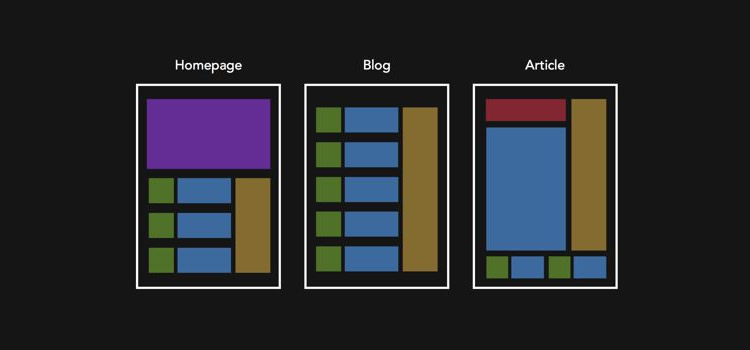
Atomic design is a robust method for creating design systems in which everything starts with the smallest detail of the user interface in mind. It’s not simply limited to colors, fonts, text, visuals, or how a logo can be positioned. It is rather a design approach that guides both designers and developers to come up with a perfect and cohesive website or app.

This modular design approach is the brainchild of Brad Frost, conceived in 2013. The process of atomic design involves breaking down a website into simple and easy elements and leveraging them throughout the website. When the smallest details work in concert with their larger counterparts, it creates an awesome and unified experience.  It helps companies focus on developing design systems, instead of individual pages.

The best part of this modular dynamic design system is that it allows UI/UX designers to understand what they are creating, and the processes involved in the design and the development of interfaces. Atomic design is composed of five distinct layers:

  • Atoms – the basic building blocks
  • Molecules – groups of atoms, which serve as the backbone of the design systems
  • Organisms – a group of molecules combined together to create a complex, distinct user interface
  • Templates – a group of organisms that function together to create pages
  • Pages – the last stage of the atomic design hierarchy that basically involves specific instances of templates

Have a look at this video to understand the concept of atomic website design.

How Atomic Design Can Create Better UI and Improve UX

Implementing an atomic design methodology while developing websites and mobile apps will allow designers to improve the overall UX. By keeping the smallest and most fundamental web and app components in mind. A clear and simple methodology of atomic design helps web design teams craft design systems, not pages.

According to Brad Frost,

Atomic design gives us an ability to traverse from abstract to concrete. Because of this, we can create systems that promote consistency and scalability while simultaneously showing things in their final context. And by assembling rather than deconstructing, we’re crafting a system right out of the gate instead of cherry-picking patterns after the fact.”

https://vimeo.com/109130093

Here are some reasons why using atomic design methodology in your interface design is a sensible approach and how it can help you make a great impact in the end.

1. Create a System of Components

Atomic Design Methodology

When you break down a system into basic and small parts. It will become easier to figure out which components of a website can be reused and how you can mix and match those components to create molecules and organisms. By duplicating and combining atoms, you can create molecules that serve as the backbone of the design systems.

2. User-Friendly Layout

With the atomic design approach in mind, you can create more intuitive layouts that are easy to code. This will make the web development process easier and allow designers to make web design tweaks if needed in the future. In addition, it makes it a lot easier for amateur developers to understand the codebase language. The code of an atomically designed website allows developers to see what atoms, molecules, and organisms are being used and what each part of the code epitomizes.

3. Fewer Components

When requirements are clearly known beforehand, it becomes quite easier for designers and developers to use atoms, molecules, and organisms that already exist. It allows designers to create new components with minor variations while keeping the design consistent and simple.

4. Keep Your Website Up-to-date

One of the major benefits of creating atomic web designs is that it makes it relatively easier to keep your website up-to-date. You can update every single atom the way you want or simply remove certain design features. The best part is, that when you change one element, the change cascades like an avalanche throughout the interface.

5. Make Your Branding Tone Consistent

Atomic design is the philosophy of combining the smallest design details in a more organized way to give birth to large elements. Those elements combine into web templates and in turn pages. Creating a website according to the atomic website design principles gives you the complete freedom to incorporate all the atoms and molecules into your brand style. This will keep your website design visually cohesive and your brand message consistent across all platforms.

You can even extrapolate basic elements from a design that is not atomic and bring them under one umbrella to create more pages. It is highly advised to develop your website atomically right from the beginning, rather than trying to incorporate an atomic web design approach to your website down the road.

6. Facilitate Prototyping

When you have accumulated a comprehensive list of atoms right before commencing the process of website design and development, it’s easier to create mock-up pages quickly. You simply need to choose and combine the required elements of the layout. Best of all, the mockup can easily be customized and refined for the final project.

7. More Consistent Code

Atomic design allows you to capitalize on predefined atoms to create your interface design. It is quite easy to see which elements are already used for different parts of the site. This serves to alleviate the chances of code duplication. Pattern Lab helps you build thoughtful and pattern-driven user interfaces with the help of atomic design principles. It is a static site generator that stitches together all the UI components, allowing you to create front-end codes for atomic design systems.

To Conclude it All

To put it in a nutshell, the atomic design is a unique and effective design and development methodology that can construct a better UI. If truth be told, this design approach deals with crafting user interface design systems, irrespective of the technology used to create them. In today’s competitive world, our custom web design company should use atomic web design principles to create practical, lively, and evolving design systems, better products, and improved UIs, which can easily be understood by their target users.

Creative Ways Of Your Products On Social Media
Guide Social Media Marketing

Promote Creatively 6 Smart Ways to Showcase Your Products

branex-logo Team Branex

Social media platforms have become integral to modern marketing strategies. Businesses of all sizes are leveraging these platforms to showcase their products, engage with customers, and drive sales.

What is the most underrated pleasure? A question asked on Quora that got around 3,500 answers. But the most interesting one was: ‘Sitting in the toilet’.

I mean are you serious? Yes, in fact, Poop Like Royalty is a tagline by a brand that manufactures devices which can help correct your toilet sitting posture. It is not about the product itself. It is about the way the brand is portraying the product.

Poop Like Royalty

Squatty Potty, dubbed "the stool for better stools," capitalizes on its doey-eyed unicorn with active bowels, expelling rainbow soft-serve ice cream while sitting on a throne. The furry, fantastical character alone is credited with a 400 percent increase in retail sales and a 600 percent leap in online sales with a single video that will forever change the way you drop the deuce.

The adorably creative ad broke all boundaries and its absurdist fever-dream theme hooked viewers until the very end, groaning to see the end of this intensely persuasive and personal infomercial. How could such an innocuous product, a small plastic step to be more specific, that will “give you the best potty of your life” according to the princely narrator, glean sales exceeding over $15 million in one year, you may be wondering? The answer lies in stellar storytelling!

Brands of today are jumping on insane ways to leave an everlasting impression on their users. Marketing tactics that are way above our heads are going viral and gaining the attention that is due them.

For instance, MagicLeap – a brand working on augmented reality, managed to capture an audience of 32,000 Twitter followers and 60,000 Facebook fans even before they launched their first product. How is that even possible? Because it’s engaging, thought-provoking, and interactive content gives users a sneak-peak into what they can expect next, keeping them on their toes at all times. Through such captivating video content, the brand is getting the world ready for what it is about to debut: AR goggles which would make it difficult to discern much between digital and virtual or real objects, making all data integrate seamlessly in our surroundings.

The good news is that some brands are already using insane tactics to portray products on social media. The great news is, that after this blog, you’ll be drilled in a few tactics through which you can flaunt your product on social media without even worrying about your competition!

1. A Teaser on Social Media

“Why is it that when one man builds a wall, the next man immediately needs to know what's on the other side?” ~George R.R. Martin, Game of Thrones

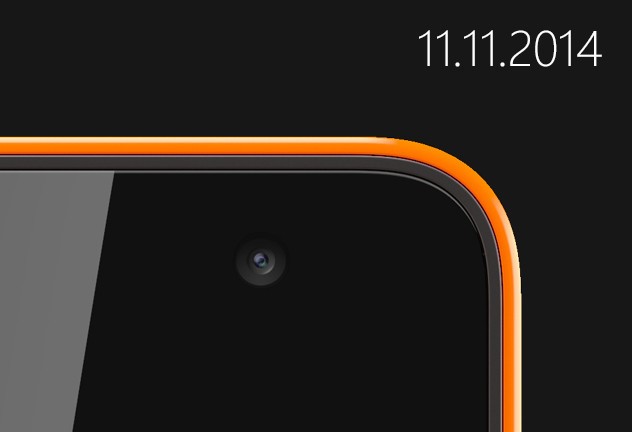
The key is not to reveal what your product is going to be. When Microsoft Lumia was launched back in the year 2014, it was barely a small step in the ocean. A new product with a blank canvas.

Microsoft Lumia for Social Media

There are several ways in which you can grab the attention of the users. You can either start a countdown. The countdown will serve two purposes. First, it will keep people engaged and serve as a reminder. Second, it will keep your audience curious about something.

The best approach is to start the countdown 4 days before the launch. You can launch the countdown on the homepage of your website and market it across all social media channels. You can even make a short video, leaving your audience excitedly guessing what you have in stock for them, rewarding those who can Venture the most accurate guess!

2. Blog About It

Are you looking to drool a river? All you have to do is to pop open the “bake happy blog” of Hershey’s to be bombarded by a mouthwatering treasure trove of recipes, promising all the goodness that chocolate has to offer. Even if you are not a baking aficionado, the simply pupil-dilating images would instill in you a passion to try your hands at a chocolate lava cake or perhaps a batch of chocolate fudge pecan pie bars. The best part: all these repertoire of recipes have a Hershey’s product or two at their core! Craving for a chocolate almond fudge? Better head to the grocery store to grab a bag of Hershey’s special dark Chocolate Chips!

Blog About

You can take advantage of blogging to generate the right buzz around your product. Not just before pre-launch, but afterward as well. You can start the blog by creating awareness. Why is your product important for people? What real-world problem is it promising to solve?

If you’re able to convince people to use your product because it is catering to a need, it will be easier for you to gain attention when the time comes. People will be excited, and curious, and will invite their friends to test your product.

For instance, this highly creative startup regained, rescues the leftover nutritious grain from breweries, and recycles this mélange of fiber, protein, and a whole lot of micronutrients into super-grain flour which is incorporated into all their baked products. Since the concept is pretty novel, they leverage their blog to inculcate awareness about what they do, including taking their audience on a behind-the-scenes tour of the refinery to make them comprehend the notion.

Product or Service

Use the power of words to inspire people about your product. You can even create a series of blog posts that are centered on the how-to of your product or service.

An excellent example is that of TaskQue. A task management tool that can help managers better accomplish their resources by assigning automatic tasks to idle resources. If you see the TaskQue Blog, you’ll notice that all the blogs are themed around productivity, product features, and topics that are pertinent for project managers, to make their lives simpler.

Taskque

3. Create a Video

When DollarShaveClub.com wanted to stand out from the typical TVC war, they created this hilarious TVC which went viral in no time. What makes this product video stand out is how well the company is acquainted with its audience and the real-world problem it is addressing; that of the exorbitant costs of store-bought razor cartridges.

The company aspired to tap into a demographic of young, professional men who often purchase big-brand razors at local stores. The well-targeted, absurdist launch video catered well to their targeted end-users, and as a result, the video gleaned more than 11 million views.

If you have the right budget, you can even leverage a fun animated video announcing the new launch and letting the people get acquainted with your product. For instance, the animated product launch video of Soluto, an anti-frustration software that helps its patrons do new things with the services and devices they use based on their interests and behaviors, shows how the brand is empowering its customers to get the most out of their technology.

https://vimeo.com/35831813

Similarly, you can share behind-the-scenes of the product, which usually intrigues consumers to establish a personal bond with the brand. Whatever it is, you have the opportunity to get creative and get your audience animated by creating a unique video that catches their eye.

4. Limit the Quantity of the Product

If you want to create the right hype about your product, the best way is to limit the quantity of the product. Or at least pretend that you have a limited quantity to create a sense of urgency around your offering. Not only does this make your product appear more valuable, but if you sell out you’ll create even more hype for your product for the next go-round. It will also compel the users into impulsive buying decisions.

Product Page

5. Ask Influencers for Help

Ring up the top 100 digital marketers of the year 2018, invite them over for a cup of coffee, and give them your product. Let them use it, and ask them to review the product on their social media pages. Once you’re able to sell a few influencers on your product, you’ll be able to create momentum for your product. There are plenty of opportunities to get creative with this one, but don’t overlook the great opportunities that come from networking and putting together a community around your launch.

Power of Influencer Marketing

You can even offer incentives to influencers and help them build more networks around your customer database. You can even ask the influencers to become your brand advocates and pay them a small fortune for their troubles.

6. Unite Your Tribe with a Cover Photo

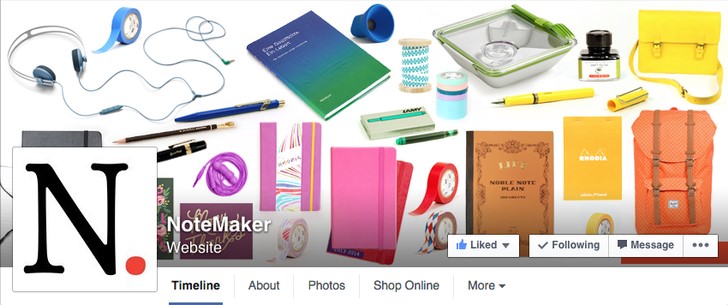
The great thing about social media is that it is addictive. You can start with baby steps, add people, and within no time, you’ll be able to influence an even greater number. For instance, you can leverage your cover photo to flaunt some of your products, especially if you are designing for retail. An online stationery shop, NoteMaker, displays its key stock items neatly on its cover photo against a white background to direct the eye where it is supposed to be directed.

Facebook Cover Photo

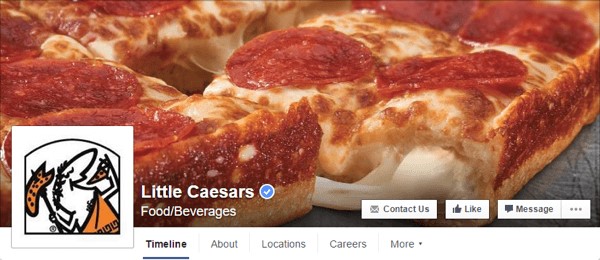
Brands in the food industry can jump on a host of stellar opportunities to grab attention using enticing photos of their mouth-watering offerings. Let your audience know what’s new on the menu, which of your flavors is becoming an eye candy, and what new promotions are on the way.

Here, the melting cheese oozing out from the slice is sure to kick all your pizza cravings into action!

Pizza Slicing

If you plan to launch a website, a brand, or even a brick-and-mortar store, you can change your social media cover photo on every channel and ask your customers to do the same. Of course, you can offer them some incentive to do so.

But the thing is to create a tribe and let the people follow that tribe. You can even use the countdown to create engagement among the young souls. In this way, people will be curious about what is coming their way.

To Wrap It All

Whether you take away one idea from this post or try to implement them all, you'll be able to create a little more excitement around your new business launch. And the more excitement you can generate around your business, the greater chances you have of expanding your audience, engaging with your followers, and increasing your sales.

Social Media is Reshaping the Future of Education
Digital Marketing Infographics

20 Clever Ways Social Media is Reshaping the Future of Education

branex-logo Team Branex
The days when you have to wake up early, get ready for school, and attend boring lectures are long gone. Learning methods are slowly but surely shifting from traditional to digital and we are seeing an influx of technology in education. With a majority of teens and young adults spending hours on social media every day. Why not use social media as an educational tool? It would not only make education a lot more interesting and interactive. However, students will be more than happy to learn on their favorite social media platforms. It is a win-win situation for both teachers and students. Do you think that the move to introduce social media in class will distract students even more? Think again. Many studies have shown that class participation and student engagement increased significantly by using social media in the classroom. Here is an infographic that shows you how you can use social media to quench the thirst for knowledge of students and impart quality education by using these 20 clever ways. Social Media is Reshaping the Future of Education
Mark Zuckerberg Senate Hearing
Entrepreneurship Innovation

Mark Zuckerberg Testimony: 7 Memorable Moments From The Event

branex-logo Team Branex
After the Cambridge Analytica episode, Facebook landed in hot water and became the unrelenting brunt of criticism from all circles. Some big names such as Elon Musk also lashed out on Facebook for their failure to keep collected data secure. This week, Facebook’s CEO Mark Zuckerberg appeared in front of senators to testify and answer some tough questions from Senators. The energy on Twitter and in the room was downright electric as the CEO of the social media behemoth adorned the hot seat, surrounded by cameras. However, on a lighter note, less expected were the somewhat rambling and awkward moments throughout the combined 12 hours of testimony, as congress members grappled to get their heads around the legitimately intricate technology they were interrogating. Here is the inside story and some noteworthy moments from the event.

1. We Run Ads

Senator Orrin Hatch asked Mark Zuckerberg a question that left many rolling their eyes at his sheepishness: How do you sustain a business model in which users do not pay for your service? The tone in which he composed the question made viewers question whether he even had the slightest idea about how Facebook operates its revenue model. CNN anchors and internet trolls are forever waiting for such a slip-up to pounce on and they made it big time. This is why Mark Zuckerberg’s reply to Senator Orrin Hatch’s question made headlines. With a smirk playing at the side of his lips,  Zuckerberg retorted, “Senator, We run ads.” He responded back with a hangdog, “I see, that’s great.” https://www.youtube.com/watch?v=n2H8wx1aBiQ

2. Big Brother is Listening

There are many conspiracies surrounding Facebook and one of them is that Facebook secretly listens to you. Senator Gary Peters set the alarm bells ringing by voicing this concern in front of Mark Zuckerberg and asking him about the common suspicion that Facebook listens to its users via their mobile devices. To make matters worse, his question was too directed, leaving Zuckerberg no choice but to answer with a resounding “yes” or a “no”. Congressman Larry Bucshon shared a real-life example of his son which we can all relate to at some level. His son once mentioned that he wanted to buy a suit and soon thereafter his newsfeed was bombarded by ads of suits online. Mark Zuckerberg brushed it under the carpet by saying, “My understanding is that a lot of these cases that you’re talking about are a coincidence.

3. Love For Chocolate

Senator Bill Nelson was outright about his predilection for chocolates. “I’m communicating with my friends on Facebook, and indicating that I love a certain kind of chocolate. And, all of a sudden, I start receiving advertisements for chocolate. What if I don’t want to receive those commercial advertisements?” His argument further reinforces the accusation that Facebook does indeed spy on its users.

4. Palantir = Stanford Analytica

Senator Maria Cantwell reassured Mark Zuckerberg that he was not alone. Peter Thiel also founded a data analysis firm called Palantir, commonly known as Stanford Analytica. “Do you agree with this notion?” Maria asked Zuckerberg. Mark Zuckerberg’s answer ensued after a few minutes of silence, “Senator, I have not heard that.” It was a cross-reference to Cambridge Analytica and a sardonic rhetoric chucked by Senator Maria Cantwell. Zuckerberg was cunning enough to understand the dynamics and handled it pretty well.

5. Senator’s Love For Facebook

Despite Cambridge Analytica’s debacle, most Senators can’t seem to get their heads around the notion of parting with Facebook. Senator Thom Tillis confessed to Mark Zuckerberg, “I have got 4,900 friends on my Facebook page. I delete the haters and save room for family members and true friends on my personal page”, while Senator Roy Blunt shared the story of his 13-year-old son Charlie, “My son Charlie, who’s 13, is dedicated to Instagram, so he’d want to be sure I mention him while I was here with you.” Senator Shelley Moore Capito requested Zuckerberg to bring fiber optics to West Virginia as some rural areas lack high-speed internet connectivity. Mark Zuckerberg jumped on the opportunity to promote his Free Basics Internet initiative. This carried over well into the second day of the testimony, as senators requested Zuckerberg to introduce high-speed internet connectivity to several other districts.

6. What If Your Data Was Breached, Mark?

It was smooth sailing for Mark Zuckerberg until Senator Dick Durban made him break out in a sweat with a tirade of accusations. “Mr. Zuckerberg, would you be comfortable sharing with us the name of the hotel you stayed in last night?” Mark Zuckerberg was surely caught off-guard and shook his head in negative after a small respite. Unfortunately for Zuckerberg, the inquisitions did not end there. Durbin tossed another free ball, “If you’ve messaged anyone this week, would you share with us the names of the people you’ve messaged?” Mark Zuckerberg answered, “No, I would probably not choose to do that publicly here.” What these two seemingly innocuous questions accomplished was to justify all the hoopla around the indictments and reaffirm user apprehensions surrounding the Cambridge Analytica farce. Positively Grilled! https://youtu.be/sWDwh5UxWMs

7. FaceMash and Movie References

Billy Long took a trip down memory lane and started reminiscing about FaceMash, an app created by Mark Zuckerberg too long ago. “What was Facemesh, and is it still up and running?” Mark Zuckerberg responded in the affirmative with a reference to the movie, “The Social Network”. He further adds, “It was of unclear truth — and the claim that Facemash was somehow connected to the development of Facebook. It isn’t. It wasn’t.” Mark Zuckerberg looked flustered at Senator Billy Long’s satirical remark, “Just coincidental? The timing was the same, right? Just coincidental? You put up pictures of two women and decide which one is the better, more attractive of the two?” What do you think about Cambridge Analytica and Mark Zuckerberg’s testimony? Share your opinion with us about how it will play out for Facebook in the long run.
Instagram Shoppable Post
Digital Marketing eCommerce

Instagram Shoppable Posts: The Next Big Wave of E-commerce

branex-logo Team Branex
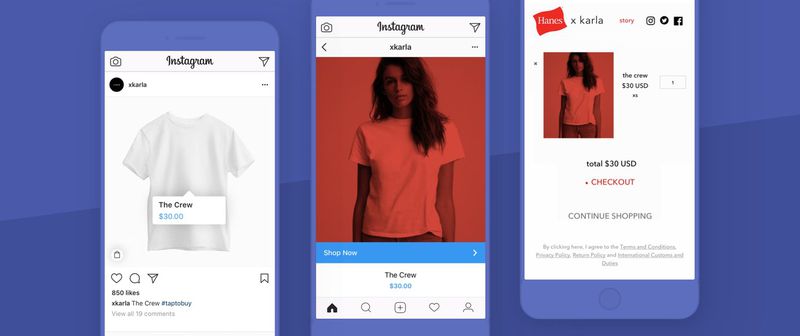
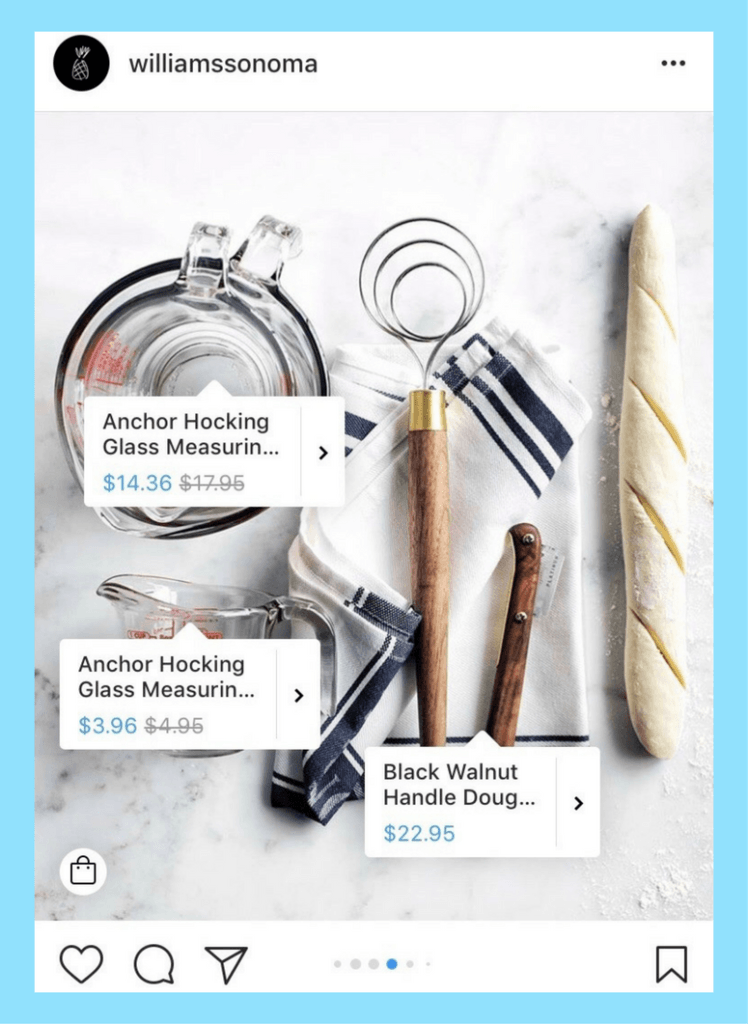
Instagram has been the most powerful and effective platform for visual storytellers for years because of its main focus on appealing photography, mesmerizing cinematography, and striking videography. The whopping number of the app’s user base makes Instagram a result-driven and attractive platform for merchants to showcase and sell their products. Instagram shopping was first made possible last year when the social media network launched Instagram shoppable posts; an integration feature that makes it easier to tag and sell products directly from organic Instagram posts. Now consumers can go from inspiration to information to purchase in a matter of a few clicks in a completely organic way. Instagram users can buy their favorite items by simply tapping on a link and purchasing it from the seller’s online store without leaving the app. With Instagram shoppable posts, brands have a tremendous opportunity to connect with their potential customers by quickly providing them with all the relevant information, such as product description, pricing, relevant or matching items, and more with a single click without having to switch between apps. https://vimeo.com/209655799 If you haven’t taken advantage of Instagram shopping yet, now’s the time to create Instagram shoppable posts and start generating more revenue.

Why Create Instagram Shoppable Posts?

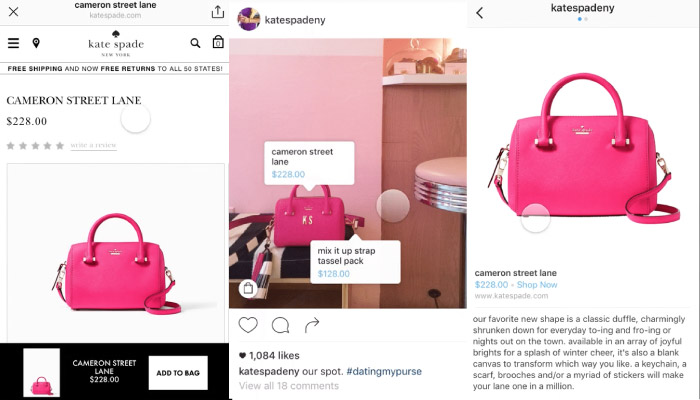
Instagram Shoppable Post Instagram shoppable posts make it easier for brands to sell their products with minimal effort and provide a convenient way for consumers to make a purchase. With Instagram shoppable posts, brands and retailers can tag products in organic posts, allowing consumers to tap on the product to find out the desired information. Adding shopping tags can further promote your brand while allowing you to invest more in sponsored posts that will eventually bring more and more users. Instagram shopping offers a seamless experience for users who want complete information about products. This feature gives users an easy way to buy the product without having to leave the app. Instagram shopping allows users to delve deeper into products from the brands they love and follow. Making your posts shoppable makes it extremely convenient for consumers to know more about what they are looking at and complete their buying journey. This is indeed a huge deal for retailers and e-commerce brands that sell products online. As it allows businesses to easily connect their potential customers with the products they sell while streamlining the Instagram buying journey. Instagram Buying Journey
How Does Instagram Shopping Work?

Instagram shopping is based on a tagging option but instead of people, only brands will be able to tag products. Users can see the name and price of the product. By clicking on the tag, users will be taken to a more detailed page where they can find complete product details, similar products, and other shoppable posts. If a user clicks on the Shop Now button, they will be directed to that specific product on the business website. Instagram Shopping Work

Why is Instagram Shopping a Great Option for Small Businesses?

Previously, Instagram allowed brands to incorporate only one hyperlink in their bio and snubbed at the inclusion of external links in posts. Thanks to Instagram shopping, it has become a breeze for users to purchase the exact item that they are looking at, rather than being directed to a link in bio to peruse through the site and content with the hassle of unearthing what had caught their fancy on Instagram. By leveraging this Instagram feature more strategically, you can boost your chances of getting more conversions, and eventually sales. But it will only be possible when you have a massive, engaged follower base. You can create a huge following on Instagram and foster authentic connections with your cliques by keeping up a constant stream of engaging posts and user-generated content. People who trust your brand and feel connected to you are more likely to purchase from you.

Post Visually Alluring Photos

Keep in mind that Instagram is a visual platform. You won’t be able to nurture an authentic connection with your followers if your images appear unprofessional, run-of-the-mill, or unappealing. You will also fail to reel in your audience with blurry, cluttered, low-res, and dark images that fail to elucidate your products in the best possible light. If you really want to sell your products on Instagram, it is advised to inspire your audience and narrate your brand story with real, catchy, and professionally captured images, which are enticing enough to coax the users into a purchase. Post Visually Alluring Photos Instead of simply posting lackadaisical images of your products, inspire your audience with real ideas using items that you sell in your store. For instance, if you sell silk scarfs, why not post creative pictures of ways in which your product can be tied up or turned into a makeshift top perhaps? Tell them an inspirational story about your products which may encourage your followers to make a purchase.

Over to You

Brands should take advantage of Instagram shopping as the convenience of not having to leave the app encourages many shoppers to make instant purchases. Since people spend a lot of time on Instagram, brands and retailers have tremendous opportunities to promote and sell their products by creating an influx of Instagram shoppable posts. They have made it easier for consumers to make purchases on Instagram with a few clicks. Add shoppable posts to your Instagram marketing strategy and increase your chances of soliciting more conversions, leads, and in turn, revenue.
TED Talks For UX Designers
UI/UX Web Design & Development

10 Interesting TED Talks For UX Designers You Must Watch

branex-logo Team Branex
Design is deeply ingrained in TED’s DNA. Even the D in TED spells out “design”. From its inception in 1984, TED has been a voice of authority on design inspiration, churning out stellar short talks that make us see our world in a whole new light. UX design in particular has matured in tandem with the TED audience, which is why it hardly comes as a surprise that the non-profit is replete with motivational talks on ways to improve UX design outcomes and processes. After all, Experience is an expansive, subjective field, influenced by a wide array of factors. What ticks me off can leave you in raptures. We have all found ourselves wondering at times how we experience things around us, how we can craft all the desired experiences, and in turn, how to create experiences that would resonate with others. TED talks in all their wisdom, offer nuggets of wisdom that UX designers can take away from. From wonderful musings on how to craft a user-focused team to talks on the future of prototyping user interfaces, TED’s online platform has something for every UX innovator and designer to take UX design processes to unprecedented levels. If you are a UX designer on the lookout for some web design principles, fascinatingly creative ideas, stellar design strategies, or out-of-the-box design inspiration, here are some incredible TED talks to rekindle your fire:

1. The First Secret of Great Design - Tony Fadell

https://www.ted.com/talks/tony_fadell_the_first_secret_of_design_is_noticing Tony Fadell is a designer, entrepreneur, investor, and originator of the iPod and the Nest thermostat, who possesses an in-depth knowledge of great design. In this comical, yet enlightening talk, Tony Fadell discusses how noticing the tiniest details can help designers fabricate a better product. He shares the well-hushed secrets of design and explains how to drive positive changes in design. Through this video, he is trying to push designers to come up with out-of-the-box and mind-numbing design ideas!

2. The Three Ways That Good Design Makes You Happy - Don Norman

https://www.youtube.com/watch?v=RlQEoJaLQRA&list=PLR84EITvtzM3iCs3PWHBli8SuXtqvuhwE In this talk, Don Norman, the director of “The Design Labs” and the author of “Emotional Design”, wants nothing more than to show us how to bridge the chasm between products and their end users. He explains how design can make people feel happy in three ways and highlights three emotional cues that a well-designed product needs to incorporate to succeed. According to Norman, his theory of emotions constitutes three important components: reflection, functionality, and beauty. As he says, “pleasant design works better”, he aims to delve into the difference between “outside-the-box” or breadth-first thinking and depth-first thinking which comes into existence when we are anxious or scared. Specific, relatable examples peppered throughout his talk, in addition to hints of humor, make the video more interesting and engaging till the end.

3. Design is in the Details - Paul Bennett

https://youtu.be/7g0O003kufA Paul Bennett, a design expert and chief creative officer at IDEO, beautifully explains in this video how design can help solve overlooked and universal, even minute problems, and doesn’t have to be all about grand gestures. Bennett claims that with empathy at the heart of design, you can transform the ordinary into extraordinary. He explains the concepts behind several fun, different, and captivating products designed by his firm IDEO and the processes his team has capitalized on to design those products. He concludes his talk on a thoughtful note: “Pick battles big enough to matter, small enough to win.”

4. How Giant Websites Design For You - Margaret Gould Stewart

https://youtu.be/quJdL9ggETI Margaret Gould Stewart, Facebook’s director of product design, shares some great insights on UX design and explains how even the most seemingly insignificant details can sometimes have a massive impact. Intelligently drawing on the like and share buttons of Facebook, the two most viewed UI elements on earth, as an example of a design on a great scale, she shows how something so small can lead to more than 22 billion impressions a day. She truly believes that one needs humility and audacity to design across such a massive scale. She further describes that the most fundamental thing which helps to create a great UX design is to clearly understand the audience you are designing for so that you can improve and evolve your products. With the help of real-world examples, she shows you how to design stellar user interfaces for a diverse audience.

5. Design for All 5 Senses - Jinsop Lee

https://www.youtube.com/watch?v=N6wjC0sxD2o&t=64s Jinsop Lee, an industrial designer and founder of the firm “Uncle Oswald is My Hero”, truly believes that great design should appeal to all five senses. He shares his five-sense theory with a handy graph and some great real-life examples. He reflected back on how he started to evaluate every experience of his life with his famous five-senses theory, which has led him to discover true gems of design.

6. Designers Think Big – Tim Brown

Tim Brown, the CEO of IDEO, explains how design has unwittingly shrunk down from the ambitions and skyrocketing aspirations of engineers to modern design centered on fashion, aesthetics, and objects. However, design is on its uphill journey once again. He stresses the fact that focusing on the small stuff in design is not working anymore and it is high time to make the shift to design thinking, a problem-solving process of testing, rapid prototyping, and listening, to create new human-centric solutions. By giving some inspiring examples of design thinking, Brown highlights the major benefits of thinking big in design.

7. The Complex Relationship Between Data and Design in UX - Rochelle King

https://youtu.be/YTRIeWI0EGQ Rochelle King – the senior designer at Spotify, explains the process of redesigning a website and shares some best practices for fostering a strong relationship between designers, data, and the target audience. She highlights the importance of data and design and explains why you should leverage these two to create seamless experiences. King highlights all the right questions that designers need to ask if they are looking to extract the pertinent data before stepping foot in designing. She reflected on how at the launch of each new user interface, she further explores the prototype testing and user research process that takes place at the company. This amazing case study unravels the potential and power of UX design and inculcates in designers the best valuable practices.

8. Reinventing User Experience - Kes Sampanthar

https://youtu.be/k0wK9MX6cRA Kes Sampanthar believes that when it comes to creating engaging products, instead of thinking about design and usability, you have to focus on encouraging your users. The design industry can greatly benefit from this motivational design theory of Sampanthar. In his talk, he shares a murder mystery story in the Louvre and some other amusing stories to intelligently explain the psychology behind motivational design and how capitalizing on human pleasure can help you create products that your users will fall for.

9. The Power of Time Off - Stefan Sagmeister

https://embed.ted.com/talks/stefan_sagmeister_the_power_of_time_off# Stefan Sagmeister, a senior graphic designer, shares his experience on how he decided to cut five years from his retirement and how well he spent those years. On the completion of seven years, he shut down his design studio and dedicated another year to his personal projects. He highlights how this time off boosted his creativity and prepared him for his impending paid work phase.

10. The Beauty of Data Visualization - David McCandless

https://youtu.be/5Zg-C8AAIGg David McCandless is a creative director, designer, and artist. In this TED talk, he explained how good design can completely change the world. He elucidated how he transformed complex data sets such as Facebook statuses and military spending into simple and beautiful diagrams that gave rise to unseen patterns and connections. He believes that converting complex data into digestible and understandable chunks can do wonders.
Ways To Increase Mobile App Downloads
Guide Mobile App

5 Intelligent Ways Growing Entrepreneurs Can Increase Their Mobile App Downloads

branex-logo Team Branex
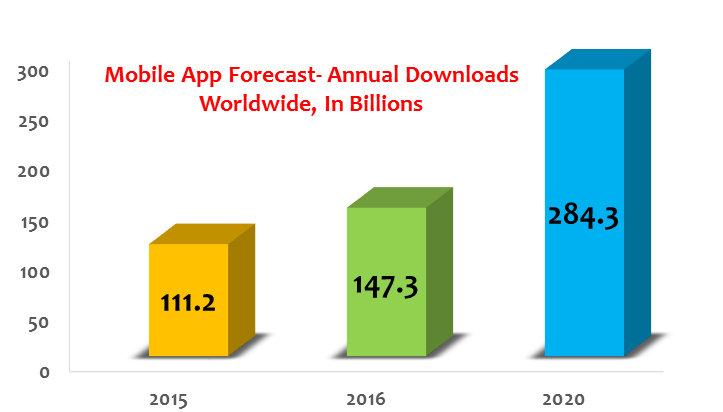
If you’re reading this blog post, I can safely venture a guess that you’re about to launch a mobile app – perhaps your first one. This means you need to put in serious efforts to get your message across and capture the maximum number of mobile app downloads so that you can succeed with your grand mobile app idea. With a host of viable mobile app promotion strategies at your disposal. You will be able to gain maximum app downloads for your mobile app. "The mobile device has become our communications hub, our diary, our entertainment portal, our primary source of media consumption, our wallet, and our gateway to real-time information tailored to our needs. The revolution is now!" ~Nihal Mehta, Eniac Ventures With nail-biting competition prevalent between the Google Play store & Apple app store, it is audacious to convince users to download the mobile app. Not to mention, when you are working with a shoestring budget, it gets even more difficult to spread your message. Luckily, there are some free ways in which Entrepreneurs can entice users into downloading their mobile app. Download Mobile App Forecast

1. Enhance Your App Store Optimization

I cannot even begin to comprehend such a list without giving precedence to app store optimization & its innumerable merits. App store optimization is the process of augmenting the title and app description, under the guidelines provided by the app store. The key is to make your app discoverable on the app store charts. Although mobile app developers are leveraging ASO, there exist some run-of-the-mill marketers and developers who are still oblivious to this. If you’re one of them, now is the time to drill yourself into the niche and learn everything you can about ASO. Akin to SEO, there are dozens of ASO tutorials across YouTube, which can help you jump-start your mobile app optimization. You can gear up your mobile app keyword research by Neil Patel’s brilliant blog post your mecca. You can also solicit the help of credible companies, such as AppRadar, and AppTweak, to glean the pertinent keywords for your business. App Store Optimization

2. Invest Some Time in Nurturing Your Online Presence

Do you want to escalate your mobile app downloads without splurging a fortune? Why not start by boosting your brand awareness across various social media platforms? It is time to push out your app all over the internet and make it visible to your audience. You can do so by creating stellar landing pages for your mobile app. Mobile App Downloads for Online Presence You don’t need to be a mobile app development guru in order to create such pages. Also, you can contact a professional mobile app development company and hire them to craft a striking landing page for your app. Even better you can use WordPress tutorials to create one for yourself and save yourself from having to sell out a limb or two. Since you are only entailed to pay a domain cost of around $10, in addition to some preliminary hosting fees. Another high-impact way to augment your brand awareness is to launch a blog in your respected niche and be seen as an authority. For instance, if you have a real estate mobile app, your blog should revolve around sharing nuggets of wisdom pertaining to the buying and selling of properties in your vicinity. Once the user starts reading your blogs, they will start sharing them with others. This will give your brand a solid standing within your niche. The goal of your blog should be to create engagement on web channels. This will eventually foster trust among users to download your app and try it out.

3. Start With a FREE Trial

If you are able to develop an app that creates a sense of urgent need in the market. You’ll be able to capture the market share eventually. But, to jolt the process forward, you need to give your users a sneak peek into what they can expect when they use your app. Most of the time, well-known apps come with a price tag. But, all of them start out with a FREE trial download for a limited period to reel in as many customers as their cast net allows and spread the news for others to follow. Additionally, if your app offers paid in-app purchases, go all generous for a while and cut down the prices to let the users truly experience the quality of your app and encourage them to delve in deeper. Once the customers acquire the taste of your app, you can update to a paid version, and they will be happily obliged to pay anything to use your app. Additionally,  free apps show up more frequently in the app store and create greater engagement among users. Jump on this opportunity to maximize your app downloads. FREE Trial Mobile App Downloads

4. Request Users to Rate Your App

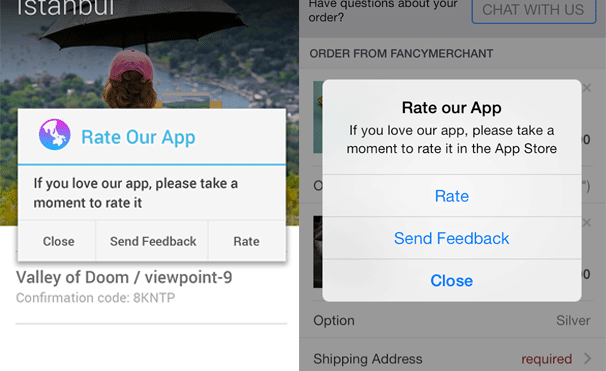
84% of consumers go so far as to claim that they trust consumer reviews about as much as they would trust a recommendation from a trusted friend! When users hear about your app from a friend or any real user. They are more prone to believing the review than they are to heed paid material. This helps to drive more app downloads and improves your overall ranking in the mobile app store. However, this is a double-edged sword. Just as positive app reviews can perk up your mobile app downloads – negative reviews can make your rankings slide down the ladder and have adverse repercussions on your conversion rate. It is important here to note that both Google Play Store and Apple App Store algorithms take app reviews into account when ranking apps in their respective stores. This translates into how reviews can affect the overall ranking of your app. An infallible way to garner happy and constructive reviews is to get in-app pop-up reviews. While the user is still in the throes of operating the app, the time is often ripe to get positive reviews when the iron is still hot. Once they don’t have anything more to do with your app. They are less likely to give a second thought to ranking it. Obviously, you can eliminate deleterious reviews by crafting a memorable experience for your users. Start by fixing your app bugs and facilitating users by incorporating a user-friendly interface. Before the user points out any wiretaps, go for a postmortem of your mobile app & remove any hindrances and issues that may exasperate your users. Rate Mobile App

5. Put Your App in the Spotlight

Last but not least, it is important to get your app out for people to see, as much as you can. Mention your app in any significant online forums and use Quora to introduce your app to any potential customers. You can even get help from brand influencers. Give them the premium version of your app for free and ask for their honest reviews. Request them to publish their reviews online. Do a press release in email tech journalists and show them what makes your app different from other apps out there. The point is to make the right influencers fall head over heels in love with your app. The experience, the emotions, and what else you can use to evoke the feelings of the influencers and make them gush admirably about your services. You can also ask tech websites to review your app. If your app is worth it, they might even review it for FREE. Spotlight Search

To Conclude it All

Regardless of how great your app is, if you don’t put in enough effort to promote it, no one ever feels inclined to download an unknown app that they randomly come across. With the nerve-wracking competition out there, it is almost impossible to find new strategies to promote your app. Everything is easy if have a bulging pocket, but as an Entrepreneur, it gets difficult to invest in app promotions at the start. You can seek help with these techniques to boost your mobile app downloads for free.
Cinemagraphs On Instagram
Social Media Marketing

Cinemagraphs On Instagram: How Brands Capitalizing On Raging Fad?

branex-logo Team Branex
One evening during our usual evening tea, my mom, an Instagram Fanatic, seemed rather distracted by something that had caught her eye on the phone. She swayed her phone from side to side and squinted her eyes trying hard to focus. Noticing that the tendrils of steam wafting out of her teacup were growing thinner, I called out to her. She suddenly piped up, “Do objects actually move on Instagram or is it just me? Is there something wrong with me”? I had to burst out laughing as I told her that she was not hallucinating, but rather getting mesmerized by the hypnotic power of something known as “cinemagraphs”. A cinemagraph combines a still image with a looping moving element to create a striking and eye-catching image. Cinemagraphs are not only chic, they unobtrusively draw the audience into their magic. And the best part is, when you stare at an image and it enchantingly comes to life, you will inevitably jump back in a delighted surprise. Indubitably, cinemagraphs serve to capture the eye of users with their inimitability. It has never been easier for marketers to mesmerize social media users with these striking and dynamic photos. In fact, a study by PepsiCo revealed that a cinemagraph performed 5,000% better as compared to a still photo; a whopping 50X lift in engagement from a cinemagraph. This is why the trend of leveraging cinemagraphs on Instagram is growing ever more exponentially since more and more brands are embracing the power of cinemagraphs on Instagram. For instance, when Budweiser showed off a moving leg and subtle beer suds to breathe life into its Instagram photos, people absolutely fell head over heels for their posts. Or remember when Toyota placed an SUV in the woods next to a mountain bike rider, with puffs of dust emanating from under the bike wheels to give an illusion of speed? With only a few precious seconds available to capture the attention of your audience, digital marketers are always looking for more engaging, interesting, and attention-grabbing video content. Last year, almost every major brand shared these living photographs on Instagram in a series of intriguing ways. Many established brands such as Nike, Netflix, Lays, Coca-Cola, Lufthansa, and even small businesses and non-profit organizations have taken to cinemagraphs on Instagram since last year. Especially when it comes to their organic content, promoted posts, and advertising material.

Why Should Brands Share Cinemagraphs on Instagram?

Cinemagraphs on Instagram These quick, animated images with subtle movements look unusual and stand out against the static movements. Unlike regular images or videos, these magical photos are highly unique and attention-grabbing. With a great emphasis on photography and videography, more and more brands prefer to post cinemagraphs on Instagram. The ability to upload auto-loop and auto-play clearly shows that these cinematic pictures can live longer on your Instagram feed and can easily be shared in your Instagram Stories. This is why more and more brands are getting the most out of cinemagraphs and are sharing these magical photos on Instagram ever more frequently. Brands are getting high on this burgeoning medium, because:
  • The bite-sized format makes them easily digestible.
  • Cheaper and easier to produce than video content.
  • Highly attention-grabbing without being annoying or distracting.
  • Encourage a higher level of engagement since they are easily shareable.
  • Keep viewers engaged by offering intricate content.
  • Help brands come up with more elaborate visual storytelling techniques.

New Advertising Medium to Drive Maximum Engagement

If your brand is still not using cinemagraphs, now is the time to make the most of this hot, new, and effective advertising medium that can help you gain maximum engagement. Brands and Instagrammers have started using this mesmerizing and dynamic photo effect like wildfire. And now it is becoming one of the most effective advertising mediums. Stuart Weitzman – the famous fashion brand is using the power of cinemagraphs on Instagram, and to influence its customers more effectively. They have started capitalizing on the custom targeting options integrated within Instagram to target its audience based on their demonstrated brand affinity, visits to the website, and interests. While these ads tantalize their fans with a sneak peek of their products. They also mesmerize users with their creative execution. Also Read: Power of Influencer Marketing

Auto-playing and Auto-looping Videos

Cinemagraphs allow brands to bid adieu to static content. In today’s content-driven world where millions of photos, images, articles, and infographics are shared every day. Digital marketers are always looking for innovative and interesting ways to produce more engaging content. Cinemagraphs are action-driven video content that are way more fascinating than still images. With Instagram auto-playing video content, cinemagraphs can seamlessly play in HD. In addition, auto-looping makes the platform a perfect choice for hybrid photography. Due to a perfect balance between photo and video, cinemagraphs can take the best of both artistic forms. Have a look at these Instagram posts, and you can see how these brands have beautifully leveraged cinemagraphs in their Instagram ads. To put it in a nutshell, cinemagraphs can also be used as an alternative to videos on websites. Since they are simply amazing and consume less bandwidth, thus ensuring a faster load time.

Final Words

The trend of using cinemagraphs on Instagram exploded last year and they have taken their place in conjunction with images and videos, as a very popular mainstream visual medium. They are taking the social media and digital marketing realm by storm. In 2018, it is expected that cinemagraphs will become one of the most popular advertising mediums on social media. Calling all digital marketers, if you haven’t started using this hot trend. Now is the time to add cinemagraphs to your digital media strategy. Use them wisely and leave your audience in a trance.

Learn more about modern development technologies at Google Developers .

1 7 8 9 10 11 17
whatsapp