


Skyrocket Your Ecommerce Conversions With These Essential Tips
 Team Branex
The Internet is full of blogs talking about eCommerce conversion strategies and almost half of them are focused on boosting sales but offering nothing of much value. However, when we asked eCommerce store owners around the globe. It appears they are a bit overwhelmed and exhausted reading stuff off the Internet which offers nothing much of value. Besides, instead of getting a sure-fire solution, they often felt mind-boggled in deciding what areas of the eCommerce store they should be paying attention to.
To take the burden off your shoulders, I have done my part by performing adequate research and finding a few of the best possible ways to increase your store’s sales exponentially.
Today’s article is going to help you find some actionable and proven eCommerce strategies that will help your eCommerce store stand out from the competition.
Read on.
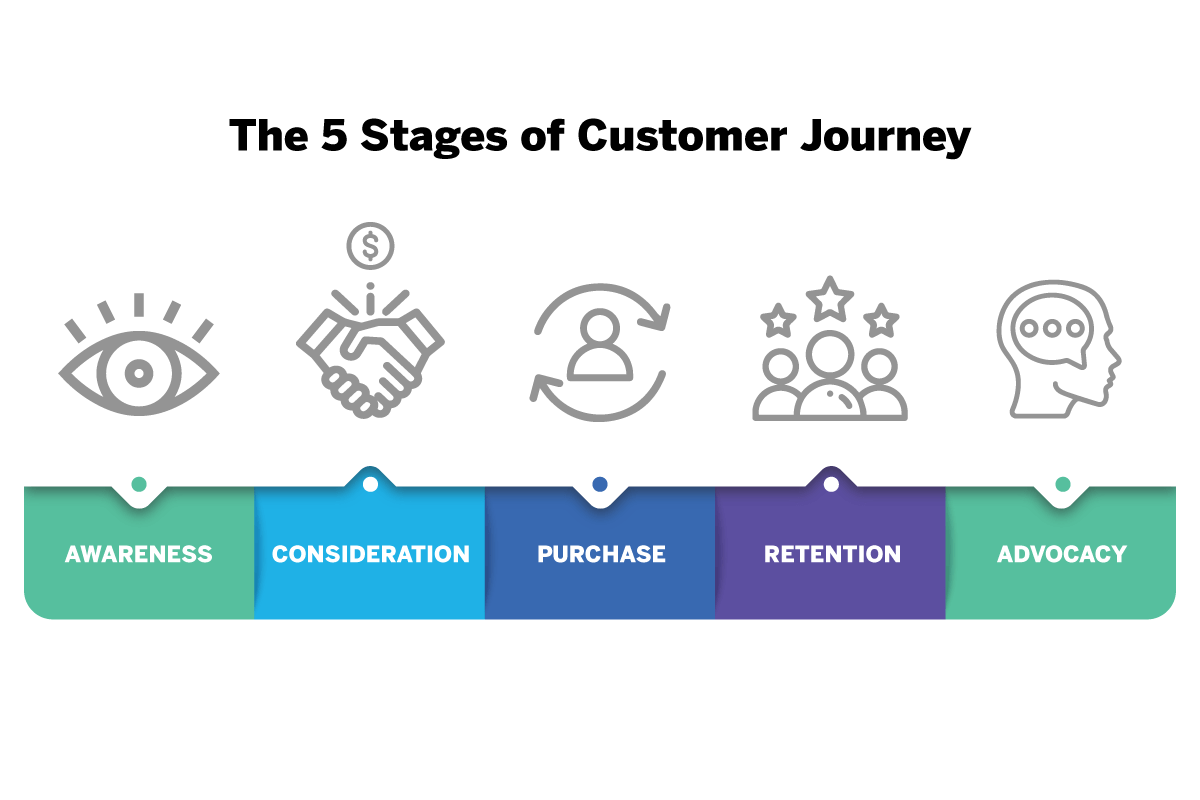 These stages range from awareness to post-purchase.
 What makes an eCommerce store better? The answer lies in navigation.
The easier it is for a customer to find their way around different products in your store, the more accessible your eCommerce store is going to become for customers. If you go exploring the different eCommerce stores, you will find that the navigation for many of them is flat. What does it mean by a store being “Flat”? It refers to the design of the eCommerce store having as few layers as possible.
An eCommerce store serves best when everything is only three clicks on the homepage.
After all, you want to make your eCommerce store as simple as possible for visitors to get from the core landing pages to the product pages and the checkout page.
This, in turn, makes the online purchase as seamless as possible.
Complex navigation is the same as having an eCommerce page with a longer load time. For example, a person might decide to leave your website just because they get stuck in the labyrinthine site design which can be overall frustrating and eventually leads to cart abandonment.
There are several things that eCommerce store owners can do to optimize & improve site navigation. Start by including breadcrumbs, simplifying the option on the menu, and prioritizing other elements.
Amazon is a prime example of an eCommerce store that optimizes navigation for its users.
Despite having millions of products, Amazon uses a flat design to make sure everything is accessible in just a few clicks. The website’s homepage features categories and search filters, while breadcrumbs allow users to track their path through different pages.
For example, when shopping for electronics, customers can quickly narrow down their search by using filters like brand, price range, and customer reviews.
This ultimately reduces the complexity of finding specific products.
What makes an eCommerce store better? The answer lies in navigation.
The easier it is for a customer to find their way around different products in your store, the more accessible your eCommerce store is going to become for customers. If you go exploring the different eCommerce stores, you will find that the navigation for many of them is flat. What does it mean by a store being “Flat”? It refers to the design of the eCommerce store having as few layers as possible.
An eCommerce store serves best when everything is only three clicks on the homepage.
After all, you want to make your eCommerce store as simple as possible for visitors to get from the core landing pages to the product pages and the checkout page.
This, in turn, makes the online purchase as seamless as possible.
Complex navigation is the same as having an eCommerce page with a longer load time. For example, a person might decide to leave your website just because they get stuck in the labyrinthine site design which can be overall frustrating and eventually leads to cart abandonment.
There are several things that eCommerce store owners can do to optimize & improve site navigation. Start by including breadcrumbs, simplifying the option on the menu, and prioritizing other elements.
Amazon is a prime example of an eCommerce store that optimizes navigation for its users.
Despite having millions of products, Amazon uses a flat design to make sure everything is accessible in just a few clicks. The website’s homepage features categories and search filters, while breadcrumbs allow users to track their path through different pages.
For example, when shopping for electronics, customers can quickly narrow down their search by using filters like brand, price range, and customer reviews.
This ultimately reduces the complexity of finding specific products.
 Customers today usually demand shopping experiences customized to meet their preferences.
The more data you can collect on them, the easier it becomes for you to offer them personalized shopping experiences. You will eventually find it easier to predict what they are looking for and then optimize the shopping experience. Let’s say, even if you are only getting started, target the low-hanging fruits. Showcase similar/frequently bought together product items to optimize purchases. It’s a successful way to start because it doesn’t require data collection, but rather creates a new way to collect information.
However, with an eCommerce business, you can take it a step further.
Imagine a Shopify-based clothing store using user cookies, geo-targeting, and augmented reality in eCommerce to enhance the online shopping experience. When a returning customer visits the site, the store can display items based on their previous browsing history.
For example, if the user recently looked at winter coats, the homepage will highlight related products like scarves or boots. Besides, geo-targeting can be used to display location-specific products or promotions. If a visitor from Florida lands on the site, the store may showcase lighter, summer clothing, while someone from New York might see recommendations for warmer, seasonal outfits.
Customers today usually demand shopping experiences customized to meet their preferences.
The more data you can collect on them, the easier it becomes for you to offer them personalized shopping experiences. You will eventually find it easier to predict what they are looking for and then optimize the shopping experience. Let’s say, even if you are only getting started, target the low-hanging fruits. Showcase similar/frequently bought together product items to optimize purchases. It’s a successful way to start because it doesn’t require data collection, but rather creates a new way to collect information.
However, with an eCommerce business, you can take it a step further.
Imagine a Shopify-based clothing store using user cookies, geo-targeting, and augmented reality in eCommerce to enhance the online shopping experience. When a returning customer visits the site, the store can display items based on their previous browsing history.
For example, if the user recently looked at winter coats, the homepage will highlight related products like scarves or boots. Besides, geo-targeting can be used to display location-specific products or promotions. If a visitor from Florida lands on the site, the store may showcase lighter, summer clothing, while someone from New York might see recommendations for warmer, seasonal outfits.
 Emotions play a vital role in increasing eCommerce sales.
Many brands have upscaled their businesses to earn significant profits by simply capitalizing on emotions.
The two emotional drivers that helped many e-commerce businesses increase their sales over time are none other than scarcity and urgency. By showing your stocks are limited, you increase the chance of online purchase solely because it’s marketed as a product available in limited edition.
A sense of urgency shows that a particular product on the market is only available for a short period. Customers often find the need to purchase a product, just because they fear losing out on the great offer.
Emotions play a vital role in increasing eCommerce sales.
Many brands have upscaled their businesses to earn significant profits by simply capitalizing on emotions.
The two emotional drivers that helped many e-commerce businesses increase their sales over time are none other than scarcity and urgency. By showing your stocks are limited, you increase the chance of online purchase solely because it’s marketed as a product available in limited edition.
A sense of urgency shows that a particular product on the market is only available for a short period. Customers often find the need to purchase a product, just because they fear losing out on the great offer.
 More than 70% of the customers prefer to purchase from stores with live chat support. They prefer this mode of communication much better compared to any other, such as emails and social media.
With Live Chat support on your website, it’s bound that no customer will leave your store. If they have any questions for which they seek answers, they can simply ask a customer support agent.
Live Chat offers immediate solutions. If a shopper has any issues related to product return policy, seller information, or anything else, there’s always an expert available to offer reassurance.
More than 70% of the customers prefer to purchase from stores with live chat support. They prefer this mode of communication much better compared to any other, such as emails and social media.
With Live Chat support on your website, it’s bound that no customer will leave your store. If they have any questions for which they seek answers, they can simply ask a customer support agent.
Live Chat offers immediate solutions. If a shopper has any issues related to product return policy, seller information, or anything else, there’s always an expert available to offer reassurance.
 BigCommerce reveals that 69% of online shoppers want eCommerce stores to share more product reviews. This is because people trust other online purchasers more than they believe existing store owners.
Buyers are always looking for social proof before they make up their minds about purchasing a product.
When there are customer reviews on a certain product, it eventually improves the credibility of the store & instills legitimacy of the products. People eventually become more inclined to shortlist the products and ensure they are investing in stuff that’s worthy of purchase. It wins their vote of confidence.
BigCommerce reveals that 69% of online shoppers want eCommerce stores to share more product reviews. This is because people trust other online purchasers more than they believe existing store owners.
Buyers are always looking for social proof before they make up their minds about purchasing a product.
When there are customer reviews on a certain product, it eventually improves the credibility of the store & instills legitimacy of the products. People eventually become more inclined to shortlist the products and ensure they are investing in stuff that’s worthy of purchase. It wins their vote of confidence.
Reverse Engineer the Customer’s Buying Journey
Whether it’s creating interest in your niche, developing awareness of your brand, or delivering more information about your product for better purchase decisions, a customer journey plays a significant role. In most scenarios, the customer journey makes the process appear simple. However, it’s more linear and usually gets performed in 5 stages.
These stages range from awareness to post-purchase.
- Awareness: Customers identify a need and discover your brand through various channels.
- Consideration: Customer researches and evaluates different options, comparing products and reading reviews.
- Decision: Customer decides on a product or service and prepares to make a purchase.
- Purchase: Customer completes the transaction, including checkout and payment.
- Post-Purchase: Customer experiences follow-up support, delivery tracking, and evaluates their satisfaction with the purchase.
Simplify Navigation on Your eCommerce Store
What makes an eCommerce store better? The answer lies in navigation.
The easier it is for a customer to find their way around different products in your store, the more accessible your eCommerce store is going to become for customers. If you go exploring the different eCommerce stores, you will find that the navigation for many of them is flat. What does it mean by a store being “Flat”? It refers to the design of the eCommerce store having as few layers as possible.
An eCommerce store serves best when everything is only three clicks on the homepage.
After all, you want to make your eCommerce store as simple as possible for visitors to get from the core landing pages to the product pages and the checkout page.
This, in turn, makes the online purchase as seamless as possible.
Complex navigation is the same as having an eCommerce page with a longer load time. For example, a person might decide to leave your website just because they get stuck in the labyrinthine site design which can be overall frustrating and eventually leads to cart abandonment.
There are several things that eCommerce store owners can do to optimize & improve site navigation. Start by including breadcrumbs, simplifying the option on the menu, and prioritizing other elements.
Amazon is a prime example of an eCommerce store that optimizes navigation for its users.
Despite having millions of products, Amazon uses a flat design to make sure everything is accessible in just a few clicks. The website’s homepage features categories and search filters, while breadcrumbs allow users to track their path through different pages.
For example, when shopping for electronics, customers can quickly narrow down their search by using filters like brand, price range, and customer reviews.
This ultimately reduces the complexity of finding specific products.
Offering Personalized Shopping Experience
Customers today usually demand shopping experiences customized to meet their preferences.
The more data you can collect on them, the easier it becomes for you to offer them personalized shopping experiences. You will eventually find it easier to predict what they are looking for and then optimize the shopping experience. Let’s say, even if you are only getting started, target the low-hanging fruits. Showcase similar/frequently bought together product items to optimize purchases. It’s a successful way to start because it doesn’t require data collection, but rather creates a new way to collect information.
However, with an eCommerce business, you can take it a step further.
Imagine a Shopify-based clothing store using user cookies, geo-targeting, and augmented reality in eCommerce to enhance the online shopping experience. When a returning customer visits the site, the store can display items based on their previous browsing history.
For example, if the user recently looked at winter coats, the homepage will highlight related products like scarves or boots. Besides, geo-targeting can be used to display location-specific products or promotions. If a visitor from Florida lands on the site, the store may showcase lighter, summer clothing, while someone from New York might see recommendations for warmer, seasonal outfits.
Using Scarcity & Urgency to Increase Business Sales
Emotions play a vital role in increasing eCommerce sales.
Many brands have upscaled their businesses to earn significant profits by simply capitalizing on emotions.
The two emotional drivers that helped many e-commerce businesses increase their sales over time are none other than scarcity and urgency. By showing your stocks are limited, you increase the chance of online purchase solely because it’s marketed as a product available in limited edition.
A sense of urgency shows that a particular product on the market is only available for a short period. Customers often find the need to purchase a product, just because they fear losing out on the great offer.
Add Live Chat Support to Your Website
Having your questions answered or getting your queries resolved, especially when you’re dealing with a salesperson at a store, is much easier than dealing with a person behind a virtual storefront with Live Chat Support, you can offer this liberty to all your customers.
More than 70% of the customers prefer to purchase from stores with live chat support. They prefer this mode of communication much better compared to any other, such as emails and social media.
With Live Chat support on your website, it’s bound that no customer will leave your store. If they have any questions for which they seek answers, they can simply ask a customer support agent.
Live Chat offers immediate solutions. If a shopper has any issues related to product return policy, seller information, or anything else, there’s always an expert available to offer reassurance.
Lastly, Don’t Forget Product Reviews
BigCommerce reveals that 69% of online shoppers want eCommerce stores to share more product reviews. This is because people trust other online purchasers more than they believe existing store owners.
Buyers are always looking for social proof before they make up their minds about purchasing a product.
When there are customer reviews on a certain product, it eventually improves the credibility of the store & instills legitimacy of the products. People eventually become more inclined to shortlist the products and ensure they are investing in stuff that’s worthy of purchase. It wins their vote of confidence.


 JPMorgan is using software that figures out which of the documents are relevant to a case in a matter of seconds, something that used to take lawyers more than 360,000 Hours of hard work.
Before you start rushing to check if your current job is at risk, there is a tool for that as well. Ironically. Will Robots take my job, and will they help you figure out if you need to switch or
JPMorgan is using software that figures out which of the documents are relevant to a case in a matter of seconds, something that used to take lawyers more than 360,000 Hours of hard work.
Before you start rushing to check if your current job is at risk, there is a tool for that as well. Ironically. Will Robots take my job, and will they help you figure out if you need to switch or  In a federal report in the year 2017, it was concluded that more than half a million Americans are unemployed just because they won’t accept a job which is below their skill level. Figure out ways to help employees learn new skills. Develop a culture of lifelong learning.
 It’s necessary to exercise the Curiosity Quotient (CQ). To stay relevant, you must ask the right questions. If you keep a company of diversified people, they will generate new ideas and even contradict your opinions, which will help you to learn something new. It’s fantastic how great of an impact passionate curiosity combined with diverse, inclusive teams can have on the success of a leader, team, and business as a whole.



 Who are these kids? These are ordinary kids with an Entrepreneurial mindset drilled into them. Just like adults, some kids are destined to make it big. Curiosity, self-confidence, and creativity are just a few traits that turn ordinary kids into prodigies.
Can your child be a budding Entrepreneur? Well, that depends on how serious you are about teaching your kids to think and act like one!
Here are 8 skills that you need to inculcate in your kids to help them become boss babies!
Who are these kids? These are ordinary kids with an Entrepreneurial mindset drilled into them. Just like adults, some kids are destined to make it big. Curiosity, self-confidence, and creativity are just a few traits that turn ordinary kids into prodigies.
Can your child be a budding Entrepreneur? Well, that depends on how serious you are about teaching your kids to think and act like one!
Here are 8 skills that you need to inculcate in your kids to help them become boss babies!
 Kristen Hadeed in her book, Permission to Screw Up talks about her relationship with her father. “When I discussed my company name with my father, he told me to check if anyone else is registered with that name.”
“I chucked his warning out the window and registered my company anyway. One week later, I was holding a notice in my hand, with an order to dissolve my company name, as it was already assigned to someone outside our state. At that moment I looked towards my father to hold me and comfort me with warm nothings. But, my father strictly told me to “learn to deal with my demons on my own.“
As parents, it falls on us to teach our kids to get back up on their own after each fall. Instead of acting like a shield, let them become self-sufficient. Let them fail and learn things on their own.
Also Read:
Kristen Hadeed in her book, Permission to Screw Up talks about her relationship with her father. “When I discussed my company name with my father, he told me to check if anyone else is registered with that name.”
“I chucked his warning out the window and registered my company anyway. One week later, I was holding a notice in my hand, with an order to dissolve my company name, as it was already assigned to someone outside our state. At that moment I looked towards my father to hold me and comfort me with warm nothings. But, my father strictly told me to “learn to deal with my demons on my own.“
As parents, it falls on us to teach our kids to get back up on their own after each fall. Instead of acting like a shield, let them become self-sufficient. Let them fail and learn things on their own.
Also Read:  "I spent all my summers on his ranch, from the age of 4 to 16, and [Jeff's grandfather Pop] was incredibly self-reliant. You know, if you're in the middle of nowhere, in a rural area, you don't pick up the phone and call somebody when something breaks, you figure out how to fix it yourself. So, as a kid, I got to see him solve all these problems and be a real problem solver... We learned a lot of things from watching him because he would take on major projects that he didn't really know how to do and then figure out how to do them." ~Jeff Bezos
Most Entrepreneurs didn’t know what to do at the onset. But, one thing they all had in common was an inherent sense of wonder and curiosity to innovate and find new ways to do old things.
As an Entrepreneur, you’ll be forced to solve multifaceted problems on a day-to-day basis. And if you don’t teach your kids to move away from their comfort zone and get their feet wet with something new, you’ll not be able to bring out the best in them.
Instead of rushing to jump in every time you see them struggling, let them play, let them burn the midnight oil figuring out how to do something until they get it right. You’ll be surprised by the amount of energy these kids will put into unraveling out-of-the-solution solutions.
"I spent all my summers on his ranch, from the age of 4 to 16, and [Jeff's grandfather Pop] was incredibly self-reliant. You know, if you're in the middle of nowhere, in a rural area, you don't pick up the phone and call somebody when something breaks, you figure out how to fix it yourself. So, as a kid, I got to see him solve all these problems and be a real problem solver... We learned a lot of things from watching him because he would take on major projects that he didn't really know how to do and then figure out how to do them." ~Jeff Bezos
Most Entrepreneurs didn’t know what to do at the onset. But, one thing they all had in common was an inherent sense of wonder and curiosity to innovate and find new ways to do old things.
As an Entrepreneur, you’ll be forced to solve multifaceted problems on a day-to-day basis. And if you don’t teach your kids to move away from their comfort zone and get their feet wet with something new, you’ll not be able to bring out the best in them.
Instead of rushing to jump in every time you see them struggling, let them play, let them burn the midnight oil figuring out how to do something until they get it right. You’ll be surprised by the amount of energy these kids will put into unraveling out-of-the-solution solutions.
 To build a solid work ethic, kids need to learn the value of hard work. Nurture a sense of independence among kids by assigning them certain responsibilities, even as small as drying out the dishes daily or mowing the lawn. Instead of showering them with needless gadgets, give them podcasts to listen to or success stories to while away the time, to inspire and motivate themselves.
Ensure that your kids learn to do the day-to-day activities well so that when things go south, they can always surface on top of the wave.
To build a solid work ethic, kids need to learn the value of hard work. Nurture a sense of independence among kids by assigning them certain responsibilities, even as small as drying out the dishes daily or mowing the lawn. Instead of showering them with needless gadgets, give them podcasts to listen to or success stories to while away the time, to inspire and motivate themselves.
Ensure that your kids learn to do the day-to-day activities well so that when things go south, they can always surface on top of the wave.

 With kids, don’t just wave off their ideas on-spot, no matter how silly and child-whimsical-fantasy they may sound. Listen to them, discuss with them, and teach them about the pros and cons of their ideas like grown-ups. If you listen to your kids with full attention, it can help build empathy in them, right from a tender age.
 Teach your kids to help their friends and neighbors for a start. Pass on to them the habit of giving out a charity or helping the elderly while they are crossing the street. This will develop in them the spirit of giving back. And once this habit is well-established, kids can use it in their ventures to deliver the impossible.
In the end, even if your kids don’t succeed as Entrepreneurs, these skills can help them in different areas of their lives. As parents, you must train your kids well. Even if your parents didn’t train you, it is your job to ensure that your kids grow with the right Entrepreneurial outlook.
Teach your kids to help their friends and neighbors for a start. Pass on to them the habit of giving out a charity or helping the elderly while they are crossing the street. This will develop in them the spirit of giving back. And once this habit is well-established, kids can use it in their ventures to deliver the impossible.
In the end, even if your kids don’t succeed as Entrepreneurs, these skills can help them in different areas of their lives. As parents, you must train your kids well. Even if your parents didn’t train you, it is your job to ensure that your kids grow with the right Entrepreneurial outlook.


 Leaders Inspire Trust, Managers Rely on Control
Leaders focus on people, they trust them to be the best that they can be. They build loyalty and trust by consistently believing in their competencies. Managers focus on the structures required to set and achieve objectives. They always ensure that systems are in place to attain the best results. They know the consequences if their workers get out of line.
“The manager asks how and when; the leader asks what and why.” - Warren G. Bennis
Whether you are an entrepreneur having to contend with juggling all the major responsibilities of your company and becoming the jack of all trades in turn, or aspiring to become a great leader in the future, learn these important differences that set leaders apart from simple managers.
Leaders Inspire Trust, Managers Rely on Control
Leaders focus on people, they trust them to be the best that they can be. They build loyalty and trust by consistently believing in their competencies. Managers focus on the structures required to set and achieve objectives. They always ensure that systems are in place to attain the best results. They know the consequences if their workers get out of line.
“The manager asks how and when; the leader asks what and why.” - Warren G. Bennis
Whether you are an entrepreneur having to contend with juggling all the major responsibilities of your company and becoming the jack of all trades in turn, or aspiring to become a great leader in the future, learn these important differences that set leaders apart from simple managers.
 The rising waves of digital influence have rendered the means of collaboration clearer to us. Businesses that capitalize on collaborative working enjoy increased benefits in terms of productivity and effective conflict management and also create a viable workplace that respects the needs of individuals and conforms to the requirements of the team. This, in turn, fosters productivity.
It dawned on me that collaborative learning is the dire need of responsible business corporations of today.
The rising waves of digital influence have rendered the means of collaboration clearer to us. Businesses that capitalize on collaborative working enjoy increased benefits in terms of productivity and effective conflict management and also create a viable workplace that respects the needs of individuals and conforms to the requirements of the team. This, in turn, fosters productivity.
It dawned on me that collaborative learning is the dire need of responsible business corporations of today.


 Thankfully, we have multiple tools available that can be used to leverage collaborative working within organizations in the fast-paced digital age of today.
Some of the most effective collaborative working tools are:
Thankfully, we have multiple tools available that can be used to leverage collaborative working within organizations in the fast-paced digital age of today.
Some of the most effective collaborative working tools are:
