What Small Businesses and Entrepreneurs Can Learn From Amazon Marketing Strategy?
 Team Branex
Small businesses and entrepreneurs can learn valuable lessons from Amazon marketing strategy, including the importance of customer-centricity, innovation, efficient logistics, and a strong online presence.
It was in 1995 when we saw an unknown company disrupting the way we do shopping.
The company leveraged the power of the internet to make it very easy for us to purchase our favorite books.
That company I’m talking about is a homonym of the largest rainforest on the planet.
No one would’ve thought (including myself) that this one-man show would lay the foundation stone of a $25 trillion global e-commerce market.
It would not be an exaggeration to say that Amazon has now become a tech goliath. From e-commerce to the cloud, from media entertainment to smart speakers; Amazon has come a long way and continues to burgeon as I write this piece.
If you can’t create success by yourself, then you should emulate those who have achieved it. Austin Kleon, in his ground-breaking book, suggests, “Good artists copy. Great artists steal.”
So if you want to become a wealthy man, there are countless ways to do so. Other than robbing the Bank of Spain, it’s easy to learn from market leaders and apply those strategies in your small business.
Why is it Beneficial to Steal From Amazon?
The e-commerce herculean started from scratch, and while pursuing the company’s grand vision, satisfied 350M customers as of 2019 with a revenue of $232.89B which is 31% more than in 2017.
Straight away motivation for anyone who is passionate enough to succeed regardless of the sacrifices needed to get there.
One aspect of Amazon’s huge success has to do with the way it markets itself. What can you learn from Amazon’s marketing strategy and apply it to your own business?
Let’s take a more in-depth look at the marketing strategies that have been working for Amazon for the past 20 years.
1. A Fine-Tuned Email Strategy
Since the beginning of time, Bezos forced, cursed, and in some cases humiliated employees who failed to make customers happy. From customer service to personalized emails – Amazon has done it all. Amazon was the first company to adopt personalized email tactics in their marketing.
Amazon sends nine types of emails to every customer, depending on the phase the customer is in the buyer’s journey.
Why Amazon’s email marketing is the best? The answer is quite apparent: They track data and use it well.
Amazon collects data related to the customer. Data which includes:
- Which products grab the attention of the customer?
- Which products are ordered repeatedly by the same customer?
- Which of the promotional emails does the customer click the most?
- Which of the products do customers keep in their cart without buying?
In addition to all of that, Amazon has specific email templates that are sent automatically when a particular behavior is triggered. For instance, if a customer abandons the cart without completing the purchase, the system shoots an email to the customer to find out the reason and assist him in completing the purchase. Email templates include product recommendations, membership upgrades, and cart abandonment coupons.
Amazon is not afraid to send an umpteen amount of emails to its customers about the latest product offerings and discounts. Through these customized emails, Amazon resurrects dead customers and convinces them to complete their incomplete orders. Take a look at one of the emails by Amazon to delight a nearly lost customer:

2. Amazon’s Impeccable Product Delivery
Amazon’s grand success revolves around three simple strategies:
- Customers come first.
- Always offer something new.
- Be patient at all times.
A survey done by Prophet Brand Relevant Index in 2018 revealed that Amazon became the second-most-loved company next to Apple.
How did Amazon beat Google, Disney, or Uber? It’s because Amazon treats its customer as a crown prince. If you ever want to replace the product or return it, Amazon customer service will make you fall in love with their agents.
3. What makes customer service at Amazon different?
Additionally, they keep updating their product delivery methods to align with how a customer feels. Yesterday’s science fiction of ordering cooking oil using voice commands is now a reality. Thanks to Amazon’s Alexa!
With your voice, Alexa can deliver cooking oil even on a Sunday within an hour. Everything is possible due to Amazon’s customer-first and inventive approach.
This shows the importance of delighting the customers at any cost.
4. Customers love to speak well about Amazon
The best form of marketing is word-of-mouth marketing. It’s better than running ads on social media, on TV, or in print publications.
How does Amazon generate so much positive word-of-mouth?
This question was answered by Jeff Bezos himself 15 years ago.
“We don't do any television advertising, and we take all of the money that we would put into television advertising, and instead put it into things like free SuperSaver shipping [free shipping on most orders over $25], lower product prices, category expansion, and the invention of new features. Absolutely. The thing that we did early on is that we made it very easy for people to find very obscure products. That was something people remarked on. If you're not doing something that people will remark on, then it's going to be hard to generate word of mouth. The only way to do this consistently over time is through invention.”
The statement remains valid to this date.
Hence, to generate more orders, it’s essential to get referrals from existing customers and invest heavily in creating a seamless, hassle-free experience for the customers.
There is no point in wasting tons of money on heavy advertising if the customers don’t stay for long. Instead, a better approach is improving customer service and using innovative ways to delight customers. This will automatically increase customer retention and boost acquisition, as well.
5. Amazon’s Suicidal Review System
Can you even imagine an e-commerce store today without a review system in place?
The review system was made possible because Amazon has trained everyone to add a review of every product they purchase online.
Do you want award-worthy e-commerce website development services to sell your products?
When Amazon started its review system on the website in 1995, critics labeled it as a “retail suicide”. However, Jeff Bezos replied smilingly, “taking a different approach…we want to make every book available — the good, the bad and the ugly…to let truth loose.”
What exactly makes the Amazon review system different from others?
Let’s dig deep into what’s happening behind the veil:
- With every purchased product, Amazon sends a review email. While most of the e-commerce websites send a single email, Amazon sends multiple emails.
- There is a set of review guidelines that customer needs to follow before their review gets published online.
- Reviews will automatically be sorted by “most helpful customer reviews“ which you can change as per your preference.
- Just by asking, “Was this review helpful?” Amazon was able to increase its revenue by $2,700,000,000 every year. The question allows Amazon to keep quality products in stock and remove everything else.
According to Amazon’s customer reviews page:
“We've worked over the years to make our millions of customer reviews as useful as possible – we’ve added features like Amazon Verified Purchase, helpful votes, and review comments in the pursuit of a system that’s open and flexible and yet structured and helpful for anyone who wants to learn more from other customers about anything we sell.”
6. For Amazon, it’s always long-term
When Amazon’s CEO Jeff Bezos issued a manifesto to its shareholders, he was not predicting the future; he was actually shaping it.
The same manifesto is sent every year for 20 years to all the shareholders in which Jeff Bezos explains the true definition of long-term success:

As a startup, a small business owner, or an entrepreneur, it’s vital to see the bigger picture. Don’t just see the picture, feel it, sleep with it, and work for it every single day. As per James Clear in his iconic book, Atomic Habits, “those tiny habits and practices make all the difference in the long run.” To play a long game, you must follow the grand vision and start being profitable just like Amazon.
7. Be Active and Help Customers on Social Media
With around 29M Facebook page followers and 3.1M Twitter followers, Amazon has reached its pinnacle in helping customers. Amazon employees respond promptly to the customers.
Take a look at how Amazon employees respond to customers by name and add a human touch with every comment:

Amazon uses Facebook to introduce and educate customers regarding their latest product offerings and responds to negative comments quickly.
Upon asking the question, Amazon representatives judge the mood of the customer and understand their problem before they offer any solution.
On Twitter, Amazon promotes its blogs and engages with customers to make their experience as easy as possible.
The Pinterest page of Amazon is nothing more than an extension of the website. Amazon is careful about which images to promote on Pinterest. Unique, image-friendly, products get selected and promoted on Pinterest.
Check the Handmade category on Pinterest.

Amazon’s marketing strategy for Snapchat is quite impressive. Since the messages disappear fast, Amazon shares time-based offers to keep customers coming back for more.
Amazon has partnered with Snapchat to create a visual tool that will capture the product in Snapchat and display the name, price, and reviews regarding that product. Amazing, right?
An ever-evolving social media strategy by Amazon helps to gain more followers than its competitors. Engagement is enhanced and sales now directly come from social media.
Final Thoughts
That’s it, folks! Amazon's marketing strategy is crystal clear to you. Feel free to replicate it and get more customers for your business. Just as Amazon used Prime to expand its customer database, you need to think of something similar. Whatever you do, don’t forget to keep the customer happy at all times. Make the best use of technology and always stay patient. Happy marketing!


 The hostile environment keeps startups on their toes. There is no margin of error. Both B2C and B2B are fighting hard to survive. To survive, new businesses need to play aggressively. Follow these six steps to bring insane traffic to your website. Establish brand recognition.
  The name of the game is sustainability. Moreover, sustainability entails constant hard work. A
  What startups can do to build business values before they hire anyone? Moreover, any candidate that doesn’t fit within those values should never be hired in the first place.
 To safeguard your online data, it is advised to use military-grade security systems. A VPN connection serves the right purpose in protecting the confidential information of customers and employees by adding an encrypted layer of security.
 Customer loyalty is critical for the profitability of the business. Turning customers into raving fans is an art. Exceptional
  To face and tackle the so-called challenges within a violent business world, startups need to be resilient and focus on keeping their integrity intact, against all odds. Nothing in this world is permanent; even your worries are short-lived. If you have a business which is helping other people, make sure that you keep it running, no matter what hurdles you face.

 You don’t have to be a marketing guru to appreciate Apple's prudently and intricately crafted marketing strategy. One-Bite Apple needs no introduction. Whenever you see this logo, you can relate it to Apple. An Apple product is all about trust, innovation, and a standalone class.
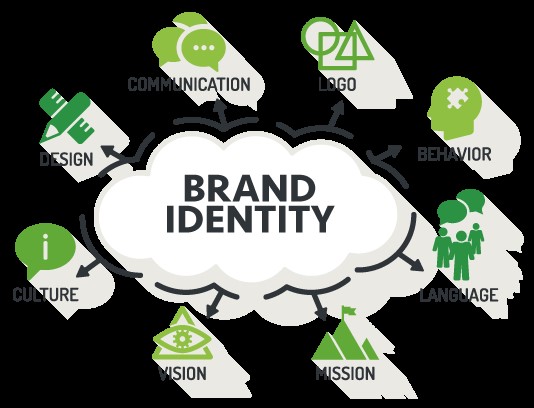
When developing a brand strategy, it is essential to use a solid visual language which can be integrated everywhere from your website to the brochure and the mobile app. Although there are tons of brand identifiers out there if we talk about some major ones, here is the list:
The logo, colors, typography, images, video, motion, website design, and data visualization. That being said, just because you are using these elements won’t guarantee your success. A rock-solid brand identity is something that can be related to the internal team, content creators, and everyone who is interacting with the brand.
Here are some fundamental qualities that you can use to imprint your brand upon the minds of customers.
You don’t have to be a marketing guru to appreciate Apple's prudently and intricately crafted marketing strategy. One-Bite Apple needs no introduction. Whenever you see this logo, you can relate it to Apple. An Apple product is all about trust, innovation, and a standalone class.
When developing a brand strategy, it is essential to use a solid visual language which can be integrated everywhere from your website to the brochure and the mobile app. Although there are tons of brand identifiers out there if we talk about some major ones, here is the list:
The logo, colors, typography, images, video, motion, website design, and data visualization. That being said, just because you are using these elements won’t guarantee your success. A rock-solid brand identity is something that can be related to the internal team, content creators, and everyone who is interacting with the brand.
Here are some fundamental qualities that you can use to imprint your brand upon the minds of customers.
 When you are done with the mission and vision of the company, you move towards designing a logo for the brand. For this, you must first understand the
  Beyond your primary audience, you must also keep an eye on secondary groups, such as employees and other brands. It is not just about how to create a brand identity, it is more about how people perceive your brand as a whole.
Identify Your Competition. Moreover, see how your brand can differentiate from your competitors.
The best way is to understand and analyze how your competitors present themselves in terms of content, visual elements, and marketing.
For instance, when Twitch launched in the year 2011, its competitors were using bold colors like Reds and Greens, and they came up with all-purple branding. The color became an instant hit and in the year 2014, they sold for $1 billion.
If you are looking to create a brand identity, it is essential to face reality and see your brand as it is. Does your brand align with the core values and goals of the company?
Beyond your primary audience, you must also keep an eye on secondary groups, such as employees and other brands. It is not just about how to create a brand identity, it is more about how people perceive your brand as a whole.
Identify Your Competition. Moreover, see how your brand can differentiate from your competitors.
The best way is to understand and analyze how your competitors present themselves in terms of content, visual elements, and marketing.
For instance, when Twitch launched in the year 2011, its competitors were using bold colors like Reds and Greens, and they came up with all-purple branding. The color became an instant hit and in the year 2014, they sold for $1 billion.
If you are looking to create a brand identity, it is essential to face reality and see your brand as it is. Does your brand align with the core values and goals of the company?
 It’s important to remember that each word must drive a specific emotional response. Pick words that will trigger users to build a visual image of your brand with the meaning of that word.
The core of your brand identity is the logo. For this, you are allowed to go old school and use a pencil or a sketch to ignite the creative genius within you.
It’s important to remember that each word must drive a specific emotional response. Pick words that will trigger users to build a visual image of your brand with the meaning of that word.
The core of your brand identity is the logo. For this, you are allowed to go old school and use a pencil or a sketch to ignite the creative genius within you.
 There will be iterations, give it time before you finalize the logo. Once you think you are done, ask yourself if the design is successful at delivering your core message.
 See how each color is associated with a word, and that word is linked to the brands that you already know.
Every phase, even typography, can reveal a lot about a brand.
You can
See how each color is associated with a word, and that word is linked to the brands that you already know.
Every phase, even typography, can reveal a lot about a brand.
You can 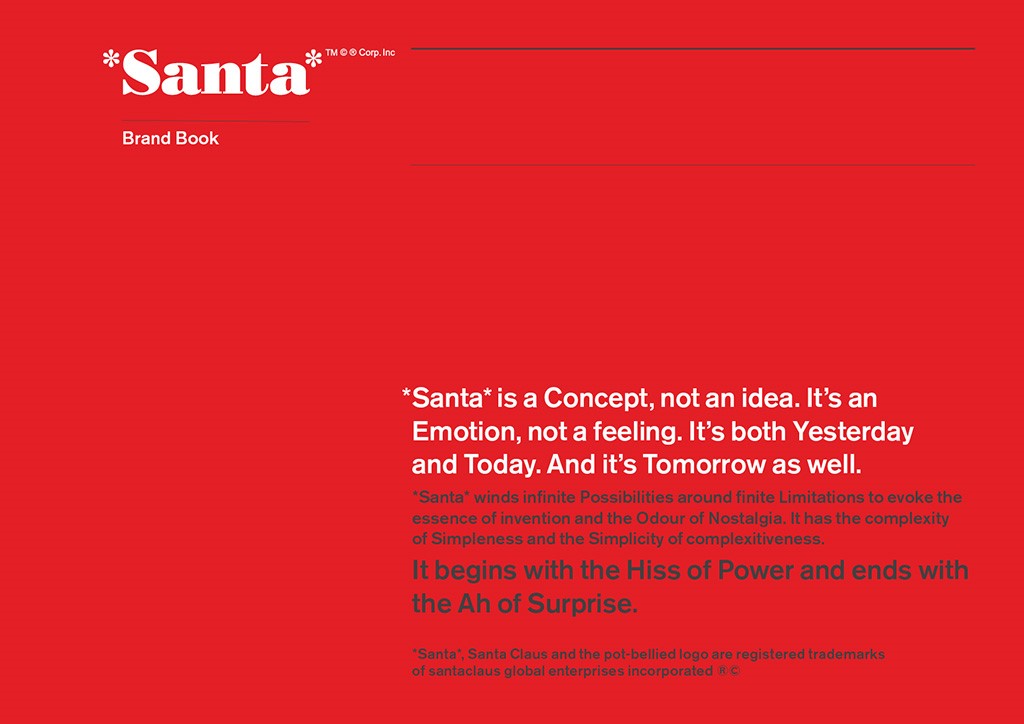 Remember to lay down a brand guideline for each element of the brand. Here, more information will help. Include as much information as you can.
Once you are done with the guideline, distribute it to your team. Make it available for newcomers to check the instructions and learn more about every element of the brand.
Remember to lay down a brand guideline for each element of the brand. Here, more information will help. Include as much information as you can.
Once you are done with the guideline, distribute it to your team. Make it available for newcomers to check the instructions and learn more about every element of the brand.

 Don’t just use images for the sake of portraying your product. Avoid inferior-quality images. Instill some emotions in those images. Better yet, use photos of real people using your product.
 Moving on to the secondary images, here are a few pointers to keep on the top of your head:


 The minimum pixels allowed by Amazon are 1,000 by 1,000 pixels. However, it is best to use images that are 2,000x 2,000 pixels, for added granularity.
You can even switch primary and secondary images to see which of the images are stealing the limelight.
The minimum pixels allowed by Amazon are 1,000 by 1,000 pixels. However, it is best to use images that are 2,000x 2,000 pixels, for added granularity.
You can even switch primary and secondary images to see which of the images are stealing the limelight.


 It is time to start looking outside the walls of inspiration and formulate a strategy for where you are and where you want to be in the future. To achieve growth, you must seek help from wherever you can. If this blog post helps you try different strategies, go for it; if you are confused about where to start, let

 Whether you have a world-class product, or you are a promising start-up willing to get filthy rich, some customers will ask repetitive questions of you. To make those customers stop, you can provide them with a link to Frequently Asked Questions (FAQ).
A detailed FAQ page will help the company save some
Whether you have a world-class product, or you are a promising start-up willing to get filthy rich, some customers will ask repetitive questions of you. To make those customers stop, you can provide them with a link to Frequently Asked Questions (FAQ).
A detailed FAQ page will help the company save some 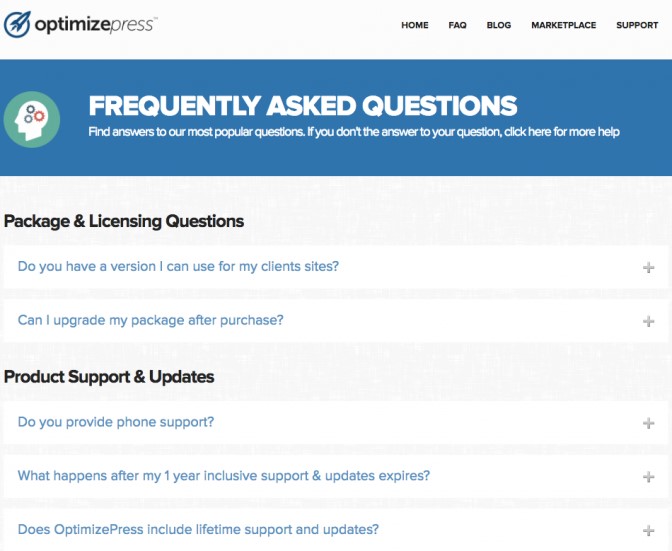 It will be like creating an About Us page but with more details. Being a digital marketer, I checked hundreds of FAQ pages each day. I am curious about what the elements are in an FAQ page that grab the attention of the users and engage the users enough so that they are not left with any other option than buying from the brand.
Here are some tips from the best FAQ pages that you can use to drive traffic and improve the ranking of your website in Google search pages:
It will be like creating an About Us page but with more details. Being a digital marketer, I checked hundreds of FAQ pages each day. I am curious about what the elements are in an FAQ page that grab the attention of the users and engage the users enough so that they are not left with any other option than buying from the brand.
Here are some tips from the best FAQ pages that you can use to drive traffic and improve the ranking of your website in Google search pages:
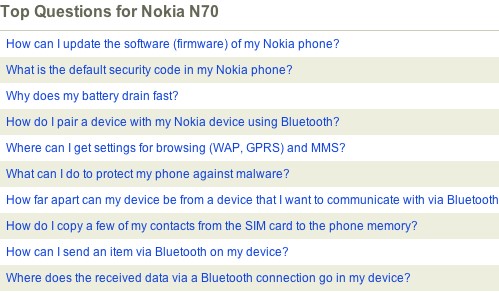
 Each question can be broken down into smaller categories so that it is easy for the customers to find what they are looking for. Similar problems can be stacked together in a group, which can help users understand what they are looking for.
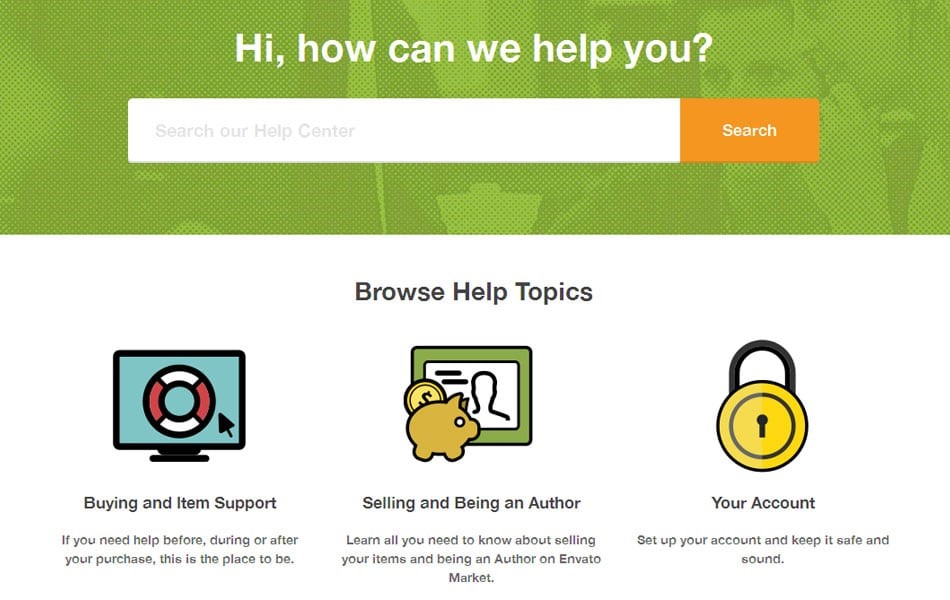 For example, if the customer is facing a pricing issue, they can directly go to the pricing FAQ section and get their problem resolved. Here the visitors don’t need to move around a lot and find deep where they can find help. The FAQ page can be handy to educate customers on the pricing strategy and anything related to pricing.