Blogs

Add the best talent on the market, an agile skilled management & seamless involvement.

Blog Main Image
Types of Online Fraud During Coronavirus Pandemic
Cyber Security Data Security

6 Types of Online Fraud That Is Taking Place During Coronavirus Pandemic

branex-logo Team Branex

With the world in a state of lockdown and millions of people working from their homes due to the coronavirus, cybercriminals are busy making the most of this opportunity. Cybersecurity firms and cybersecurity researchers have seen a surge in the number of phishing emails, malicious and fake websites, and dangerous apps. These are all the online frauds by nets hackers have placed to steal your data. 

Hackers are also targeting video conferencing and communication apps because they know that there is a pike in active users on these platforms due to remote work. Zoom is the best example in this regard. Its user base grew from 10 million to 200 million active users in less than three months. This exponential growth in the number of users also brought to the attention of cyber criminals who exploited vulnerabilities and compromised user data. Cloud hosting providers must take precautionary measures to protect data stored in the cloud.

Also Read: 5 Tips to Keep Social Media Account Safe

How can you keep yourself safe from online fraud during this pandemic? By knowing about these online fraud methods that hackers are using. That is exactly what you will learn in this article. In this article, you will learn about six types of online fraud which is taking place during the coronavirus pandemic.

Stimulus Fraud

The United States is the worst-hit country due to this coronavirus pandemic. The US government announced a stimulus package which would give out free money to people and businesses to bail them out. To be eligible for a stimulus check, you should be a taxpayer. If you have not paid the taxes for the last couple of years. You might be rushing to file your tax return and hackers know that too.

Cybercriminals will try to steal tax filing data by targeting tax authorities and accounting services. Once the data is stolen, they will use it as a ladder to file fraudulent tax returns with different bank account details. We might also see fraudsters attempting to impersonate small and mid-size businesses so they can apply for stimulus checks and loans.

Malicious Corona Tracking Apps

corona-tracking-apps

As the coronavirus spread worldwide, we also saw an exponential rise in coronavirus-related scams. One method hackers are using is tricking users into downloading a rogue coronavirus tracking app. What is even more interesting is the fact that these apps might look genuine and promise to send alerts and notifications about coronavirus informing you about the spread of the virus. Some of these apps even promise that they can tell you about the virus when it is in your vicinity.

They are usually behind your mobile banking applications and mobile e-commerce apps and want to steal your sensitive financial information such as bank account details and more. Avoid downloading these apps and never fall for these traps. Even if you are downloading any apps related to coronavirus, make sure it is coming from a genuine publisher. Never download apps from third-party sites and always download apps from the Google Play store or Apple app store

Account Takeovers

Hackers require support from a mule to cash out victim bank accounts and make account takeover successful. A mule is a collaborator with a bank account located in the same country as the victim and acts as a middleman. Just like in the 2008 economic crash, mule recruitment is at an all-time high as people tend to reply immediately to any work-from-home offer that comes their way. What they do not realize is that these offers come from a crime ring. With the latest reports showing record-high unemployment, we might see history repeat itself. This could fuel a dark economy and accelerate its growth.

Fake Credit Card Accounts

With millions of people losing their jobs in a couple of months, many more might get laid off. They might not have money to spend on necessities. As a result, they have no choice but to use their credit cards to meet their needs. Some might even think about new credit lines and loans. Even those who don’t have a credit card might sign up for one. In short, this means that credit card websites will see an exponential rise in their traffic.

Fraudsters can take advantage of this situation as there is little to no investigation on suspect cases due to a recession. Hackers will first try to get their hands on these credit cards physically and then use them digitally to fulfill their malicious desires. The number of credit card defaulters will also grow which can complicate things even more.

Social Engineering Attacks from Banks

If you have a bank account, you might receive a fake call, message, or email that pretends that it comes from your bank but it does not. The person on the other side might ask you to share their sensitive financial information such as the user ID and password of your mobile banking app, OTP, PIN code, or account number.

In some cases, they might even ask you to install software or apps. So they can troubleshoot the problem and get it fixed. Never take the action they want you to take until you verify their identity. Never share your sensitive bank account details on a phone call, email, or via text message.

Online Loan Application Fraud

online-fraud-app

As mentioned before, millions of people do not have a job, so they do not have money coming in. This means that they either must take a loan or use their credit card. Lenders are tightening their credit control and making sure that they can get their money back and prevent fraud. With the situation going from bad to worse, we might see lenders loosen their credit control to facilitate users. But it can also open doors for online fraud. Online fraudsters can take advantage of this situation and use stolen records to open accounts to secure loans. Once they get these loans, they will run away with it.

Have you ever been a victim of online fraud? Share your experience with us in the comments section below.


social media Confessions
Social Media Marketing

9 Confessions of a Social Media-Holic: Underworld Secrets For Social Media Enthusiasts

branex-logo Team Branex
I tweet crap, spend countless hours on Facebook idly strolling, refreshing, and indolently flicking back up as if the world had somehow gone through a major apocalypse in the last few seconds, stalk people and brands on Instagram, and video-feed my life on Snapchat. All our social media platforms, so people can know how many pancakes I had for breakfast (none actually, because well I made them and they looked much better than they tasted) and the Chelsea boots that I am planning to pair with my forever 21 ruffle trim crop top this morning (again, a hand-me-down but no one needs to know that)! Wanna guess who am I? I am a social media enthusiast! There are two things that I cannot change about myself. First, I am a Millennial, which is pretty self-explanatory and speaks volumes about why I am how I am, and second, I’m a social media buff whose lifeline is a reliable internet connection. When I was growing up, I wanted to become a lawyer or maybe an engineer, but I decided to switch lanes down the road and embarked on the fork that led me to become a social media addict. It’s a rather informative vocation, considering that I know everything conspiring in the universe this very second! You want to know who the girl next door is secretly hooking up with; I am the person you come to! Curious to know when that dress, you had been dreaming of wearing to the prom but your wallet says otherwise, is gonna go on sale. Again, I am your best friend! I am fabulous, right? Better tweet about that! Social media is not just a part of our lives, it is a tapestry that connects each of us, a thread, with the world as a whole. Has dopamine got us hooked on tech? While some consider social media as a welcome reprieve from the daily grind of life, some crazy souls like me have built a career around it. If you don’t check your phone first thing in the morning, I salute you. I mean really, you are in the 46% of the population (who needs to get a life, seriously). The rest 66% of people reach out for their phones before even batting open both eyes. A staggering 26% of Americans use their phones while gouging on their waffles and bacon in the morning. The Journal of Nursing & Care conducted a study which revealed that glutting on social media is associated with anxiety, depression, and even poor sleep quality, things that will eventually rear their ugly heads down the road. Despite tons of evidence that hints at the lethal repercussions of social media overuse, I am here to present you with some confessions.  Admissions that would help brands comprehend my race better and target their marketing to ring a bell with me!

Confession #1: I Think Everything in 280 Characters

For reasons yet unbeknownst to me, I now think in 280 characters. Be it a business idea, the next startup pitch, or even jotting down my to-do list. I do everything which can fit in 280 characters. I even speak less so that people can get what I am talking about. And the best way to do so is to limit my thoughts to 280 characters. Think Everything in Social Media

Confession #2: I label Non-millennials as a ‘Curse’

All right all right. You grew up different, in a world depleted of social media. Just people talking to each other on the corner of your street. So perhaps you don’t know how to use social media and drive traffic to your website? You can always learn, right? There are still people out there who are using phones that need an aerial to work or people who are using desktop computers with Windows 98 as an operating system. Good for them. But, I consider these people as a curse to the society. I can’t even stand the sight of a stick-in-the-mud brand. I mean the Kermit meme has gone obsolete, literally out the window, a stuff of nostalgia. So when I see a brand posting it now, well I feel short of breath! Unfollow! We social media buffs are aware of the latest technological and digital advancements and want our favorite brands to be the pioneers of the digital revolution! Telephone

Confession #3: Not Responding to Me, is My Insult

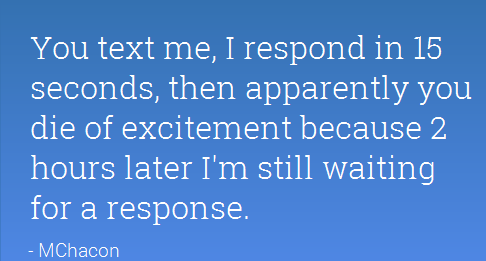
I don’t know about you, but I will hunt you down if you don’t respond to me on social media.  And I will stalk you on Twitter, Facebook, and Instagram and sit there like a hawk. I will get back to you with anger and harsh behavior. If I tell you that my fried chicken was undercooked, you better respond (ideally with an apology, or even better, with a promise of a recompense) before I go berserk and go on an accusation tirade across all my communities. If I commend you on a new product launch, I accept you to get flattered, retweet, or like my comment. And if I see a pair of loafers that catch my fancy, you better tell me if they are available in my size before I start perusing through the pages of other brands. Staying silent only tells me that I am not important while valuing my suggestions and feedback will make me love you even more. And it’s not just me. 84% of consumers expect companies to respond within 24 hours after posting on social media, while 72% of Twitter complainants expect a response within an hour. In fact, millennials are 43% more likely to call out a brand on social media than other generations. Social Media Response

Confession #4: I Want Brands to Talk to Me Directly

If you are in the throes of controversy, a rumor, or a piece of unfavorable news, I would want nothing better than for you to come to the forefront, craft a stellar narrative, and directly respond promptly before I hear unsavory renditions from naysayers and haters. Because trust me, as much as I love good gossip, if you are my favorite brand, I would be secretly hoping for reassurance, a word of apology from you. For instance, when rumors swelled about Beyoncé’s marital problems, she posted photos of her happy family on Instagram to nip the rumors in the bud, and we all breathed a sigh of relief! Or when the Model S sedans built by Tesla Motors caught fire, Elon Musk took to social media to assure us of the safety of the cars.

Confession #5: I Will Stalk You on Every Social Media Channel

It doesn’t matter if you’re my friend or a foe, or someone I have just met. If I came across your name, the first thing I would do is stalk you on every social media channel. Not because I care about you, but because I have a nag about getting a true sense of the personality of people and brands. On social media, people are usually honest and authentic, and if you know where you can get particular data about people, you’ll be able to crack down on their personalities. I do the same with brands. If I hear the very mention of your brand somewhere, I’ll try to stalk you. And god forbid, if I can’t locate you on social media, you will be a “stranger danger” to me and I will never trust you. If I do locate your profile and find out that it hasn’t been updated for years or even months, I’ll be sure to say a little “RIP” prayer for you. Stalk on Social Media

Confession #6: Without Twitter, There is No Breaking News

Even if the world is about to end, the first thing I will do is to verify it on Twitter – the hashtag #WorldIsEnding - and if there isn’t one, I will create my own. Twitter is the fastest medium to gather news about the world. For me, it is the ultimate source of information. If there is a piece of breaking news anywhere in the world, I will check Twitter to gather data on it. Seeing what my source of all news is, brands will be prudent to keep me abreast of new developments on Twitter. Be it a new product launch, an oncoming sale, or a burgeoning news, if I don’t hear about it on Twitter, or if enough people aren’t raving about it, it probably ain’t happening.

Confession #7: My Crush List on Social Media

Even though I know that people rarely put up their real pictures on social media, I often find myself falling in love with people. There is not just one, but several crushes on social media. It is like building a virtual crush on people. There is actually a list I keep on Twitter (of course it is an encrypted list) in which I manage all my crushes. If I am following your brand and it is replete with a string of eye-candy pictures of your products and solutions, I’ll ooh and AAH and keep coming back for more, because let’s face it; I live off eye-capturing graphics, even if I am not interested in an immediate purchase. Your Instagram would become my new mecca if it leaves me riveted!

Confession #8: I Keep My Phone on My Bedside

This is not just me. Everyone who owns a smartphone can vouch for this addiction. As a social media manager, I need to stay up-to-date with the most up-to-the-minute trends in the market. And whenever a new trend pops up, we need to cash in on the trend with all of our might. And you never know, maybe, someday my crush just might notice me. Till then, I am keeping the phone with me. As a brand, you must know that I am compelled to jump to my phone at every ping or beep. As such, you can keep me on my toes by posting regularly, and rest assured, I will see them all. But remember, I follow more pages than there are stars in the sky, so even if I don’t hear from you in a day or two, you tend to elude my mind altogether. Phone on Bedside Especially, if you are hosting a thriving event or something thrilling and I cannot be a part of it, I’ll want to be kept in the loop. I’ll constantly wait for your Snapchat stories or behind-the-scenes sneak peek to get a feel of actually being there. Even though I couldn’t make it to Buenos Aires, the mesmerizing symphony of the throng gave me goosebumps!

Confession #9: I Love a Good Tease

In a world of information overload, nothing leaves us hanging on the edge anymore, but oh, you can. If you have something in store for me, you can start building the right buzz around it, way before the launch, piece after piece, to cash in on the eclectic anticipation. Brands are already getting into the teaser game, and you would be wise to stretch your storytelling out in small pieces to get the maximum value out of your content. If you are thinking of innovating a new pizza flavor that is found to leave our tongues tantalized, start by building a compelling story around each unique flavor element perhaps, or posting ambiguous and blurry teaser videos, asking your audience to venture a guess. You know what we would love even better if you could offer free giveaways to the winners. It would simply make our day! For instance, Tailor Swift left us with our jaws hanging open when she wiped out her online presence in August of 2017. She relaunched with snake videos which whipped her fans into a frenzy and each new video hinted at a new album. When her single, "Look What You Made Me Do," was finally released in early September, it broke all records. This is because her fans were already so worked up, that they couldn’t wait to jump on the single the minute it came to being. And, as you can see, I am still online, just invisible. It’s a hard pill to swallow, which makes it an even harder habit to break - and an even worse emotional withdrawal. What you do on social media is entirely upon you. You can either use it or misuse it. But, in the end, it is all about the legacy that you’ll leave, your digital imprint that will matter to the generations after you.
Website Design Guide for Color Blind
Guide Web Design & Development

How To Design A Better Web Experience For Color Blind Audience

branex-logo Team Branex
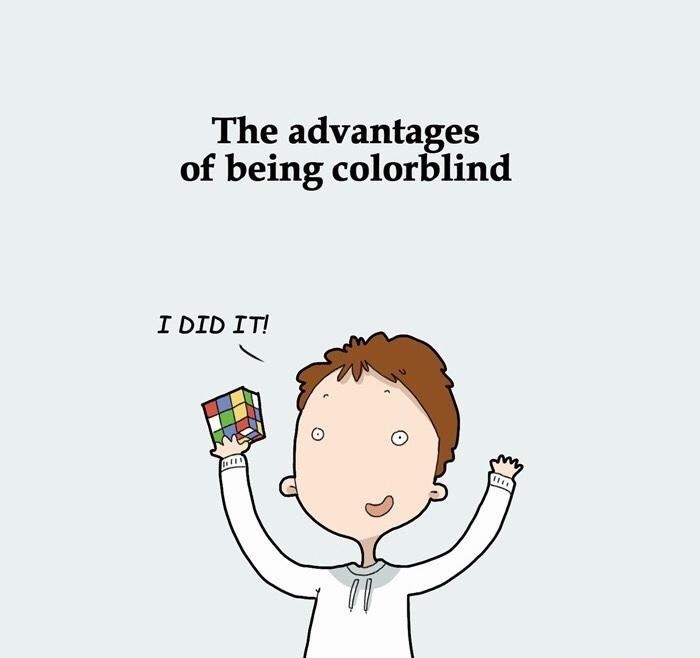
Did you know that 4.5% of the entire population is color blind? About 8% of males and 0.5% of females are suffering from color blindness. Advantage of Color Blind Color blind people find great difficulty in reading text, and navigating options and experience a host of usability issues when interacting with websites. While in the throes of designing a website, nearly every designer carefully considers an array of visual elements, web design principles, the balance of shapes, the hierarchy of text, fonts, and images, and perfecting the harmony of colors. But sadly, many designers overlook the predicament of color-blind individuals and turn a blind eye to this real-life dilemma. It is critically important to know that a large number of people are suffering from a color vision deficiency or color blindness. Not factoring in the whopping number of color blind people when designing your business website can make it difficult for them to use your website, which will negatively affect your readership and sales in the long run. If your website incorporates some color contrast, text, and font issues, it can easily affect how customers interact with your website. To make sure that your website is highly assessable, here are some easy tips and tricks to help you create a positive web experience for color blind individuals.

Use Clear Color Names and Useful Product Descriptions

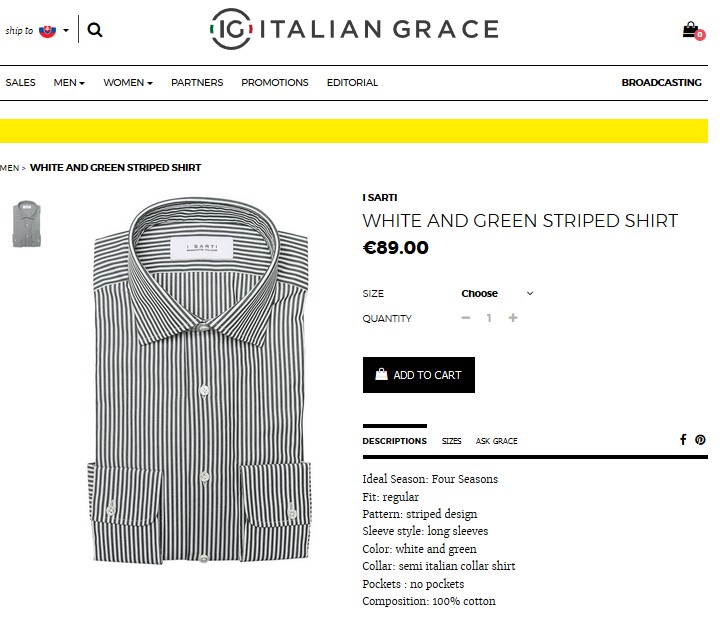
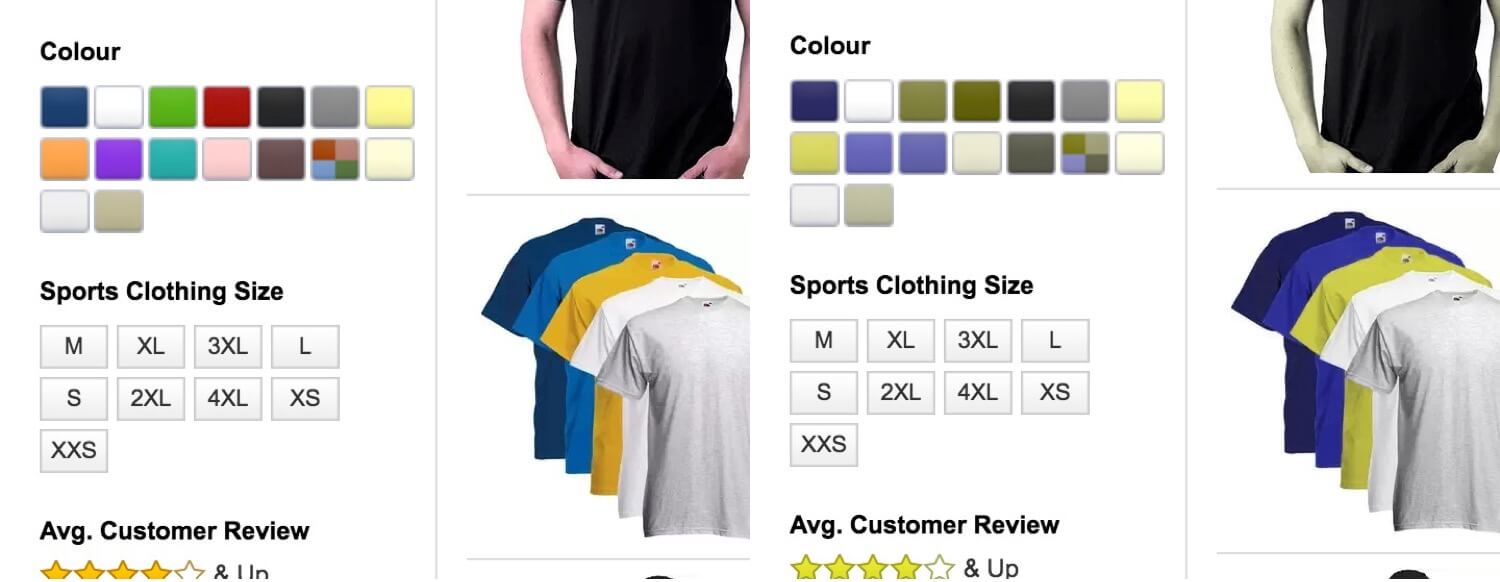
One of the most common hitches that color blind individuals have to face is identifying the actual color of a product on an ecommerce website, and they usually end up soliciting the help of another person to discern the color. It is extremely important to pay careful attention to color choices and design decisions while creating such business websites. If you are running an ecommerce store that sells t-shirts and you only show an image of the shirt, it may be a bit difficult for a person with color vision deficiency to identify which color the t-shirt really is. In order to solve this issue, it is important to incorporate color details in your product descriptions to make it easier for your color-blind audience to choose the product of their choice. Have a look at this example: Superdry Feed Post It is quite cumbersome for color-blind individuals to ascertain the color of this classic vintage logo t-shirt from Superdry. Because they neglected to mention the color in the product description. However, Italian Grace intelligently specifies the color of this striped shirt in the title and comes across as a more sensitive brand. Italian Grace Another brand that is working for the greater good is Gap, since they keep their color-blind audience in mind and specifically add a text label beside each color. Design for Color Blind Audience Amazon also made it easier to recognize the color of their products by popping up descriptive text when the user hovers over images. People with normal vision can also take advantage of this descriptive text. For instance, sometimes it is difficult to differentiate dark hues such as navy and black on a screen. However, adding a text label can solve the problem.
Use the Color Search Filters

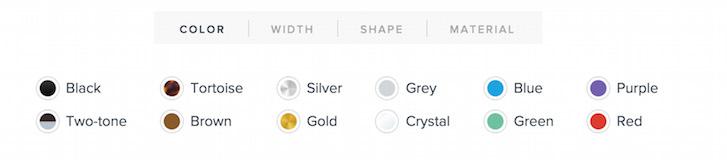
Incorporating an effective color search filter with clearly defined labels on your website makes it hassle-free for people with protanopia to conduct a product search. For instance, Warby Parker uses color search filters which make use of both the color names and their symbols. Color Search Filters

Avoid Color-Specific Required Form Fields

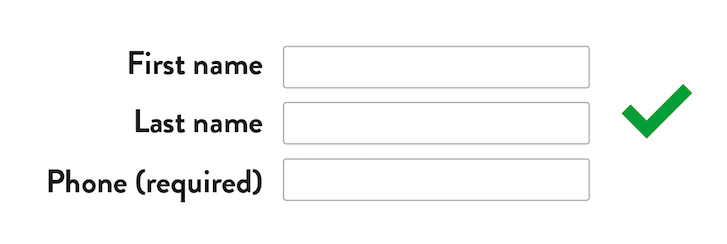
Denoting required fields with colors is a huge problem for those who can’t distinguish hues because every field looks identical to individuals with a color vision deficiency. So, when it comes to designing a sign-up form, contact form, or any other type of form, it is highly recommended to write the text reference right in or next to the form’s label or perhaps use an asterisk to denote a vital field. This will make it readable for those suffering from color blindness. What you shouldn’t be doing: Color-Specific Fields When done right: Color-Specific Fields Labeling your instructions clearly with the help of text is a sensible choice in order to avoid any confusion.
Have a Look at the Facebook Form Fields:

They have specifically chosen text labels in their signup forms, allowing their color blind audience to recognize common red error messages.

1. Use Contrast Wisely

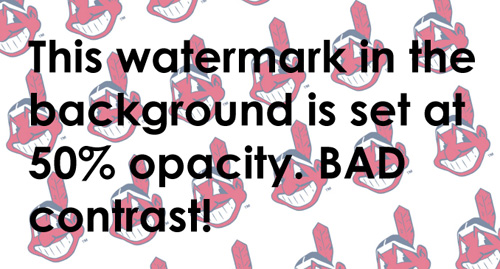
Using a good contrast between the color of the text and the background is one of the most important factors which can draw your eye toward an important section of your website. In addition, achieving an effective contrast can make the text easier to read. Color-blind individuals are able to identify bright colors more easily than dim hues. Designers can use vibrant, dark colors to make it hassle-free for individuals with color deficiencies to read the text. So, play smartly with colors in dark and light combinations to maintain a perfect contrast ratio. But make sure to stick to colors that perfectly align with your overall brand guidelines. You can follow the Web Content Accessibility Guidelines (WCAG) or simply use the Contrast Ratio checker and WebAim color contrast checker to scrutinize if the text color, background color, and text size are sufficient. Color Contrast Color Contrast

2. Make Your Web Design in the Grayscale Mode

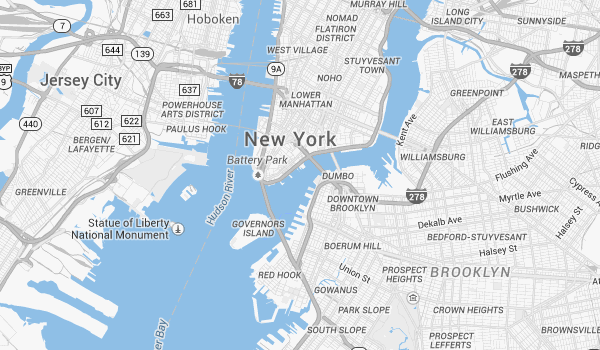
Make sure that your website looks equally good in the grayscale mode and that each element is distinctly visible. A lot of brands are making sure to keep this aspect in mind, since viewing your website in the grayscale mode helps you envision how it would appear to your color blind audience and help you tweak accordingly. Google Maps is an amazing example that looks perfectly great in its grayscale mode, capitalizing on different hues of gray akin to using red for busy and green for clear in its normal mode, allowing color blind people to view directions easily. Design in Grayscale Mode

3. Steer Clear of Some Color Combinations

Thankfully, designers can control the colors they use on their websites and pick the best color combinations to create an amazing user experience for their color-blind audience. Here are some color combinations that you should NOT use while choosing a color palette for your website. Color Combinations
  • Green & Red
  • Green & Brown
  • Blue & Purple
  • Light Green & Yellow
  • Blue & Grey
  • Green & Grey
  • Grey and Yellow

4. Use Links which are Easy to Spot

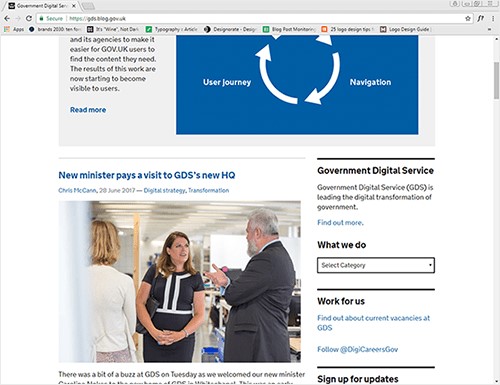
Refrain from capitalizing on color alone to denote the presence of clickable links on your website, as it would render it almost impossible for your color blind audience to spot them. Color Blind Audience to Spot The website of the UK Government Digital Service (GDS) would have someone suffering from Achromatopsia (total color blindness) scratching their heads in bamboozlement when it comes to treasure-hunting for a clickable link on the website. The only way left for them is to painstakingly hover over every possible word, holding their breath in anticipation, waiting to see if the cursor would transform into a pointer. Now imagine doing this with a mobile device! In order to ease navigation and make your website more accessible, why not incorporate icons to denote links, or even better, underline any hyperlinked text?

Over to You

Websites are meant to provide useful information to everyone in a more accessible and easier way. Creating a good user experience for customers suffering from a wide array of visual deficiencies must be a high priority to increase your chances of getting more leads and sales. These useful web design tips will surely help you create color blindness-friendly UX designs that will render your website more accessible for everyone, including color-blind users.
Animation in Advertising
Branding Web Design & Development

Incorporating Animation in Advertising – Here is Why the Trend is Skyrocketing

branex-logo Team Branex
Today, animated advertising is one of the most result-oriented and lucrative ways of promoting your brand, its products, and services. Now brands and companies have the power to share their brand story, and values by harnessing the power of animated videos. It all starts with compelling and unique storytelling as it triggers emotional responses and persuades users to take the desired action. When it comes to animation in brand advertising, it constitutes myriad creative visual elements which attract viewers’ imagination while telling them your brand story more effectively. Incorporating animation into your advertising strategy can improve the look and feel while making your brand appear more interesting, up-to-date, and trendy. Imagine a world where you can make your characters fly, travel in time, or talk all the time! Also Read: How To Use Minimalist Advertising To Generate More Leads? Animated advertising campaigns are a lot more cost-effective as they allow you to demonstrate your product’s qualities more effectively. The special lighting and coloring effects make animated videos more appealing to your audience, something that poses a challenge to achieve naturally. More and more businesses are using animation in their marketing efforts to promote their products and services for a number of reasons, including:
  • Animation usually involves humorous and fun aspects that keep the viewers entertained for longer and create a higher user engagement than their traditional marketing counterparts.
  • Creating animated videos allows you to be a lot more creative as you can narrate your unique brand story more interestingly, which is a great way to capture the audience's attention for longer.
  • Incorporating animation into your advertising strategy can help you communicate the message clearly and in a creative yet memorable way.
  • Already wary of intrusive marketing, an animated marketing campaign can generate huge engagement and a meaningful social impact that sticks around in the minds of your audience.
Animation is a powerful way to promote your brand by using the power of storytelling and striking visuals to captivate and engage your audience. Animated marketing videos, when executed well, can do wonders and enable your brand to reach your target audience. Have a look at these top animated marketing campaigns that will definitely help you develop a striking idea for your own marketing campaign.

Nike

https://vimeo.com/164792294 Nike’s “What’s your Air Max” is one of the best animated video marketing campaigns, incorporating a symbolic exploration of air and the negative space. This short video beautifully explores all types of breathable textures and design elements that convey the properties of Air Max sneakers - soft, breathable, and lightweight. The video uses some pastel shades to depict the quality of fabrics and the background music of foot strikes, runner’s breath, and traffic noises come together to enhance the feel of the video. The robust history of Air Max provided a glut of inspiration, helping the agency to tie it all together. This resulted in a fun, sprightly, and soulful campaign that leverages a cool sneaker or two and layers of compelling imagery—to narrate the awe-inspiring story of an iconic shoe’s heritage. It’s an eclectic, confident remix of everything Air Max – a shoe that has garnered its own holiday; the air max day!

Oreo

Oreo Advertising Oreo always struggles hard to promote their products a bit differently. Their Wonderfilled animated campaign is an amazing example of video marketing that shows how a blood-sucking vampire takes a positive turn with the help of the classic crème-centered cookie. Through this video, Oreo wants its consumers to see the world with positivity, openness, and sincerity. According to Janda Lukin, Director, Oreo at Mondelez International, Inc., "It starts with a very simple premise, about how something as small as an Oreo cookie can bring about a positive change in perspective. Kids already have a sense of wonder in how they see the world, but adults have to be reminded of that. The stories are going to resonate with different people, but overall, it's an adult campaign." The beautifully animated campaign beseeches adolescents and adults to get in touch with their childlike sense of wonder, something we have gone astray from in this cut-throat era, and stop for a minute to enjoy everything around them. While, indubitably their main objective is to make their audience relate to the fuzzy, heart-warming feelings of sharing an Oreo, the campaign captures the world through the eyes of a child, creating something endearing in turn. Each element of the campaign, such as the user-generated content, catchy videos/jingles, quirky typography, vibrant scenes, and style of animation, breathe life into the campaign. What makes this campaign so successful is that it is really easy to relate to. Not to mention, customers all over the globe have taken to creating and sharing their own versions of wonderland, keeping the legacy alive. Even though the campaign is a new take on Oreo. It still manages to retain all the brand’s core values: fun, socialness, imagination, and humor. The cartoon campaign captures emotions and themes that traditional mediums would have failed to do.

 Starbucks

https://youtu.be/Seeig-GkPJI A renowned American coffee house Starbucks always provides its customers with unbeatable coffee flavors. The brand is famous for using an outstanding roast of coffee beans. Through this animated advertising campaign, the brand highlighted the excellence that goes into making a flavorful cup of coffee. Animated videos indeed bring complex ideas to life, and make them easier for the laymen to grasp and become fascinated with. Not to mention, we have been so programmed to enjoy animation from a really young age, that everything seems better when an animated character is used to explain an idea or narrate a story.

Dropbox

Dropbox Dropbox beautifully uses animation in their ad campaign where they smartly demonstrate their product. “What is Dropbox animated video” has been viewed more than 11 million times on YouTube.  Here is what makes their animated video stand out among competitors:
  • The explainer video leverages cut-out animation to narrate the unique story of the brand and how it came to be. Not only is the style eye-grabbing and unusual, but its less-detailed, iconic characters make the video resonate with a diverse audience.
  • While most explainer videos make use of metaphors, such as a recurring situation or a problem. To create a sort of set-up for the storyboard, the drop-box video introduces not one, but a series of relatable situations – misplacing your keys, forgetting your wallet – to conjure a familiar feeling of disorganization. Once you experience the feeling of exasperation at remembering these well-placed scenarios. Dropbox jumps in and tells you how it can help you stay organized!
  • The video is short but sweet, not something you would expect from a 90-second video, considering that it must leave some things said. This video was made for a specific purpose and sticks to it instead of beating around the bush.

Marks & Spencer

https://youtu.be/_qCkU2l2Hf4 The UK-based clothing retailer created an animated video to explain the concept of “shopping” to make ordinary clothes extraordinary. They explained how they recycle and reuse any unwanted clothes of their customers. Since 2008, Marks and Spencer has raised more than $20.35 million to fight poverty. The stylishly animated films reveal items of clothing that have been donated via the “Shwop drops,” morphing into good deeds around the world, including business training and clean drinking water for all.

American Express

https://youtu.be/3ZvigQl1vDQ?list=PLTpbyO1bm6osHb2MVHI1pfUXtNmKgDhkI The advertising campaign of American Express is one of the best advertisement campaigns that show how Amex is more than just a financial services company. With this “Imagine what you can do” campaign, the brand wanted to explain how it can do wonders in digital science and the hybrid world. This video is aimed to reach a wider audience and alter the impression that American Express is only a finance company.

Over to You

If you are planning to create a marketing campaign for your brand. It is advised to use animation in your advertising strategy to create your brand story more creatively. As animated videos appeal to your target segment, help arrest the viewer’s attention and keep viewers engaged till the end.
How To Revive Your Dying Brand
Branding Business Tips

How To Revive Your Dying Brand When Your PR Falls Through?

branex-logo Team Branex
In the current digital landscape, companies resort to hiring PR managers to manage the reputation of their brands. But sometimes, even these PR managers make mistakes which can be lethal for the brand image. For instance, some Brand managers are too eager to jump into conversations, without weighing their words meticulously. When Prince Rogers Nelson, a famous musician passed away in April of 2008, Cheerios pushed out a tweet just to have something to add to the raging conversations surrounding the demise, which ultimately turned around on them and set the fans on fire. “It takes 20 years to build a reputation and five minutes to ruin it.” ~Warren Buffett Speaking to the press comes with its own vile of poison: they take you up on your words and like vultures, they swoop down and prey upon anything that comes out of your lips and report it. The same goes for PR. How to Revive Dead Brand A simple “Rest in Peace” would have been construed as an honorary goodbye, had the brand not used the brand stamp in place of the dotted “i”. As soon as the tweet flew out, Prince’s fans went choleric. They started cursing the brand, and rightly so, for leveraging the legend’s death for their marketing gimmicks. Sony Corp. found themselves in hot waters upon the death of Whitney Houston. Just when grief was still fresh and wounds were tender, Sony Corp. thought of playing upon the sentiments of her fans, making some extra cash out of the situation by spiking the price of digital downloads of her music. Fans were peeved by this avaricious deed and started bad-mouthing the brand. As soon as Sony Corp. realized their mistake, they apologized and toned down the prices. Creating brand awareness is a serious business & if brands start messing up their PR, things quickly take a downward spiral. We, being a digital agency understand the importance of fashioning a strong brand presence and sustaining it. Additionally, we are here to help you bounce back from a PR holocaust. Here are four ways to bring your agency back from the dead after an embarrassing slip-up.
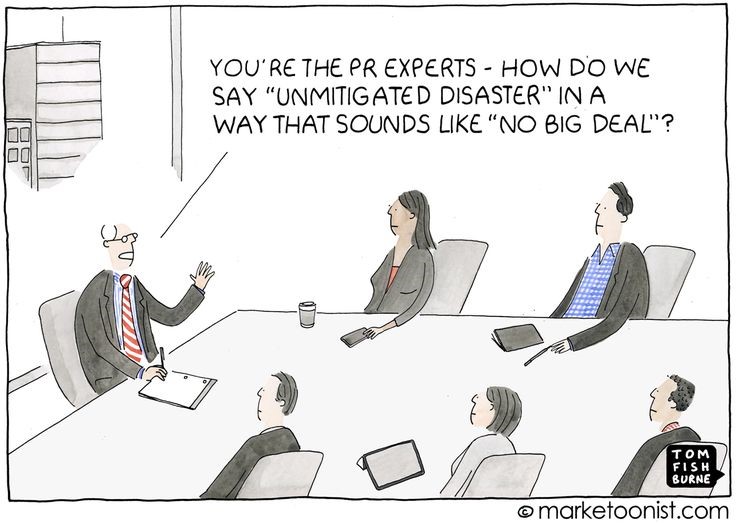
Get Your Plans in Order

“Ninety-five percent of all crises I’ve witnessed in my 30-plus year career could have been completely avertable with careful planning,” says Jonathan Bernstein, president of Bernstein Crisis Management. Each PR crisis may come as a surprise, but make sure that your response doesn’t. All successful organizations have a viable crisis management plan in place, lest things go south. If your organization hasn’t assigned a group yet, it’s high time to do so. Here are the three characteristics of a Management Study Guide:
  • The Crisis Management Plan should be formulated in the presence of all executives. Every member of the crisis management team should have a say in the plan. Each participant needs to give their valuable two cents and suggestions.
  • The Crisis Management Plan should take into consideration all identified problem areas and suggest a possible solution for all of them to help the organization recover from the crisis as soon as possible.
  • Make sure that your plans are realistic and solve the purpose of saving the organization’s reputation and name.
Furthermore, the plan should also include the training of all higher executives. The responses need to be approved by the public relations managers and social media executives. Also Read: How To Build a Successful Brand

Sorting the Problem and Prioritizing the Solution

As soon as Sony Corp. realized the blunder they had made, the first thing they did was apologize to their hurt followers. As a brand, you need to speak up and own up to your responses. The social media community is very quick to sniff whiffs of dishonesty from brands. Silently hoping that the social media hawkers will overlook your boo-boos is plain wishful thinking. Only, you need to realize and respond to whatever happened. Be honest. Be transparent. There are too many people watching out, so, if you realize your mistake, start by making amends. Also Read: How To Create a Brand Identity? Step-by-Step Guide The next step is to realize how much the PR crisis at hand can affect the organization’s normal workflow or distract the senior management. Can it smudge the organization’s image irrevocably? what to do when PR fails to do brand disaster Whatever the case may be, you need to sit down with the marketing department and the crisis management section to plan out a solution.  Sometimes you can pass off a blunder with a humorous remark in an attempt to clutch at straws and make people laugh it off. Just like KFC apologized with a full-page ad in today's Metro. A masterclass in PR crisis management!
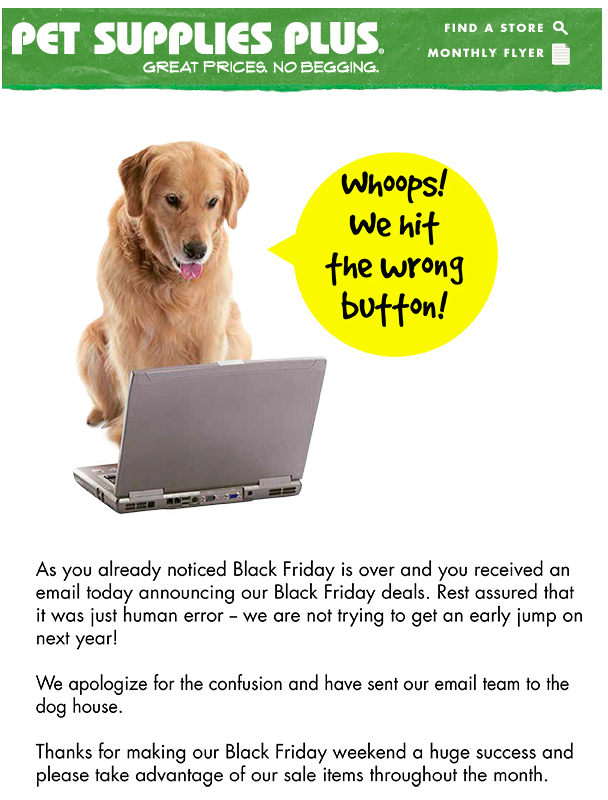
Be Quick to Respond to the Social

Once you figure out that your followers are eager to see your response, time is of the essence. Here, you can combine humor with an apology and use social media as your ally to quickly take control of the situation. How to save your brand by being on social media What most organizations fail to do is to make their customer service reps diligently monitor the response of the customers. Your reps can be trained to handle any degree of PR crises and can act like an empowered team to handle the catastrophe on their own, without waiting for a cue from the upper layers of the echelon. “An immediate social media response is the key. In most cases, your goal should be to respond within an hour. If you let too much time pass, a lot of negativity can fill that void.” says Chris Britton, a chief operating officer for RockDove Solutions

Be Transparent and Be Direct

Just as a bad response can ruin your PR image, a well-executed crisis can actually boost your brand image. The best companies can turn their PR crisis around into a grand opportunity. Denying or delaying a response to see how things play their course, only means that you are avoiding a confrontation, which immediately makes you look guilty; something that will make your competitors jump over in glee. The best strategy is to own up to your mistakes, apologize to the affected parties, take steps to demonstrate how you’ll mitigate the damages strive to do better in the future, and move on. “Brands need to accept that they are in a constant dialogue with their market. Campaigns will go wrong. Focus group-tested messages will fall flat. Employees will misbehave. But consumers will accept mistakes when the response feels appropriate.” ~Will McInnes, CMO, Brandwatch Don’t take on a defensive stance. Acting fast as a PR crisis will open up doors for your competitors to vilify you. Instead of running around the bushes, tell your customers that you have made a mistake, just like anyone can, and how you are willing to compensate for it. A public relations disaster can be a problem for you – but you can also bounce back from it with pre-emptive measures. The key is to act quickly and get professionals in your corner as quickly as possible. You can even use influencers to get your message across in no time.
E-commerce Ventures Success Stories
Business Tips eCommerce

From Zero To Hero: E-commerce Ventures Success Stories

branex-logo Team Branex
This blog highlights the inspiring journeys of entrepreneurs who transformed small startups into thriving e-commerce businesses. We all start a new one. Remember the day when a child is born. He seems like such a helpless little thing, incapable of surviving the harshness of the world. But with a little external support, love, care, and a will to grow. He not only learns to walk, think, and speak but eventually becomes independent without anyone teaching him. This is how the cycle of life runs on! The same happens with online ventures. Entrepreneurs around the world do have the opportunity to venture out into the field of their interest. However, an increasing number of people are putting their bets on online businesses. It isn’t simply because of its burgeoning popularity. But because the online realm is ripe for the picking, unfolding a world of opportunities that they could cultivate in the future. In the digital lines of businesses, an e-commerce website is a prominent and lucrative choice for business owners to start with. Not only does an e-commerce website liquidate quickly. However, the product range continues to swell with the expansion of the parent brand itself. As the business owner continues to learn new techniques of online marketing and embarks on a never-ending journey of evolution. The brand grows too with a prominent and more loyal customer base. However, not all e-commerce website projects are fortunate enough to sustain through the first year of their birth. Many fail and fall somewhere in the middle and get wiped out, but, the internet is replete with success stories that can boost the morale of a prospective e-commerce website owner and also communicate some business vitals that can be helpful in the future.

$170,000 Sales in 10 Months, How?

Bushwick Kitchen is an online retailer of hot sauces, hailing from Brooklyn New York. They created tantalizing recipes for their piquant range of hot sauces by leveraging simple ingredients found in an everyday kitchen. Their top-selling item is the hot sriracha sauce concocted from an exotic blend of chilies, garlic, and vinegar, kicking up the heat in anything it is added to. However, things weren’t as lucrative for Bushwick at the onset, as they appear now. What they focused on was a 3 step formula that helped them succeed. It was:
  • Recognition of a problem with the target audience
  • A Competitor analysis
  • Formulating a solution that was better than their competitors.
By effectively branding their product “MixedMade”, they managed to bag a whopping sales of $170,000 within the first 10 months of their launch. How did they manage to score growth of almost 2,200% in such a startlingly short time? One bounding reason that pushed the product out in front of a vast audience was the extensive press coverage it received. The co-founders were determined not to leave any stone unturned when it came to achieving their press targets. Two major hurdles to their immediate growth were the lack of supplies and PayPal temporarily suspending their online accounts after witnessing the abnormal payment figures. Not only did the cofounders persevere in the face of adversity, but they also made sure to diversify their payment mechanisms. So that in the event of one authority suspending their payments, their cash flow could follow other channels. Now, this is what you call smart business. E-commerce Business Website

Bridge the Gap and Make a Fortune

"Threadless” is the brainchild of innovative thinking and the adaptive mindset of a new-age entrepreneur, Jake Nickell. It all started when Nickell and his partner Jacob started pushing out T-shirt design contests on a website called Dreamless.org, in an attempt to introduce crowdsourcing to the otherwise humdrum realm of T-shirt design. Aspiring designers would post their designs to the website and visitors were asked to vote on their favorite designs. The best entries from the contest were printed on t-shirts and then sold for profit. Soon after the first batch of t-shirts were printed, they launched their very own venture “Threadless” and independent artists started sending them their original creations, for a hefty commission upon the selection of their designs. The company has been growing at double-digit percentage rates annually and sells millions of tees every year. The reason behind the thriving success of Threadless lies in its community service. The e-commerce store moved miles ahead of the typical brick-and-mortar e-commerce business models and actually made an effort to bridge the gap between customers and the creators. By crafting an opportunity that revolves around a rudimentary customer behavior; a yearning to be different. By staying vigilant about the new trends, the business created a fortune. While concurrently providing a platform for design hobbyists to showcase their creations and receive appreciation in the form of online print orders. By giving a voice to their customers, Threadless made customers feel like an indispensable part of their business by giving them the option to decide what they want the company to manufacture. Not every e-commerce business can manage to do it. Thankfully, the founders have an eye for realizing the gap that exists in the market, and in an attempt to bridge that chasm. They also created an equally rewarding opportunity for designers along the way. E-commerce Website

Exploring New Channels to Soar Sales

Say hello to Raw Generation. A pure-organic juice company based in Middletown NJ. The venture is owned by the 30 year old Jessica Geier who is also a certified health coach. While the business had its ups and downs in the beginning, thanks to the proactive approach of the founder, their sales grew to $96,000 from $8,000 in just ONE month. Here’s how? Deal sites are a common online phenomenon now and many entrepreneurial ventures take their help to increase their sales. Raw Generation was no exception. They also solicited help from Lifebooker which is a relatively smaller deal site than its counterparts. The good thing was that the business only had to pay for actual sales to the online seller. Since the entrepreneur was operating on a shoestring budget, she decided to explore one avenue that could increase sales instead of whiling away her meager finances. Deal sites proved a fluke of luck for her. Instead of getting her hands dirty in online paid advertising or social media boosts. She opted for deal sites and focused completely on them, resulting in creating multiple deals in just over 2 weeks. The catch for any budding business owner is the tenacity that Jessica harbored, helping her create deals that translated to a multi-figure increase in sales for her brand.

Conclusion

Things tend to appear easier and simpler from afar, but once you step into the realm of entrepreneurship yourself. Your path is ridden with snakes that threaten to throw you to the bottom. Paying attention to details, and putting together an extensive competitor analysis. And creating a value proposition for the target audience are only a few check pointers that should be achieved before embarking on the strenuous journey of entrepreneurship. Another point that should never be compromised upon is the design of your e-commerce website. Since it’s the first point of contact with your potential customers. It should be appealing and user-friendly to help attract more visitors and keep them riveted. We suggest that you leave the hassle of designing to credible e-commerce website design services in the United States to avoid bounce rates and garner a professional-looking, aesthetically pleasing web presence. A professionally created design that is fine-tuned to minimize flaws only gets better with time. In addition, the business acumen that you strive to develop further translates into the success of your online venture down the lane.
Digital Agencies Can Take Away From Oscars 2018
Business Tips

5 Ageless Survival Lessons Digital Agencies Can Take Away From Oscars

branex-logo Team Branex
The 2018 Oscars offered important lessons for digital agencies to improve their approaches. The ceremony highlighted the significance of storytelling, showing how engaging stories can foster connections and evoke emotions. The curtains have fallen, and oh boy, The Shape of Water nailed it. 13 nominations plus a deserving win for Best Picture at Oscars 2018. Did you know that The Shape of Water is the first Best Picture winner with a female lead since Million Dollar Baby thirteen years ago? No there was not a mix-up this year. The Shape of Water director, Guillermo Del Toro, even flashed his envelope as proof for the audience. But, hey mistakes happen. Sometimes, you win, other times you learn. As the saying goes, when opportunity knocks on your door, make sure you’re home. There is an unspoken art of accepting an Oscar. You can either accept it with grace and panache, or you can simply mess it up terribly and make a joke out of it. The same thing applies if you’re starting a digital agency. On the surface, it looks like the swan effect. Like a swan is paddling & moving in the water without any effort. But, the real thing goes inside the water. That is where the real battles are raging on. In this blog post, we will highlight 5 timeless lessons that modern-day digital agencies can learn from Oscars 2018.

Lesson 1: Know Your Audience

“If I fall over during my speech, someone should pick me up because I’ve got some things to say.” Frances McDormand said this right after she stepped up on the stage. The next thing she did was unusual. She asked all the females to stand up and embrace the diversity in the industry. The gesture was highly appreciated by everyone. Understanding, realizing, and connecting with your audience is one of the prime responsibilities of any digital agency. What is the point of flushing down your marketing budget without reaching your potential customers?  In an era where customers must come first, you need to know where your audience is hanging out. Use BuzzSumo to figure out what is trending. Incorporate those titles and ideas into your content. Next, with a clear vision, grab the attention of the users who are looking for your products. One way to know who your target audience is to launch a blog. Just be consistent with creating quality content on your blog, and people will flock towards you like a magnet. Digital Audience

Lesson 2: Thank Your Audience, Humbly

“Coco would not exist without your endlessly beautiful culture and traditions." Lee Unkrich, the director, conceded while accepting the best-animated movie award. If you look at the most successful digital design agencies, you’ll know that they don’t just acquire customers, they create a timeless bond with them. Instead of hammering them with countless marketing clichés & promotions, why not start by thanking them for their efforts? If you thank your customers, it can create a bond that can help customers connect with your brand in a more meaningful way. It is your job to appreciate your customers for their time, engagement, and the trust they are putting in you. Try to delight your customers by offering handsome customer service.

Thank Your Audience

Lesson 3: Don’t Make Everything About Yourself

"My fellow nominees, you represent everything good and right and human about this profession, you’re all extraordinary." Allison Janney From Jimmy Kimmel’s shortest speech to Allison Janney's Acceptance Speech, Oscars 2018 was all about giving other people the credit. As a business owner, your job is to make sales and get the word out about your business. In the marketplace, it is less about your potential and more about what unique solution you can provide to your customers.  Sure, customers don’t care about how many sales you nailed last year, or how much traffic your website received, but yes, the customers do care about the story that you’re willing to tell them. A great story helps customers relate to and care about your brand. Find something that you’re good at, and find a problem that customers really care about, find that sweet spot in which both of your values meet. Go do that!

Lesson 4: Don’t Forget to Sell Yourself

“This means so much to me. I stopped writing this movie about 20 times because I thought it was impossible, I thought it wasn’t going to work, and I thought no one would ever make this movie, but I kept coming back to it because I knew if someone let me make this movie, then people would hear it and people would see it.” Jordan Peele got a chance to pour his heart out in front of an audience and he took that chance and turned it into an opportunity to sell himself.

Not an Oscar, but we can develop an award-winning app for your brand.

Whenever a customer visits your website, it is your chance to sell your brand. You can either try to engage that customer or you can let them move on to the next website. Just like everyone else, you can leverage the power of storytelling to double the engagement and compel your users to stay off the website. Use persuasive website designs, stunning real-life images, and emotional content to help customers build a meaningful relationship with your brand.

Lesson 5: Cultivate a Charming Personality

Everybody who appears at the Oscars has a charismatic personality.  No one needs an introduction. But, if you’re a brand that is just testing out the waters, you need to establish a brand personality. It takes extensive hours, and a lot of science to create a lasting impression on your customers. Pick anything. A logo. A website template, or even an award-winning marketing campaign. You need to create something that will be loved, and memorized by your users.

Good Ending

I am a big fan of Hollywood movies. But as a digital strategist, I focus on gathering lessons from movies that are just a form of entertainment for everyone else. With this confession, let us end this blog with a quote by Ralph Waldo Emerson, “In every man, there is something wherein I may learn of him, and in that, I am his pupil.”
Cross-cultural Branding Blunders
Branding

Hall of Shame: Cross-cultural Branding Blunders That Caused a Stir

branex-logo Team Branex
I Love the color white. More than half of my wardrobe is brimming with blazers and jackets of varied shades of color, formal shirts, and some pants. The serenity of the color appeals to my heart and helps me retain my inner peace. Ironically, not everybody thinks along the same lines, as I discovered the hard way. A week back, I went to India for a business trip where a colleague politely invited me over to a cultural family wedding. Enticed, I thought it was going to be a great experience attending a traditional Eastern wedding and delving into the Indian culture firsthand. I was really looking forward to this affair, so I wanted to adorn myself in my best garb and make a great impression. Dressed up in white, I sauntered through the entrance, feeling almost majestic in my crisp tailored tux. As I entered the marquee, the first thing I registered was looks of surprise and gasps greeting me every which way I ventured. It later dawned on me that elegant it no doubt is, white is considered the color of sorrow in the Indian culture, and inadvertently I had committed the crime of adorning this not-so-auspicious hue at a festive occasion. However, the hosts were kind enough to bear with me at the wedding treated me rather affectionately, and showered me with generous hospitality that truly left me entranced with the ethnic culture. It was a treasured experience, but the event unveiled a thought in my mind: if I can make such a minor blunder with such seemingly intense implications, there are a plethora of brands that operate across different countries and have to contend with interacting with people hailing from diverse ethnic backgrounds and cultures. One element that is considered a blessing in one culture can mean something totally diabolical in the other, making it almost hard for those brands to avoid stepping on any digital toes. So I did my research and found out that there are certain campaigns that brands launched from cross-cultural nationalities which failed miserably due to lack of research and the difference of opinions.

Related: Mistakes to avoid while digitally re-branding your business

The “Religious Blunder”

When reaching out to a culturally diverse audience, it is highly recommended that you thoroughly research the product you are about to send out on your social media campaign. Make sure that your research is not a single-sided social observation. You should be more of an empath and learn what others may think about your product from their religious point of view. Identify negative sinkholes and try to overcome them by reshaping your marketing strategy. For instance, Ramadan is the holy month for people belonging to the Muslim community. This month, Muslims fast from dawn till dusk. Food consumption hikes in the holy month of Ramadan especially for Muslim families, and therefore brands launch campaigns to get an edge over the competition and encash opportunities for better sales figures by launching targeted campaigns for the people who follow. Unfortunately, this time the campaign backfired for Pringles when Tesco marketed Bacon flavored chips to Muslims. In the holy month of Ramadan. Bacon is strictly forbidden in Islam and therefore, this campaign not only failed miserably but also rebounded due to its offensive nature. If that wasn’t bad enough, the store is in the vicinity of the Whitechapel's East London Mosque. When amused Muslim shoppers passed by the display, Twitter brimmed over with outrageous messages! Tesco soon removed the aisle, with an extensive message of apology of course. “We are proud to offer a wide range of meals and products to meet the needs of our customers during Ramadan. We recognize these Pringles weren’t in the most suitable place and our store colleagues have now moved them.” Ramadan Sale for Multi-cultural Similarly, the grocery store Food Basics has a viable presence of over 115 stores across the province of Ontario in Canada. When they aspired to reach out to more ethnic communities, the store printed out flyers that incorporated a seemingly enticing offer intended for Sikhs on the event of Baisakhi (a Sikh religious holiday). Where the brand went wrong was when they dared to promote Halal chicken to the Sikh community; a product intended for Muslims! Had the marketing personnel conducted their diligent research, they would never have targeted Sikhs in this manner, since the ethnic group refrains from consuming alcohol or meat on the occasion.  Even worse, the very notion of Halal meat is not deemed fit for consumption by practicing Sikhs. This served to enrage Sikhs who were already fumed about being mistakenly confused for radical religious terrorists all the time. Baisakhi Sale

The “Contextual” Blunder

Words and imagery are powerful. They leave a substantial impact on your mind. If not delivered correctly, they can result in creating preposterous meanings; ones which weren’t intended to be delivered in the first place. Make sure to use the correct terminologies and pictures when marketing a product. Not all terminologies have the same impact on everyone as they are perceived. The best possible solution is to find a native in a specific culture and have them review your branding message before you craft it and market your product. A humorous fail story is that of the Japanese company Matsushita Electric that got the task of promoting a new Japanese PC to its internet users. After Panasonic was done with the creation of the new web browser, they also got permission to leverage the cartoon character Woody Woodpecker as their interactive internet guide. The following slogan was featured in the ads: "Touch Woody - The Internet Pecker." However, the company realized its cross-cultural blunder just one day before the launch of its marketing campaign and pulled the plug, after an embarrassed American explained what the catchphrase “touch Woody's pecker" is likely to be interpreted as in their country! Panasonic Branding Similarly, when we talk about the contextual errors in the use of imagery, purveyors of baby food and products Gerber inadvertently made an unsettling boo-boo when they decided to enter the African market. Their logo, incorporating the image of a happy cherub, is all too ubiquitous across the US markets and is construed as the perfect image to adorn a product designed exclusively for toddlers. However, unbeknownst to them was the fact that products in certain African countries display images of what goes inside the product on the label. Image the gasps of shock from bewildered shoppers when they had to face the adorable Gerber baby staring back at them from the packaging! Gerber
The “Consumer Habits” Blunder

Personality and culture join hands to shape consumer behavior in different geographical regions of the world. When it comes to marketing a product to a foreign country, you need to consider all the psychological and societal factors that contribute to influencing buying decisions in the country which you are aspiring to market your products or services. For instance, Home Depot, Inc. is a home improvement company in the US that deals in construction materials, services, and tools. After experiencing success in the American market, they decided to expand their roots to the Asian market, mainly China. The company had high hopes for its decision to carve a niche in China, however, the decision backfired, with the company having to shut down its operations in the country along with closing down 7 stores and firing 850 employees on average. The main reason is the difference in thinking of the Chinese customers. Apparently, the Chinese buy properties with a main drive of investment, and not to improve their lifestyles. Also, the low labor cost makes it easier for them to hire external help rather than resort to doing things themselves. Therefore, the DIY notions of the American demographic just did not stick with the Chinse. Customer perceptions do make a lot of difference! Consumer Item Another example is that of Walmart, a globally renowned supermarket chain that is famous for its low prices. After experiencing tremendous success in the United States, Walmart expanded its presence in various countries, however, not every country was a success story for them. It is the distinct cultural shopping experiences of consumers that turned the tables for Walmart in some countries they tried entering. One example is South Korea, where Walmart failed to understand the buying preferences of the local buyers. The New York Times also reported a similar event that caused Walmart to shut down in Germany. In Japan as well, Walmart faced a negative backlash due to its campaign, tag-lined, “Everyday low prices.” Apparently, in Japan, the locals associate low price tags with a lower quality product. This customer perception created a huge difference for Walmart in these countries where the usual marketing tactic did not work and resulted in a failed entry. Walmart Branding
The “Language” Blunders

Language, especially when it comes to translation, needs a closer review since there have been a lot of failures when it comes to doing international marketing. International advertising is beset with embarrassing mistakes that surely don’t help the companies make a mark or sell their product. One such incident happened when the American automobile giant, General Motors launched one of its SKUs, the Chevy Nova, in Latin America, which failed miserably. The officials did not know what had hit them until someone pointed out that “Nova” means “It doesn’t go” in Spanish. A simple difference of meaning pushed a product into failure which was a success otherwise at a different cultural location. Similarly, there have been countless examples of brand tag lines getting distorted in translations. For example, when the slogan of Coors, “Turn it loose”, was translated into Spanish, it sounded like a colloquial term for having diarrhea. In another hilarious incident, Chinese KFC aficionados got really apprehensive when KFC’s famous slogan “Finger-lickin’ good” became “Eat your fingers off” in translation. Braniff International suffered the same fate when its slogan "Fly in Leather", meant to tout its finely upholstered seats, took on different colors during translation and adopted the façade of "Fly Naked” in Spanish! Even better, when Pepsi expanded its market to China, its slogan “Pepsi brings you back to life”, got translated to “Pepsi brings your ancestors back from the grave!” Image the repercussions that a campaign of such a huge global magnitude must have had to face!

Key Takeaways

These were only a few prominent brand-fail stories that have surfaced over the past years and go a long way towards clearly depicting how cultural research is indispensable for brands when they plan to expand at cross-cultural locations. In the digitally advanced age of today, getting to know about cultural implications has gotten fairly easy. Alternatively, there are also branding agencies in New York that can help organizations shape their expansion plans and move away from failures due to such small-scale blunders that can result in devastating business circumstances.
Regional Subdirectory Improve SEO
Digital Marketing SEO

How Can Regional Subdirectory Improve Your SEO Efforts Exponentially?

branex-logo Team Branex
Using regional subdirectories can significantly boost your SEO efforts by improving localization and targeting. This strategy helps search engines better understand the geographical focus of your content, leading to higher rankings in regional search results. Regional subdirectories allow you to cater content specifically to local audiences, which enhances user experience and increases engagement. Traffic gridlocks in New York City are rising exponentially. It has come down to the Department of Transportation having to roll out a Gridlock alert each year to ease out travelers who are on their way to work, shopping, or any other leisure activity. The gridlock alerts are normally rolled out for the busiest days of the year, mostly during the holiday festivities. However, this doesn’t mean that traffic in New York remains calm and smooth-flowing on other days. Even on uneventful days, the general public has to deal with this situation daily however they may resent it, and unfortunately, not a lot can be done to eradicate or at least remedy the situation. A probable solution may include recruiting more officials to help normalize the flow of traffic and ease the public suffering, to an extent. The officials are still picking their brains on offering the most viable solution to this dilemma. The business setting in New York pretty much dances to the same tunes. Businesses operating in the online space are usually the ones most affected and have to contend with a host of similar gridlocks when the online traffic ceases flowing to and fro from their website. Not only do these gridlocks hamper the business development process, but they also deter other interested members from landing on the website and completing a transaction. So the online marketers at Branex gathered around and put two and two together to find out what can be done to resolve this concern. What they did find out is that every business owner is working along the same lines, including attaining growth, revenue, more onsite visitors, and eventually boosting online conversions. Ideally, the situation appears highly lucrative and simple enough to achieve, however when one talks about international markets specifically for online businesses, it comes down to the search engine optimization efforts to bring in the most pain. Expansion in terms of SEO efforts is the most painstaking element that you will ever have to contend with. How you plan on expanding and considering the vehicles to monetize the results, greatly depends on your planning skills. URL structure, to start with, is a process for setting up a unique identity on search engines and is irreversible in most cases.  Normally what a business owner does is to set up a URL structure and the search engine optimizer leverages that structure to start casting their spell. However, when your business starts catering to more than one geographical location, things start to get rather nasty. In the case of expansion that covers multiple locations under a single umbrella, there is often a conflicting representation of what should be done. Businesses need to be proactive and determine a route for them that could work as displacement, minimizing the risks and costs attached therein. When opting to expand across multiple locations, an important consideration lies in determining the perceived linguistic and cultural barriers and most importantly, coming up with a way of content delivery that really counts and persuades the native audience to take action. All such stuff cannot be clubbed into one single web page. To effectively address the issue, we bring forward the existence of subdirectories or regional pages for businesses that wish to operate in more than one global location. Let’s see how subdirectories can really help businesses in bagging optimal performance in each of the regions they are operating in:

Prominent Reasons to Use Subdirectories

Reason to Use Regional Subdirectories Subdirectories can help businesses, looking to operate across multiple geographical locations, show up in the regional search results. This can best be envisaged with a custom website development company that operates across Canada, USA, and Dubai. So the hypothetical regional URLs for such an agency would include:
  • xyzagency.com
  • xyzagency.com/turkey
  • xyzagency.com/ae
A counter-argument might pop up here that the agency could have invested efforts in creating URLs with the regional TLD (top-level domain), but the use of multiple TLDs such as .com, .ae, .co, or .ca can result in a differentiated SEO strategy for each URL, which might even result in many varied outcomes. Using subdirectories makes the work a whole lot easier for the search engine optimizers and brings positive results to the front in less time. A search engine optimizer then works on each of the subdomains and targets them fully to achieve results among regionally searched keywords, such as the “best website design agencies in the United States”, or “best website design agencies in Canada” etc.

Franchises

Franchises Businesses using franchises as part of vamping up their regional presence can offer subdirectories to the franchise so that they can optimize their content marketing efforts in the region through the extension of the original domain. This also adds value and credibility to the overall business by not refracting its brand identity through multiple domains.

Multiple Separate Product Lines

Subdirectories can also be used to create separate product pages. With the help of subdirectories, a business has a better chance of building customer focus around a niche product line. The main reason behind doing so is to amplify the performance of product pages on search engines. So each product of a utensil company can have a separate subdirectory for silverware, cookware, and crockery, with focused search engine strategies applied to achieve targeted results.

Some Benefits of Using Subdirectories

Some of the most prominent and cost-saving benefits that the use of subdirectories can bring to the table for a business owner include:
  • One hosting fee for all your pages, including any additions that you keep adding to the main domain.
  • One content management system that lets you manage all the pages from one central location.
  • A subdirectory also allows you to insert targeted keywords in your URL structure, making them self-explanatory right from the first glance.
  • Sometimes, the main website gets cluttered with information and becomes difficult to manage. With a subdirectory, business owners can create a smooth user experience for web visitors.
This not only creates a great user experience but also allows businesses to build their authority in niche markets. The authority that is built around the subdirectory pages further enforces the overall authority of the business, making it more prone to success. However, you will then be entitled to manage all the pages yourself, so that will come as an extra task to you when you might already be overwhelmed with your daily to-do list. Also, another difficulty that you might face in creating the subdirectories of your main domain is the creation of content. Since the idea behind using subdirectories is to make separate entries for each of your product lines, therefore every page should have unique, informative, and up-to-date content that can align your business strategy with your goals. Also, note that the website content is something that needs tweaking every now and then and may as well require a complete revamp if a need arises.

Conclusion

The use of subdirectories is a sole business decision that portrays the overall vision of the business leaders. It has also been seen that some business owners just don’t go with the idea of creating subdirectories, even when they promise better results in terms of search engine optimization and efficacy in lead generation. Sometimes, the business owner is just overwhelmed with tasks that are already crowding their plate, to spare a few minutes to look away. A viable option in such situations is to contact a digital marketing agency in New York that can provide you with targeted answers to your questions about the use and benefits of subdirectories for your product pages.
Brand Awareness
Branding Digital Marketing

5 Profound Ways To Create Stellar Awareness of Your Brand Masses

branex-logo Team Branex
We went out to a nearby restaurant for lunch, earlier today. We were placing orders when a friend joined in. Since the day was in the throes of sweltering heat. He was sweating profusely and being a Coke fan, immediately asked for a Coke to quench his thirst immediately. What piqued my interest in that moment was how in a time of dire need. He remembered a brand, instead of the actual beverage he was interested in. He swapped the category name with the brand name. I believe the credit goes to the ingenious Coke marketers who have created and implemented such amazing and influential campaigns that managed to set a profound awareness of the brand itself among the masses. So much so, that it is now deemed a category itself. Brand awareness is a stage that holds imperative importance in a brand’s lifecycle. It is in the awareness stage that brands start growing, for if no one is aware of what the brand is all about. It would fail to nurture associations that would eventually lead to long-lasting brand equity development. Related: How Website Designing Impacts Your Branding Apparently, there is no quick fix that you could apply to your brand and attain a renowned position, with which the target market is well acquainted. However, certain tactics could help brands create the right buzz in the fiercely competitive online markets of today:

Start with Stellar Content Marketing

The fast-paced, digitally influenced world of today revolves around content. Content can be in the form of words that could be read, or in the form of a video that can be seen and remembered and possibly acted upon. All famous social media networks, such as Facebook and Snapchat, rely heavily on content produced by others. To create brand awareness among the vast user base of the social network. While at the same time benefiting the network in a myriad of ways, including widening user base and revenue generation through social advertising. Content Marketing for Brand Food Network, a famous blog replete with mouthwatering recipes, is making big waves in the social media realm by luring people to its social media pages. And eventually to its website by posting stellar and succinct food recipes online, that are diligently prepared and expertly plated by expert chefs. Food aficionados around the world not only follow this exquisite brand but also like and share its videos by the dozens, making the content beneficial for both the network it’s displayed on and for the support of a healthy and growing brand awareness plan.

Online Referral Programs

Users tend to gladly use and spread the good word about any brand that provides them an incentive to complete the deed, which we deem as a referral program. Through a referral program, a brand politely asks its target market to engage in word-of-mouth publicity to glean a certain incentive offered to them. This incentive can be in the form of a referral discount or redeemable bonus points. Uber is a globally famous mobile app that allows people to share rides from anywhere in a city. Uber offers free ride codes and discounts to all its users. First-timers are provided with special codes that they can share, and by doing that they become eligible to get a cashback on their next ride. The idea seems to have worked really well for Uber. By offering referral discounts, the app has not only made the masses aware of its functionality. But also successfully engaged in brilliant word-of-mouth publicity, all at a not-so-overwhelming cost!

Engage in Local Partnerships

Another great way to create awareness among local clientele is to get into a partnership with an already renowned brand. Budding brands can partner with the settled players of a complimenting industry, ones that could potentially provide them a lift-off among the competition. By partnering with established brands, budding businesses receive the benefit of increased visibility and trail derived from the users of the established brand. Thus vamping up loyalty at the end of the day. The famous athletic brand Nike and the tech giant Apple have been working together since the early 2000s. Apple wanted to inculcate music in the fitness gurus among Nike’s customers through their iPods. This partnership resulted in fitness trackers and clothing that served to attract the target market’s interest, while at the same time benefiting both brands equally. With Nike and iPod, you work out to the tunes!

Remarketing AD Campaigns

Have you ever wondered why your social media newsfeed starts bombarding you with ads for a certain product category all of a sudden? It’s because of an online marketing tactic that online advertisers opt for to create brand awareness and publicize a brand category that you showed interest in some time earlier. Through a remarketing ad campaign, online advertisers start showing targeted ads to online customers who have visited the website of a brand earlier or clicked a relevant ad somewhere online. By pushing out stuff that they were initially interested in. Online marketers induce the idea of a purchase in the customer’s mind frequently which not only results in creating a profound brand awareness. But also persuades the customer to take the desired buying action.

Car Wraps

Car wraps have remained an old-school strategy, helping budding local brands take the first tottering steps towards building a viable brand identity. By adorning cars with promotional posters, brands engage them in a mass marketing campaign that doesn’t cost them an arm and leg. Car wraps can be customized according to the brand manager’s will and since they are weatherproof. The campaign can run for longer periods with very little marketing cost incurred.

Summary

The above-mentioned tips are only a few sugar crystals in a pot. Every brand is different and so shall be its branding strategy. For budding business owners, my advice is to get in touch with a professional digital marketing agency that could give them targeted information. And sure-shot advice on how they can pull off a viable brand awareness strategy.

Learn more about modern development technologies at Google Developers .

1 2 3 5
whatsapp