Blogs

Add the best talent on the market, an agile skilled management & seamless involvement.

Blog Main Image
Best Way to Learn Java
Guide

Best Way To Learn Java Right From The Scratch Is Out Of The Bag

branex-logo Team Branex
The two most important observations that people have pertaining to Java is that it is either difficult to learn or it is easier than other languages. Both observations are correct. However, Java has a considerable upper hand over most languages because of its platform-independent nature. Java, being a low-level language, has a brilliant layout of algorithms which makes it easier for beginners to comprehend the basics of a programming language; it is also simultaneously high-level enough to implement coding logically. It all depends on the learning style that you adopt right from the start. The best way to learn Java, in any case, is to follow certain tips like learning the basic terminology first, starting with basic programs, and yes, practicing a lot. Repetition is the ultimate key. I would love to share some tips which helped me earlier in my programming career and I hope that these tips will aid you too. Get the most from these tips and share them with your fellow programmers.

Where to Begin? – Kick-off with Basic Java Terminology

The best way to learn Java is to start from scratch. “Hello World!” is a great place, to begin with. This basic program is the central syntax for every programming language, serving as baby steps for every programmer. Java Syntax The next step is to understand the basic terminology of Java. Get yourself familiar with polymorphism, abstraction, inheritance, and encapsulation. If you’re into reading books, get your nose deep inside Head First Java. Before you start coding, there are certain terminologies and references that you need to commit to memory, and this book will help you understand them. At first, you might find it difficult to relate to something new, but once you start gaining a grasp on the subject, you will master it soon enough.

Start with Basic Java Programs

The best way to learn Java is to stay low profile with simple programs. Start with the most basic programs. Test, debug, and execute each program and advance your programming skills. A newbie programmer might not be able to grasp all the myriad intricate notions of a new language but the best way to learn Java is to concentrate on the input and output steps. It may take a while, so freaking out at your inability to understand your own creations certainly won’t help! The major tip here is DON’T FREAK OUT! A good practice is to jot down the entire program on a piece of paper and figure out different scenarios operating within the program. Stay in this until you understand each scenario and the syntax that generates the scenario. If something eludes your grasp, call on Google. Furthermore, a beginner needs to use an Integrated Development Environment (IDE), a software application that provides comprehensive facilities to computer programmers for software development, to type the program after writing it by hand three times and explaining it out loud in their own words. [embed]https://www.youtube.com/watch?v=nH9AhuxUWMM[/embed]

Ignore the Distrust

There are tons of programming languages out there, and most of them are now obsolete, and everybody has their favorite. Some see Java as an old language while others hold a belief that Ruby is more antique. So, there is no denying that you’ll face every type of person out there. When people try to sell you on how other programming languages are looking forward to overthrowing Java, disregard them and maintain an attitude to master as many languages as you can, but yes, start with Java. Java Programming Language Some learn by writing, others by listening. One of my friends is a tactile learner. He uses audio to grasp the concepts of Java and is now a successful developer. The best way to learn Java is to try and figure out your own style. kinesthetic (learning by carrying out physical activities), linguistic (learning by speaking), auditory (learning by listening), and visual (learning by seeing). You need to tinker with these styles and see which works best for you. Which is the best way to learn Java? Go on and adopt that style!

Practice, Practice, Practice!

Just like everything else, learning to code in Java isn’t something you get right the first time around. You need to be involved in the process of learning the language by watching, learning, and coding day in and day out. What is important is that as a programmer, you need to enjoy the overall journey and be patient with yourself. You need to understand that everything you do the first time will take some time and energy to master. It is important to figure out ways to solve everyday problems with programming. Practice for Java Personally, I am more comfortable with Java programming. I advanced my programming skills when I started website development with Java, and I learned a lot. The key is to stay patient and understand that everyone has their own learning curve. The best way to learn Java is to take baby steps and hone in on your theoretical as well as practical knowledge. Success lies in the amount of time invested in exercising the programming language, making mistakes, and learn from those mistakes.

May the coding force be with you. Happy Coding!!

7 Elements Can Spruce up of Contact Us Pages
Guide Web Design & Development

7 Elements That Can Spruce Up Overlooked Elements of Your Contact Us Pages

branex-logo Team Branex
When it comes to creating a user-friendly and engaging website design, you probably think about fabricating a stellar homepage. An engaging about us page, a high-conversion landing page, and an informative blog to keep your audience riveted. But what about your Contact Us page? Yes, the very page that bridges the communication gap with your customers. Sadly, for many marketers, the Contact Us page is the most overlooked page of the site in terms of design, SEO, and copywriting. This is particularly disturbing since this page garners more traffic than any other page on the site. Especially if you are a fashion brand, an e-commerce business, or a digital marketing agency. Marketers should invest a lot of time, resources, and energy in creating an out-of-the-box contact page. It serves a key role in turning your website visitors into buying customers. By making your contact page unique, inviting, and persuasive. You will be able to provide a better and more memorable user experience to your customers.

Why Does Your Contact Us Page Really Matter?

Believe it or not, trust is the most important success factor for online stores today. Website visitors are more likely to purchase your products when they trust your brand. Similarly, existing customers are more apt to prefer your brand over others to make repeat purchases when they trust you. Being human and approachable is an effective way to earn the trust of your prospects. When your website visitors see that there is a real person behind your business façade available to solve their problems and address their pain points. They are much more likely to trust your brand as compared to your faceless logo. A Contact Us page can help customers solve their concerns regarding placing an order, or returning or exchanging a product while helping them make a purchase decision. Here are a few elements you should incorporate in your Contact Us page to make it more inviting and friendlier.

1. Make it Accessible

If your visitors can’t find your Contact Us page, what’s the point of creating it in the first place? Make sure that your Contact Us page is easy to find so visitors can easily get in touch when they need to talk to your sales team. The navigation bar and the footer of every page on your website are the two major traffic-grabbing hubs for this page. Take a look at The Brand Agency’s Contact Us page. They featured their contact page in the main navigation to make it instantly conspicuous. Brand Agency Contact Us Page

2. Make it Personable

You can leverage amiable images of real people to take your contact page to a whole new level while making it seem more human and personable. Choice Screening used a creative approach of integrating a catchy call to action “Talk to a Human” on their contact page, which compels their prospects to contact them.

3. Add Relevant Contact Information

It is important to add your email address, business phone number, physical location, business hours, social media accounts, and any other essential information to your contact page. Have a look at Harpoon Brewery’s Contact Us page. Harpoon Brewery Contact Us Page They did a fantastic job of including a lot of information in an organized manner. They include their physical address, phone number, and tour schedule, along with directions and parking instructions that customers might need when they visit the hall.

4. Add a Catchy Call to Action

Including a persuasive call to action on your Contact Us page is the best way to keep your visitors’ attention hooked to your website and allow them to hang around your website a little longer in case they don’t want to complete the desired action. You can invite them to download your eBook, sign up for a newsletter, check out your latest blogs and bestselling products, or simply ask them to follow your brand on social media. Let’s consider Tune as an example. Along with using a beautiful hero image, clearly displayed contact information, and an accessible contact form. The brand has smartly peppered in CTAs to persuade customers and make them feel valued.

5. Include a Short Contact Form

To keep track of your incoming customer requests and get all the essential information that you need, consider adding a short form. Black Sheep created a simple and succinct form for their contact page that only asks for the essentials – name, email, and message. They make it extremely easy for customers to get in touch with them. Short Contact Form

6. Make it Mobile-Friendly

Make it easy for your customers to fill out your contact form on their mobile devices by making it responsive on all mobile devices. Google ranks responsive and mobile-friendly websites higher on their search engine result pages. Make sure that all your website pages, including your contact page, are mobile-friendly. The Weifield Group did a great job by smartly optimizing their contact page for mobile devices by using large, bold, and easily clickable CTA buttons, and large form fields to provide a seamless mobile experience.

7. Reflect Your Brand Style

A website truly reflects your brand values, mission, and style. Therefore, it is important for your website, including the contact page, to handsomely reflect your brand style. Let’s look at bando.com. They have used vibrant colors, fun fonts, clever copy, and funky animations that perfectly portray their brand style. By keeping every element welcoming, interesting, and fun, they encourage their customers to get in touch if they need help.

To Wrap Things Up

Your contact page is the first place where your customers go for help. A great Contact Us page can help customers find solutions or give them a way to engage with your business. Take a deep look at your agency’s contact page and try to incorporate the above-cited elements into your page. Create an engaging and welcoming Contact Us page to give your prospects a better, out-of-the-box, and enjoyable experience. If you think you're not up to the challenge then it's never too late to hire a professional web design company to spice up your contact pages for enhanced lead conversions and delightful customer engagements.  
How to Cultivate Learning Culture at Organizational Workplace
Guide Productivity

How To Cultivate Strong Learning Culture At Your Organizational Workplace

branex-logo Team Branex
Learning communicates the message of evolution and optimism. Only a few leaders are capable of understanding the depth of this fact, but those who do actually make their corporate workplace environment something of the next generation. For a team to effectively survive and thrive, it must introduce elements of adaptability so team members can intermittently benefit from them. One way of doing so is to continually coax the mind into feeding on skill-building constituents.
“Companies that learn the fastest and adapt well to changing environments perform the best over time,”

- Edward Hess (Professor of Business Administration at the University of Virginia’s Darden School of Business)

Many ardent millennials are seeking to join organizations which are effectively compassionate towards enlightening employees on the latest happenings in the world. In a nutshell, Generation Z has more faith in organizations rather than educational institutions when it comes to grooming personalities professionally. But, here’s the real question: Are organizations willing to implement such change? If you want to develop a learning culture within your organization, it is time you pay attention to the following:

What is a Learning Culture Within an Organization?

An organizational culture which promotes a development mindset among employees and encourages them to learn can be defined as a learning organizational culture. Different organizations have defined learning cultures differently in their own perspectives. For instance, New York Life Insurance Co. supports a learning culture and defines it as,
“Trying to make each moment about learning, about establishing the intention to learn in every interaction, every relationship and every chance to lead,”
- Michael Molinaro (Vice President of Talent Management). Whereas, when we talk about SAP, their dedication plays a vital role in explaining what a learning culture means to them. According to Dearborn of SAP:
You want people who are curious, committed and who understand their role in the bigger picture of your company
American Express has a total of 62,800 employees. They commemorate learning culture as a significant source that guarantees a high ratio of employee retention and satisfaction.

“High pulse rates lead to high retention, when employees are consistently learning, they are happy.”

David Clark (Senior Vice President and Chief Learning Officer) Hence, there is no fixed definition of a learning culture that can best be defined in words. But, one thing is for sure and backed by some of the research experts, such as Bersin, that organizations which promote a learning culture are 30% more likely to become future market leaders than industries which aren’t learning at all.

How to Cultivate a Perfect Learning Culture Within an Organization?

1. The Perception Change Among CEOs

CEOs of some of the most renowned organizations in the world, such as American Express, Bridgewater Associates, and Container Store, have cracked the myth that true success only comes when employees exhibit a true commitment to learning. Gone are the days when being smart meant being the most knowledgeable or having the right mindset to counteract pitfalls and mistakes. Today, among millennials, the definition of being smart has dramatically transformed on the corporate scale. As an estimate, it has been evaluated that organizations grow by leaps and bounds when they are able to critically think about what makes their specific product or service unique and stand out among other similar ones on the market. Therefore, how do organizations cross over such thresholds? They do it by outsmarting others. According to modern leaders and executives, critical thinking and motivated learning are the two most important factors which make an individual smart within an organization. Workplaces which motivate their employees to become critical thinkers and urge them to research greatly contribute to the development of a learning culture within an organization.

2. Expansive Learning Provides Meaningful Feedback

We live in an era where organizations tremendously concentrate their developmental interventions on the feel-good approach, rather than focusing on negative feedback. But in case you are looking to implement change, you wouldn’t want anything to come in the way that leaves you unsatisfied or in a state where you are left justifiable for your actions. If you want to improve the performance of your employees, you need to specify where they are wrong. Most managers avoid getting into difficult conversations with employees where they have to tell them off regarding their performance. Therefore, to avoid such interactions, they ultimately end up giving positive feedback instead of negative feedback. Now, this might not be an effective strategy if you are looking to fill the curiosity gap for focused learners of today. These days, people heed negative feedback to learn where they are lagging behind due to their ignorance and knowledge limitations. If employees are showing an inclination to listen, it is also essential that managers communicate negative criticism constructively and delicately, as people are less receptive to being questioned. A learning culture will only be promoted if things are delegated in the right manner.

3. Reward Those Who Promote Continuous Learning

It is impossible to observe any radical change taking place in the organizational culture of your team if you haven’t introduced a formal reward system that keeps the employees motivated. Even then, the effectiveness of implementation cannot be completely certified unless the rewards are lucrative enough. Although managers do understand the importance of effective learning, most of their ideas are short-term and are focused on optimizing performance. It is an unfathomable connotation that performance is maximized when a person is not learning. However, most managers fail to understand that boosting productivity can only guarantee short-term results, but it will tragically fail at helping them achieve the desired long-term goals. Bersin reports that an average employee only has 24 minutes of formal learning by analyzing statistics for more than 700 different organizations. Rewarding curiosity does not only mean that you are inclined towards praising your employees and helping them boost their morale, but it also means praising those who are eager to learn and develop. Ultimately, a climate develops where critical thinking becomes a core value for the employees. They acquire the necessary confidence and feel encouraged to ask questions of the authorities, even if it becomes an element of discord. Critical thinking is important for your business in case you want innovative solutions.

4. Hire People Who Are Curious to Learn

Most management faces problems surrounding the training and development of employees. However, the real cause of ineffective employee development does not lie in how they are being trained, but ask yourself, are they the right people to be hired at your organization? Hiring the right people significantly cuts your problem down by 50% and saves a whole lot of effort and cost incurred in training them. Effective training and development will easily help you pick out the potential ones from among the employees, rather than encourage them to go against their potential. But is having potential ones onboard where you should draw the line? Think again. You need people who are curious to learn because curiosity will trigger their minds to take a deeper leap, so they can resolve critical matters more effectively. Curiosity is an inbuilt feature which can only be unlocked when people are more inclined to explore. A culture formulated with people who are enthusiastic to explore and cover new ground is one that truly survives and thrives in the long run.

5. Build Risk-Taking Teams

Now, here’s the tricky part: you need to understand that people will fail and you need to accept it. It is an associated risk that comes with the establishment of learning cultures. Some leaders believe that they shouldn’t only tolerate, but also encourage the idea of supporting risk-takers if they are a part of a learning culture within the organization. They say if you’re too comfortable with what you are doing, then there is a high possibility that you will never face failure. In fact, if you fear what consequences failure will bring to your doorstep, you might become the person who falls short in risk-taking. For a leader, they must become better listeners and support teams even in the face of adversity. Risk-taking is not a bad option. If you are not taking risks, you aren’t experimenting to learn something new, and henceforth, you are relatively falling short of building strong teams that promote learning.

Final Thought

Cultivating a strong learning culture at your organizational workplace is essential for fostering growth, innovation, and employee satisfaction. By encouraging continuous learning, providing access to resources, and creating an environment that values curiosity and development, you can empower your team to thrive. At Branex, we believe that a learning-driven workplace not only enhances skills but also builds a more engaged and motivated workforce. Let’s work together to create a workplace where learning and growth are at the heart of everything we do!
How Beauty Brands Use Instagram to Sell Products
Digital Marketing Guide

How Can Beauty Brands Leverage Instagram To Sell Their Products

branex-logo Team Branex
Indubitably, Instagram is a great tool for brands running the gamut of all sizes and natures. Empowering businesses with an incredible opportunity to engage with their followers on an entirely new level. Beauty and fashion brands in particular are making the most of this amazing social media network and capitalizing on breathtaking imagery and creative videos to capture the attention of their audience in order to expand their communities. According to a Social Bakers’ study, the beauty and cosmetic industry has now become the most influential industry, ranking third among the top five industries trending on Instagram. Instagram has unique and incredible built-in features and design aesthetics that require brands to come up with a stellar custom content strategy to guarantee burgeoning success. This is why more and more beauty and fashion brands are seeking out innovative and organic ways of promoting their posts, engaging with their customers, and selling their products more authentically. Today’s Gen Z shoppers are more digitally savvy and prefer to buy products they see on social media channels instead of perusing through brick-and-mortar store after store. A survey suggests that more than 75% of users made fashion, beauty, or style-related purchases, right after viewing products on Instagram. This is why an ever-escalating number of brands are using Instagram to promote their brand. According to Statista, 96% of beauty and cosmetics brands are using the platform to connect with consumers and market their products. If you are thinking of using Instagram to endorse your products. Here are a few effective tips you can learn from some of the most famous fashion and beauty brands on Instagram right now.

1. Gucci

Gucci Instagram Strategy If you scrutinize different Instagram accounts of fashion brands, you will find a striking similarity. They are all loaded with product images and editorial photos. However, the fashion brand Gucci always projects feelings of elitism and luxury by leveraging a highly-authentic and appealing Instagram strategy which makes it stand out among competitors. The brand uses illustrations which take stories related to a product or other product ranges to unprecedented heights. Gucci never points its users towards direct purchases. Therefore, it is one of the less shoppable brands in the list. The combination of aesthetically appealing visuals and storytelling makes the brand a memorable and unique one.

2. Mac

MAC Instagram The world’s famous high-end beauty and cosmetics brand Mac, is taking the maximum advantage of this amazing social media platform. Mac promotes its products by encouraging makeup artists, beauty bloggers, and vloggers around the world to promote their branded hashtags such as #MyArtistCommunity and #MACArtistChallenge. The brand is known for its bright looks, glittery eyes, and bold lips, and it flaunts that through its eye-striking Instagram posts. Their flamboyant and attention-grabbing products make the brand stand out in the user feeds, and immediately allure the eye and draw huge interest from users.

3. Too Faced Cosmetics

TooFaced Instagram Page Too Faced is one of the most famous beauty brands that is known for its smart work with influencers and beauty bloggers. By collaborating with smaller, lesser-known influencers and local vloggers. The brand depicts its authentic and humble side to its followers, as opposed to other beauty and cosmetic brands. By reposting and promoting the works of beauty bloggers, makeup artists, and other aficionados, the brand gained a significant boost in customer engagement. It encourages enthusiasts and bloggers to submit their works in the hopes of garnering maximum exposure on Instagram. This makes more and more fans tag the brand so that they can grasp the opportunity to get featured as well on the official Instagram page of Too Faced.

4. Yves Saint Laurent

YSL Instagram Yves Saint Laurent is a famous fashion brand that has devised an out-of-the-box Instagram strategy; one of leveraging videos in their feed to captivate and communicate their brand message across. By harnessing the power of videos, vibrant colors, and stunning visuals, the beauty brand created an evocative impact on teens and young adults, to turn them into loyal brand fans while motivating them to take the desired action.

5. Glossier

Glossier for Instagram Glossier is a highly popular American cosmetics brand that is celebrated for its quality and easy-to-use skincare and beauty products. The brand uses a pastel color palette that has now become its trademark. The brand makes product announcements by using attractive makeup pictures and interacts with its community by creating interesting polls regarding the designs of its upcoming products and actively answering their concerns and questions. Glossier uses a very smart strategy for Instagram marketing. They use their loyal fans as models to promote their products, using the hashtag #nofilterjustglossier which makes their promotion strategy that much more real and organic. They mainly focus on makeup tutorials to engage with followers and other fun posts that also give their Instagram marketing an organic feel and convince people to try their products.
Over to You

With visually alluring photography at its heart, Instagram is a great social media platform for many young demographics looking for luxury fashion, beauty, and cosmetics inspiration. Instagram users prefer to take a desired action such as visiting a website or making a purchase decision after seeing an Instagram post. It is undeniably a lucrative opportunity for brands to tap into the power of Instagram to earn the trust and love of their fans and boost sales along the way.
How Marketers Can Sell to the New Tech-centric Generation Z
Digital Marketing Guide

How Marketers Can Sell to the New Tech-Centric Generation Z

branex-logo Team Branex
There is no denying the fact that millennials are the most significant group of consumers. But there is another consumer segment, younger than the ever-popular millennials, whose number and retail influence are continuing to skyrocket. Generation Z is widely recognized as the most powerful consumer base that is projected to account for more than 40% of all customers by 2020. Born after 1995, Generation Z’ers are the new breed of customers that are more tech-savvy, latched onto social media, and remember to do their diligent research before making a purchase decision. This powerful consumer base takes the lion’s share of the spending power that can help your business grow its revenue. If you tweak your marketing strategy to cater to their needs. Today, many brands are embracing innovative strategies to connect and market their brand to Generation Z. If you want to learn how to reach out and sell to this powerful new tech-centric consumer group. Here are a few strategies your brand needs to follow.

1. Think Mobile First

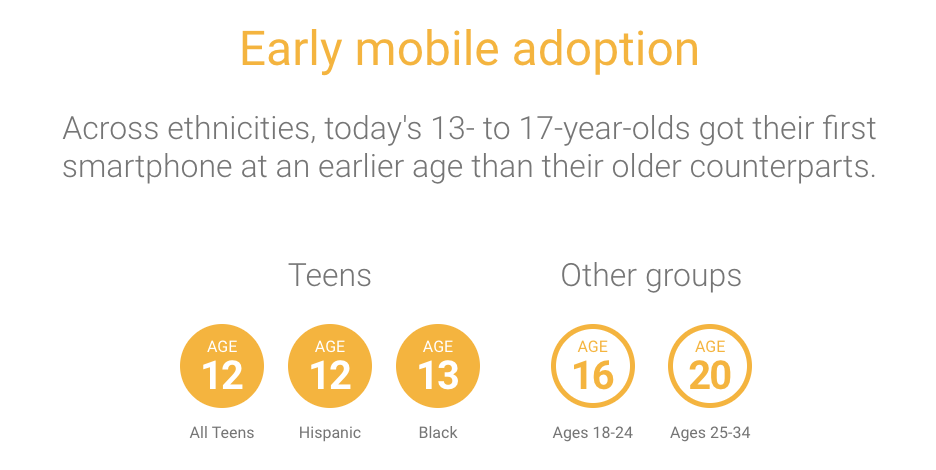
Generation Z Mobile Approach Generation Z is the first group to have unlimited access to a smartphone throughout their teenage years. Generation Z is heavily reliant on mobile devices than anyone else, including millennials. According to a study, members of Generation Z use smartphones most often to consume content. With this mobile-first attitude, brands should ensure that they are offering their prospective customers a seamless and incredible mobile website experience. If you want to drive this powerful consumer base to your website, optimize your website to offer an out-of-the-box mobile experience.

2. Embrace Influencer Marketing

Amongst all consumer segments, Generation Zers are more prone to trusting influencers more than traditional celebrities. A study suggests that more than half of teenagers today prefer to see a brand advertise through social influencers instead of using run-of-the-mill advertising techniques, such as TV commercials, sponsored articles, banner ads, and more. Their engagement with YouTube creators clearly shows how much they value the opinions of micro-influencers as opposed to traditional celebrities. Brands interested in connecting with this powerful generation are advised to work with more influencers on social media to promote their brand. Brands that harness the power of influencer marketing can easily capture the interest of Gen Z. Let’s take Old Navy as an example which tapped online comedian Meghan Reinks to deck out for different occasions.

3. Highlight Real People in Your Marketing Campaigns

Gen Z expects authentic and entertaining interactions from brands. To earn their trust, marketers should highlight real people and their stories in their marketing campaigns. Today, showing the authentic side of your brand has become an integral component of successful marketing. Highlight your values in what you do, refrain from making false claims about who you are, and let your users speak for you. Have a look at Dove’s Real Beauty campaign. The campaign beautifully showcases the power of authenticity. If you look at Abercrombie & Fitch, the brand focuses on putting real people in the limelight, instead of famous models, to flaunt their clothing range. [embed]https://youtu.be/eb9-Ar85wO8[/embed]

4. Leverage User Generated Content

Gen-Zers are more savvy in choosing the content they aspire to watch, and they make sure to skip ads whenever possible. This is why embracing user-generated content is a wonderful way for brands to show potential buyers how other people are using their products and services. This type of content serves as social proof that can help brands quickly build credibility among prospects. Many brands, such as BMW, GoPro, Sephora, Wayfair, Buffer, and more, are frequently using UGC on social media platforms to capture the interest of Gen-Zers. Online furniture brand Wayfair allows its customers to flaunt their home setups featuring Wayfair products by using the hashtag #WayfairAtHome. Starbucks harnesses the power of user-generated content by encouraging its fans to post shots of their coffees and incentivizing them to participate and engage online by offering drool-worthy giveaways.

5. Convey Your Brand Message Emotionally

Members of Generation Z rely on emotions instead of information to make brand decisions. Brands that leverage the power of emotional marketing can convey their brand’s identity and vision and create meaningful relationships that result in a loyal fan base. Marketers need to curate content marketing campaigns to engage consumers on a more emotional level. Vodafone has particularly launched a new mobile network for the youth, providing greater value on data, and allowing users to access apps such as Snapchat and Messenger without cutting into their data plan. Let’s consider Nike as an example: [embed]https://youtu.be/5Zk03ctwgW8[/embed] Nike’s brand message, “Just Do It,” resonates across multiple cultures. In this video, the brand doesn’t mention Nike products but centers on the juxtaposition between a hero and his nemesis to create a sense of rivalry between the active you and the slothful you.

Conclusion

These are a few effective strategies to engage and win over the trust of a well-informed, tech-savvy, and particularly cynical breed of consumers. If you are interested in marketing to this new digitally-savvy customer base, show your values, clearly convey your message, use real people for your marketing campaigns, and leverage user-generated content to win the trust of Gen Z.
Create a Successful Ecommerce Website
eCommerce Guide Web Design & Development

How To Create a Successful E-commerce Website

branex-logo Team Branex
Today, online businesses are growing at a much faster rate than traditional brick-and-mortar stores. Many local retail stores, craft makers, and even bloggers have started selling their products and services online. According to Statista, global retail sales of e-commerce are expected to generate more than 653 billion US dollars in 2018. If truth be told, e-commerce is the fastest growing and one of the most profitable industries to date. With online retail sales snowballing at a rapid rate, now is the right time to build your e-commerce website and boost your sales. However, creating a perfect e-commerce website may sound like a huge undertaking, but the process isn’t all that complicated. Starting an e-commerce business entails a lot of dedication, arduous work, commitment, and some important steps.

9 Tips to Create a Lucrative E-commerce Website

Create a Lucrative Ecommerce Website Here are some essential tips and tricks that can help you better understand the process of building a lucrative e-commerce website from scratch. Let’s dive in.

1. Choose the Right Products to Sell

One of the most important and challenging steps to build your e-commerce website is to find the products you want to sell online. Coming up with a unique product idea can be tough because the most popular and common product categories are riddled with fierce competition. Consumers are just one click away from e-commerce giants such as Amazon, Zappos, eBay, Walmart, and Best Buy. Therefore, it is advised to choose a product that you can position uniquely. Solving your customers’ pain points is always a great idea to drive sales. You can simply identify a problem or deficit and try to capitalize on it by doing it in a different and better way.

2. Figure Out Where to Obtain Your Products

Once you have come up with a new product idea to sell online, now is the time to figure out where to find your products. You can simply look for a manufacturer to produce your own products or find a supplier, wholesaler, or distributor to purchase already existing products from. There are many online supplier directories such as Alibaba, Oberlo, ThomasNet, Kompass, AliExpress, and more which provide a list of vendors to choose from.

3. Register Your Business

This is one of the obvious steps towards building an e-commerce website. Name your online store and find an appropriate and available domain name that will identify your online business. You can buy a domain for your e-commerce website from GoDaddy, Google Domains, Register.com, Domain.com, and more.

4. Choose a Hosting Platform

It is advised to choose an e-commerce hosting platform that can save both time and money. WooCommerce, BigCommerce, and Shopify are the most popular e-commerce platforms that make it easier to integrate plugins and payment processes.

5. Build Your E-commerce Website

Once you have decided on a business name and got your domain registered. Now is the right time to build a website for your new business. To save time, many websites offer a host of innumerable e-commerce website themes. You can choose one that allows you to showcase your products in the best viable way. You can simply download a template from websites that offer beautiful e-commerce website templates and themes. All templates are 100% mobile friendly, fully customizable, affordable, and open source, allowing you to pick one that best caters to your business vision. These DIY online e-commerce website builders can create websites in a jiffy, allowing you to start selling products immediately. If you want to build your e-commerce website professionally and incorporate more features and specialized unique options to meet the unique needs of your customers. Hire a professional web design agency that can give you an out-of-the-box e-commerce website solution. Explore a list of top e-commerce web design companies here.

6. Create a SEO Plan

You are almost ready to launch your e-commerce website, but before you jump into it, create an effective SEO strategy to enhance the visibility of your website. Optimizing your website for Google and other search engines is indispensable to help them understand what your online store is about and what it sells. This will increase your website visibility by increasing the chances of appearing higher in search results when potential customers are looking for the products that your store sells.

7. Choose a Shipping Strategy

When it comes to launching your new business, you need to determine your shipping strategy. In order to make sure that your customers glean a seamless experience, map out your shipping process. There are some key factors such as shipping rates, process, product weights, preferred packaging, and packaging sources that must be kept in mind. While devising shipping strategies for your online business.

8. Set up the Payment Gateway

As an online store, you should provide multiple payment options for your customers to provide greater convenience that will ultimately increase your chances of getting more sales. There are many online payment options such as:
  • Credit/debit/prepaid card payments
  • Bank transfers
  • Digital wallets
  • Cash
  • Amazon Payments
  • Bitcoin
  • Dwolla
  • Intuit Payment Network
  • PayPal
  • Authorize.net
  • 2Checkout
  • BluePay
  • WooRockets.com.
Take some time to research and decide what is best for your online store and what most of your customers prefer to use.

9. A/B Testing

Before launching your e-commerce website, you should invest in A/B testing. Prudently test everything from landing pages and images, pricing, and checkout processes, to emails and web copy. Make sure that your website works perfectly across smartphones, tablets, and other devices. Some A/B testing tools such as Google Analytics Content ResearchOptimizelyVisual Website OptimizerUnbounce, and more can help you optimize your site.

You are All Set to Launch

Finally, it’s time to launch your website with Branex. Remember that starting an e-commerce website is a detailed and complex process - from choosing a product to sell and finding suppliers to building, launching, and driving sales. Following these nine essential steps will ensure that your e-commerce website is launched in a timely manner that will eventually become a profitable business.
Website Design Guide for Color Blind
Guide Web Design & Development

How To Design A Better Web Experience For Color Blind Audience

branex-logo Team Branex
Did you know that 4.5% of the entire population is color blind? About 8% of males and 0.5% of females are suffering from color blindness. Advantage of Color Blind Color blind people find great difficulty in reading text, and navigating options and experience a host of usability issues when interacting with websites. While in the throes of designing a website, nearly every designer carefully considers an array of visual elements, web design principles, the balance of shapes, the hierarchy of text, fonts, and images, and perfecting the harmony of colors. But sadly, many designers overlook the predicament of color-blind individuals and turn a blind eye to this real-life dilemma. It is critically important to know that a large number of people are suffering from a color vision deficiency or color blindness. Not factoring in the whopping number of color blind people when designing your business website can make it difficult for them to use your website, which will negatively affect your readership and sales in the long run. If your website incorporates some color contrast, text, and font issues, it can easily affect how customers interact with your website. To make sure that your website is highly assessable, here are some easy tips and tricks to help you create a positive web experience for color blind individuals.

Use Clear Color Names and Useful Product Descriptions

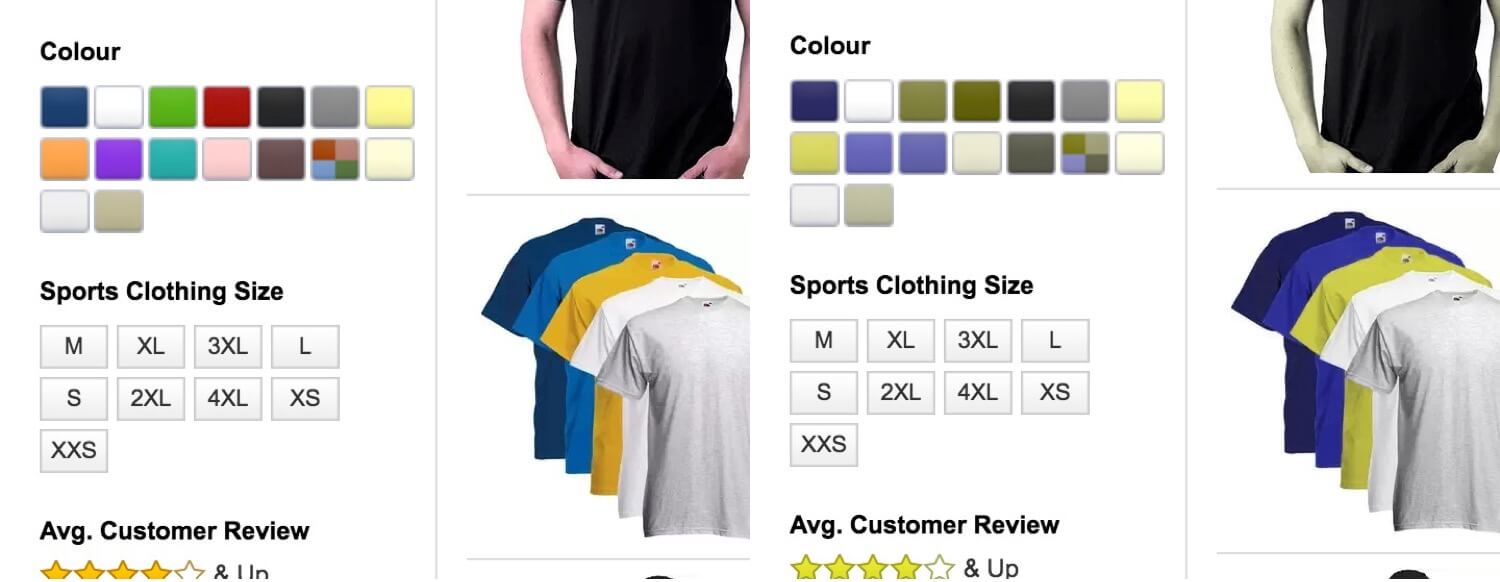
One of the most common hitches that color blind individuals have to face is identifying the actual color of a product on an ecommerce website, and they usually end up soliciting the help of another person to discern the color. It is extremely important to pay careful attention to color choices and design decisions while creating such business websites. If you are running an ecommerce store that sells t-shirts and you only show an image of the shirt, it may be a bit difficult for a person with color vision deficiency to identify which color the t-shirt really is. In order to solve this issue, it is important to incorporate color details in your product descriptions to make it easier for your color-blind audience to choose the product of their choice. Have a look at this example: Superdry Feed Post It is quite cumbersome for color-blind individuals to ascertain the color of this classic vintage logo t-shirt from Superdry. Because they neglected to mention the color in the product description. However, Italian Grace intelligently specifies the color of this striped shirt in the title and comes across as a more sensitive brand. Italian Grace Another brand that is working for the greater good is Gap, since they keep their color-blind audience in mind and specifically add a text label beside each color. Design for Color Blind Audience Amazon also made it easier to recognize the color of their products by popping up descriptive text when the user hovers over images. People with normal vision can also take advantage of this descriptive text. For instance, sometimes it is difficult to differentiate dark hues such as navy and black on a screen. However, adding a text label can solve the problem.
Use the Color Search Filters

Incorporating an effective color search filter with clearly defined labels on your website makes it hassle-free for people with protanopia to conduct a product search. For instance, Warby Parker uses color search filters which make use of both the color names and their symbols. Color Search Filters

Avoid Color-Specific Required Form Fields

Denoting required fields with colors is a huge problem for those who can’t distinguish hues because every field looks identical to individuals with a color vision deficiency. So, when it comes to designing a sign-up form, contact form, or any other type of form, it is highly recommended to write the text reference right in or next to the form’s label or perhaps use an asterisk to denote a vital field. This will make it readable for those suffering from color blindness. What you shouldn’t be doing: Color-Specific Fields When done right: Color-Specific Fields Labeling your instructions clearly with the help of text is a sensible choice in order to avoid any confusion.

Have a Look at the Facebook Form Fields:

They have specifically chosen text labels in their signup forms, allowing their color blind audience to recognize common red error messages.

1. Use Contrast Wisely

Using a good contrast between the color of the text and the background is one of the most important factors which can draw your eye toward an important section of your website. In addition, achieving an effective contrast can make the text easier to read. Color-blind individuals are able to identify bright colors more easily than dim hues. Designers can use vibrant, dark colors to make it hassle-free for individuals with color deficiencies to read the text. So, play smartly with colors in dark and light combinations to maintain a perfect contrast ratio. But make sure to stick to colors that perfectly align with your overall brand guidelines. You can follow the Web Content Accessibility Guidelines (WCAG) or simply use the Contrast Ratio checker and WebAim color contrast checker to scrutinize if the text color, background color, and text size are sufficient. Color Contrast Color Contrast

2. Make Your Web Design in the Grayscale Mode

Make sure that your website looks equally good in the grayscale mode and that each element is distinctly visible. A lot of brands are making sure to keep this aspect in mind, since viewing your website in the grayscale mode helps you envision how it would appear to your color blind audience and help you tweak accordingly. Google Maps is an amazing example that looks perfectly great in its grayscale mode, capitalizing on different hues of gray akin to using red for busy and green for clear in its normal mode, allowing color blind people to view directions easily. Design in Grayscale Mode

3. Steer Clear of Some Color Combinations

Thankfully, designers can control the colors they use on their websites and pick the best color combinations to create an amazing user experience for their color-blind audience. Here are some color combinations that you should NOT use while choosing a color palette for your website. Color Combinations
  • Green & Red
  • Green & Brown
  • Blue & Purple
  • Light Green & Yellow
  • Blue & Grey
  • Green & Grey
  • Grey and Yellow

4. Use Links which are Easy to Spot

Refrain from capitalizing on color alone to denote the presence of clickable links on your website, as it would render it almost impossible for your color blind audience to spot them. Color Blind Audience to Spot The website of the UK Government Digital Service (GDS) would have someone suffering from Achromatopsia (total color blindness) scratching their heads in bamboozlement when it comes to treasure-hunting for a clickable link on the website. The only way left for them is to painstakingly hover over every possible word, holding their breath in anticipation, waiting to see if the cursor would transform into a pointer. Now imagine doing this with a mobile device! In order to ease navigation and make your website more accessible, why not incorporate icons to denote links, or even better, underline any hyperlinked text?

Over to You

Websites are meant to provide useful information to everyone in a more accessible and easier way. Creating a good user experience for customers suffering from a wide array of visual deficiencies must be a high priority to increase your chances of getting more leads and sales. These useful web design tips will surely help you create color blindness-friendly UX designs that will render your website more accessible for everyone, including color-blind users.
Creative Ways Of Your Products On Social Media
Guide Social Media Marketing

Promote Creatively 6 Smart Ways to Showcase Your Products

branex-logo Team Branex

Social media platforms have become integral to modern marketing strategies. Businesses of all sizes are leveraging these platforms to showcase their products, engage with customers, and drive sales.

What is the most underrated pleasure? A question asked on Quora that got around 3,500 answers. But the most interesting one was: ‘Sitting in the toilet’.

I mean are you serious? Yes, in fact, Poop Like Royalty is a tagline by a brand that manufactures devices which can help correct your toilet sitting posture. It is not about the product itself. It is about the way the brand is portraying the product.

Poop Like Royalty

Squatty Potty, dubbed "the stool for better stools," capitalizes on its doey-eyed unicorn with active bowels, expelling rainbow soft-serve ice cream while sitting on a throne. The furry, fantastical character alone is credited with a 400 percent increase in retail sales and a 600 percent leap in online sales with a single video that will forever change the way you drop the deuce.

The adorably creative ad broke all boundaries and its absurdist fever-dream theme hooked viewers until the very end, groaning to see the end of this intensely persuasive and personal infomercial. How could such an innocuous product, a small plastic step to be more specific, that will “give you the best potty of your life” according to the princely narrator, glean sales exceeding over $15 million in one year, you may be wondering? The answer lies in stellar storytelling!

Brands of today are jumping on insane ways to leave an everlasting impression on their users. Marketing tactics that are way above our heads are going viral and gaining the attention that is due them.

For instance, MagicLeap – a brand working on augmented reality, managed to capture an audience of 32,000 Twitter followers and 60,000 Facebook fans even before they launched their first product. How is that even possible? Because it’s engaging, thought-provoking, and interactive content gives users a sneak-peak into what they can expect next, keeping them on their toes at all times. Through such captivating video content, the brand is getting the world ready for what it is about to debut: AR goggles which would make it difficult to discern much between digital and virtual or real objects, making all data integrate seamlessly in our surroundings.

The good news is that some brands are already using insane tactics to portray products on social media. The great news is, that after this blog, you’ll be drilled in a few tactics through which you can flaunt your product on social media without even worrying about your competition!

1. A Teaser on Social Media

“Why is it that when one man builds a wall, the next man immediately needs to know what's on the other side?” ~George R.R. Martin, Game of Thrones

The key is not to reveal what your product is going to be. When Microsoft Lumia was launched back in the year 2014, it was barely a small step in the ocean. A new product with a blank canvas.

Microsoft Lumia for Social Media

There are several ways in which you can grab the attention of the users. You can either start a countdown. The countdown will serve two purposes. First, it will keep people engaged and serve as a reminder. Second, it will keep your audience curious about something.

The best approach is to start the countdown 4 days before the launch. You can launch the countdown on the homepage of your website and market it across all social media channels. You can even make a short video, leaving your audience excitedly guessing what you have in stock for them, rewarding those who can Venture the most accurate guess!

2. Blog About It

Are you looking to drool a river? All you have to do is to pop open the “bake happy blog” of Hershey’s to be bombarded by a mouthwatering treasure trove of recipes, promising all the goodness that chocolate has to offer. Even if you are not a baking aficionado, the simply pupil-dilating images would instill in you a passion to try your hands at a chocolate lava cake or perhaps a batch of chocolate fudge pecan pie bars. The best part: all these repertoire of recipes have a Hershey’s product or two at their core! Craving for a chocolate almond fudge? Better head to the grocery store to grab a bag of Hershey’s special dark Chocolate Chips!

Blog About

You can take advantage of blogging to generate the right buzz around your product. Not just before pre-launch, but afterward as well. You can start the blog by creating awareness. Why is your product important for people? What real-world problem is it promising to solve?

If you’re able to convince people to use your product because it is catering to a need, it will be easier for you to gain attention when the time comes. People will be excited, and curious, and will invite their friends to test your product.

For instance, this highly creative startup regained, rescues the leftover nutritious grain from breweries, and recycles this mélange of fiber, protein, and a whole lot of micronutrients into super-grain flour which is incorporated into all their baked products. Since the concept is pretty novel, they leverage their blog to inculcate awareness about what they do, including taking their audience on a behind-the-scenes tour of the refinery to make them comprehend the notion.

Product or Service

Use the power of words to inspire people about your product. You can even create a series of blog posts that are centered on the how-to of your product or service.

An excellent example is that of TaskQue. A task management tool that can help managers better accomplish their resources by assigning automatic tasks to idle resources. If you see the TaskQue Blog, you’ll notice that all the blogs are themed around productivity, product features, and topics that are pertinent for project managers, to make their lives simpler.

Taskque

3. Create a Video

When DollarShaveClub.com wanted to stand out from the typical TVC war, they created this hilarious TVC which went viral in no time. What makes this product video stand out is how well the company is acquainted with its audience and the real-world problem it is addressing; that of the exorbitant costs of store-bought razor cartridges.

The company aspired to tap into a demographic of young, professional men who often purchase big-brand razors at local stores. The well-targeted, absurdist launch video catered well to their targeted end-users, and as a result, the video gleaned more than 11 million views.

If you have the right budget, you can even leverage a fun animated video announcing the new launch and letting the people get acquainted with your product. For instance, the animated product launch video of Soluto, an anti-frustration software that helps its patrons do new things with the services and devices they use based on their interests and behaviors, shows how the brand is empowering its customers to get the most out of their technology.

https://vimeo.com/35831813

Similarly, you can share behind-the-scenes of the product, which usually intrigues consumers to establish a personal bond with the brand. Whatever it is, you have the opportunity to get creative and get your audience animated by creating a unique video that catches their eye.

4. Limit the Quantity of the Product

If you want to create the right hype about your product, the best way is to limit the quantity of the product. Or at least pretend that you have a limited quantity to create a sense of urgency around your offering. Not only does this make your product appear more valuable, but if you sell out you’ll create even more hype for your product for the next go-round. It will also compel the users into impulsive buying decisions.

Product Page

5. Ask Influencers for Help

Ring up the top 100 digital marketers of the year 2018, invite them over for a cup of coffee, and give them your product. Let them use it, and ask them to review the product on their social media pages. Once you’re able to sell a few influencers on your product, you’ll be able to create momentum for your product. There are plenty of opportunities to get creative with this one, but don’t overlook the great opportunities that come from networking and putting together a community around your launch.

Power of Influencer Marketing

You can even offer incentives to influencers and help them build more networks around your customer database. You can even ask the influencers to become your brand advocates and pay them a small fortune for their troubles.

6. Unite Your Tribe with a Cover Photo

The great thing about social media is that it is addictive. You can start with baby steps, add people, and within no time, you’ll be able to influence an even greater number. For instance, you can leverage your cover photo to flaunt some of your products, especially if you are designing for retail. An online stationery shop, NoteMaker, displays its key stock items neatly on its cover photo against a white background to direct the eye where it is supposed to be directed.

Facebook Cover Photo

Brands in the food industry can jump on a host of stellar opportunities to grab attention using enticing photos of their mouth-watering offerings. Let your audience know what’s new on the menu, which of your flavors is becoming an eye candy, and what new promotions are on the way.

Here, the melting cheese oozing out from the slice is sure to kick all your pizza cravings into action!

Pizza Slicing

If you plan to launch a website, a brand, or even a brick-and-mortar store, you can change your social media cover photo on every channel and ask your customers to do the same. Of course, you can offer them some incentive to do so.

But the thing is to create a tribe and let the people follow that tribe. You can even use the countdown to create engagement among the young souls. In this way, people will be curious about what is coming their way.

To Wrap It All

Whether you take away one idea from this post or try to implement them all, you'll be able to create a little more excitement around your new business launch. And the more excitement you can generate around your business, the greater chances you have of expanding your audience, engaging with your followers, and increasing your sales.

Ways To Increase Mobile App Downloads
Guide Mobile App

5 Intelligent Ways Growing Entrepreneurs Can Increase Their Mobile App Downloads

branex-logo Team Branex
If you’re reading this blog post, I can safely venture a guess that you’re about to launch a mobile app – perhaps your first one. This means you need to put in serious efforts to get your message across and capture the maximum number of mobile app downloads so that you can succeed with your grand mobile app idea. With a host of viable mobile app promotion strategies at your disposal. You will be able to gain maximum app downloads for your mobile app. "The mobile device has become our communications hub, our diary, our entertainment portal, our primary source of media consumption, our wallet, and our gateway to real-time information tailored to our needs. The revolution is now!" ~Nihal Mehta, Eniac Ventures With nail-biting competition prevalent between the Google Play store & Apple app store, it is audacious to convince users to download the mobile app. Not to mention, when you are working with a shoestring budget, it gets even more difficult to spread your message. Luckily, there are some free ways in which Entrepreneurs can entice users into downloading their mobile app. Download Mobile App Forecast

1. Enhance Your App Store Optimization

I cannot even begin to comprehend such a list without giving precedence to app store optimization & its innumerable merits. App store optimization is the process of augmenting the title and app description, under the guidelines provided by the app store. The key is to make your app discoverable on the app store charts. Although mobile app developers are leveraging ASO, there exist some run-of-the-mill marketers and developers who are still oblivious to this. If you’re one of them, now is the time to drill yourself into the niche and learn everything you can about ASO. Akin to SEO, there are dozens of ASO tutorials across YouTube, which can help you jump-start your mobile app optimization. You can gear up your mobile app keyword research by Neil Patel’s brilliant blog post your mecca. You can also solicit the help of credible companies, such as AppRadar, and AppTweak, to glean the pertinent keywords for your business. App Store Optimization

2. Invest Some Time in Nurturing Your Online Presence

Do you want to escalate your mobile app downloads without splurging a fortune? Why not start by boosting your brand awareness across various social media platforms? It is time to push out your app all over the internet and make it visible to your audience. You can do so by creating stellar landing pages for your mobile app. Mobile App Downloads for Online Presence You don’t need to be a mobile app development guru in order to create such pages. Also, you can contact a professional mobile app development company and hire them to craft a striking landing page for your app. Even better you can use WordPress tutorials to create one for yourself and save yourself from having to sell out a limb or two. Since you are only entailed to pay a domain cost of around $10, in addition to some preliminary hosting fees. Another high-impact way to augment your brand awareness is to launch a blog in your respected niche and be seen as an authority. For instance, if you have a real estate mobile app, your blog should revolve around sharing nuggets of wisdom pertaining to the buying and selling of properties in your vicinity. Once the user starts reading your blogs, they will start sharing them with others. This will give your brand a solid standing within your niche. The goal of your blog should be to create engagement on web channels. This will eventually foster trust among users to download your app and try it out.

3. Start With a FREE Trial

If you are able to develop an app that creates a sense of urgent need in the market. You’ll be able to capture the market share eventually. But, to jolt the process forward, you need to give your users a sneak peek into what they can expect when they use your app. Most of the time, well-known apps come with a price tag. But, all of them start out with a FREE trial download for a limited period to reel in as many customers as their cast net allows and spread the news for others to follow. Additionally, if your app offers paid in-app purchases, go all generous for a while and cut down the prices to let the users truly experience the quality of your app and encourage them to delve in deeper. Once the customers acquire the taste of your app, you can update to a paid version, and they will be happily obliged to pay anything to use your app. Additionally,  free apps show up more frequently in the app store and create greater engagement among users. Jump on this opportunity to maximize your app downloads. FREE Trial Mobile App Downloads

4. Request Users to Rate Your App

84% of consumers go so far as to claim that they trust consumer reviews about as much as they would trust a recommendation from a trusted friend! When users hear about your app from a friend or any real user. They are more prone to believing the review than they are to heed paid material. This helps to drive more app downloads and improves your overall ranking in the mobile app store. However, this is a double-edged sword. Just as positive app reviews can perk up your mobile app downloads – negative reviews can make your rankings slide down the ladder and have adverse repercussions on your conversion rate. It is important here to note that both Google Play Store and Apple App Store algorithms take app reviews into account when ranking apps in their respective stores. This translates into how reviews can affect the overall ranking of your app. An infallible way to garner happy and constructive reviews is to get in-app pop-up reviews. While the user is still in the throes of operating the app, the time is often ripe to get positive reviews when the iron is still hot. Once they don’t have anything more to do with your app. They are less likely to give a second thought to ranking it. Obviously, you can eliminate deleterious reviews by crafting a memorable experience for your users. Start by fixing your app bugs and facilitating users by incorporating a user-friendly interface. Before the user points out any wiretaps, go for a postmortem of your mobile app & remove any hindrances and issues that may exasperate your users. Rate Mobile App

5. Put Your App in the Spotlight

Last but not least, it is important to get your app out for people to see, as much as you can. Mention your app in any significant online forums and use Quora to introduce your app to any potential customers. You can even get help from brand influencers. Give them the premium version of your app for free and ask for their honest reviews. Request them to publish their reviews online. Do a press release in email tech journalists and show them what makes your app different from other apps out there. The point is to make the right influencers fall head over heels in love with your app. The experience, the emotions, and what else you can use to evoke the feelings of the influencers and make them gush admirably about your services. You can also ask tech websites to review your app. If your app is worth it, they might even review it for FREE. Spotlight Search

To Conclude it All

Regardless of how great your app is, if you don’t put in enough effort to promote it, no one ever feels inclined to download an unknown app that they randomly come across. With the nerve-wracking competition out there, it is almost impossible to find new strategies to promote your app. Everything is easy if have a bulging pocket, but as an Entrepreneur, it gets difficult to invest in app promotions at the start. You can seek help with these techniques to boost your mobile app downloads for free.
Kid Entrepreneur
Entrepreneurship Guide

How To Train Your Kid To Think Like An Entrepreneur and Develop a Million-dollar Mindset?

branex-logo Team Branex
Teaching kids to think like an entrepreneur raises creativity, resilience, and problem-solving skills from an early age. Encouraging curiosity and allowing children to explore their ideas builds a mindset of innovation. “You don't learn to walk by following rules. You learn by doing, and by falling over.” ~Richard Branson Evan started his YouTube channel and managed to earn $1.3m in his annual revenue. Now, for the interesting part. Evan was just 9 years old when he made his first million. Yes, Evan is just one example. There are tons of kids like Evan. Ryan ToysReview has more than 12m subscribers serving dollops of cuteness, while smart and loud-mouthed 2-year-old chatty Mila can easily drive more than 800,000 views on her adorable witty rants. I mean, who can forget when Mila had budgeting blues, or when someone kept kicking her seat at the movies? Who wouldn’t want to vent out after that!!! Think Like An Entrepreneur Who are these kids? These are ordinary kids with an Entrepreneurial mindset drilled into them. Just like adults, some kids are destined to make it big. Curiosity, self-confidence, and creativity are just a few traits that turn ordinary kids into prodigies. Can your child be a budding Entrepreneur? Well, that depends on how serious you are about teaching your kids to think and act like one! Here are 8 skills that you need to inculcate in your kids to help them become boss babies!

Resilience

A study conducted by Stefan Korber identifies six behaviors that guarantee Entrepreneurial success and one of them is resilience. No great mind has ever existed without a touch of madness. Resilience Skills in Entrepreneur Kid Kristen Hadeed in her book, Permission to Screw Up talks about her relationship with her father. “When I discussed my company name with my father, he told me to check if anyone else is registered with that name.” “I chucked his warning out the window and registered my company anyway. One week later, I was holding a notice in my hand, with an order to dissolve my company name, as it was already assigned to someone outside our state. At that moment I looked towards my father to hold me and comfort me with warm nothings. But, my father strictly told me to “learn to deal with my demons on my own.“ As parents, it falls on us to teach our kids to get back up on their own after each fall. Instead of acting like a shield, let them become self-sufficient. Let them fail and learn things on their own. Also Read: 10 Signs That You Are A Born Entrepreneur

Creativity & Innovation

Creativity in Entrepreneur Kid "I spent all my summers on his ranch, from the age of 4 to 16, and [Jeff's grandfather Pop] was incredibly self-reliant. You know, if you're in the middle of nowhere, in a rural area, you don't pick up the phone and call somebody when something breaks, you figure out how to fix it yourself. So, as a kid, I got to see him solve all these problems and be a real problem solver... We learned a lot of things from watching him because he would take on major projects that he didn't really know how to do and then figure out how to do them." ~Jeff Bezos Most Entrepreneurs didn’t know what to do at the onset. But, one thing they all had in common was an inherent sense of wonder and curiosity to innovate and find new ways to do old things. As an Entrepreneur, you’ll be forced to solve multifaceted problems on a day-to-day basis. And if you don’t teach your kids to move away from their comfort zone and get their feet wet with something new, you’ll not be able to bring out the best in them. Instead of rushing to jump in every time you see them struggling, let them play, let them burn the midnight oil figuring out how to do something until they get it right. You’ll be surprised by the amount of energy these kids will put into unraveling out-of-the-solution solutions.

Industriousness

“In my first few years of the university, I used to code for 18 hours at a stretch.” “I slept in my office and started work the next day from where I had left off. “ These are not just statements. These are moments of inspiration that young people can garner from well-established Entrepreneurs. Entrepreneurial Skills Taught in Young Age To build a solid work ethic, kids need to learn the value of hard work. Nurture a sense of independence among kids by assigning them certain responsibilities, even as small as drying out the dishes daily or mowing the lawn. Instead of showering them with needless gadgets, give them podcasts to listen to or success stories to while away the time, to inspire and motivate themselves. Ensure that your kids learn to do the day-to-day activities well so that when things go south, they can always surface on top of the wave.

Curiosity

“Every child is an artist. The problem is how to remain an artist once he grows up.” ~Pablo Picasso When consulting with entrepreneurs and executives, I start with something I call the Clearing Process, a route I developed to help people step more fully into the expanded possibility. The Clearing Process begins with clarity, and sometimes this is a challenge for new business leaders who are eager to launch their businesses without doing their diligent homework in earnestness. “Oh, I’m very clear about my goals,” they tell me. “I’ve spent years thinking about opening my own company.” “Great!” I smile at them. “What greater purpose do you see your company fulfilling?” Silence. The reason most modern-day Entrepreneurs don’t know what their company stands for is that they are not curious enough. Entrepreneurs are life-long learners. Encourage your kids to try & learn new things, instead of settling into a routine. Try to take them out to tech-free outings. Take them to a museum, to a new country, or even to activity centers periodically to keep their creativity fueled. Curiosity in Kid

Empathy

“Empathy makes you a better innovator. If I look at the most successful products we [at Microsoft] have created, it comes with that ability to meet the unmet, unarticulated needs of customers.” Microsoft CEO Satya Nadella Successful Entrepreneurs know the importance of being empathetic. Empathy is the core difference between a leader and a boss. Being empathetic not just towards other entrepreneurs, but even the employees of your start-up, is indispensable as it helps them foster a sense of team spirit. Empathy With kids, don’t just wave off their ideas on-spot, no matter how silly and child-whimsical-fantasy they may sound. Listen to them, discuss with them, and teach them about the pros and cons of their ideas like grown-ups. If you listen to your kids with full attention, it can help build empathy in them, right from a tender age.

Giving Back

True Entrepreneurs are veracious givers. They understand the importance of social responsibility. They don’t just work for themselves, they take what they do and work hard to give back to people in unimaginable ways. Be it Bill Gates, who dreamed of every home using his windows, or Steve Jobs who revolutionized the way we listen to songs or use our smartphones, every Entrepreneur was a visionary once who set aside his feelings and did something for the greater good. Sharing Kids Teach your kids to help their friends and neighbors for a start. Pass on to them the habit of giving out a charity or helping the elderly while they are crossing the street. This will develop in them the spirit of giving back. And once this habit is well-established, kids can use it in their ventures to deliver the impossible. In the end, even if your kids don’t succeed as Entrepreneurs, these skills can help them in different areas of their lives. As parents, you must train your kids well. Even if your parents didn’t train you, it is your job to ensure that your kids grow with the right Entrepreneurial outlook.
1 4 5 6 7
whatsapp