



8 Telltale Signs That You Are Dealing With Clients From Hell
 Team Branex
Whether you work at an agency, as a freelancer, or have started your own service-based business, dealing with clients must be handled as fragilely as the work you put into your final deliverables.
Most clients are a joy to work with.
Some clients, however, may become the bane of your existence.
When it comes to the latter breed of clients descended from hell, you’ll want to be able to see red flags before getting into business together.
Being able to identify situations that will inevitably lead to stress will help you preserve room in your schedule for clients who are worth keeping around for eternity.
Let’s look at 8 of the biggest warning signs that you might be dealing with a client from hell.
 If you still decide to move forward without clarifying the end goal, brace yourself for endless bouts of revisions. Even revisions which are not a part of the initial scope of work.
To save yourself from falling prey to such situations, you can take precautions before shaking hands with the client.
The best way to proceed with such a client is to start off with a questionnaire. Along with that, make sure you are clear about the payments. In this way, your efforts won’t go down the drain.
If you still decide to move forward without clarifying the end goal, brace yourself for endless bouts of revisions. Even revisions which are not a part of the initial scope of work.
To save yourself from falling prey to such situations, you can take precautions before shaking hands with the client.
The best way to proceed with such a client is to start off with a questionnaire. Along with that, make sure you are clear about the payments. In this way, your efforts won’t go down the drain.
 When someone disparages you, it clearly shows that they’re not valuing your effort and time.
To steer clear of this scenario, it is advised to list your rates publicly for everyone to see. This helps you shake off those pesky clients from the word go while bringing you into the limelight for other potential clients.
When someone disparages you, it clearly shows that they’re not valuing your effort and time.
To steer clear of this scenario, it is advised to list your rates publicly for everyone to see. This helps you shake off those pesky clients from the word go while bringing you into the limelight for other potential clients.
 Perhaps you would be better able to gulp down the bitter sip if the client is paying you handsomely. But if the client is holding back on what you are due and not giving you the credit as well, it is high time to fire your client and move on to the next one.
 The best approach is to set a time and day for such meetings. For instance, give your client a 15-day window, and after that, update them on what you have done so far.
There is no need to answer every call of the client or entertain preposterous requests for such redundant meetings just for the sake of keeping your client happy.
The best approach is to set a time and day for such meetings. For instance, give your client a 15-day window, and after that, update them on what you have done so far.
There is no need to answer every call of the client or entertain preposterous requests for such redundant meetings just for the sake of keeping your client happy.
No Direction with Endless Revisions
Although the client may be expecting you to dawn upon ground-breaking ideas, what is the point of brainstorming when there is no direction to work with? As a logo design agency, we start off by sending a questionnaire to our client in an attempt to glean all the pertinent details about their business model and pick their brains. Once we have secured a sneak peek into their workings and preferences. It serves as a direction to move us along in our design journey. However, sometimes we too come across exasperating clients who appear rather clueless as to what they want from us!
If you still decide to move forward without clarifying the end goal, brace yourself for endless bouts of revisions. Even revisions which are not a part of the initial scope of work.
To save yourself from falling prey to such situations, you can take precautions before shaking hands with the client.
The best way to proceed with such a client is to start off with a questionnaire. Along with that, make sure you are clear about the payments. In this way, your efforts won’t go down the drain.
They Complain that You Charge Too High
Maybe you’re charging on the pricier end of the spectrum, as far as their budget goes. But some customers make it their life mission to complain about the price and still prefer to buy from you instead of looking for a more affordable alternative.
When someone disparages you, it clearly shows that they’re not valuing your effort and time.
To steer clear of this scenario, it is advised to list your rates publicly for everyone to see. This helps you shake off those pesky clients from the word go while bringing you into the limelight for other potential clients.
They Don’t Listen and Complain Later
This client genre is by far the worst. They avoid heeding your words, and when things go south, they look for a scapegoat in you. When clients come to us for their e-commerce website development, we try to sell them what is best for them and educate them on what’s trending in their industry. But some clients try to impose upon us their ideas which they had heard from some third-party freelance developers or because they saw someone else do it. Most of the time, these ideas are downright preposterous or not in the best interests of the client. But since our clients compel us to implement those ideas, we are left with no option but to comply. And when their project plummets to the ground, we bear the brunt of a tirade of unsolicited accusations. To avoid this type of arrangement, you can ask the client for their requirements in writing before the project starts so that you can justify your stance if the client puts their foot down the road.They Think You’re Always Available On-call
Yes, it is good to accommodate your clients in matters of utmost urgency. But the clients from hell expect you to remain on-call all the time. As if you have nothing better to do than wait on them around the clock. They expect instant results and even immediate deliverables. You can evade such a scenario by mentioning the rush fees for accepting any off-time calls or making alterations or revisions on an urgent basis. Stress on the importance of work-life balance. It is perfectly okay to reject assignments if you find them interfering with your personal life.They Take All the Credit
I am sure most of you have encountered this situation back in your school days. When you help your friends out with the exam preparation, they end up with a higher score, even though you studied your brains out for an entire year. And worst still, your friend cannot stop boasting about their skills to all who would listen. Unfortunately, this doesn’t stop at school; professional life meets the same fate. When the clients from hell take all the credit for your job, it is all you can do is not to run berserk.
Perhaps you would be better able to gulp down the bitter sip if the client is paying you handsomely. But if the client is holding back on what you are due and not giving you the credit as well, it is high time to fire your client and move on to the next one.
Unplanned Weekly Meetings
Good things take time. You cannot update your client every week on your progress. But the clients from hell demand a weekly meeting to stay updated on what you have been up to in the preceding week.
The best approach is to set a time and day for such meetings. For instance, give your client a 15-day window, and after that, update them on what you have done so far.
There is no need to answer every call of the client or entertain preposterous requests for such redundant meetings just for the sake of keeping your client happy.


 If you scrutinize different Instagram accounts of fashion brands, you will find a striking similarity. They are all loaded with product images and editorial photos. However, the fashion brand Gucci always projects feelings of elitism and luxury by leveraging a highly-authentic and appealing Instagram strategy which makes it stand out among competitors. The brand uses illustrations which take stories related to a product or other product ranges to unprecedented heights.
Gucci never points its users towards direct purchases. Therefore, it is one of the less shoppable brands in the list. The combination of aesthetically appealing visuals and storytelling makes the brand a memorable and unique one.
If you scrutinize different Instagram accounts of fashion brands, you will find a striking similarity. They are all loaded with product images and editorial photos. However, the fashion brand Gucci always projects feelings of elitism and luxury by leveraging a highly-authentic and appealing Instagram strategy which makes it stand out among competitors. The brand uses illustrations which take stories related to a product or other product ranges to unprecedented heights.
Gucci never points its users towards direct purchases. Therefore, it is one of the less shoppable brands in the list. The combination of aesthetically appealing visuals and storytelling makes the brand a memorable and unique one.
 The world’s famous high-end beauty and cosmetics brand Mac, is taking the maximum advantage of this amazing social media platform. Mac promotes its products by encouraging makeup artists, beauty bloggers, and vloggers around the world to promote their branded hashtags such as #MyArtistCommunity and #MACArtistChallenge.
The brand is known for its bright looks, glittery eyes, and bold lips, and it flaunts that through its eye-striking Instagram posts. Their flamboyant and attention-grabbing products make the brand stand out in the user feeds, and immediately allure the eye and draw huge interest from users.
The world’s famous high-end beauty and cosmetics brand Mac, is taking the maximum advantage of this amazing social media platform. Mac promotes its products by encouraging makeup artists, beauty bloggers, and vloggers around the world to promote their branded hashtags such as #MyArtistCommunity and #MACArtistChallenge.
The brand is known for its bright looks, glittery eyes, and bold lips, and it flaunts that through its eye-striking Instagram posts. Their flamboyant and attention-grabbing products make the brand stand out in the user feeds, and immediately allure the eye and draw huge interest from users.
 Too Faced is one of the most famous beauty brands that is known for its smart work with influencers and beauty bloggers. By collaborating with smaller, lesser-known influencers and local vloggers. The brand depicts its authentic and humble side to its followers, as opposed to other beauty and cosmetic brands.
By reposting and promoting the works of beauty bloggers, makeup artists, and other aficionados, the brand gained a significant boost in customer engagement. It encourages enthusiasts and bloggers to submit their works in the hopes of garnering maximum exposure on Instagram. This makes more and more fans tag the brand so that they can grasp the opportunity to get featured as well on the official Instagram page of Too Faced.
Too Faced is one of the most famous beauty brands that is known for its smart work with influencers and beauty bloggers. By collaborating with smaller, lesser-known influencers and local vloggers. The brand depicts its authentic and humble side to its followers, as opposed to other beauty and cosmetic brands.
By reposting and promoting the works of beauty bloggers, makeup artists, and other aficionados, the brand gained a significant boost in customer engagement. It encourages enthusiasts and bloggers to submit their works in the hopes of garnering maximum exposure on Instagram. This makes more and more fans tag the brand so that they can grasp the opportunity to get featured as well on the official Instagram page of Too Faced.
 Yves Saint Laurent is a famous fashion brand that has devised an out-of-the-box Instagram strategy; one of leveraging videos in their feed to captivate and communicate their brand message across. By harnessing the power of videos, vibrant colors, and stunning visuals, the beauty brand created an evocative impact on teens and young adults, to turn them into loyal brand fans while motivating them to take the desired action.
 Glossier is a highly popular American cosmetics brand that is celebrated for its quality and easy-to-use skincare and beauty products. The brand uses a pastel color palette that has now become its trademark. The brand makes product announcements by using attractive makeup pictures and interacts with its community by creating interesting polls regarding the designs of its upcoming products and actively answering their concerns and questions.
Glossier uses a very smart strategy for Instagram marketing. They use their loyal fans as models to promote their products, using the hashtag #nofilterjustglossier which makes their promotion strategy that much more real and organic. They mainly focus on makeup tutorials to engage with followers and other fun posts that also give their
Glossier is a highly popular American cosmetics brand that is celebrated for its quality and easy-to-use skincare and beauty products. The brand uses a pastel color palette that has now become its trademark. The brand makes product announcements by using attractive makeup pictures and interacts with its community by creating interesting polls regarding the designs of its upcoming products and actively answering their concerns and questions.
Glossier uses a very smart strategy for Instagram marketing. They use their loyal fans as models to promote their products, using the hashtag #nofilterjustglossier which makes their promotion strategy that much more real and organic. They mainly focus on makeup tutorials to engage with followers and other fun posts that also give their 


 Previously, when we used to visit a website and search for a product, let’s say a smartphone… that smartphone might run around us for at least 2 weeks and would show up in website ads as we surf through the Internet. It would target market us on our social media profiles. And it will show up on random websites we are visiting on a daily basis.
However, now times have changed. We are living our lives in an era where the cognitive abilities of a machine are more entertaining than the ones which are programmed into the machine.
Systems are being developed that are capable of identifying why you left a website, how you left that site (exit pages), and whether you bought a product or totally skipped it. Based on your actions will enable marketers to make informed decisions about crafting an ad that would be highly relevant to you.
It ultimately saves us from getting bombarded with unwanted advertising altogether.
Previously, when we used to visit a website and search for a product, let’s say a smartphone… that smartphone might run around us for at least 2 weeks and would show up in website ads as we surf through the Internet. It would target market us on our social media profiles. And it will show up on random websites we are visiting on a daily basis.
However, now times have changed. We are living our lives in an era where the cognitive abilities of a machine are more entertaining than the ones which are programmed into the machine.
Systems are being developed that are capable of identifying why you left a website, how you left that site (exit pages), and whether you bought a product or totally skipped it. Based on your actions will enable marketers to make informed decisions about crafting an ad that would be highly relevant to you.
It ultimately saves us from getting bombarded with unwanted advertising altogether.
 Tough luck! It’s going to take some time to get there, and until then, you will have to write on your own.
But here’s how AI holds the true power to automate our content production. “WordSmith” is an AI assistant that greatly benefits writers. It is a collection of modules which allow writers to search for patterns in languages. An estimated 1.5 billion content pieces were created with the help of WordSmith last year.
Software applications like WordSmith are based on NLG (Natural Language Generation) which is an intelligent AI algorithm. On the other hand, the AI sub-field NLG (Natural Language Generation) is an algorithm which translates data into natural language based on the kind of data you feed into the system.
However, the solution is more sentence-based and may fail to create the perfect writing flow that a writer may end up creating, but it still turns out to be of great assistance. To produce as such, you ultimately require a senior writer who is skilled at writing.
Tough luck! It’s going to take some time to get there, and until then, you will have to write on your own.
But here’s how AI holds the true power to automate our content production. “WordSmith” is an AI assistant that greatly benefits writers. It is a collection of modules which allow writers to search for patterns in languages. An estimated 1.5 billion content pieces were created with the help of WordSmith last year.
Software applications like WordSmith are based on NLG (Natural Language Generation) which is an intelligent AI algorithm. On the other hand, the AI sub-field NLG (Natural Language Generation) is an algorithm which translates data into natural language based on the kind of data you feed into the system.
However, the solution is more sentence-based and may fail to create the perfect writing flow that a writer may end up creating, but it still turns out to be of great assistance. To produce as such, you ultimately require a senior writer who is skilled at writing.
 In fact, some sales representatives claim that more than 80% of their working hours are spent identifying which of the leads have the potential to become customers and which of them are just “mystery shoppers” and not serious buyers. Making phone calls, sending out emails, awaiting responses, and then replying to them, all at the same time, can often lead to burnt-out and frustrated sales reps.
As a result, they might not be able to put their best foot forward when pitching to a highly lucrative prospective client.
However, with AI, things can dramatically change for sales representatives all around. By using smart intelligent systems, first, sales representatives can avoid focusing on repetitive tasks. They will not have to go through the entire long process of monitoring, categorizing, and creating effective communication with leads. It will greatly help the sales representative as they can readily spend more of their time and energy on closing sales leads.
In fact, some sales representatives claim that more than 80% of their working hours are spent identifying which of the leads have the potential to become customers and which of them are just “mystery shoppers” and not serious buyers. Making phone calls, sending out emails, awaiting responses, and then replying to them, all at the same time, can often lead to burnt-out and frustrated sales reps.
As a result, they might not be able to put their best foot forward when pitching to a highly lucrative prospective client.
However, with AI, things can dramatically change for sales representatives all around. By using smart intelligent systems, first, sales representatives can avoid focusing on repetitive tasks. They will not have to go through the entire long process of monitoring, categorizing, and creating effective communication with leads. It will greatly help the sales representative as they can readily spend more of their time and energy on closing sales leads.
 Email marketing has come a long way. From physical mail segmentation to scheduled send-outs. Today, AI can help you automate everything using state-of-the-art marketing automation tools. Besides, there are several other automated emailing tools on the market, such as Constant Contact, MailChimp, SendGrid, HubSpot’s CRM, and others which can help anyone easily comb through the jargon of email data to reach useful conclusions.
Future AI applications will enable marketers to easily segment email information based on different areas of interest, demographics, regions, and other criteria. So, if a marketing specialist wants to target a specific individual, they are not going to spend hours analyzing information based on personal details, zip codes, or telephone numbers to target different users belonging to different market niches.
Instead, they will leverage the power of
Email marketing has come a long way. From physical mail segmentation to scheduled send-outs. Today, AI can help you automate everything using state-of-the-art marketing automation tools. Besides, there are several other automated emailing tools on the market, such as Constant Contact, MailChimp, SendGrid, HubSpot’s CRM, and others which can help anyone easily comb through the jargon of email data to reach useful conclusions.
Future AI applications will enable marketers to easily segment email information based on different areas of interest, demographics, regions, and other criteria. So, if a marketing specialist wants to target a specific individual, they are not going to spend hours analyzing information based on personal details, zip codes, or telephone numbers to target different users belonging to different market niches.
Instead, they will leverage the power of  What people want is a personalized experience, and if your website is failing to give them one. They will eventually switch to another alternative. Many AI-powered tools have emerged which you can integrate into your website in order to provide customers with a more personalized experience.
CNET Intelligent Cross-Sell is a platform that usually associates itself with consumer-electronic goods. CNET Intelligent Cross-Sell is a software platform that handles all cross-sells and upsells based on behavioral data and other attributes such as product profitability and score reviews to make the sales process and experience better for users.
According to eMarketers, 48% of marketers reported observing a sales uplift in websites that are more personalized than those which aren’t. With AI-powered personalization, you can train bots at the back end of your website, so they readily adapt to what you are searching for. They can collect information from the source the audience has reached to their platform and based on that, they can readily point the customer in the right direction.
With tools like Evergage, you can personalize your offers and even personalize search results with modules like Evergage SmartSearch to meet customer preferences. In short, it is a tool that fits best in the category of content marketing when it comes to website personalization.
What people want is a personalized experience, and if your website is failing to give them one. They will eventually switch to another alternative. Many AI-powered tools have emerged which you can integrate into your website in order to provide customers with a more personalized experience.
CNET Intelligent Cross-Sell is a platform that usually associates itself with consumer-electronic goods. CNET Intelligent Cross-Sell is a software platform that handles all cross-sells and upsells based on behavioral data and other attributes such as product profitability and score reviews to make the sales process and experience better for users.
According to eMarketers, 48% of marketers reported observing a sales uplift in websites that are more personalized than those which aren’t. With AI-powered personalization, you can train bots at the back end of your website, so they readily adapt to what you are searching for. They can collect information from the source the audience has reached to their platform and based on that, they can readily point the customer in the right direction.
With tools like Evergage, you can personalize your offers and even personalize search results with modules like Evergage SmartSearch to meet customer preferences. In short, it is a tool that fits best in the category of content marketing when it comes to website personalization.
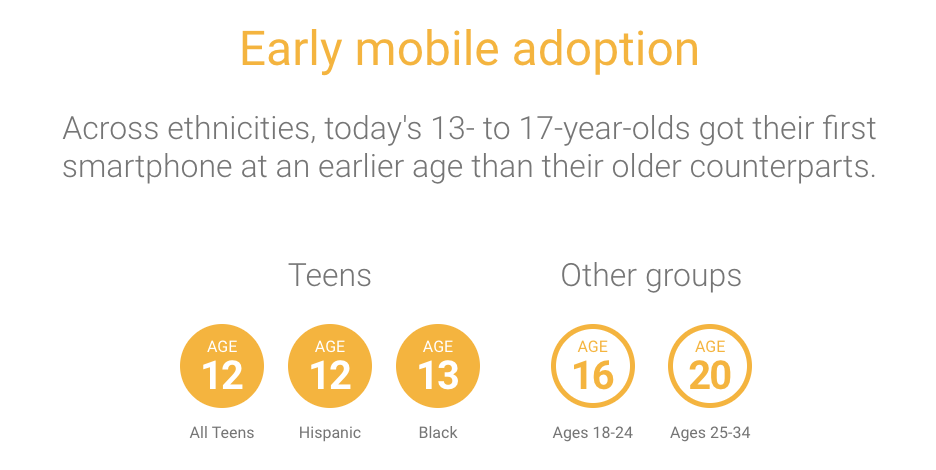 Generation Z is the first group to have unlimited access to a smartphone throughout their teenage years. Generation Z is heavily reliant on mobile devices than anyone else, including millennials. According to a study, members of Generation Z use smartphones most often to consume content. With this mobile-first attitude, brands should ensure that they are offering their prospective customers a seamless and incredible mobile website experience. If you want to drive this powerful consumer base to your website, optimize your website to offer an out-of-the-box mobile experience.

 In the US alone, 63% of adults post or talk about services and products online. While 81% read what other people have posted about those products. This renders earned content one of the most influential forms of content in this era!
User-generated content serves as social proof that is created by users and consumers about a brand. It enables a brand’s customers to become loyal advocates, which eventually goes to drive brand credibility and sales.
As consumers look up to their friends and other shoppers for recommendations, ecommerce brands, and marketers can leverage this influential content in more personalized and authentic ways. Since UGC is created by users and they are not paid to post their UGC content. It makes the promotion more authentic and convincing for other users. This is why UGC is now considered an essential marketing strategy for millions of brands. Today, many brands are tapping into user-generated content to advertise their products and services.
If you are thinking of fabricating a UGC campaign for the first time.
Here are some awesome
In the US alone, 63% of adults post or talk about services and products online. While 81% read what other people have posted about those products. This renders earned content one of the most influential forms of content in this era!
User-generated content serves as social proof that is created by users and consumers about a brand. It enables a brand’s customers to become loyal advocates, which eventually goes to drive brand credibility and sales.
As consumers look up to their friends and other shoppers for recommendations, ecommerce brands, and marketers can leverage this influential content in more personalized and authentic ways. Since UGC is created by users and they are not paid to post their UGC content. It makes the promotion more authentic and convincing for other users. This is why UGC is now considered an essential marketing strategy for millions of brands. Today, many brands are tapping into user-generated content to advertise their products and services.
If you are thinking of fabricating a UGC campaign for the first time.
Here are some awesome 

 McKinsey researchers have estimated that around $1.3 trillion value that is still untapped in social media can be unlocked once companies are able to comprehend how to use social media to drive business and sales. A social CEO can inspire their employees to stay active on social media as well.
 For instance, in the wake of the crash of an AirAsia flight, CEO Tony Fernandes solicited the help of social media to navigate the waters of crisis management. By taking to Twitter immediately ensuing the aftermath, this is what he had to write, “To all my staff AirAsia all-stars be strong, continue to be the best. Pray hard. Continue to do your best for all our guests. See u all soon."
By leveraging the power of social media to open all lines of communication, he offered the support and transparency that his customers and employees sought and turned an extremely damaging situation into a less difficult one.
For instance, in the wake of the crash of an AirAsia flight, CEO Tony Fernandes solicited the help of social media to navigate the waters of crisis management. By taking to Twitter immediately ensuing the aftermath, this is what he had to write, “To all my staff AirAsia all-stars be strong, continue to be the best. Pray hard. Continue to do your best for all our guests. See u all soon."
By leveraging the power of social media to open all lines of communication, he offered the support and transparency that his customers and employees sought and turned an extremely damaging situation into a less difficult one.

 Eager to harness the power of chatbot technology, Domino’s redefined what customer service is all about when they launched their pizza ordering bot DOM, allowing users to order directly via their
  The friendly foody bot of Whole Foods allows users to search for recipes, products, and food inspiration without ever leaving Messenger. The Facebook Messenger bot was launched in 2016 by Conversable. The brand is planning to widen its horizons by introducing coupons, direct shopping options, and a saved recipe library for its users.
Shoppers can capitalize on the chatbot to ask for recipes and determine where all the products that they need are located in the store. If you give the bot some details about your special dietary needs, flavor preferences, and food allergies. The bot will help you find foods and recipes that leave out a particular ingredient as well.
You can even simply send an emoji of a food item to glean an instant dietary recommendation. Send out a banana emoji into the Facebook Messenger chat. And watch the bot offer some popular recipes that include bananas and point you in the right direction. Isn’t it amazing?
The friendly foody bot of Whole Foods allows users to search for recipes, products, and food inspiration without ever leaving Messenger. The Facebook Messenger bot was launched in 2016 by Conversable. The brand is planning to widen its horizons by introducing coupons, direct shopping options, and a saved recipe library for its users.
Shoppers can capitalize on the chatbot to ask for recipes and determine where all the products that they need are located in the store. If you give the bot some details about your special dietary needs, flavor preferences, and food allergies. The bot will help you find foods and recipes that leave out a particular ingredient as well.
You can even simply send an emoji of a food item to glean an instant dietary recommendation. Send out a banana emoji into the Facebook Messenger chat. And watch the bot offer some popular recipes that include bananas and point you in the right direction. Isn’t it amazing?
 One of the oldest airlines in the world considered the safest and most punctual European air carrier launched a KLM BlueBot (BB) on Facebook Messenger to help passengers book a ticket. The bot can also deliver booking confirmation, flight status updates, and reply to passenger queries. With the help of BB, the airline company is now able to handle a whopping number of requests from its customers and provide a personal, timely, and accurate answer to every customer request.

 1-800-Flowers is also making the most of chatbot technology while allowing its users to send flowers and gifts. It helps you choose florals according to the type of event, such as anniversary, birthday, family get-together, etc., and helps you select the right gift for the occasion. With their bot, you can easily purchase flowers and receive shipping updates right from the app.
 eBay launched a virtual shopping assistant ShopBot that helps consumers find items they want on their website. Users are required to provide some details about their preferences and price range and ShopBot will help them find the right product, style, and color. Users can simply upload the image of a product that they want and ShopBot will find it for them.
 Taco Bell is capitalizing on chatbot technology and making the process of ordering food online a lot easier for customers. With TacoBot, you can order some
  Spring Bot is a digital shopping assistant used by many retail brands such as Lanvin, Marc Jacobs, Givenchy, Uniqlo, Balenciaga, and more to connect with customers. It invites users to shop from more than 800 retailer brands and receive personalized recommendations in the app. Customers are required to answer some questions about their personal preferences and price range and the Spring Bot will provide them with relevant suggestions. Users can make direct purchases by simply clicking on the product images right on the platform.
