


How Can Beauty Brands Leverage Instagram To Sell Their Products
 Team Branex
Indubitably, Instagram is a great tool for brands running the gamut of all sizes and natures. Empowering businesses with an incredible opportunity to engage with their followers on an entirely new level. Beauty and fashion brands in particular are making the most of this amazing social media network and capitalizing on breathtaking imagery and creative videos to capture the attention of their audience in order to expand their communities.
According to a Social Bakers’ study, the beauty and cosmetic industry has now become the most influential industry, ranking third among the top five industries trending on Instagram. Instagram has unique and incredible built-in features and design aesthetics that require brands to come up with a stellar custom content strategy to guarantee burgeoning success.
This is why more and more beauty and fashion brands are seeking out innovative and organic ways of promoting their posts, engaging with their customers, and selling their products more authentically.
Today’s Gen Z shoppers are more digitally savvy and prefer to buy products they see on social media channels instead of perusing through brick-and-mortar store after store. A survey suggests that more than 75% of users made fashion, beauty, or style-related purchases, right after viewing products on Instagram. This is why an ever-escalating number of brands are using Instagram to promote their brand. According to Statista, 96% of beauty and cosmetics brands are using the platform to connect with consumers and market their products.
If you are thinking of using Instagram to endorse your products.
Here are a few effective tips you can learn from some of the most famous fashion and beauty brands on Instagram right now.
 If you scrutinize different Instagram accounts of fashion brands, you will find a striking similarity. They are all loaded with product images and editorial photos. However, the fashion brand Gucci always projects feelings of elitism and luxury by leveraging a highly-authentic and appealing Instagram strategy which makes it stand out among competitors. The brand uses illustrations which take stories related to a product or other product ranges to unprecedented heights.
Gucci never points its users towards direct purchases. Therefore, it is one of the less shoppable brands in the list. The combination of aesthetically appealing visuals and storytelling makes the brand a memorable and unique one.
If you scrutinize different Instagram accounts of fashion brands, you will find a striking similarity. They are all loaded with product images and editorial photos. However, the fashion brand Gucci always projects feelings of elitism and luxury by leveraging a highly-authentic and appealing Instagram strategy which makes it stand out among competitors. The brand uses illustrations which take stories related to a product or other product ranges to unprecedented heights.
Gucci never points its users towards direct purchases. Therefore, it is one of the less shoppable brands in the list. The combination of aesthetically appealing visuals and storytelling makes the brand a memorable and unique one.
 The world’s famous high-end beauty and cosmetics brand Mac, is taking the maximum advantage of this amazing social media platform. Mac promotes its products by encouraging makeup artists, beauty bloggers, and vloggers around the world to promote their branded hashtags such as #MyArtistCommunity and #MACArtistChallenge.
The brand is known for its bright looks, glittery eyes, and bold lips, and it flaunts that through its eye-striking Instagram posts. Their flamboyant and attention-grabbing products make the brand stand out in the user feeds, and immediately allure the eye and draw huge interest from users.
The world’s famous high-end beauty and cosmetics brand Mac, is taking the maximum advantage of this amazing social media platform. Mac promotes its products by encouraging makeup artists, beauty bloggers, and vloggers around the world to promote their branded hashtags such as #MyArtistCommunity and #MACArtistChallenge.
The brand is known for its bright looks, glittery eyes, and bold lips, and it flaunts that through its eye-striking Instagram posts. Their flamboyant and attention-grabbing products make the brand stand out in the user feeds, and immediately allure the eye and draw huge interest from users.
 Too Faced is one of the most famous beauty brands that is known for its smart work with influencers and beauty bloggers. By collaborating with smaller, lesser-known influencers and local vloggers. The brand depicts its authentic and humble side to its followers, as opposed to other beauty and cosmetic brands.
By reposting and promoting the works of beauty bloggers, makeup artists, and other aficionados, the brand gained a significant boost in customer engagement. It encourages enthusiasts and bloggers to submit their works in the hopes of garnering maximum exposure on Instagram. This makes more and more fans tag the brand so that they can grasp the opportunity to get featured as well on the official Instagram page of Too Faced.
Too Faced is one of the most famous beauty brands that is known for its smart work with influencers and beauty bloggers. By collaborating with smaller, lesser-known influencers and local vloggers. The brand depicts its authentic and humble side to its followers, as opposed to other beauty and cosmetic brands.
By reposting and promoting the works of beauty bloggers, makeup artists, and other aficionados, the brand gained a significant boost in customer engagement. It encourages enthusiasts and bloggers to submit their works in the hopes of garnering maximum exposure on Instagram. This makes more and more fans tag the brand so that they can grasp the opportunity to get featured as well on the official Instagram page of Too Faced.
 Yves Saint Laurent is a famous fashion brand that has devised an out-of-the-box Instagram strategy; one of leveraging videos in their feed to captivate and communicate their brand message across. By harnessing the power of videos, vibrant colors, and stunning visuals, the beauty brand created an evocative impact on teens and young adults, to turn them into loyal brand fans while motivating them to take the desired action.
 Glossier is a highly popular American cosmetics brand that is celebrated for its quality and easy-to-use skincare and beauty products. The brand uses a pastel color palette that has now become its trademark. The brand makes product announcements by using attractive makeup pictures and interacts with its community by creating interesting polls regarding the designs of its upcoming products and actively answering their concerns and questions.
Glossier uses a very smart strategy for Instagram marketing. They use their loyal fans as models to promote their products, using the hashtag #nofilterjustglossier which makes their promotion strategy that much more real and organic. They mainly focus on makeup tutorials to engage with followers and other fun posts that also give their Instagram marketing an organic feel and convince people to try their products.
Glossier is a highly popular American cosmetics brand that is celebrated for its quality and easy-to-use skincare and beauty products. The brand uses a pastel color palette that has now become its trademark. The brand makes product announcements by using attractive makeup pictures and interacts with its community by creating interesting polls regarding the designs of its upcoming products and actively answering their concerns and questions.
Glossier uses a very smart strategy for Instagram marketing. They use their loyal fans as models to promote their products, using the hashtag #nofilterjustglossier which makes their promotion strategy that much more real and organic. They mainly focus on makeup tutorials to engage with followers and other fun posts that also give their Instagram marketing an organic feel and convince people to try their products.
1. Gucci
If you scrutinize different Instagram accounts of fashion brands, you will find a striking similarity. They are all loaded with product images and editorial photos. However, the fashion brand Gucci always projects feelings of elitism and luxury by leveraging a highly-authentic and appealing Instagram strategy which makes it stand out among competitors. The brand uses illustrations which take stories related to a product or other product ranges to unprecedented heights.
Gucci never points its users towards direct purchases. Therefore, it is one of the less shoppable brands in the list. The combination of aesthetically appealing visuals and storytelling makes the brand a memorable and unique one.
2. Mac
The world’s famous high-end beauty and cosmetics brand Mac, is taking the maximum advantage of this amazing social media platform. Mac promotes its products by encouraging makeup artists, beauty bloggers, and vloggers around the world to promote their branded hashtags such as #MyArtistCommunity and #MACArtistChallenge.
The brand is known for its bright looks, glittery eyes, and bold lips, and it flaunts that through its eye-striking Instagram posts. Their flamboyant and attention-grabbing products make the brand stand out in the user feeds, and immediately allure the eye and draw huge interest from users.
3. Too Faced Cosmetics
Too Faced is one of the most famous beauty brands that is known for its smart work with influencers and beauty bloggers. By collaborating with smaller, lesser-known influencers and local vloggers. The brand depicts its authentic and humble side to its followers, as opposed to other beauty and cosmetic brands.
By reposting and promoting the works of beauty bloggers, makeup artists, and other aficionados, the brand gained a significant boost in customer engagement. It encourages enthusiasts and bloggers to submit their works in the hopes of garnering maximum exposure on Instagram. This makes more and more fans tag the brand so that they can grasp the opportunity to get featured as well on the official Instagram page of Too Faced.
4. Yves Saint Laurent
Yves Saint Laurent is a famous fashion brand that has devised an out-of-the-box Instagram strategy; one of leveraging videos in their feed to captivate and communicate their brand message across. By harnessing the power of videos, vibrant colors, and stunning visuals, the beauty brand created an evocative impact on teens and young adults, to turn them into loyal brand fans while motivating them to take the desired action.
5. Glossier
Glossier is a highly popular American cosmetics brand that is celebrated for its quality and easy-to-use skincare and beauty products. The brand uses a pastel color palette that has now become its trademark. The brand makes product announcements by using attractive makeup pictures and interacts with its community by creating interesting polls regarding the designs of its upcoming products and actively answering their concerns and questions.
Glossier uses a very smart strategy for Instagram marketing. They use their loyal fans as models to promote their products, using the hashtag #nofilterjustglossier which makes their promotion strategy that much more real and organic. They mainly focus on makeup tutorials to engage with followers and other fun posts that also give their Instagram marketing an organic feel and convince people to try their products.


 In an already competitive space where brands are warring for a maximum number of eyeballs, IGTV is a great platform that will allow you to reach global audiences and increase your following base by shouting out your brand story in the vertical video format. What you, as a business, can do is repurpose a blog post, or simply repost your Facebook or YouTube videos and share them to an entirely untapped segment. This will provide your brand with another chance to enhance positive engagements by providing your audience with fresh and innovative content.
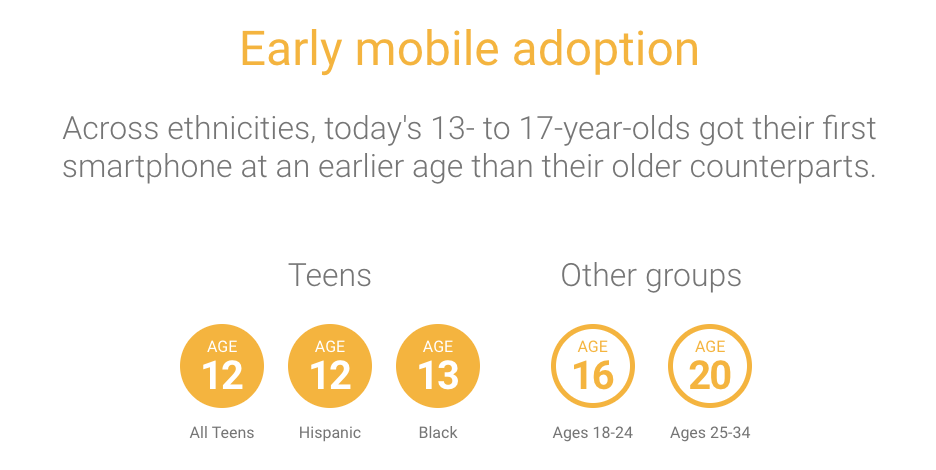 Generation Z is the first group to have unlimited access to a smartphone throughout their teenage years. Generation Z is heavily reliant on mobile devices than anyone else, including millennials. According to a study, members of Generation Z use smartphones most often to consume content. With this mobile-first attitude, brands should ensure that they are offering their prospective customers a seamless and incredible mobile website experience. If you want to drive this powerful consumer base to your website, optimize your website to offer an out-of-the-box mobile experience.

 In the US alone, 63% of adults post or talk about services and products online. While 81% read what other people have posted about those products. This renders earned content one of the most influential forms of content in this era!
User-generated content serves as social proof that is created by users and consumers about a brand. It enables a brand’s customers to become loyal advocates, which eventually goes to drive brand credibility and sales.
As consumers look up to their friends and other shoppers for recommendations, ecommerce brands, and marketers can leverage this influential content in more personalized and authentic ways. Since UGC is created by users and they are not paid to post their UGC content. It makes the promotion more authentic and convincing for other users. This is why UGC is now considered an essential marketing strategy for millions of brands. Today, many brands are tapping into user-generated content to advertise their products and services.
If you are thinking of fabricating a UGC campaign for the first time.
Here are some awesome
In the US alone, 63% of adults post or talk about services and products online. While 81% read what other people have posted about those products. This renders earned content one of the most influential forms of content in this era!
User-generated content serves as social proof that is created by users and consumers about a brand. It enables a brand’s customers to become loyal advocates, which eventually goes to drive brand credibility and sales.
As consumers look up to their friends and other shoppers for recommendations, ecommerce brands, and marketers can leverage this influential content in more personalized and authentic ways. Since UGC is created by users and they are not paid to post their UGC content. It makes the promotion more authentic and convincing for other users. This is why UGC is now considered an essential marketing strategy for millions of brands. Today, many brands are tapping into user-generated content to advertise their products and services.
If you are thinking of fabricating a UGC campaign for the first time.
Here are some awesome 
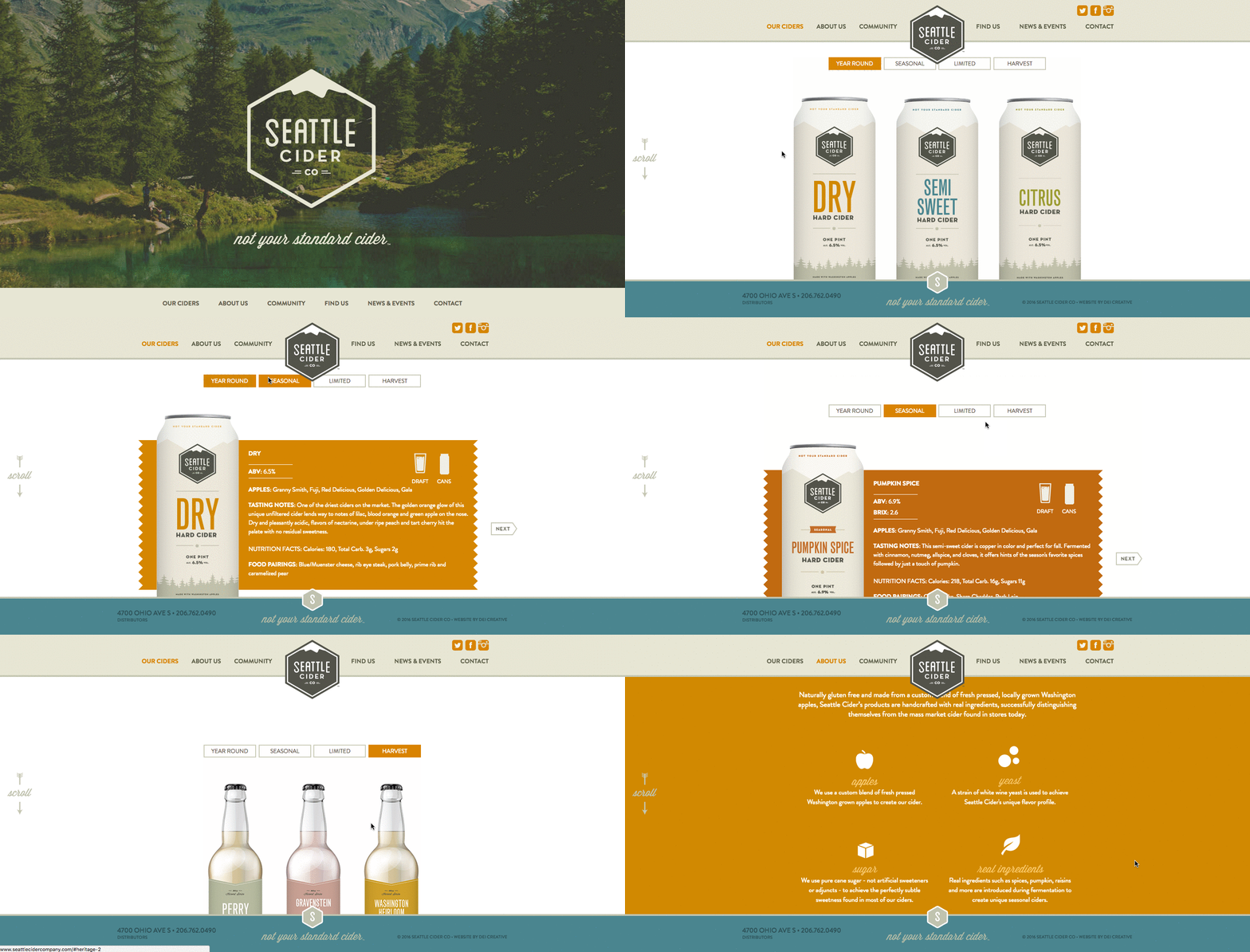 The company claims that their cider is not your standard, run-of-the-mill cider. They have a hooking story to vouch for them. They capitalized on eye-catching and high-definition images of their cider selection complemented with beautiful label designs that clearly explain what makes their Cider products different from others and what makes their products so special. The brand beautifully explains what goes on in its products, where each ingredient is lovingly procured from, and the love and diligence that go into concocting the final products.
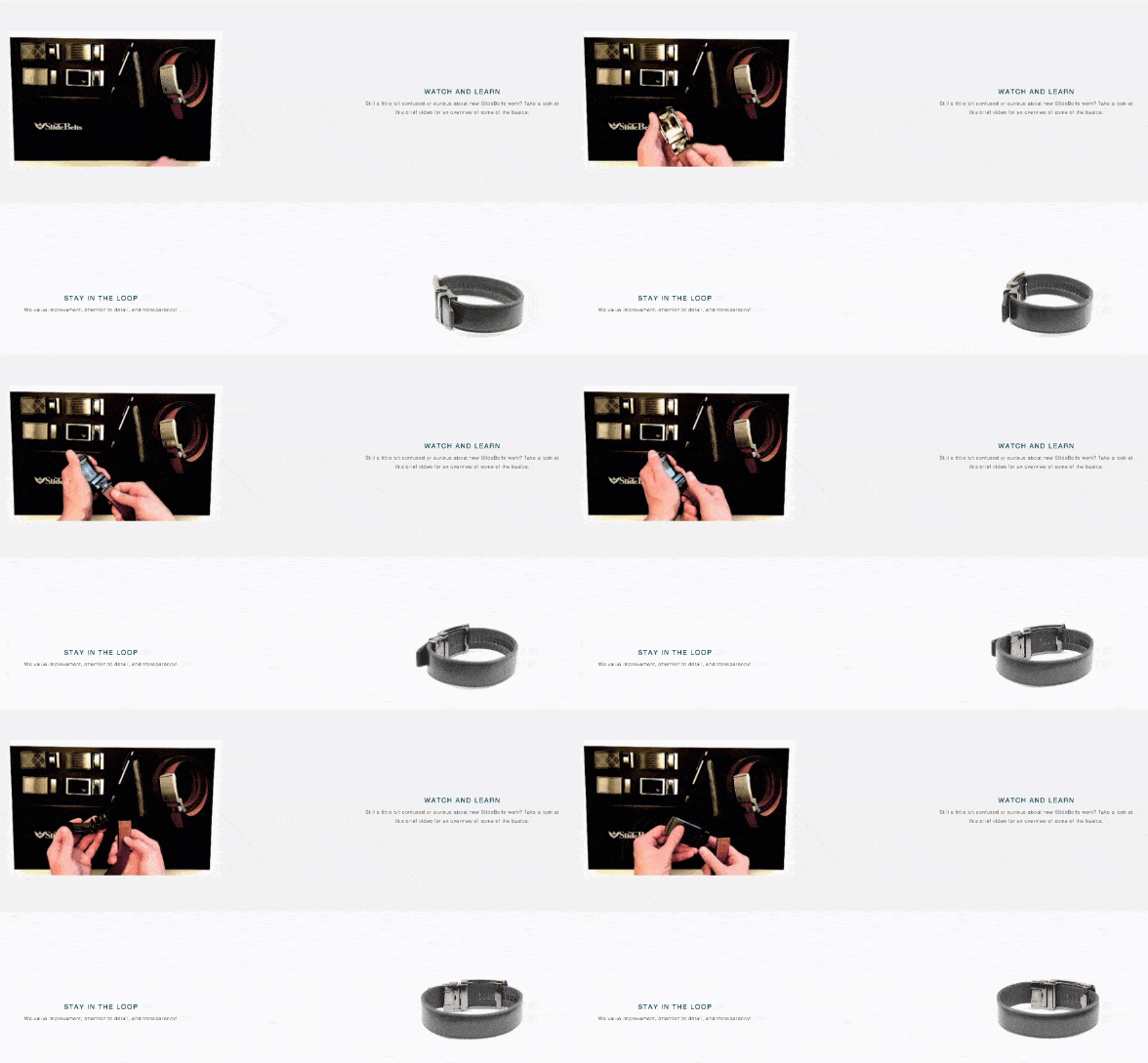
 Look at the example of SideBelts, where they are using the power of video to show their products in action.
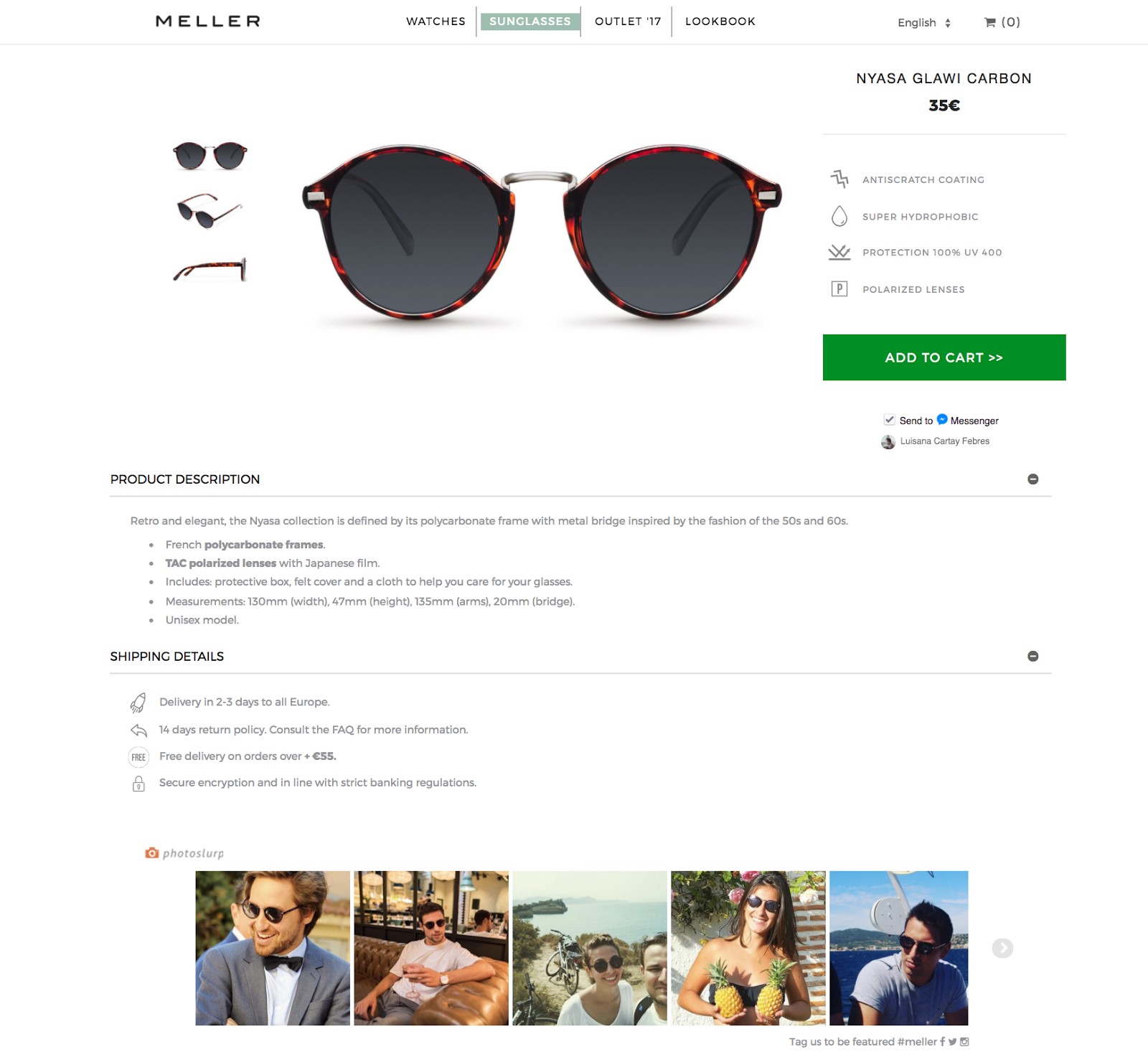
 Meller, a sunglasses brand, uses a trick to convince potential customers to hit the buy button by integrating customers’ pictures and videos on their product pages. When customers see authentic customer images and how other people are using these products. It fosters trust, boosts retention, and causes conversions to skyrocket.
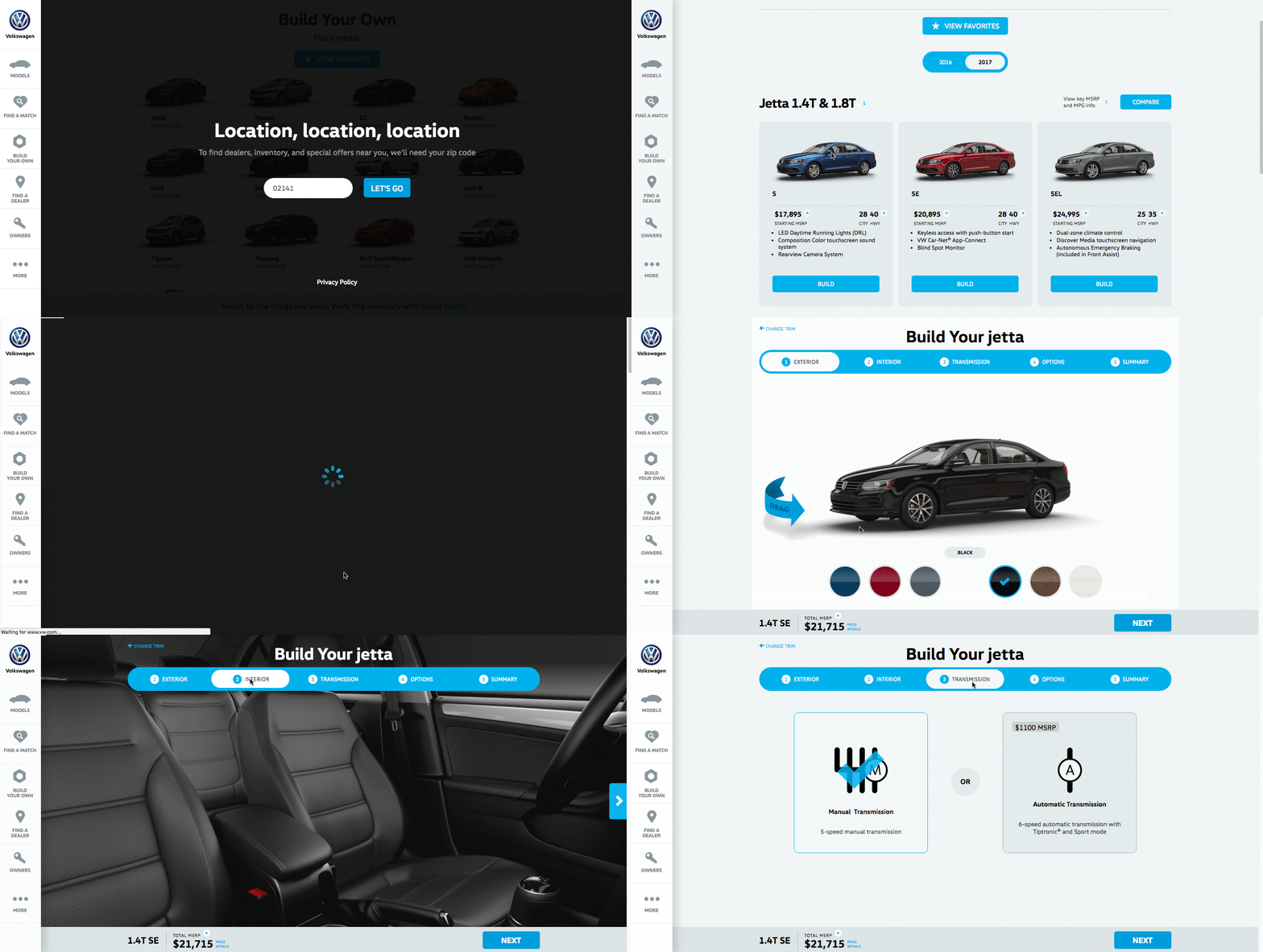 Instead of simply jotting out the merits of their products, they take an interactive approach to building your car. The brand highlights different customization features you can choose from, before giving you a detailed look at the car and how it can affect the price.
Let’s take another example of Fitbit Charge.
Instead of simply jotting out the merits of their products, they take an interactive approach to building your car. The brand highlights different customization features you can choose from, before giving you a detailed look at the car and how it can affect the price.
Let’s take another example of Fitbit Charge.
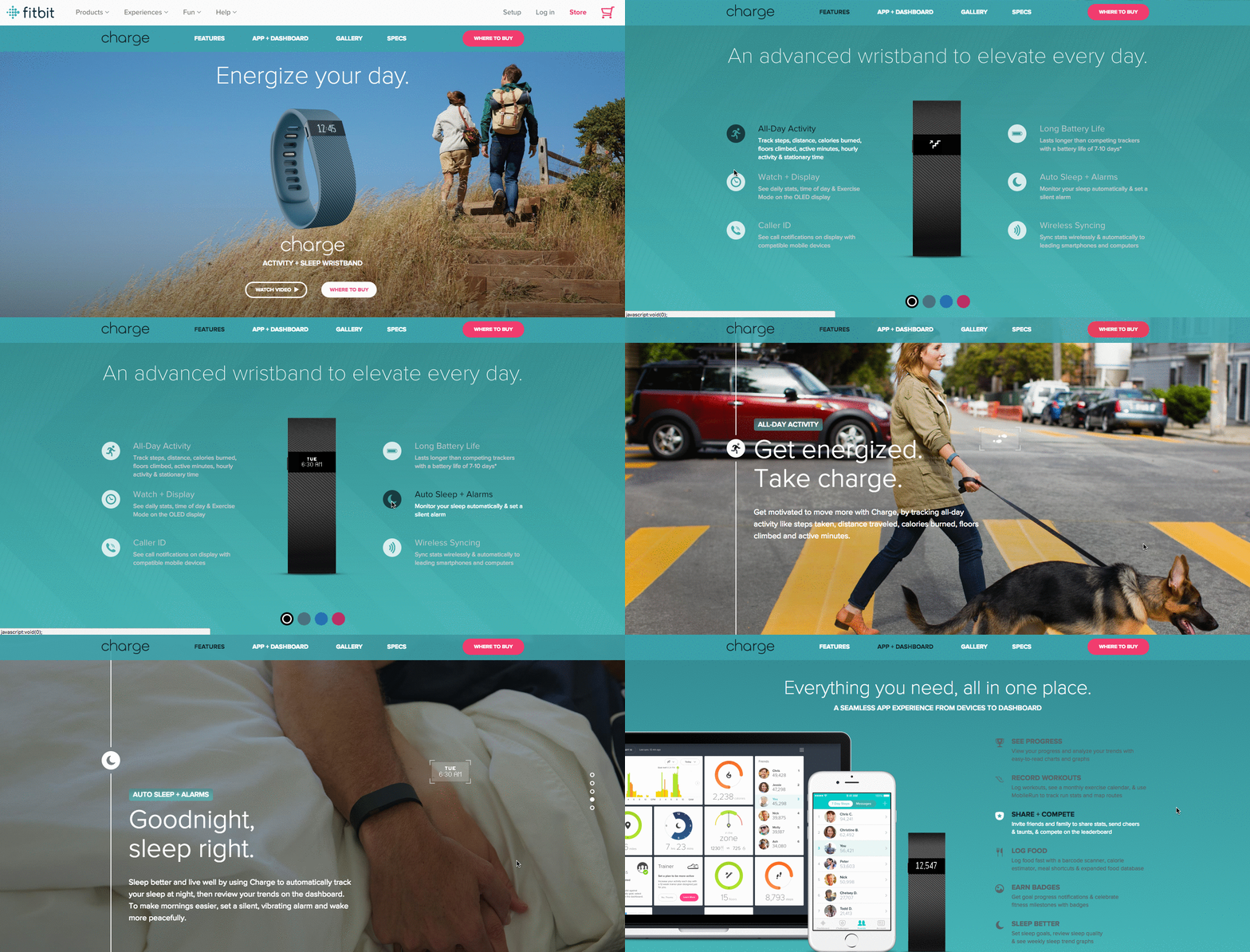 The product page beautifully explains how the product works, allowing users to hover over different features while explaining why these features matter the most and how they can make a difference in the users’ lives.

 Here are some essential tips and tricks that can help you better understand the process of building a lucrative e-commerce website from scratch.
Let’s dive in.
Here are some essential tips and tricks that can help you better understand the process of building a lucrative e-commerce website from scratch.
Let’s dive in.

 Eager to harness the power of chatbot technology, Domino’s redefined what customer service is all about when they launched their pizza ordering bot DOM, allowing users to order directly via their
  The friendly foody bot of Whole Foods allows users to search for recipes, products, and food inspiration without ever leaving Messenger. The Facebook Messenger bot was launched in 2016 by Conversable. The brand is planning to widen its horizons by introducing coupons, direct shopping options, and a saved recipe library for its users.
Shoppers can capitalize on the chatbot to ask for recipes and determine where all the products that they need are located in the store. If you give the bot some details about your special dietary needs, flavor preferences, and food allergies. The bot will help you find foods and recipes that leave out a particular ingredient as well.
You can even simply send an emoji of a food item to glean an instant dietary recommendation. Send out a banana emoji into the Facebook Messenger chat. And watch the bot offer some popular recipes that include bananas and point you in the right direction. Isn’t it amazing?
The friendly foody bot of Whole Foods allows users to search for recipes, products, and food inspiration without ever leaving Messenger. The Facebook Messenger bot was launched in 2016 by Conversable. The brand is planning to widen its horizons by introducing coupons, direct shopping options, and a saved recipe library for its users.
Shoppers can capitalize on the chatbot to ask for recipes and determine where all the products that they need are located in the store. If you give the bot some details about your special dietary needs, flavor preferences, and food allergies. The bot will help you find foods and recipes that leave out a particular ingredient as well.
You can even simply send an emoji of a food item to glean an instant dietary recommendation. Send out a banana emoji into the Facebook Messenger chat. And watch the bot offer some popular recipes that include bananas and point you in the right direction. Isn’t it amazing?
 One of the oldest airlines in the world considered the safest and most punctual European air carrier launched a KLM BlueBot (BB) on Facebook Messenger to help passengers book a ticket. The bot can also deliver booking confirmation, flight status updates, and reply to passenger queries. With the help of BB, the airline company is now able to handle a whopping number of requests from its customers and provide a personal, timely, and accurate answer to every customer request.

 1-800-Flowers is also making the most of chatbot technology while allowing its users to send flowers and gifts. It helps you choose florals according to the type of event, such as anniversary, birthday, family get-together, etc., and helps you select the right gift for the occasion. With their bot, you can easily purchase flowers and receive shipping updates right from the app.
 eBay launched a virtual shopping assistant ShopBot that helps consumers find items they want on their website. Users are required to provide some details about their preferences and price range and ShopBot will help them find the right product, style, and color. Users can simply upload the image of a product that they want and ShopBot will find it for them.
 Taco Bell is capitalizing on chatbot technology and making the process of ordering food online a lot easier for customers. With TacoBot, you can order some
  Spring Bot is a digital shopping assistant used by many retail brands such as Lanvin, Marc Jacobs, Givenchy, Uniqlo, Balenciaga, and more to connect with customers. It invites users to shop from more than 800 retailer brands and receive personalized recommendations in the app. Customers are required to answer some questions about their personal preferences and price range and the Spring Bot will provide them with relevant suggestions. Users can make direct purchases by simply clicking on the product images right on the platform.
