Blogs

Add the best talent on the market, an agile skilled management & seamless involvement.

Blog Main Image
Interview With Digital Marketing Guru
Digital Marketing Interviews

Interview With Digital Marketing Guru – Neal Schaffer

branex-logo Team Branex

You might have read a ton of tips from various social media experts and influencers. But today, the gentleman who has graced Branex Talks with his presence is undoubtedly the biggest name in influencer marketing. He's none other than Mr. Neal Schaffer. Neal needs no introduction as everyone in the digital marketing realm knows him as one of the brightest and oldest stars in the Social Media multiverse.

He has authored three books, including Maximize Your Social, The Age of Influence and Understanding, and Leveraging & Maximizing LinkedIn. He is fluent in multiple languages, including Chinese and Japanese. And he has spoken at more than 200 events all over the world as a keynote speaker.

He provides social media consultancy and training to both international and local businesses in formulating robust strategies that leverage social media to glean maximum returns.

In today’s conversation, he shares nuggets of wisdom that will help your business thrive in the ever-changing digital marketing landscape. Let’s formally begin the interview.

Branex: Hey, Neal. First of all, tell us how you started your journey, and how did you become such a big influencer?

Neal Schaffer: You know it's funny. My journey started back in 2008. I had gotten back from Japan, where I’d lived for fifteen years. I was in the job market for the first time in the United States, which sounds sort of weird being born and raised here.

And at that time, I was in a situation where I did not have a local network and I wanted to build one. And that's where I became a real heavy user of LinkedIn.

Heavy to the point that I was participating in LinkedIn groups & I created my own LinkedIn group. LinkedIn used to have a queue forum called LinkedIn Answers.

I was just very active, and when I ended up landing my job, I decided that I wanted to share all of this knowledge that I’d gained really as a networking vehicle.

I wanted to dig my well before I get thirsty as they say, and just continue my network building even though I'd found my job. So I launched a blog, and that blog I launched on LinkedIn because LinkedIn used to support third-party apps and one of them was wordpress.com.

So I think you know I wasn’t thinking about branding. I think the--what was it called—expert’s answers to your LinkedIn questions blog, something like that.

Content creation is really interesting because, at the time, there weren't a lot of people blogging like there are today. Content marketing was not a word. You didn’t have these big corporations that you were competing against, and I was talking about things that LinkedIn wasn't talking about themselves.

I think they've got a lot better at that over time, so I began with content creation. It started with a blog and that blog then became my first book Windmill Networking: Understanding, Leveraging and Maximizing LinkedIn and I haven't looked back since then.

So that's how you begin with content creation on a niche topic. I'm a little bit unique in that I started “niche” and then I went “broad”. I did not want to be a one-trick pony and just talk about LinkedIn all my life, and that's why I did that.

But that is how you start your journey in yielding digital influence through content creation, right? Also engaging and building a community, which I did, and a lot of that was actually done on LinkedIn, at the time.

Branex: What do you think are the biggest challenges being faced by B2C companies and how to overcome them?

Neal Schaffer: Well, obviously, you know anybody can create a product these days, find a factory in China-- do drop shipping. So I think that B2C companies are a global marketplace.

Even though you might have had the number one market share in the United States up until today, all it takes is someone with the number one market share in China or Korea or Japan or India or Singapore or Germany or Russia to come in and start to take over your market.

So I think at the end of the day, it really comes down to you know the biggest challenge is really understanding your customer and delivering a remarkable experience for that customer that builds brand loyalty. Furthermore, remain friends with that customer for as long as you can and let that customer teach you what other products and services you should be providing to help grow your business.

And I think that's a really huge challenge. I think it requires companies to become much more human in their marketing, and much more focused on customer experience marketing. And I do believe that part of all that can be leveraging influencers and letting them inside this word-of-mouth marketing about your company that's really going to help build up.

Branex: What do you suggest when it comes to content marketing strategy for B2B companies?

content-marketing-strategy-for-business

Neal Schaffer: Well, you need to be producing content because you need to both educate your current customers on how to best use your products as well as educate prospects throughout the buyer's journey. Through every step of the cycle that helps them decide on the best purchasing decision, and that obviously should be your product or service, so I think that you know I forgot who it is who said it.

The companies who’re really good about creating content about their product, suck about creating content, about solutions or about lifestyle and the lifestyle’s more for the B2C. The solutions and how they're going to make my job easier, how they're going to help my company.

That's really the B2B side of things and that's really the focus, an audience-centric focus, on helping--this is the type of content that I believe B2B companies need to create more of. And like I said, influencer marketing for B2B companies as well, they need to reach out to others in their industry, tap into other experts and other influencers, and make them part of your content marketing, and I think you'll see a lot more success with it for a variety of reasons.

Branex: Can you give us some tips on how to manage sales and marketing goals simultaneously?

Neal Schaffer: Well, the best way to do that is really to break down the walls. You know sales and marketing, I'm not saying that you should have a VP of sales and marketing. Marketing and sales have different objectives. But I do believe that part of those objectives are mutual.

Whether it comes to content marketing, influencer marketing, or social media marketing, sales can be a tremendous help to marketing in how marketing can deliver on their objectives without understanding what the objectives of sales are.

Because at the end of the day, when the company grows, your marketing has been successful. If your company is not growing because you do not understand what sales are trying to do, or you’re going in a different direction,n there are problems.

So sales & marketing should be aligned. One of the easiest ways to align that, I believe especially from a marketing perspective, is through the creation of an “employee as an influencer,” which a lot of people call employee advocacy.

However, the employee-as-an-influencer program is focused on the sales department. If your company has a social selling initiative, try to become an active participant in that, and help sales launch that if your sales team is so savvy on social media. You'd be surprised there are still a lot of sales teams that are in that boat.

Branex: Influencer marketing is getting more popular day by day. How can a digital marketing professional turn into an influencer?

Neal Schaffer: You know influence is all about content creation. Now I know that there are some influencer accounts, like on Instagram, that are just memes or quotes and they just use other people's content. I don't believe that's becoming an influencer. I think that's just creating a new media entity, right? Like a new magazine or a new newspaper.

If you want to turn into an influencer, you need to put your thoughts on paper, your face in front of the camera, or you know the video. You need to first understand what it is that you're trying to do. Why do you want to become more influential? Do you want to try to get a better job? Do you want to launch your own business? Awesome.

Those are all great goals you can have. But you really need to start with that goa,l and then what do you envision yourself doing ten years from now? And how can becoming an influencer help you do that?

So, hey ten years from now, I want to generate all my income just from being an influencer. Awesome.

What does that look like?

Are you a YouTuber?

Are you a LinkedIn influencer?

Are you a blogger?

And I think that when you think about it in those terms, you begin to realize what you need to do and obviously if you're not passionate about something, it's not going to continue for ten years, right?

So, it has to be something that you're passionate about. So this gives you some ways of thinking of how you can become an influencer. But I do believe it starts with understanding, you know what it is you're trying to do, why you are trying to do it, and envision yourself in the future.

And then trying to figure out, you know how you're going to get there. Inevitably it's gonna come to content creation. But what's going to be your niche, what's going to be your content medium, what social networks are you going to try to establish your communities on, and then it's a matter of implementing & really building from there.

Branex: What are the key factors to consider when we define the strategy of influencer marketing? Which tools would you like to suggest for influencer marketing campaigns?

Neal Schaffer: Well, influencer marketing is no different than content marketing or social media marketing. It's just another type of marketing. I believe it should be another line item in your budget. So, you have content, you have you know Google ads, have social media ads, you have influencer marketing.

So whatever you do with influencer marketing, the strategy should feed into whatever marketing strategy you have. It’s a holistic approach that I've always talked about. It maximizes your social what have you.

You need to figure out what are the specific areas of your marketing strategy, where influencers can push the ball forward more effectively than with other marketing channels.

Which tools do I suggest?

I have a blog post that I hope you can link to, on like 64 influencer marketing tools. There are a lot of different tools out there & it really depends on a lot of different things, if you're B2B/B2C, if you want to build your own program, if you want to hire an agency, or if you want to go through a marketplace.

So there's no single answer for that as you can imagine. But I do believe, by reading that blog post, you're going to get a really good idea as to what technology exists out there that can help you.

Branex: Workstation setting plays a role in enhancing productivity. Describe your workstation where all the magic happens.

Neal Schaffer: Ooh! Yeah, I think I'm going to have to avoid showing the picture. My workplace is not as efficient as it could be, but I will say just to give you a snapshot of a few things I have.

I do have this little IKEA. So I have a MacBook Pro, right? But I do have this little IKEA computer stand, which helps to raise it to a thirty-degree angle. I do that for two reasons. I find that it helps me be a little bit more productive when I type. It also raises my computer up a little when I shoot videos or webinars or live streams.

I also have a-- I don't know how many dots by dots this is, maybe a 24x24, square LED light that is right behind my computer. So that when I do the live streams or shoot videos or have Zoom calls, I turn on that light and it really helps light up my face. You know, lighting is one of these critical components.

I use fixed internet in my office, so I have two prongs leading into my office, or connected to my USB-C ports. One is my electricity & the other one is my wired LAN, and I use the Wi-Fi as well, so. It is on a regular desk, a desk that I bought--I think I got an Office Depot, and I sort of constructed it myself.

I have a lot of Post-it notes when I’m on phone calls. And I tend to make notes on Post-it because you know email is my normal workplace, and if it's not on my email, I need a way of organizing that. I also have a whiteboard where I write down important projects that I'm working on or that I'm waiting on. So hopefully, that gives you a little snapshot of how I work.

Branex:  Let's have a quick rapid fire. Answer the first thing that comes to your mind after reading.

  • Facebook or Twitter?

Neal Schaffer: Twitter

  • Organic or paid?

Neal Schaffer: Organic.

  • SEO or SMM?

Neal Schaffer: SMM

  • Tea or coffee?

Neal Schaffer: Coffee.

  • Book or Blog?

Neal Schaffer: Book.

Branex: You have an impressive 220.9K+ following on Twitter. How did you achieve this feat? What tips can you give small-business owners who want to grow their followers on Twitter?

Neal Schaffer: Dude, I've been on Twitter since 2008. So, it's been like you know it'll be 12 years this fall. It takes a while, right, but you need to be active. And what I mean by active is both tweeting and responding when people reach out to you, but also proactively engaging with others. And part of proactively engaging with others is obviously following others.

So, if you want to grow your followers on Twitter, you need to be posting every day. Hopefully, a few times a day. You should be talking to a few people there on Twitter, whether they are your followers, whether you do keyword searches, follow other people, and comment on what they posted. If you continue to do that over some time, your following is going to grow.

I would say the exact same thing for Instagram, actually. But you know that that's the advice for Twitter. I don't know if you're going to get to 220,000, not every marketing expert is at that level.

That means some are much higher and some are lower. So, it depends on a lot of factors and how strategic you want to be on Twitter, but hopefully, that'll give you some ideas.

Branex: Facebook algorithmic changes are actually limiting organic reach. What do you suggest for increasing organic reach on Facebook?

Neal Schaffer: You need to be doing AB testing. You should be posting content on a variety of networks, and if there's a network where you get more organic reach, more website traffic, and more engagement, you have to invest more in that network.

I have clients who bang their heads on the table about Facebook's organic reach. And I'm like, look, LinkedIn gives you ten times reach right now on the LinkedIn company page. Why are you focusing on Facebook? I will say, if you want to beat the algorithm changes, obviously, photos and videos are the way to do it.

The days of just posting links-- and I still fall into this trap, I will admit it. But, the more photos and videos you can post, the more website traffic it's going to be, and the less website traffic. Still, it means you're going to be touching more people on Facebook because you're going to get more engagement and, therefore, more visibility in the feed. It's a little bit different. But if we go from the marketing approach to the PR approach of using Facebook, if we don't want to pay for paid ads, that really works for most of the clients that I work with.

Branex: LinkedIn’s number one network of professionals. What tips would you like to give to increase engagement on LinkedIn?

Neal Schaffer: Same thing. Post on your feed. Engage on your feed. Try to follow a few new people, try to engage with new people as well as with your connections in your network feed.

And if you do this right, five people a day, ten people a day, 20 people a day, post once a day, post twice a day. If you're able to maintain that for a good period of time, I think you're going to do really well.

LinkedIn groups are back. You know there's so much activity in the feed. I know that LinkedIn groups used to be powerful. They're not as powerful. You could try to experiment, but I think just being active in your feed is going to help you get a lot more engagement on LinkedIn as well as posting photos and videos. LinkedIn really is not much different than Facebook these days when we look at a lot of the content that’s being posted and a lot of the content that is going viral there.

Branex: Which personalities in the industry have been your inspiration? Would you like to name a few?

Neal Schaffer: Early on, Jeremiah Owyang was definitely one of the inspirations. He was an analyst at Forrester. He's since gone on to do different things, but he's still one of the true, you know, I believe thought leaders in the space.

Obviously, Seth Godin, who I had the chance to see speak, is an amazing inspiration. Brian Solis has been an amazing inspiration to me throughout my career. Jay Baer as well. Dave Kerpen. Chris Brogan. Mark Schaefer, who is not my cousin, although we call ourselves virtual cousins. There have been a lot of people. So hopefully, those give you some ideas.

Branex: How do you see the future of digital marketing? What trends do you expect for 2020?

Neal Schaffer: Well, you know that we are not in a revolution anymore. It's an evolution, right, and I believe that the need for content, the need for SEO, the need for marketing automation, the need for paid advertising, and the need for influencers are the areas where I think companies should be focusing on in 2020.

I think we're going to see a lot more brands get a lot more photogenic as they should. So you know we're thinking mobile-first. I think at some point, brands really need to be thinking video-first. And those brands that do think video-first are going to be way ahead of the pack going forward.

So we know that the future of video is coming, this is the year. I'm not going to comment on that. But I will say you know in terms of engagement in terms of how we see people engaging with social media.

How can you keep people retained for a long time?

How can you entertain people?

How can you build engagement?

Video is the key, right? So I hope that companies really take a more aggressive approach to video in 2020.

Branex is a top digital agency. What is the one piece of advice that you would like to give Branex?

Neal Schaffer: I believe web and app, user interface trends change really rapidly, right? And I think a lot of companies are still stuck in the past. I think you should be or every company should really be rebranding their UI or really making sure that the user interface is kept up to date with you know the social media that we see, right?

You know we see sites like Instagram updating the user interface. We have new sites like TikTok that more and more people go to and are very used to that user interface—that look and feel. If your website is still stuck in the past, you know people are going to go from social media to your website; they're going to be going wild.

Was this website made 20 years ago? So, I do believe that that is really key and that is something that if I was Branex, I would be bringing it up more because you are a web app development digital agency.

I would also be trying to understand your customer's needs more. They don't have a need for a website, they have a need for generating more business from their e-commerce store, or maybe they have a need for generating more leads from their content.

Try to find out those critical business needs that your clients have. And then position yourself as the custom web development company that can provide them the solutions, whether it be web development, whether it be app development, or whether it be their partner in a digital agency.

So there are a lot of different ways you can support your clients. Instead of thinking of yourself as a web development/app development agency, you are there to provide digital solutions to help your companies make more money using digital media. And you have all these different solutions for them.

And it's being able to have conversations not with marketing people but with the VPs of marketing. Not with the VPs of marketing, but with CEOs, trying to find the different ways in which you can help them and to be on top of the trends.

To be saying, “Hey! We need to have a quarterly meeting because the trends change so fast. We want to provide you with the latest updates on where we think we can best help you. And obviously, we have the products and services to help you.

So you want to become part of that trusted network of advisers for every one of your clients. So that when they reach out to you or when they see “Wow! TikTok is really big.” Do we need to be on TikTok?” You're like the first company they reach out to ask that question, right trusted network of advisors.

And I think that everybody should listen to this. Obviously, digital is just one piece of the pie. It's really about business, it’s about sales, it's about profits, it’s about speaking the language of Excel.

How does that fit into the big picture? And if you're able to articulate that to customers or to your bosses or to your clients, those are the people who I think do really well in digital and business in general, so I hope this advice helps.

Digital Marketing with Peter Shankman
Digital Marketing Interviews

Digital Marketing and Beyond – Interview with Peter Shankman

branex-logo Team Branex

Today on Branex Talks, we have with us yet another exciting personality who has done so much in and for the community. Today’s guest is the founder of HARO, hosts a podcast called Faster Than Normal, advisor at NASA, and has authored five books. A TEDx speaker who has keynote digital events for corporations ranging from startups to Fortune 100s in over 25 countries around the world. Let’s welcome Mr. Peter Shankman.

Branex: Thanks for taking out time for Branex. Can you share some valuable tips for community building in the digital age?

Peter: Understand your audience. It's key. Your audience will do almost anything you ask them if you respect them. That comes from listening to what they want, giving them what they want the way they want it, being brief, and talking to them more when you don't have something to sell than when you do. It's not hard! Just make sure you're doing it right!

Branex: You’re an accomplished person, what advice do you have for people who are feeling stuck or unsure how to move forward in their career?

Peter: The best piece of advice I ever got: If you don't like where you are, move. You're not a tree. Life is too short to sit and be stuck. Want to move? Move. The goal is to move. Forward motion is thrilling. When you don't have that, it's time to go.

Branex: We’ve read in a blog post that you don’t trust your gut, and that has led you to some mistakes. Can you share an example and what you learned from it?

Peter: I ALWAYS trust my gut. It's when I don't that I've screwed up. We're given instincts for a reason. When we ignore them, bad stuff happens. I once took a chance on a hire, even though my gut shouted to me that it was a bad idea. Lasted two months before I had to let him go. Cost me way too much. Make sure you take off your rose-colored glasses before you look for red flags.

Branex: What is the role of content marketing in generating leads?

Peter: I give away 99% of my content for free because it's the right thing to do, and it shows people I'm not just out to sell to them. Goes back to respecting your audience. Create value and your audience will come back every single time.

Branex: What were the underlying challenges that you faced while creating HARO?

Peter: I'm a terrible manager. I have a hard time hiring and managing people. So I found other people who were good at what I sucked at. Additionally, when you have a startup, you're always working on it, no matter what else you're doing. It can affect your personal life. Find someone who understands you, as well as someone who can be there for you when you have a bad day.

Branex: In your book, "Nice Companies Finish First", you talked about transparency. How can brands leverage transparency to improve their customer experience?

Peter: You're going to screw up. It's what we do. When you do, OWN IT. Own your mistakes, fix the problem, and prove it'll never happen again. Get that done, and you'll keep the customers you pissed off, and chances are, they'll bring you new ones, too.

Branex: Which one is more important, digital PR or influencer marketing?

Peter: Depends on the audience. I can't tell you about your audience. Only you can.

Branex: What advice would you like to give to our readers for generating more leads?

Peter: Be amazing to the customers you have. They'll bring you the customers you want.

Storytelling with Miri Rodriguez
Interviews

Flight to the Customer’s Heart with the Storytelling Genius – Miri Rodriguez

branex-logo Team Branex

Hello and welcome to another special episode of Branex Talks. In today’s episode, we are going to interview a really special guest and a person who has been in the industry for more than 15 years. She has served in companies like Motorola, Citrix, and Brightstar Corp. and is currently the Head of the Global Internship Program at Microsoft. She is an amazing storyteller and has won the Peak Performer Award (2017, Microsoft), the Social Media Guru Award (2016, Social Tools Summit), and the Think Tank Marketing Award (2016, Microsoft). With immense pleasure and gratitude, we would like to welcome Miri Rodriguez to our blog.

Branex: Miri, thank you for taking out time for Branex. One of the most prominent things on your LinkedIn profile is that you have more than a hundred endorsements for marketing. How do you approach marketing and strategies?

MIRI: Hi there! Thank you so much for featuring me here. I’m honored and humbled! I have more than a hundred endorsements on LinkedIn. Hahaha, are you serious? That’s awfully kind of people! Now I need to go check who endorsed me and thank them!

I see marketing as a delicate tool to intrigue and entice audiences. It really is a delicate practice, it’s also constantly evolving, so strategies ought to be kept fresh and relevant since audiences, channels, markets, industries, and tools are ever-changing.

Branex: Storytelling is an art, and brands who focus on their storytelling tend to get more out of the audience, how do you describe good storytelling and how can brands and companies improve their storytelling?

MIRI: I often say that storytelling isn’t the mere telling of stories, but the careful design of a story's mission, characters, arc, structure, elements, and techniques. Good storytelling is about storyboards turning storywords into story worlds! Meaning, that every step of the design process is taken into consideration even before the story is created to ensure it lands well with the intended audiences.

Brands looking to improve their storytelling should move away from abused story structures such as “Hero’s Journey” and begin designing stories that consider their specific audiences. Not all stories need to have a hero or a happy ending, but all stories should evoke emotion from the audience so that they become memorable. Companies should begin their storytelling journey by asking themselves “Who is my audience and what emotion do I want to awaken from them with my story?”

Branex: Miri, you are an amazing storyteller. We want to know how one becomes a good storyteller. What are the small nuances you would recommend to take into consideration? What are the must-have standards? What extremely positive examples must be taken as inspiration?

MIRI: Ah! I don’t know about amazing but school, yes. Mastering storytelling is like every other skill set. Practice makes perfect. There is no right or wrong way to tell a story, but great storytellers will spend a significant amount of time chiseling away at the raw materials of the story (characters, plot, and conclusion) and allowing the stories to take the form of their own, characters to evolve themselves and alternate conclusions or story worlds to appear.

The art of storytelling consists of elegantly enabling the story to unfold once the story spine has been meticulously designed. That takes creativity, empathy, and imagination. The science of storytelling is ensuring the right elements are in the right places, and for that, you must try out different techniques until one works. I’m personally a fan of designing story prototypes (or concepts) and testing them with audiences instead of spending a lot of time and effort on big production stories. My tried and proven method has been using Design Thinking principles to craft stories as each step of this approach has forced me to become nimble, and more creative, but also calculating at the craft.

Branex: You are the Head of the Global Internship Program at Microsoft, with great speaking skills and many great honors under your belt. When you first started out, did you ever think you would reach there, and what drove you towards this great success? How did you overcome your obstacles?

MIRI: Oh gosh no. Never. If you were to have told my 20-year-old self that I’d be here decades later, she would have laughed at you! I think one of the biggest drivers in life is the notion that we need to leave a legacy for ourselves.

I constantly ask myself: what is my legacy?

What will people say when I’m gone?

How will I be remembered?

There was a time in my life when a title or a specific salary amount was a synonym for success to me. I later realized that success is actually multidimensional. So for me today, overall success means becoming the best version of me in the many areas and roles that I serve (wife, mother, sister, friend, worker, mentor). When you strive to leave a legacy of excellence within your own intersectionality, you have a great chance at being successful in life. Will there be obstacles? Haters? Setbacks? Detours? You better believe it.

How did I overcome them?

I didn’t. I watched them. I explored them. I accepted them. I learned from them and I kept going.

Persistence is the key to success. Many people start a new mission, goal, or New Year’s Resolution, but seldom do they get to see the finish line. Keep going. Finish what you started. Obstacles can be your biggest enablers on your road to success. It all depends on how you see them.

Branex: Being a marketing expert, what would you suggest to brands and startups who are facing difficulty with their digital and social media strategy?

MIRI: I see a lot of brands struggling with where they should have a social media presence (should the brand be on every channel?) and if they need to follow the newest trend in digital strategies (such as influencer marketing). My suggestion is to always think first about the customer/audience and their needs and not to get caught up on the sometimes fleeting digital landscape tendencies.

If your customer is not on Snapchat, why would you be there? You know your customer best. You know where they are, what they need, what they like or don’t. Go where your customers are and give them what they want, while also keeping them aware of the ever-changing demands of the industry. It’s about making calculated decisions while at the same time trusting your intuition.

Branex: B2C and B2B, both are two different categories. Do you think a B2C marketing strategy is conceivable for B2B or vice-versa?

MIRI: We’ve heard the statement: it’s no longer B2B or B2C, it’s H2H (human to human), and I couldn’t agree more. While fundamentally, some content techniques and deliverables do differ from B2B and B2C, ultimately in both categories, there are humans at the end of each content transaction. Once again it’s all about considering your audience first. In Design Thinking, the very first step is to empathize with your audience. You have to spend time getting to know them better and understanding them as much as possible. That way any strategy (marketing, communications, storytelling) is guaranteed to land the best way.

Branex: Having so many years of experience comes with lots of challenges, who do you think inspired you to pursue this field?

MIRI: I actually wanted to be a pilot. Hahahaha. For some personal circumstances, I wasn’t able to pursue aeronautics, so I took whatever was available next in college (Marketing and Communications) at a time when social media or jobs like storytellers weren’t even a thought. I think marketing pursued and found me because ultimately, I became fascinated by the psychology and neurology of human response to content.

There’s just something magically radical about the ability elements, photography, typography, and story have to capture an audience and transport them to a new world, never for them to return the same way we found them. In a way, I guess marketing is a type of aeronautics. There is that science of making your audience “travel through the air” with purposefully designed content. 

Branex: Lastly, Branex is a web and app development plus top digital marketing agency that helps startups and small businesses grow. How important is it for businesses, new or established, to collaborate with professional digital media agencies?

MIRI: The ever-changing landscape of branding continues to be influenced by many outside factors such as new generations, evolved digital channels, and advanced technologies, and this will never stop. Marketing strategies that may work today will likely be obsolete a few months from now. Brands looking to stay relevant and competitive through the ambiguous terrain seek smart ways to gain valuable industry insights and thought leadership, and even leverage these nuances for successful positioning in the market.

Digital media agencies can be a great ally in this endeavor, empowering brands with tools, services, and knowledge that help them stay ahead of the game and prepare for the future. In this type of “aeronautics”, digital media agencies can be a company’s best propellers! Collaborating with agencies can bring a competitive edge to brands that, for many reasons, cannot dedicate all of their time and efforts to creating compelling and empathetic content for their audience.

Customer Experience with Dan Gingiss
Interviews

Creating Bewitching Customer Experiences – The Dan Gingiss Way

branex-logo Team Branex

Today on Branex Talks, we have an extraordinary guest with us. He has served as an executive at multiple Fortune 300 companies, which includes major roles like Head of Global Social Media at McDonald's Corporation, the Head of Digital Marketing at Humana, and the Head of Digital Customer Experience & Social Media at Discover Card.

He is also the author of Winning at Social Customer Care: How Top Brands Create Engaging Experiences on Social Media. He co-hosts the Experience This! podcast and has previously hosted the Focus on Customer Service podcast. Furthermore, he is a regular contributor on Forbes and has been quoted in several books and articles, appeared as a guest on many podcasts, and won numerous industry awards and accolades. Without further ado, we would like to welcome Dan Gingiss to Branex Talks.

Branex: Dan, thanks for taking out your time for Branex. You have a great experience of enriching customer experience on social media, what would you say to startups who are entering the market, now?

Dan: Thanks for inviting me to contribute to the Branex blog! I would suggest to startups that they should be where their customers (or prospective customers) are in society. Don’t feel like you have to be everywhere because you likely won’t have the resources to keep up. Always be listening, always respond to comments, and be willing to accept constructive criticism that will make your product or service offering better.

Branex: Strategizing content and marketing it to the interested people is one difficult task, how much do you think marketing strategy should be customer-centric for attaining desired results?

Dan: 100%. The whole idea behind content marketing should be to deliver something that people want to consume. Creating content that is customer-centric vs. company-centric communicates to people that your company listens to and understands its customers, which is an attractive trait when determining with whom customers want to spend their hard-earned dollars. 

Branex: Lately, chatbots are being heavily relied on. Do you think that automation through chatbots will affect CX for the better?

Dan: I’m not a big fan of chatbots -- yet. I think they can handle simple, repetitive questions that frankly could also be Googled. But the very idea of chatbots conflicts with consumer behavior today, which desires a human connection with a brand. Chatbots must be able to sense immediately when a question is better answered by a human, otherwise, we risk repeating the mistakes of the IVR (Interactive Voice Response) menu on the telephone. That said, artificial intelligence generally can affect CX positively, particularly by helping human agents access answers more quickly or even by anticipating customer issues before they happen.

Branex: Social Media has evolved so much over the last decade or so, what do you think brands need to do to enhance their CX?

Dan: Social media is not another broadcast marketing channel like many brands thought it was when it first came onto the scene. Both consumer demand and platform algorithms have dictated that brands can’t completely control the conversation. What works, and what gets rewarded with reach and engagement, is a strategy that is focused on talking with people and not at them.

It is critical to always be listening, always respond, and look at it as an opportunity to get closer to your customers vs. just trying to sell them something. Additionally, it’s important to remember that any part of the customer experience can come online at any time, even if the experience begins offline. Thus, social has changed how we approach the entire experience, not just the social parts.

Branex: Businesses are often looking for things like buyer persona templates, what are some of the things that need to be catered by a business while building one for themselves?

Dan: Personas can definitely be useful in identifying and documenting different types of customers, but I also warn companies not to be overly dependent on personas. This is because no two customers are exactly alike, and even if they share similar characteristics that make up a persona definition, they may not share the same motivations or they may be in a different place in their lives when making a buying decision. Use personas to help determine where and when you should be marketing, and how your product or service can address the needs of a certain group.

Branex: Who has influenced you the most on & off the social media chart, and what are the reasons behind such influence?

Dan: My last boss at Discover influenced my career quite a bit because he believed in me to lead a digital experience team when I had neither a digital nor a customer experience background. But he saw in me that I always thought from a customer’s point of view and once he identified that, I’ve always made sure to lead with that skill. Plus, that role convinced me to sign up for Twitter since I was going to lead a social media team! 

Shep Hyken has also been a big influence on my career, as both a customer service/customer experience expert and a Hall of Fame speaker (not to mention we share a barber!). She is as genuine and thoughtful as they come and manages to distill complex concepts into easily digested, actionable takeaways. 

Branex: Lastly, Branex is a full-service digital agency that helps brands grow. What do you think about Branex? And how important it is for Businesses to collaborate with a professional Digital Agency to make their customer experience even better?

Dan: Digital has become a major part -- and sometimes the entirety -- of the customer experience, as first websites and then custom mobile apps became the main channels for customer self-service and engagement. Thus it is important that companies have the technical know-how to create effortless experiences, and agencies like Branex provide that plus a broader view of what’s working and what’s not across industries.

Many times companies can suffer from “tunnel vision” -- only looking at their own industry for best practices -- which can drastically reduce creativity and innovation. A great digital agency will have a wide portfolio of success stories from multiple industries, and the know-how to apply them to your industry.

Digital Marketing Transformation with Kristin Gallucci
Interviews

Two Decades of Digital Marketing Transformation Through the Eyes of Kristin Gallucci

branex-logo Team Branex

Branex Talks is back with yet another special guest. The guest, we’re delighted to have today, has been in the industry for nearly two decades and has practically experienced the paradigm shift of digital marketing. She has been dubbed as one of the top voices for Marketing & Social Media on Linkedin for consecutive years: 2018 and 2019.

As an avid customer-centric marketer, she founded Modern Marketer, which has helped scores of brands and Fortune 50-500 companies with branding and social strategies. She is often cited in famous publications like Adweek and Inc. Magazine.

Being a passionate speaker, she regularly speaks about how the world of digital marketing is evolving and what marketers should do to glean more eyeballs. Recently she graced TED Talks with her presence and spoke passionately about Rethinking Relationships.

Currently, she’s serving as the head of digital marketing strategy at Signarama and is on the Board of the American Marketing Association. With immense pleasure and gratitude, we would like to welcome Kristin Gallucci on our blog.

Branex: Kristin, thanks for taking out time for Branex. One of the most prominent things about your marketing approach is that it revolves around customers. How necessary is it for modern-day marketers to provide solutions for their customers rather than focusing on highlighting their products and services?

Kristin: Focusing on customers isn’t just a consideration, it has to become a core value. People don’t want to be sold to, they want their problems solved, fast and friction-free. They want to build relationships but on their terms. It’s our job as marketers to help them make choices and solve their problems while building a long-term relationship. It’s not easy and it starts with listening to them and nurturing the relationship to create brand loyalists.

Customer-centricity is a culture shift and must be embraced by the entire organization to be successful. It must become a core value of the organization and be infused in every department, not just marketing - customer service, sales, etc. Organizations have countless customer touchpoints and endless opportunities to build relationships and trust. An organization that forgets about customers is destined to fail.

Branex: Marketing has evolved so much in the past two decades, do you think there is still space for traditional marketing tactics?

Kristin: We are in the era of specialization. There is no one-size-fits-all approach to marketing any product or service. A digital presence is necessary, but traditional tactics are not. Consumers now rely on digital marketing and other tools to make their product discoveries and purchase decisions. However, every marketing strategy and plan must be customized. I know a lot of companies that are thriving with traditional methods as well as with digital. Many brands and companies are using tradigital, a blend of the two. The idea is to use the traditional in new ways with a focus on creativity and customer experience. I recently posted this example on LinkedIn of a British Airways campaign uniquely using OOH.

They used surveillance technology to sync the creative with actual flights in real-time. It’s a unique approach to OOH, something we haven’t seen much of here in the US, but I believe these unique experiences will become more common as companies seek to find new ways to capture attention.

Branex: Advertising is still a heavily spent area for brands and provides a chance for advertising agencies to come up with new innovative ways to attract customers through ATL and BTL activities. How much do advertising agencies focus on digital media, and is it more effective than going towards the old-school forms of advertising?

Kristin: It can be more effective generally, but it also depends on the audience. If you are targeting Gen Z, traditional methods won’t be effective. They are a device generation, they use voice and want everything faster. Impactful visuals and effective messaging will always win, the platform and tools we use are ever-evolving.  Digital and interactive media are necessary.

When it comes to developing strategies, both ATL and BTL can be successful, they are just different. If there is a budget, then TTL (through the line), a mix of both ATL and BTL, should be considered. If we take a short-term planning approach and test campaigns, then we can shift as needed, as the market dictates.

Branex: You are one of the prominent voices, actually, Top Voices on LinkedIn for 2018/2019, and a TED Talks speaker. What would you like to tell digital marketers, and entrepreneurs who are beginning their journeys in the realm of digital marketing?

Kristin: I recently wrote a post on this

The industry is influenced significantly by major technological and social changes. What we are learning today is not going to be applicable in 5-10 years. We must always be learning. Read the industry publications, attend events (even outside marketing like SXSW and CES), and listen to the voices that are on top of the changing industry.

Don’t get lost in the weeds, in the tactics. With so many platforms and tools at our disposal, marketers can get caught up in being on every platform. Test and find what works, less is more.

Everything shouldn’t be automated. We need to maintain a close connection with our audience and get to know and understand them so we can better communicate with them.

Branex: As we all know, content marketing is becoming tougher day by day with people from all walks of life jumping onto the digital marketing bandwagon. How do you think modern marketers can make their content stand out?

Kristin: What we know at this point is that content marketing is no longer a one-off campaign; it’s a long-term ongoing effort. The best of all marketing should be applied to content, it should be visual and engaging, even experiential. It should capture your attention and keep your audience coming back. It should move customers through the journey, without them feeling as though they’re moving through “a customer journey.”

Content marketing can no longer be considered as a marketing lure, it should be the destination, which means it needs to provide value. Creating valuable content is a way to build a long-term meaningful relationship with your customers. It should always be created with them in mind.

Branex: Being a marketing maven, what would you suggest to brands and startups who are facing difficulty with their digital and social media strategy?

Kristin: Marketing has become diverse and complex, and at times, difficult to manage. Where companies often struggle is overcomplicating. The task for marketing executives is to simplify - prioritize, streamline, and focus on reaching the goals we’ve been given and the results we’re accountable for. Truly simplifying takes a disciplined, holistic approach.

Marketing is a test, tweak, test, and rollout. So many companies build a yearly plan and launch, then have to adjust when it’s too late. Build in a testing phase, so there are no failures, only failed tests. Get back to basics, understand your customer and build a relationship, meet them where they are.

Branex: What are the best options for a marketer who is just starting? What courses do they have to take to nail marketing?

Kristin: This answer will likely change in a few years, but right now I suggest getting Google Analytics and Adwords certified as a basic resource. Then it will depend on what interests you have, is there a vertical (SEO, PPC) you want to focus on, or an industry? Become the expert or voice in that industry, generalists are a dying breed. There are a lot of free courses and content available, like Hubspot, and Copyblogger. Many of the trusted industry associations are creating course curricula as well.

Branex: Lastly, Branex is a web and app development plus digital marketing agency that helps startups and small businesses grow. How important is it for businesses, new or established, to collaborate with professional digital media agencies?

Kristin: I started in an agency, so it’s close to my heart. I know the value an agency can bring. Brand managers can often get too close to the brand, so an outside perspective is helpful and it can boost creativity. Working with agencies is a great way to fill gaps, it’s difficult to hire internally for every skill set needed in today’s modern marketing. However, agencies need to prove they are more valuable than hiring internally. How? By marrying data with creativity, providing specializations, working faster and smarter, being proactive by anticipating the needs of the brand manager, and building trust.

No one has a crystal ball, so we can’t predict the future of agencies. However, there has to be a real willingness for the agency of the future to be more adaptive and reflective of clients' needs.

Let's Transform Your Idea into Reality

Do you have a million-dollar idea but don't know what to do with it? We can take that lifeless idea and transform it into a website, or a mobile app, or hire our digital marketing company to manage online ads for you. Let's begin!

Interview with LinkedIn Maven
Interviews

Interview with LinkedIn Maven – Viveka Von Rosen

branex-logo Team Branex

Today we have a very special guest with us. We are joined by one of the most influential women of Social Media. She has been named a key social media influencer by Forbes for four years running. She is an internationally renowned LinkedIn expert and author of the bestselling book, ‘LinkedIn Marketing: An Hour a Day’.

Have you guessed who our guest is? If not, then you’d be amazed to know that she has taught a whopping 100,000 (and counting) people how to create business relationships and how to generate business leads using social media. Without further ado, we would like to welcome Viveka von Rosen to our blog.

Branex: Viveka von Rosen, thanks for taking out your time for Branex. You are a LinkedIn expert, a challenge in itself, how do you think LinkedIn training can help corporate professionals online?

Viveka: I think a lot of professionals feel like all they need to do is throw their resume on LinkedIn and then expect it to work.  But just like any tool, you need to learn how to use it and then you actually have to use it.  So to Viveka your Branex, at Vengreso we teach corporate professionals, SMB and enterprise sales teams, Influencers, and executives how to create a powerful brand on LinkedIn, how to search and engage with prospects, how to drive visibility and conversations with the right type of content, messaging, and social selling strategy.  

Our analogy is “Not only are we going to teach you to fish, but we will also make sure you are at the right fishing hole, have the right bait for the fish you want to catch, and have the right pole to make it happen!”  

What we have found is that, like any useful skill, you can’t learn effective LinkedIn skills in an hour or even a full day of training.  Our programs offer training, coaching, and community help for at least 30 days (and up to a year) so that your team not only learns but gets into the habit of social selling.

Branex: LinkedIn is important for businesses, and yet many companies are not able to leverage it. Why do you think LinkedIn Marketing needs to be pushed to the next level?

Viveka: Absolutely!  I think the mistake companies make is thinking, “Oh LinkedIn Marketing- that’s for the Marketing team to do.”  In reality, while the marketing team might design a nice company page and create some content to share, it’s really up to the rest of the employees to amplify that content. 

A company page might have 1 or 100,000 followers.  But it will never have as many followers as it has employee networks.  Think about it; if you have 10 employees, with 1000 connections each, then you have the amplification to (potentially) reach 10000 people!  Most companies don’t take that into account.  So, your marketing department, or a marketing agency like Branex, can create a company page, feed it with content, and then simply ask employees to share 1-2 times a week.  You don’t even need to run ads to push your LinkedIn Marketing to the next level - just use the resources available in your employee network.

If you have a healthy-sized sales team, I would recommend investing in an employee advocacy tool (we use EveryoneSocial - but GaggleAm and Elevate are good too!). Combined with excellent content marketing resources that are aligned with your buyer persona and the buyer’s journey, you have a win combination.

Branex: Having so many years of experience comes with lots of challenges, who do you think inspired you to pursue this field?

Viveka: I remember in the early days when I was just getting started, Jason Alba (who wrote the first LinkedIn book, “I’m on LinkedIn, Now What?”) was extremely generous with his time and mentoring.  I was honored when he wrote the Foreword for my first book, “LinkedIn Marketing: An Hour a Day”

Other Social Media and business gurus who supported and mentored me in my early days were Bob Burg (The Go-Giver Series, Endless Referrals) Mari Smith (Queen of Facebook), Mike Stelzner (The Social Media Examiner), and many more awesome people. 

This is the wonderful thing about Social Media - the community is just amazingly supportive.  I have made so many good friends throughout my career in Social Media and LinkedIn.  In fact, it’s such a supportive community that three competitors and I got to talking one day and eventually decided to create a new company - and Vengreso was born!

Branex: You were listed in Forbes among the Most Influential Women on Social Media for four consecutive years. When you first started out, did you ever think you would reach there, and what was the driving power behind getting you to where you are?

Viveka: LOL- never!  I was just enjoying teaching some local entrepreneurs how to use LinkedIn when an association, I was a member of, asked me to speak at their annual conference in New York. That’s when I realized there might be something to this LinkedIn thing. Eventually, I got more and more speaking, training, and consulting gigs and realized I could actually do this for a living. 

I was fortunate enough to get the LinkedIn, Twitter, Facebook, YouTube, and Instagram moniker “LinkedInExpert”.  That helped with SEO.  And a big shift came when John Wiley and Sons reached out and asked me to write my first book.  And shortly after that, Mike Stelzner asked me to speak at the first Social Media Marketing World conference. I was lucky to get in and establish myself early.  I’d hate to compete with the likes of Goldie Chan and Michaela Alexis and all the wonderful new up-and-comers on LinkedIn!

Branex: What are some of the challenges faced by the Digital Marketing arena in the first world countries as compared to the third-world countries?

Viveka: On one hand, it’s easier to come by “live” training and resources in first-world countries.  On the other hand, it’s a REALLY saturated market.  I find when I speak in other countries, my audience is much more engaged and enthusiastic.  I think there is a good amount of Social “burnout” in the US. 

There is so much GREAT content and it’s so easy to access, we are a little spoiled!  One benefit of third-world countries is that Human Resources are often less expensive than their US counterparts. Six of our creative and support contractors are based in the Philippines and they are AWESOME!  I doubt we could run Vengreso if we had to pay them all 6 figure salaries!

Branex: Being the LinkedIn expert, what would you suggest to startups who are in the throes of devising their digital media strategy?

Viveka: We actually have an award-winning 10-step process that you can look at and adopt. It’s important to have the right mindset and buy-in from ALL the folks you are going to involve, from your C-Suite to your sales folks. You will also need to set KPIs so you can measure success. 

Then it’s important to build a strong brand - which could mean not only a company page overhaul but creating a profile template for all your customer-facing employees.  You will, of course, need training to teach the new skills and coaching to sustain them.  You might consider some form of gamification in order to motivate your employees.  You’ll need to have monitoring and measuring in place to make sure your KPIs are being reached.  And adjust accordingly.  You will need to establish a realistic budget for resources, software, and training. And of course, make sure you have the right sales stack and software. 

Some very careful planning at the onset can save you an enormous amount of time and money in the long run.  We see way too many companies throwing hundreds of thousands of dollars and hours away because they are just “throwing something at the wall to see what sticks”.  You don’t need millions of dollars - just a good plan and the human resources to succeed.

Branex: What are the best options for a marketer who is just starting out with LinkedIn? What courses do they have to take to nail LinkedIn marketing?

Viveka: Well, of course, I think you should take our course: SellingwithLinkedIn.com!  However, there are other inexpensive courses on LinkedIn Learning. (I have a few: Employee Branding on LinkedIn and B2B Marketing on LinkedIn). Or you can also visit our YouTube channel for free:  

Branex: Lastly, Branex is a full-service digital agency that helps brands grow. What do you think about Branex? And how important it is for Businesses to collaborate with a professional Digital Agency?

Viveka: I think it’s key to involve a professional Digital Agency in your Social Marketing plan!  And if you don’t have your own Marketing Department, then agencies like Branex can help you to develop AND align ALL the resources you need to succeed!

Branex: Thank you Viveka for being an awesome guest on our blog. We wish you more success in years to come and look forward to seeing you again on our blog about a different subject.

Digital Marketing Help Improve Marketing Communications
Digital Marketing Interviews

How Digital Marketing Can Help Improvising Marketing Communications

branex-logo Team Branex
Kyle Kull is a Digital Marketing professional who has served at Philadelphia Phillies, Ready Credit Corporation, and Momentum Digital and is currently working as an SEO Associate for SEOM Interactive. Kyle completed his degree in Bachelors in Advertising from Temple University. Today, we have Kyle onboard for Branex, to help people learn more about how Digital marketing can help in improving marketing communications: Branex: Kyle, you have extensive experience in SEO and Marketing, you have also served as a Social Media & Strategic Marketing Analyst at Momentum Digital and SEOM Interactive, tell us a bit more about your experience? Kyle: Yes. As for my time at Momentum, I worked for Momentum but was in charge of content creation and marketing, as in traditional marketing and also digital marketing using social media platforms and outreach. Currently, at SEOM Interactive, I'm an SEO Associate responsible for site audits, citation clean-ups, competitive research (searching for backlinks, etc.), keyword research, and writing and implementing tags/meta descriptions. If you have any further questions about my experience, please let me know! Branex: You mentioned that you have been serving in Digital Marketing for a long time. Tell us about how A/B testing helps to optimize the performance of a Digital Campaign? Kyle: A/B testing can help one efficiently optimize the performance in a Digital Campaign by monitoring certain portions of the campaign and implementing it to gain the best outcomes and drive overall traffic, thus leading to increased revenue. Branex: Having years of experience isn’t easy to gain, give us a few tips which helped you in your career to get better at SEO. Kyle: A simple tip that helped me become better at SEO is to be extremely organized and attentive so that nothing gets by me. Another big thing that strengthened my knowledge regarding SEO is to take some time every day to read an article or watch a clip about a new tool and or a strategy to help me gain an edge in the SEO field. Branex: SEO community is getting bigger and bigger, who inspired you in this community to opt for Search Engine Optimization? Kyle: The person who inspired me in the SEO community is someone not many people would know, that person was my Digital Analytics & Reporting professor. I never thought about entering into the digital advertising/marketing arena, but one day he sat me down and told me that I’d be a perfect fit. Branex: Google Ads and Facebook ads are both great platforms for digital advertising. Which one do you use the most when running campaigns online? And why? Kyle: I use Google Ads, simply because it reaches a wider audience compared to Facebook which is now often used by an older demographic. Branex: You mentioned that you were once assigned to the SEPTA key card program which facilitates 800,000 riders daily. How did you deal with such a huge project? Kyle: I dealt with such a large project by the organization by color coding tasks by priority and simply with just teamwork. Branex: What do you think junior SEOs should focus more on while starting a campaign for any brand? And who should they take as their inspiration? Kyle: I personally think that Junior SEOs should focus on the basic fundamentals and then climb the ladder to more of a technical standpoint because many people often overlook the basics. They should take those who guide them and lead them in the right career path as inspiration no matter what their path is. Branex: Kyle, you have been a great resource for our audience, tell our audience how Branex can help Businesses have better communication on digital media and how can Digital Marketing be beneficial in branding a brand over the internet? Kyle: Digital marketing can be beneficial in branding your business over the internet simply because the majority of times when people look to utilize a service, they turn to the internet and the vast majority enjoys unhindered access to a phone, laptop, and tablet.
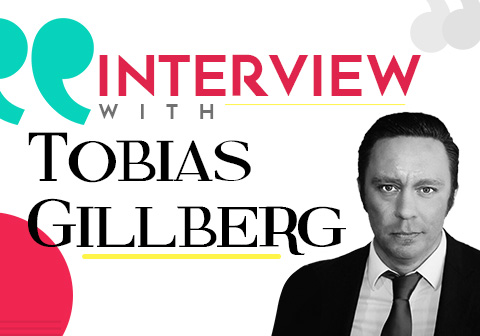
Tobias Gillberg Talks About SEO
Interviews SEO

SEO Expert Tobias Gillberg Talks About Different Aspects Of SEO

branex-logo Team Branex
Tobias Gillberg is a Digital Marketing Manager, Search & Digital Disruptor, and Management Consultant Search. Tobias has completed his Bachelor of Science from the University of Gothenburg and Master's degree in Computer Science from Chalmers Tekniska Hogskola (Gothenburg Sweden). Tobias Gillberg specializes in Search Marketing (SEO, SEM), Reputation Management, Branding, and Influencer Marketing. He owns a private website called SEO Experts Miami, A location for management consultant Services. And as you’ve already guessed, we’re interviewing him for the Branex blog, so let’s start: Branex: Tobias, you have an experience of 12 years working with Fortune 500 clients as a Digital Marketing Manager; what do you think a Digital Manager should focus on in 2019? Tobias: Good question! There is so much happening right now and tongues are wagging about how digital really is coming together and how Social Channels correspond and really work together with your content/SEO strategy. I think that what some people have talked about since 2009, is finally happening. A real paradigm shift is taking place and Social and SEO intertwine yet further, as can be seen in Google’s latest update, the March update (I still prefer the name Florida) which has left the SEO community a bit baffled. It seems like Google has yet again turned up the heat on premiering GOOD CONTENT and RELEVANT content, cracking down on PBNs (personal blog networks) that accept almost all types of articles. I have seen drops in the SERPs where the links have mostly come from “link-buying”. I think it’s important to stick to the foundations for your SEO strategy. USE correct syntax and HTML, which is something I learned when I got into SEO in the mid-2000s and is the only rule that has remained intact. Use keywords or semantically related keywords, Good HTML H1, and H2 titles, and keep your website inundated with articles about digital marketing if your website is a marketing blog. What used to be known as Social signals and interlinking Facebook, LinkedIn, and WWW articles, are finally having a real impact on your overall traffic. I think it’s important to have a social presence BUT be selective about where you spend your marketing budget. If you are a B2B selling CRM solutions, it’s probably not the right maneuver to craft a really cool Instagram account with 200,000 followers; but perhaps you could work on your LinkedIn company page. In 2019, I would not launch any campaign without proper testing (A/B or whatever technique you prefer). Not testing and tuning as you go can be very expensive in terms of profit and leads lost. Increase your CTR work on CRO (Conversion Rate Optimization). If you are a bigger company, hire someone with UI/UX skills full-time to test and maximize conversions. I’ve always believed that a good Digital Marketing Manager takes in all aspects and facilitates work between departments. A great Digital Marketing Manager sees the entire picture and unites PR, Content, Social, SEO, UI/UX, IT, Dev, and traditional Marketing. They can make decisions and recommendations built on data and facts; NOT on their “gut feeling” or “we have always done this” or “What they think” of current implementations and strategies. I have worked as a consultant at companies where the marketing department had up to 80 people (not including developers, UI/UX, or Project Managers). They had been juggling 4-5 different projects where Social marketing and the fleet of millennials that are working on Social Media as  “FB experts” and “Instagram experts” have done their thing, without measuring the effectiveness of a post. The PR people were doing what they had always done, and without involving SEO or Social Media, so I believe that the biggest challenge for a Digital Marketing Manager in 2019 is to SEE and COMMUNICATE the entire picture. It’s a challenging and sometimes frustrating position, but I see better and better attempts. So a digital marketing manager will have to be an excellent communicator to avoid frustration and thwart competitive internal teams from working against each other rather than using excellent talent from each department to create something really awesome via joint efforts. In my team, there is no place for ego or trying to look good alone. TEAMPLAY is a keyword that feels relevant. If there is a Social Marketing Manager, an SEO Manager, and a PR Manager, they all have to work together seamlessly, and therein lies the biggest challenge for a Digital Marketing Manager. The Social Marketing Director wants to look good to the upper management, the SEO. A Social/SEO/PR Marketing Manager of a Fortune 500 is not personally invested and they are playing with OPM (other people’s money) and make decisions that they wouldn’t in a situation where it was their money. I don’t want people like that in my teams. I want my teams to treat every dollar as if they are investing in their own business. Branex: AI is getting very popular, confide in our readers how AI will shape SEO and Digital Marketing in the future? Tobias: I think that AI will have a fundamental change in the personalization of the brand message. It’s already an important factor today in Searches and related searches. I think Amazon and Alibaba.com are good examples where their personalized suggestion tool on “You might also like…” is really helpful. I think retargeting is another great digital feature. What I wish for is a “turn of interest when a purchase has been made” and I have gone out and put down 10K on that Race bike” Branex: There are many factors which can help you rank your website on a search engine; so tell us how hosting and IP can be strong factors when it comes to choosing which index to rank? Tobias: A Great Digital Marketing Manager makes sure that proven techniques and basic On-Page SEO, and content curation with INTERESTING content get produced. 10 years ago, if you wanted to rank on the Google.co.uk index, you had to make sure of 3 things (Server location, TLD, links coming from which sites). It still rings true that a dotCOM tld performs better overall on all indexes, and it’s hard to rank a domain.co.uk on Google.com. Branex: Who do you consider your inspiration when it comes to the industry you work in? Can you name some of them? I’m trying to keep an eye on the Blackhat SEO community since many good guys started there. I used to read the Bluehat SEO blog and love the smart hacks. I used to read Jakob Nielsen’s blog, but after all the updates and with time, it seems like most of my old inspirations have grown up and gotten a real job and a suit and gone corporate. Branex: You have worked 12 years tirelessly as a Digital Director and SEO Director, what are the biggest fears you faced as an SEO Director? Tobias: Obviously, every SEO manager’s biggest FEAR is a heavy penalization from Google with a large drop in traffic. Another classic is the nuisance of 500 errors that block the entire site after implementing an htaccess redirect file, but it’s all about testing, testing, and not using aggressive SEO before having evaluated all outcomes and scenarios. Branex: There is this burning question which we find all over forums. Since you have a huge amount of experience in this field, so we're asking you the question. What are some common SEO mistakes in digital content production? Tobias: There are so many fundamental errors in brand-new sites being developed for huge companies today. I would say that the most common is not to use proper Header (h1,h2,h3) tags, but most people make the mistake of not even using relevant keywords on the website as well. For active sites with dedicated SEO personnel, that have crossed off the SEO 101 checkbox. I would say that it’s dull uninspiring content that no one is interested in reading and the content is a dull, repetitive story that was half newsworthy 2 years ago. Content creators are storytellers and copywriters are selling the product with tight text. There is a huge gap in copywriting and content writing where a content writer needs a deeper comprehension of the topic. Branex: SEO is changing every month as Google keeps updating its algorithm to make sure the best thing stays on top of the search. Tell us how organic search reach is affected by paid advertisement? Tobias: Google has really cemented the market with Google Ads and not just the classic SERP Adwords, but paid placements to treat more hidden  “Google Results” in the same way that they have taken on Airplane Tickets, Jobs, and Shopping. I believe that Google has a lot more verticals where they want to get in and take a piece of the market. I think that Real Estate, Cruises, and an extended Google Shopping are around the corner. To rank #1 for a keyword like “Flights to New York”, which is not really driving the traffic it used to since we have Paid ads + Paid Google flights, any business owner must find the whitespace keyword group and play along with Google. Long term, I think Google is taking on too big a role as being the Internet by scraping other information and using that, and a search is no longer unbiased, which was a big part of their initial success in the late 90s. It was a simple NO BS Search engine with great results.
Interview With David McGimpsey
Interviews

Interview With David McGimpsey, Digital Corporate Trainer and Book Author

branex-logo Team Branex
David McGimpsey has a vast experience of 25 years in the business community, having worked with teams in Australia, New Zealand, Singapore, Hong Kong, US, UK, China, and South Africa. Now, David is currently in Japan where he manages multicultural teams of administrative staff, facilitators, and trainers. He’s also worked in funds and banking management, marketing, software development, and business analysis, including project management, operations, and staff management, and training people for their future endeavors. We’re lucky enough to have him on board for Branex LLC, so let’s get his interview started. Question No. 1:  David, it was amazing to see you helping people out, training them, and managing them. It is such a difficult task, but how do you manage your day-to-day tasks? Answer: There is always more work than time in a working day. What gets me going is my love of training. Regardless of how much work I have to get through, I’m always going to be able to get some training done. Outside of training, I just prioritize a to-do list each day (which I adjust during the day). I’ve got a really good team who can help me in the hectic hours. Question No. 2:  25 years is a long time span. You must have learned and taught a lot, but I want to know who are the people in the business community are who helped you grow in this field? Answer: The people who helped me grow are the people who trusted me the most. Without mentioning any names, one of my first jobs involved managing people and infrastructure across countries. I was really young at the time, but my boss and the people around me just trusted me which helped me rise to the occasion. Question No. 3: You have worked all around the world. What were the communication challenges you usually faced during your project? Answer: The biggest communication challenge centers on our diversity as humans. Effective communication for one person is confounding for another. Over the last 25 or so years, I’ve found that the most important thing for any business is to communicate clearly and often. Whether you are dealing with internal or external customers, it is important to set and reset clear expectations. Question No. 4: Every public speaker has a style, we wanna ask which communication style you take up with your team. Answer: Straight-forward and honest. Whether you are speaking from the stage or vis-à-vis, people appreciate direct and honest communication. It’s also important to constantly ensure that expectations are clear. Question No. 5: Working with teams from different parts of the world, having different opinions, views, and cultures, what are some of the tools and resources you’ve used to develop your team? Answer: Something that I’ll never stop working on are my listening and observational skills. Listening, asking questions, and observing are the things most likely to build a strong bond within a team. Question No. 6: You have worked a lot. What was your most challenging project, and how did you tackle it? Answer: Pushing back on a project that was doomed to fail. Having worked in many different companies, I’ve been in touch with many different management styles. The worst management style is “directive without context”. What I mean by that is that management makes decisions and forces implementation, without all the information and facts at hand. When you are given a project within this kind of management style, it’s often a project that won’t succeed and will stain your reputation. In this case, communication and expectation setting become vital. Also, keeping copious notes and records of all meetings and conversations helps a lot. Question No. 7: Sometimes, one faces uncertainty during projects. If the project is not adhering to schedule, how do you get it back on track? Answer: This is where communication and expectations come in. No matter who you are talking to on the project team, the client, sponsor, etc. it’s important to constantly set and re-set expectations. Projects often go off track because of misaligned expectations leading to scope creep. Setting expectations with all stakeholders allows you to extend the deadline, or get the most important parts of a project completed by the deadline. The project manager’s job should primarily be about communication and being the link between all stakeholders. Question No. 8: Since you’re currently training in Japan with Presentation Blogger and Presentation X Factor, please share some of your experiences working in Japan. Answer: Japan is a very different country to work in because it has remained largely homogeneous, leading to a strong culture. As a result, what would be business “norms” in other countries are not considered such in Japan. This leads to different experiences in the training room. An easy example to illustrate this is in meetings. In many countries, meetings are where issues are dissected in an attempt to reach a consensus on what should be done about those problems. In Japan, business people have a concept of nemawashi. This is a series of pre-meetings prior to the main meeting where people are met individually to get agreement on the main meeting’s conclusion because the chairperson/facilitator has already reached a conclusion. During the main meeting, the issue is discussed again but everyone knows what the conclusion will be because of their individual pre-meeting. For many people coming to Japan, nemawashi is a difficult concept to understand, but there can be some benefits to an adjusted version of nemawashi for project management. Projectmanagement.com members can watch my webinar presentation on this topic here:

Question No. 9: As you know, a business can not survive without being perfectly managed. Branex gives business Digital marketing solutions and many other services related to online sustainability including Apps and Web development. At what scale do you think it is important, and how Branex can be of benefit?

Answer: Branex is important for everyone, be it's a one-person operation or a large business. One of the most important parts of any business is being able to turn new apps, websites, or campaigns quickly around. Most business operations can’t turn around projects quickly enough to meet the market, so Branex offers a perfect alternative to completing these projects in-house.

Interviewee Information:

David McGimpsey is a communication skills trainer, project manager, and computer programmer. He specializes in coaching business people to deliver compelling presentations which sell, persuade, and entertain. David lives in Osaka, Japan. His blog can be found at presentationblogger.com along with his online presentation skills course. David’s book Master Public Speaking is available on Amazon now.
whatsapp