


How Blockchain Threatens Popular Social Network Revenue Globally
 Team Branex
Before we start with how Blockchain is treating popular social media networks like Facebook, Twitter, and YouTube, we must first understand what Blockchain is.
 To date, content distribution and creation on the internet are carried out by bigger corporations. Companies like Facebook, Twitter, and YouTube are considered to have taken the first seat in the list of online content distributors. Users of these social networks “like”, “share”, and in some way or the other way boost content for greater attention. The entire process helps content creators and distributors to reap mutual benefits by moving the content into the mainstream.
However, corporations seem to be reaping more fruit than content creators. Apart from advertising, many content creators of today who are willing to move into the entrepreneurial stream have fewer ways to monetize their work and the value that they are inserting in their content seems to have been stripped off by the distributing corporations or maneuvered for their benefit. This is about to change!
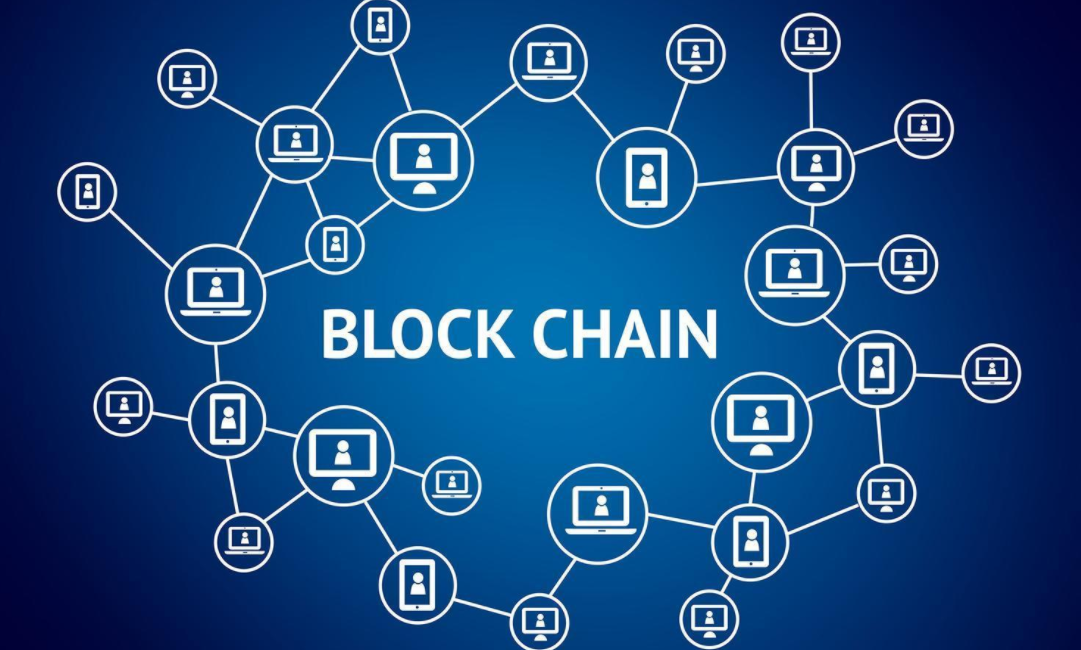
Blockchain is the technology that supports Bitcoin and allows a database that is stored on all networks at any given time. It could allow users to access this same data, despite its displaying network, securely.
To date, content distribution and creation on the internet are carried out by bigger corporations. Companies like Facebook, Twitter, and YouTube are considered to have taken the first seat in the list of online content distributors. Users of these social networks “like”, “share”, and in some way or the other way boost content for greater attention. The entire process helps content creators and distributors to reap mutual benefits by moving the content into the mainstream.
However, corporations seem to be reaping more fruit than content creators. Apart from advertising, many content creators of today who are willing to move into the entrepreneurial stream have fewer ways to monetize their work and the value that they are inserting in their content seems to have been stripped off by the distributing corporations or maneuvered for their benefit. This is about to change!
Blockchain is the technology that supports Bitcoin and allows a database that is stored on all networks at any given time. It could allow users to access this same data, despite its displaying network, securely.
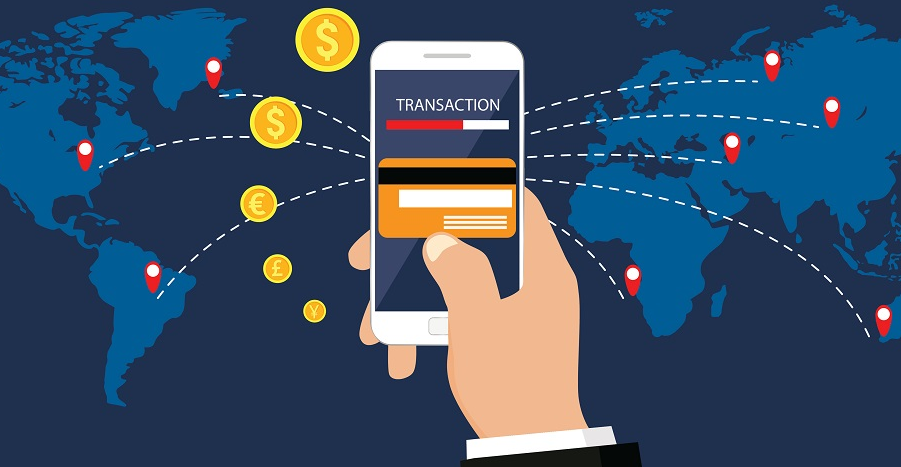
 The entire advertising world is trying to gain the attention of the respective target market, and in the run, everything is getting better, brighter, and faster.
However, this new, decentralized system has yet to prove its efficacy on its content distribution effectiveness and how it captures the attention of the target customers. Through these decentralized systems, users will no longer be bound to use a centralized hub, but are empowered to support and offer content that is worthy of their attention.
This new system will make it easier for both creators and contributors to pay attention and will be rewarded with payments for their efforts.
The entire advertising world is trying to gain the attention of the respective target market, and in the run, everything is getting better, brighter, and faster.
However, this new, decentralized system has yet to prove its efficacy on its content distribution effectiveness and how it captures the attention of the target customers. Through these decentralized systems, users will no longer be bound to use a centralized hub, but are empowered to support and offer content that is worthy of their attention.
This new system will make it easier for both creators and contributors to pay attention and will be rewarded with payments for their efforts.
What is Blockchain?
Blockchain is a technology that is the apparent powerhouse for all the cryptocurrencies in the world. Bitcoin and Ethereum, to name a few. It is an immortal, immutable, and openly accessible ledger of all the transactions that occurred on all the networks since its inception. Every cryptocurrency has its blockchain. Newer cryptocurrencies are formed into batches called “blocks” at regular time intervals. The process of creating new blocks is more commonly known as Bitcoin mining, and every new block is added to the already existing chain of blocks. Through the existence of blockchain, users are now able to verify transactions and know that they happened at a specific moment in time. To understand it in the terminologies of conventional banking; blockchain is like a full history of banking transactions that took place. Bitcoin transactions are entered into the blockchain similar to the transactions entered at a bank however, individual blocks that form the chain are like bank statements that are unique to every account held.
To date, content distribution and creation on the internet are carried out by bigger corporations. Companies like Facebook, Twitter, and YouTube are considered to have taken the first seat in the list of online content distributors. Users of these social networks “like”, “share”, and in some way or the other way boost content for greater attention. The entire process helps content creators and distributors to reap mutual benefits by moving the content into the mainstream.
However, corporations seem to be reaping more fruit than content creators. Apart from advertising, many content creators of today who are willing to move into the entrepreneurial stream have fewer ways to monetize their work and the value that they are inserting in their content seems to have been stripped off by the distributing corporations or maneuvered for their benefit. This is about to change!
Blockchain is the technology that supports Bitcoin and allows a database that is stored on all networks at any given time. It could allow users to access this same data, despite its displaying network, securely.
How Will it Work?
There will be platforms designed for it that are going to disrupt the attention of the way people think, create, and distribute. With platforms like Synereo, users can upload and access content on distributed ledgers that are going to waive the need to have a central hub of data. Through these systems the content sharing will become completely de-centralized, replacing the legacy models of centralization with machines, which is going to further transfer the benefits to the users and the creators alike. It’s like having a vehicle of your own to distribute and publicize your creations. As the users like, share or just go through the content. The system will allow them to amplify the distribution by contributing digital tokens to the creators.
Token vs Currency
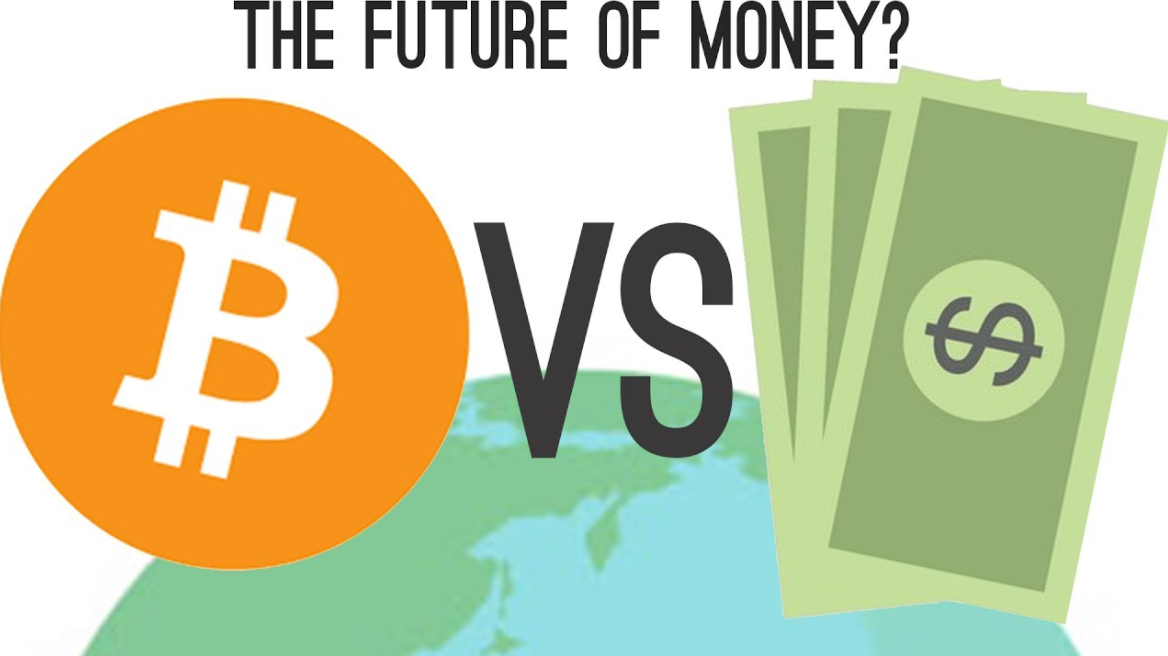
Other companies around the globe are thinking of using blockchain to create similar, more user-centric ways of content distribution. A recent example of such a decentralized system would be Decent, a company that relies on the power of blockchain to the third-party hubs and places the power in the hands of the creators. Regardless of the platforms, new companies are urged to create ways to exchange value within a user-distributor system. Many of them have chosen cryptocurrencies (digital tokens) issued by companies. Digital tokens like AMPs are currently worth about $0.23 each and are used to reward people who are creating content can also be used to gain access to download and share the content that was created. Also Read: Why Facebook Cryptocurrency is Facing Severe Backlash from the Critics These digital tokens are exchangeable with normal currencies like Dollars or Euros and can also be used in the content ecosystem itself. In a similar case when a post is liked or shared, the creators are going to receive monetary rewards for their good work and the profit is going to go to them directly via token, rather than a central hub receiving profits and then distributing it among owners.
The entire advertising world is trying to gain the attention of the respective target market, and in the run, everything is getting better, brighter, and faster.
However, this new, decentralized system has yet to prove its efficacy on its content distribution effectiveness and how it captures the attention of the target customers. Through these decentralized systems, users will no longer be bound to use a centralized hub, but are empowered to support and offer content that is worthy of their attention.
This new system will make it easier for both creators and contributors to pay attention and will be rewarded with payments for their efforts.

 In 2015, there were

