


6 Types of Online Fraud That Is Taking Place During Coronavirus Pandemic
 Team Branex
With the world in a state of lockdown and millions of people working from their homes due to the coronavirus, cybercriminals are busy making the most of this opportunity. Cybersecurity firms and cybersecurity researchers have seen a surge in the number of phishing emails, malicious and fake websites, and dangerous apps. These are all the online frauds by nets hackers have placed to steal your data.
Hackers are also targeting video conferencing and communication apps because they know that there is a pike in active users on these platforms due to remote work. Zoom is the best example in this regard. Its user base grew from 10 million to 200 million active users in less than three months. This exponential growth in the number of users also brought to the attention of cyber criminals who exploited vulnerabilities and compromised user data. Cloud hosting providers must take precautionary measures to protect data stored in the cloud.
Also Read: 5 Tips to Keep Social Media Account Safe
How can you keep yourself safe from online fraud during this pandemic? By knowing about these online fraud methods that hackers are using. That is exactly what you will learn in this article. In this article, you will learn about six types of online fraud which is taking place during the coronavirus pandemic.
Stimulus Fraud
The United States is the worst-hit country due to this coronavirus pandemic. The US government announced a stimulus package which would give out free money to people and businesses to bail them out. To be eligible for a stimulus check, you should be a taxpayer. If you have not paid the taxes for the last couple of years. You might be rushing to file your tax return and hackers know that too.
Cybercriminals will try to steal tax filing data by targeting tax authorities and accounting services. Once the data is stolen, they will use it as a ladder to file fraudulent tax returns with different bank account details. We might also see fraudsters attempting to impersonate small and mid-size businesses so they can apply for stimulus checks and loans.
Malicious Corona Tracking Apps

As the coronavirus spread worldwide, we also saw an exponential rise in coronavirus-related scams. One method hackers are using is tricking users into downloading a rogue coronavirus tracking app. What is even more interesting is the fact that these apps might look genuine and promise to send alerts and notifications about coronavirus informing you about the spread of the virus. Some of these apps even promise that they can tell you about the virus when it is in your vicinity.
They are usually behind your mobile banking applications and mobile e-commerce apps and want to steal your sensitive financial information such as bank account details and more. Avoid downloading these apps and never fall for these traps. Even if you are downloading any apps related to coronavirus, make sure it is coming from a genuine publisher. Never download apps from third-party sites and always download apps from the Google Play store or Apple app store.
Account Takeovers
Hackers require support from a mule to cash out victim bank accounts and make account takeover successful. A mule is a collaborator with a bank account located in the same country as the victim and acts as a middleman. Just like in the 2008 economic crash, mule recruitment is at an all-time high as people tend to reply immediately to any work-from-home offer that comes their way. What they do not realize is that these offers come from a crime ring. With the latest reports showing record-high unemployment, we might see history repeat itself. This could fuel a dark economy and accelerate its growth.
Fake Credit Card Accounts
With millions of people losing their jobs in a couple of months, many more might get laid off. They might not have money to spend on necessities. As a result, they have no choice but to use their credit cards to meet their needs. Some might even think about new credit lines and loans. Even those who don’t have a credit card might sign up for one. In short, this means that credit card websites will see an exponential rise in their traffic.
Fraudsters can take advantage of this situation as there is little to no investigation on suspect cases due to a recession. Hackers will first try to get their hands on these credit cards physically and then use them digitally to fulfill their malicious desires. The number of credit card defaulters will also grow which can complicate things even more.
Social Engineering Attacks from Banks
If you have a bank account, you might receive a fake call, message, or email that pretends that it comes from your bank but it does not. The person on the other side might ask you to share their sensitive financial information such as the user ID and password of your mobile banking app, OTP, PIN code, or account number.
In some cases, they might even ask you to install software or apps. So they can troubleshoot the problem and get it fixed. Never take the action they want you to take until you verify their identity. Never share your sensitive bank account details on a phone call, email, or via text message.
Online Loan Application Fraud

As mentioned before, millions of people do not have a job, so they do not have money coming in. This means that they either must take a loan or use their credit card. Lenders are tightening their credit control and making sure that they can get their money back and prevent fraud. With the situation going from bad to worse, we might see lenders loosen their credit control to facilitate users. But it can also open doors for online fraud. Online fraudsters can take advantage of this situation and use stolen records to open accounts to secure loans. Once they get these loans, they will run away with it.
Have you ever been a victim of online fraud? Share your experience with us in the comments section below.


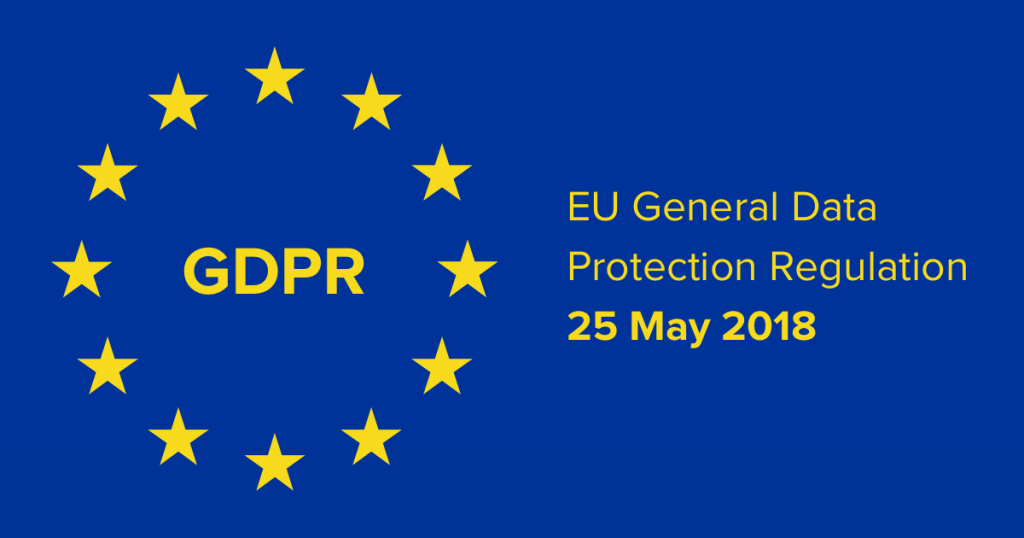 GDPR is simply all about how consumer data should be used & protected. Adopted by the European Parliament in April 2016, it is to be fully enforced throughout EU in the May 2018. For now, GDPR will apply to everyone residing in the EU, whether they’re selling their products online or offering services to citizens who are present in the EU. GDPR is poised as a replacement for the European Union’s previous data directive, governing the usage, collection, and storage of consumer data, to grant consumers greater control and more protection over their personal data.
As per the law, staggering fines – 4% of global revenues or €20 million – will be levied against organizations that do not comply with the law. Companies that have incurred data breaches due to slip-ups or those with less than stellar data protection practices are especially vulnerable to this law.
While this momentous shift appears to be the cherry on top of the cake for consumers and their privacy, we wonder what it would mean for brands that have spent years fueling their entire marketing departments with hordes of consumer data. GDPR asks brands and organizations to justify 7 key areas that need to be attended to:
GDPR is simply all about how consumer data should be used & protected. Adopted by the European Parliament in April 2016, it is to be fully enforced throughout EU in the May 2018. For now, GDPR will apply to everyone residing in the EU, whether they’re selling their products online or offering services to citizens who are present in the EU. GDPR is poised as a replacement for the European Union’s previous data directive, governing the usage, collection, and storage of consumer data, to grant consumers greater control and more protection over their personal data.
As per the law, staggering fines – 4% of global revenues or €20 million – will be levied against organizations that do not comply with the law. Companies that have incurred data breaches due to slip-ups or those with less than stellar data protection practices are especially vulnerable to this law.
While this momentous shift appears to be the cherry on top of the cake for consumers and their privacy, we wonder what it would mean for brands that have spent years fueling their entire marketing departments with hordes of consumer data. GDPR asks brands and organizations to justify 7 key areas that need to be attended to:


 The platform which was once blatantly trusted by diverse audiences around the world, has its credibility now hanging loose from a frayed thread.
Mark stands firm with the statement that despite getting the British political consultancy firm, Cambridge Analytica, to certify that they had removed the information in the year 2015. The organization still managed a breach of trust misconduct with the latest updates rolling in. According to mammoth sources, such as the Guardian, Washington Post & NYTimes, a copy of the data was secured by Cambridge Analytica until the Presidential elections of 2016.
The platform which was once blatantly trusted by diverse audiences around the world, has its credibility now hanging loose from a frayed thread.
Mark stands firm with the statement that despite getting the British political consultancy firm, Cambridge Analytica, to certify that they had removed the information in the year 2015. The organization still managed a breach of trust misconduct with the latest updates rolling in. According to mammoth sources, such as the Guardian, Washington Post & NYTimes, a copy of the data was secured by Cambridge Analytica until the Presidential elections of 2016.
 As a result, the British members of the Parliament are fueled up, and find it a reasonable enough pretext to invite Mark on a personal visit to the UK. To hear his side of why he provided misleading information on the international platforms. Mark wishes nothing but to hold back on his claims and is more than willing to answer all accusations so that the burgeoning controversy vilifying his name can be cleared.
The cases against the CEO were filed by the British government on the 20th March of 2018, which sent the platform's integrity plummeting steeply. Predictions are also running berserk that this is just the beginning of an erupting volcano, as Facebook will once again face a series of file suits.
As a result, the British members of the Parliament are fueled up, and find it a reasonable enough pretext to invite Mark on a personal visit to the UK. To hear his side of why he provided misleading information on the international platforms. Mark wishes nothing but to hold back on his claims and is more than willing to answer all accusations so that the burgeoning controversy vilifying his name can be cleared.
The cases against the CEO were filed by the British government on the 20th March of 2018, which sent the platform's integrity plummeting steeply. Predictions are also running berserk that this is just the beginning of an erupting volcano, as Facebook will once again face a series of file suits.
 In their defense, the current acting CEO of Cambridge Analytica, Alexander Tayler explains to the authorities that they are not to be blamed as they have done nothing wrong. In fact, he goes so far as to claim,
"We did not use any GSR data in the work we did in the 2016 US presidential election. We thought that the data had been obtained in line with Facebook’s terms of service and data protection laws."
According to Alexander, Christopher Wylie, the man who released the information to the digital media was a freelance contracted employee who had worked with the firm for a short period of time. He was not drilled in the work practices deployed at the organization and was restrained because he was stealing information from the company to initiate his own firm.
Facebook completely denies Alexander’s statement by putting forward a mandated rule which was passed in 2014, stating that no third party app using the Facebook platform is allowed to harvest any personal information from customers.
However, the question still makes us ponder - who is to be blamed? Is the embattled CEO of Facebook Mark Zuckerberg guilty of having a loophole in the security implemented within his platform, which led to this massive breach of information? Or does the fault lie with Cambridge Analytica firm for beholding information which was meant to be dissolved in mutual agreement with Facebook?
One way or another, Facebook lost its credibility among audiences worldwide, a blow for which Mark Zuckerberg had personally apologized.
In their defense, the current acting CEO of Cambridge Analytica, Alexander Tayler explains to the authorities that they are not to be blamed as they have done nothing wrong. In fact, he goes so far as to claim,
"We did not use any GSR data in the work we did in the 2016 US presidential election. We thought that the data had been obtained in line with Facebook’s terms of service and data protection laws."
According to Alexander, Christopher Wylie, the man who released the information to the digital media was a freelance contracted employee who had worked with the firm for a short period of time. He was not drilled in the work practices deployed at the organization and was restrained because he was stealing information from the company to initiate his own firm.
Facebook completely denies Alexander’s statement by putting forward a mandated rule which was passed in 2014, stating that no third party app using the Facebook platform is allowed to harvest any personal information from customers.
However, the question still makes us ponder - who is to be blamed? Is the embattled CEO of Facebook Mark Zuckerberg guilty of having a loophole in the security implemented within his platform, which led to this massive breach of information? Or does the fault lie with Cambridge Analytica firm for beholding information which was meant to be dissolved in mutual agreement with Facebook?
One way or another, Facebook lost its credibility among audiences worldwide, a blow for which Mark Zuckerberg had personally apologized.
 Don’t worry Mark, the North remembers!
 A backup plan can save you, small business owners, from lots of adverse scenarios. However, according to the latest report based on a survey by CloudBerry Lab, a whopping 49% of Internet users don’t do any type of data backup. However, 11% more business users than individuals have implemented automated backup systems and 20% more business users perform daily backups. These are very depressing stats, to say the least, as businesses seem to be doing much less than what they should be doing in this regard.
 There can be specific industry security standards, like